Food & Drink
Organic Food & Pantry
Food is the one place where organic is a legal term. A product sold as organic in the United States has to be certified to the USDA organic regulations, and one that carries the USDA Organic seal contains at least 95 percent organic ingredients. The seal covers how food was grown and handled, not how nutritious it is.
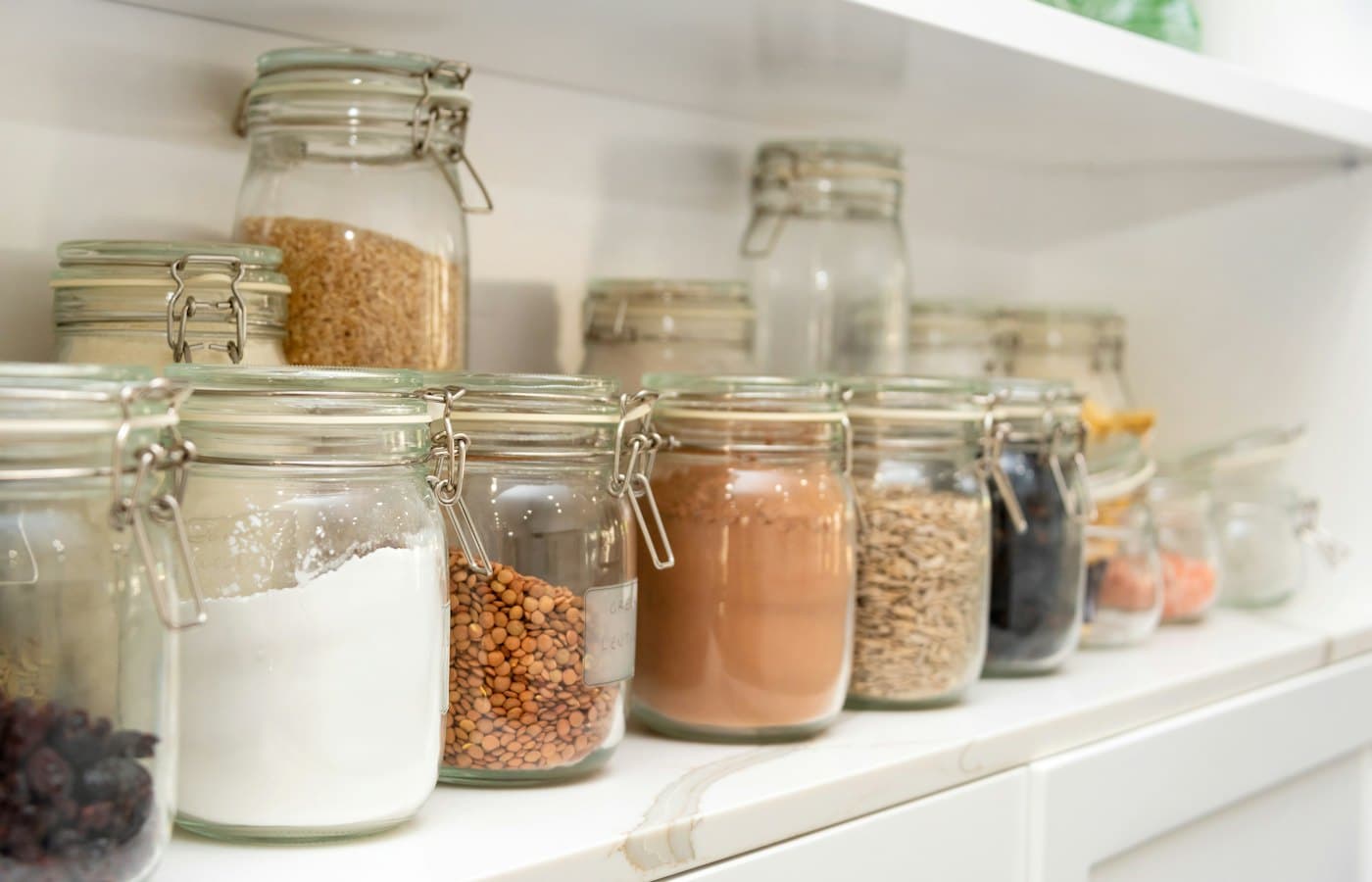
This department covers the food you cook with and keep in the cupboard: produce boxes, meat and poultry, dairy and eggs, grains and pasta, oils and vinegars, spices, and snacks. Every pick carries the USDA Organic seal or a certification built on top of it, and we confirm each one on the brand's own page. Where a product also carries Regenerative Organic Certified, we note it.
For crops, the USDA rules require land that has had no prohibited substances applied for at least three years before harvest, and they prohibit genetic engineering, ionizing radiation and sewage sludge. For animals, they require organic feed, year-round access to the outdoors, and no antibiotics or growth hormones. Those rules are why the pages on organic meat and poultry and organic dairy and eggs spend time on what separates organic from natural, free-range and grass-fed.
What the seal does not do is just as useful to know. It is not a nutrition claim, so organic snacks can carry as much sugar and salt as any others. It is not an allergen or gluten claim. And a phrase such as "made with organic oats" is a lower tier that cannot use the seal at all. Our guide to reading a USDA organic label walks through the four tiers.
Categories
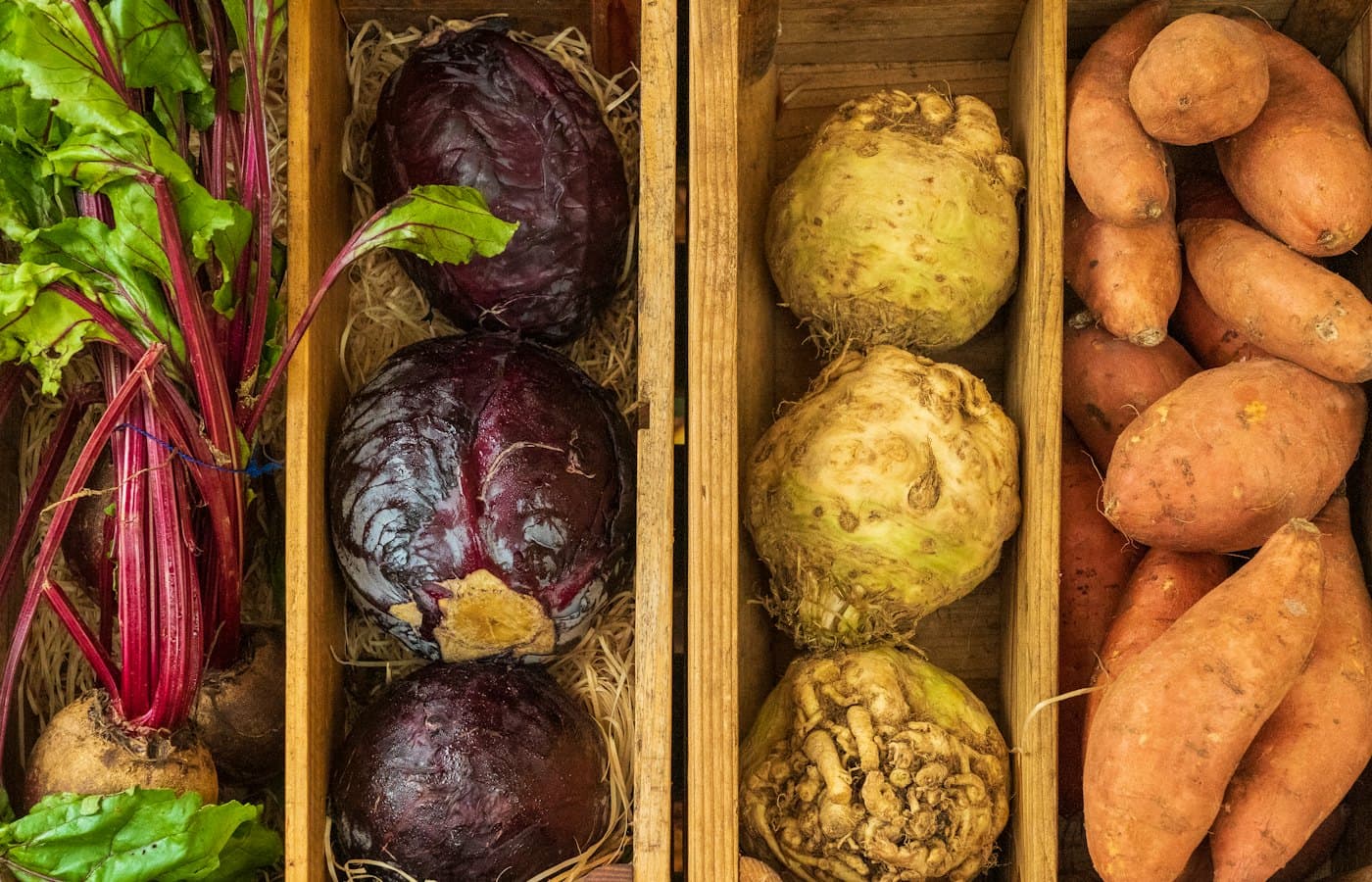 3 picksOrganic Produce DeliveryProduce boxes that are all certified organic, and how to tell them from boxes that are only partly organic.
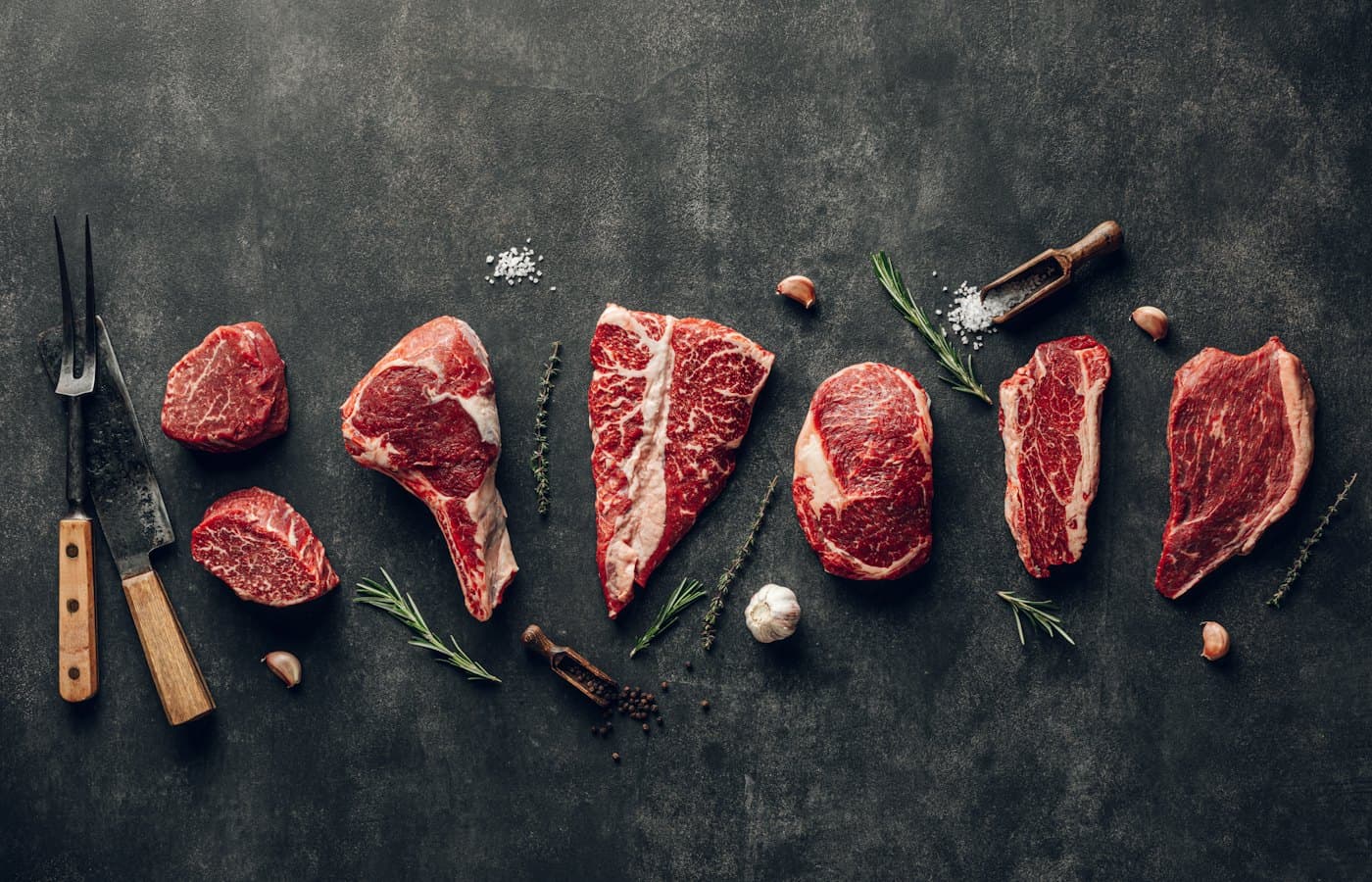 3 picksOrganic Meat & PoultryWhat USDA Organic requires for beef, pork and poultry, and how it differs from natural, free-range and grass-fed.
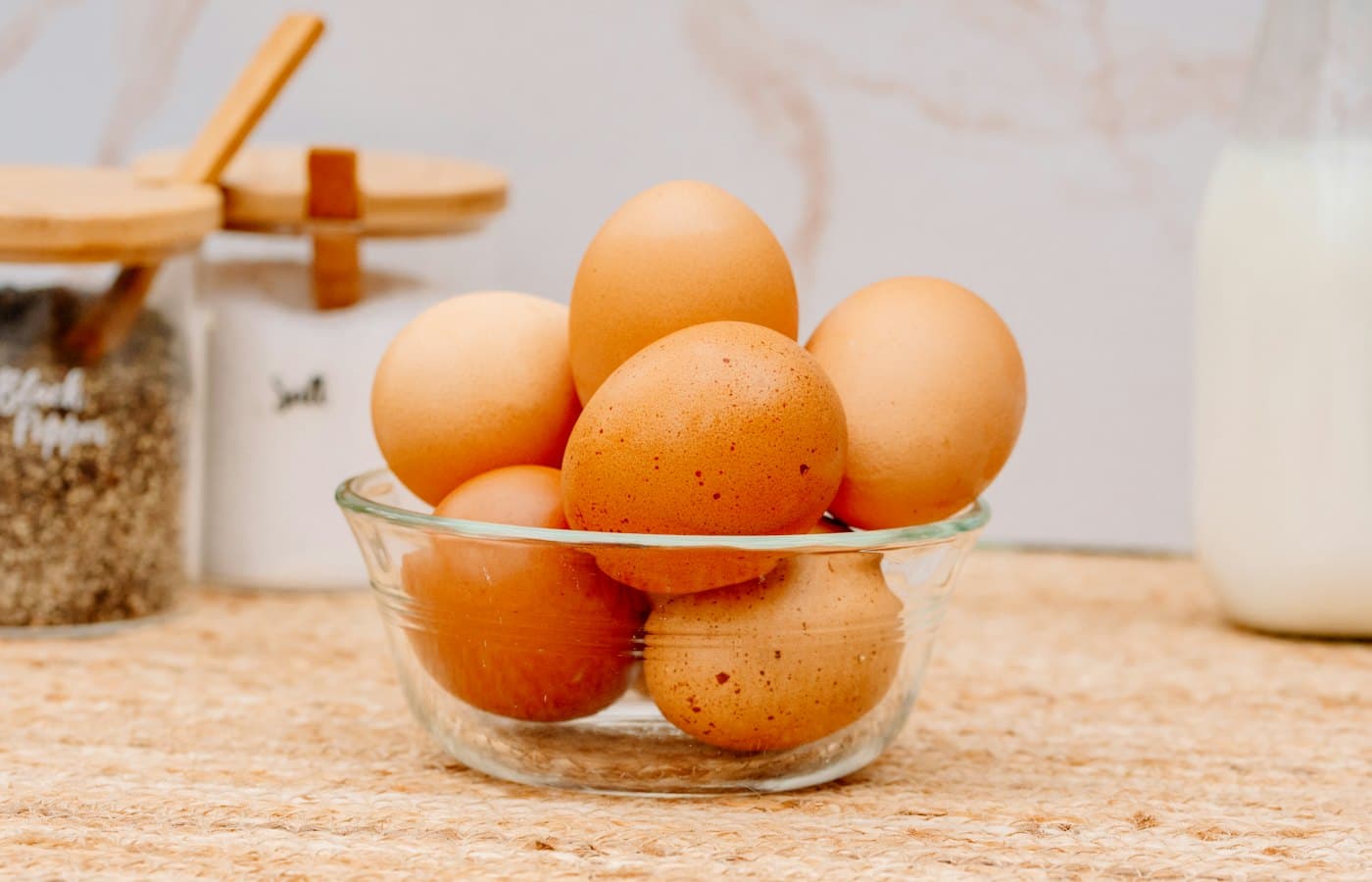 4 picksOrganic Dairy & EggsWhat USDA Organic requires for milk, butter, yogurt and eggs, and how cage-free, free-range and grass-fed differ.
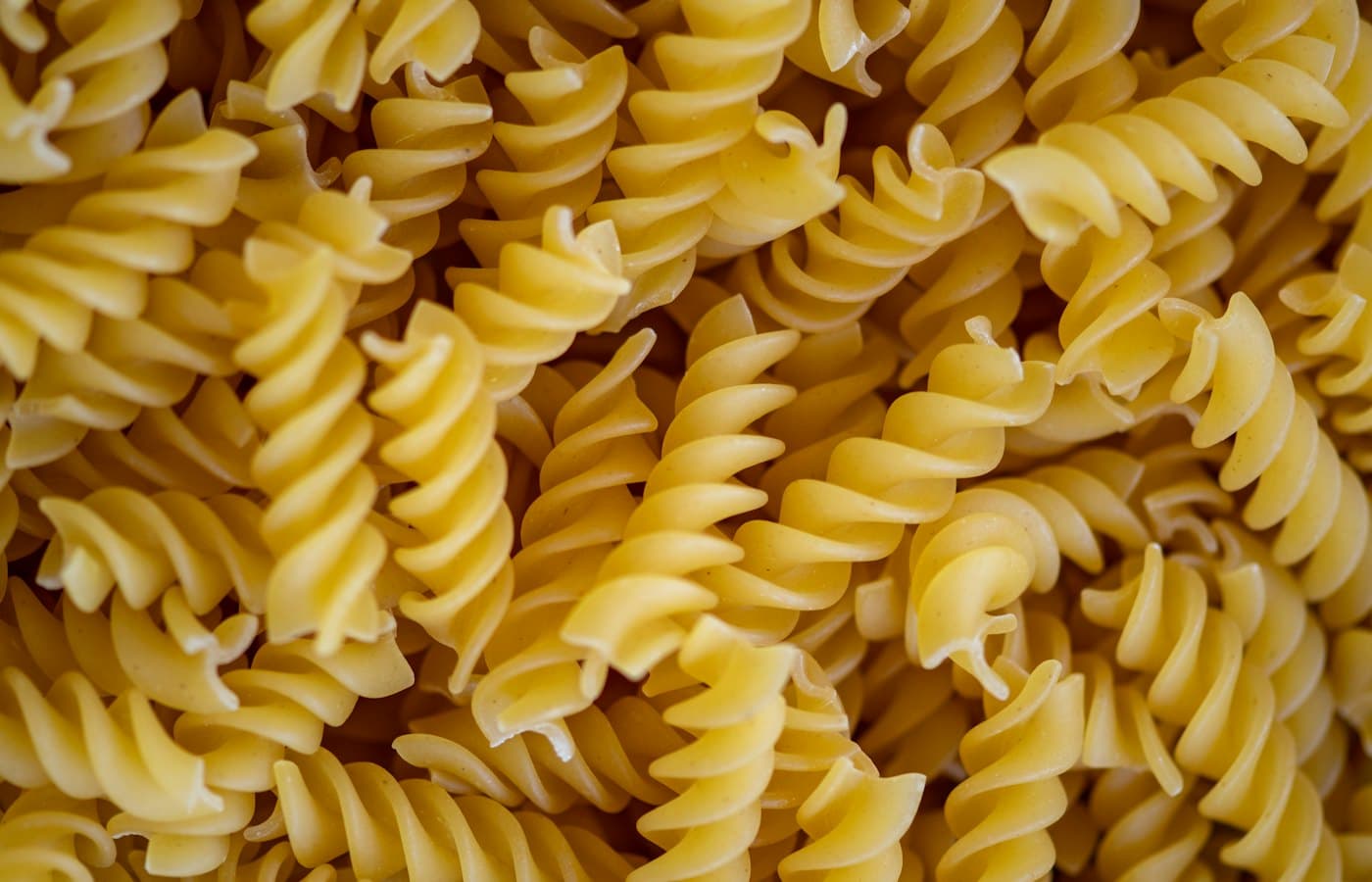 3 picksOrganic Grains, Rice & PastaWhat the USDA Organic seal means on rice, grains and pasta, and why gluten-free and whole grain are separate claims.
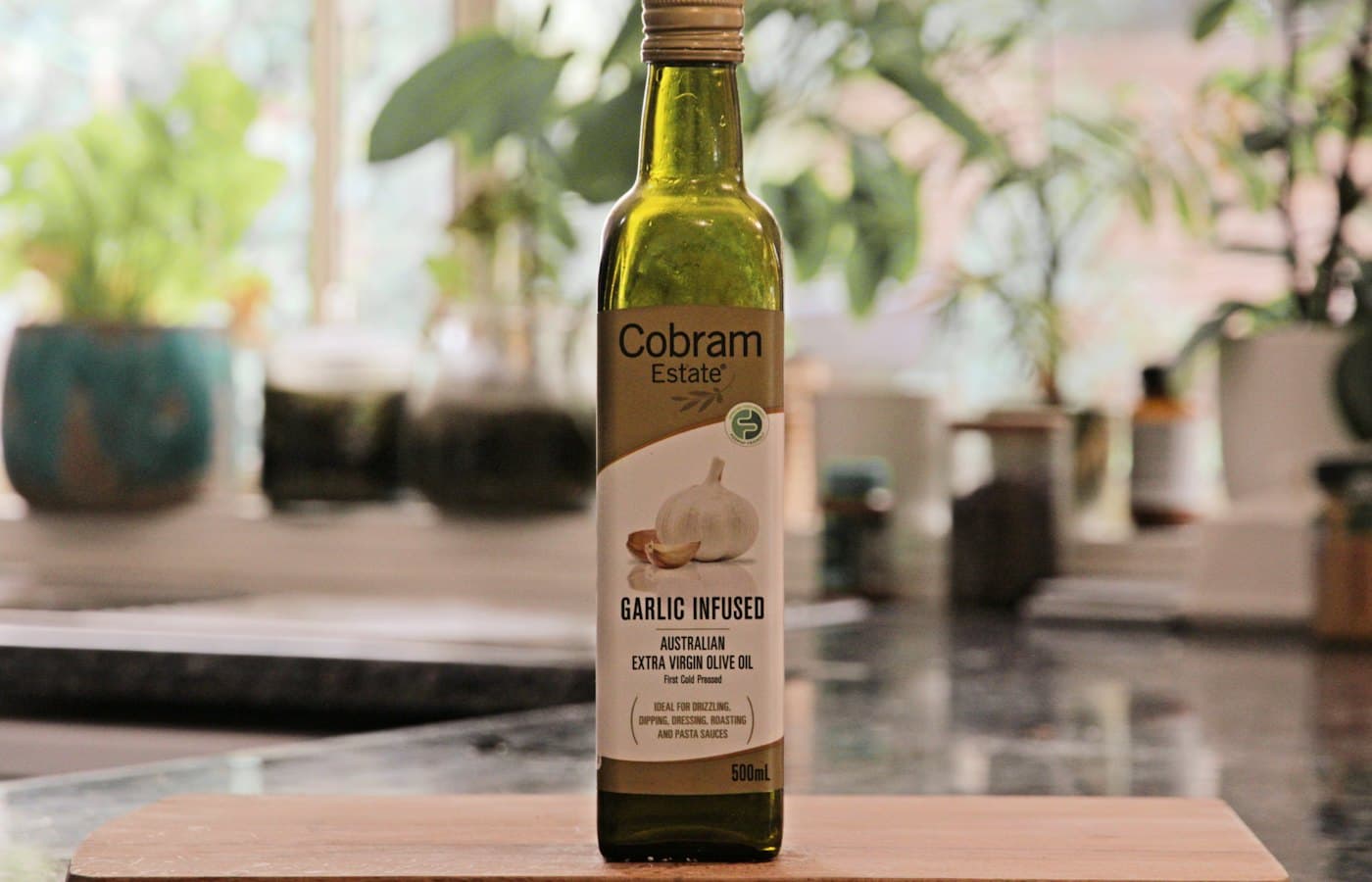 3 picksOrganic Cooking Oils & VinegarsWhat organic means on olive oil, coconut oil and vinegar, and why extra virgin and cold-pressed are separate claims.
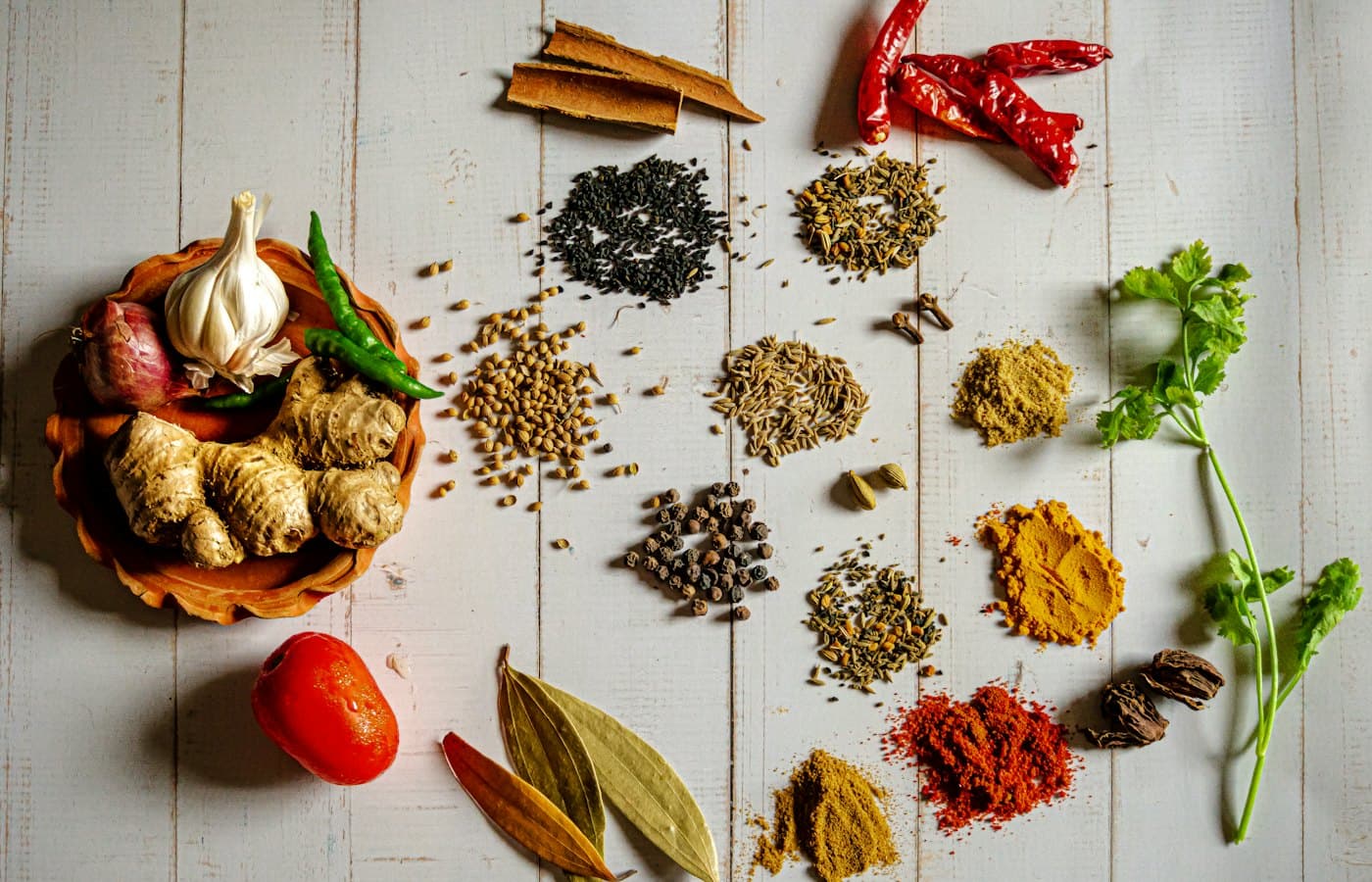 4 picksOrganic Spices & SeasoningsWhat the USDA Organic seal means on spices and seasoning blends, including the ban on irradiation.
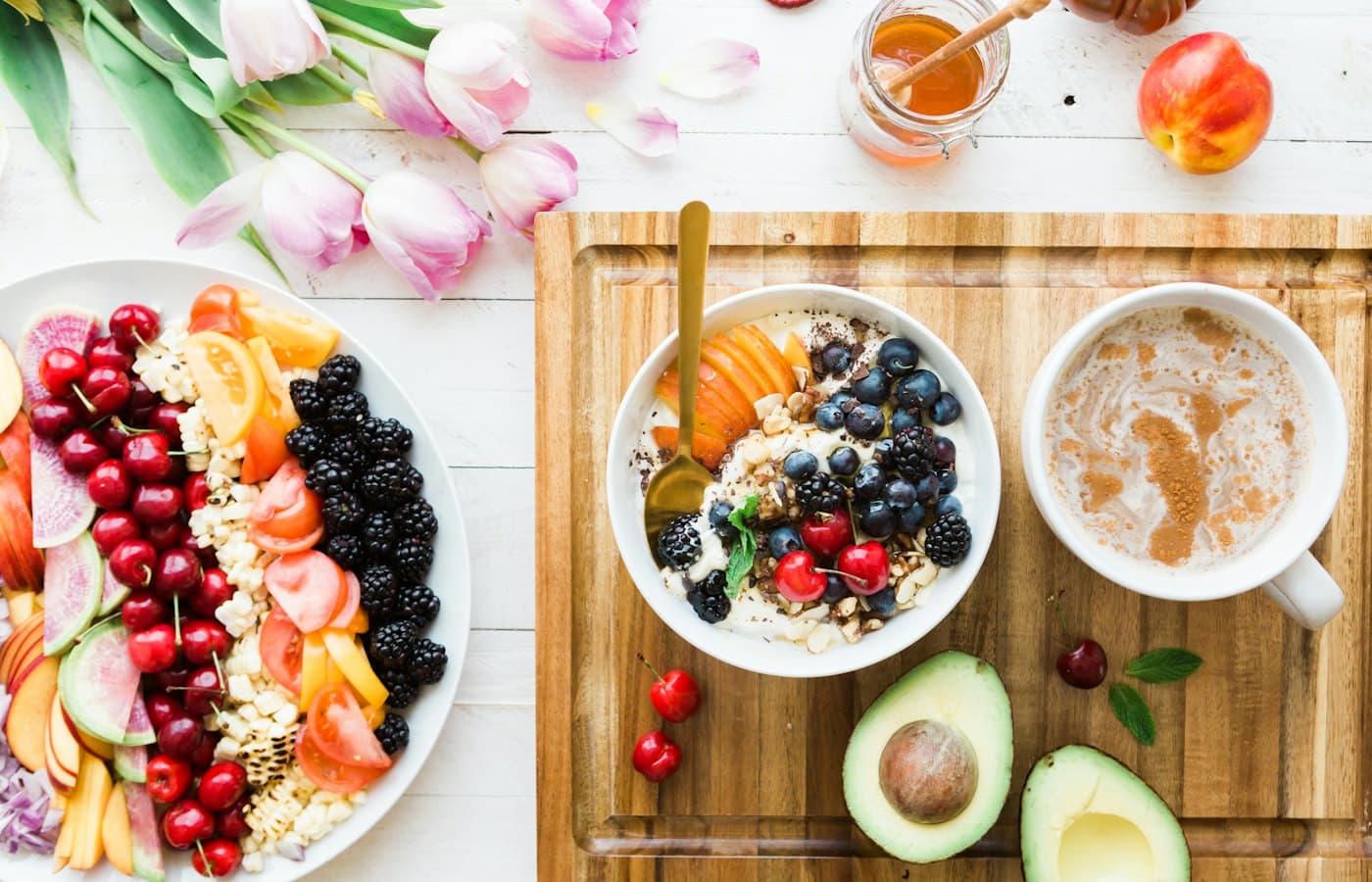 4 picksOrganic SnacksCertified organic bars, crackers and popcorn, and what the seal does not tell you about sugar, salt and allergens.
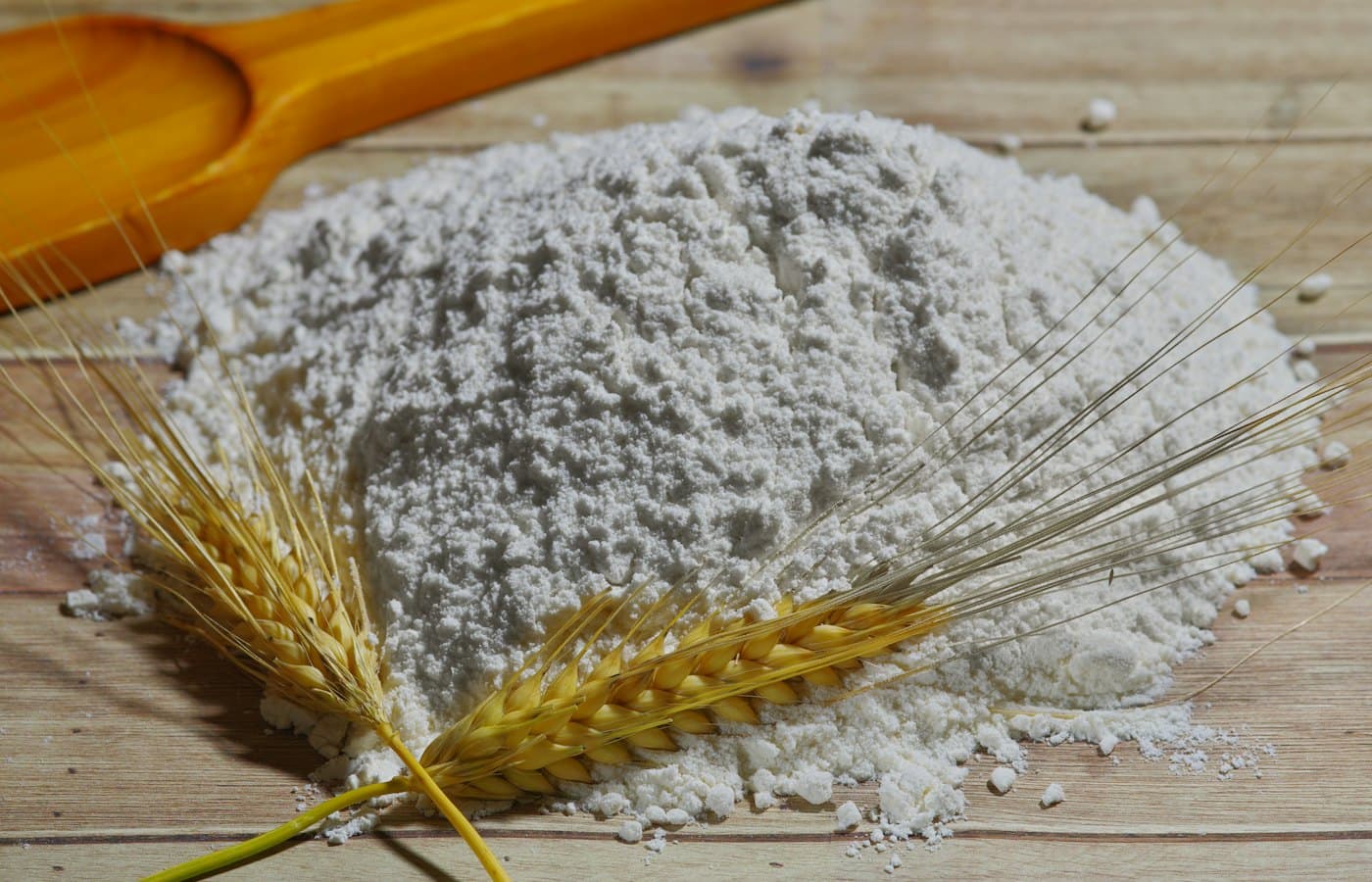 4 picksOrganic Flour & BakingCertified organic flours for bread, cookies and everyday baking, and how to read the bag.
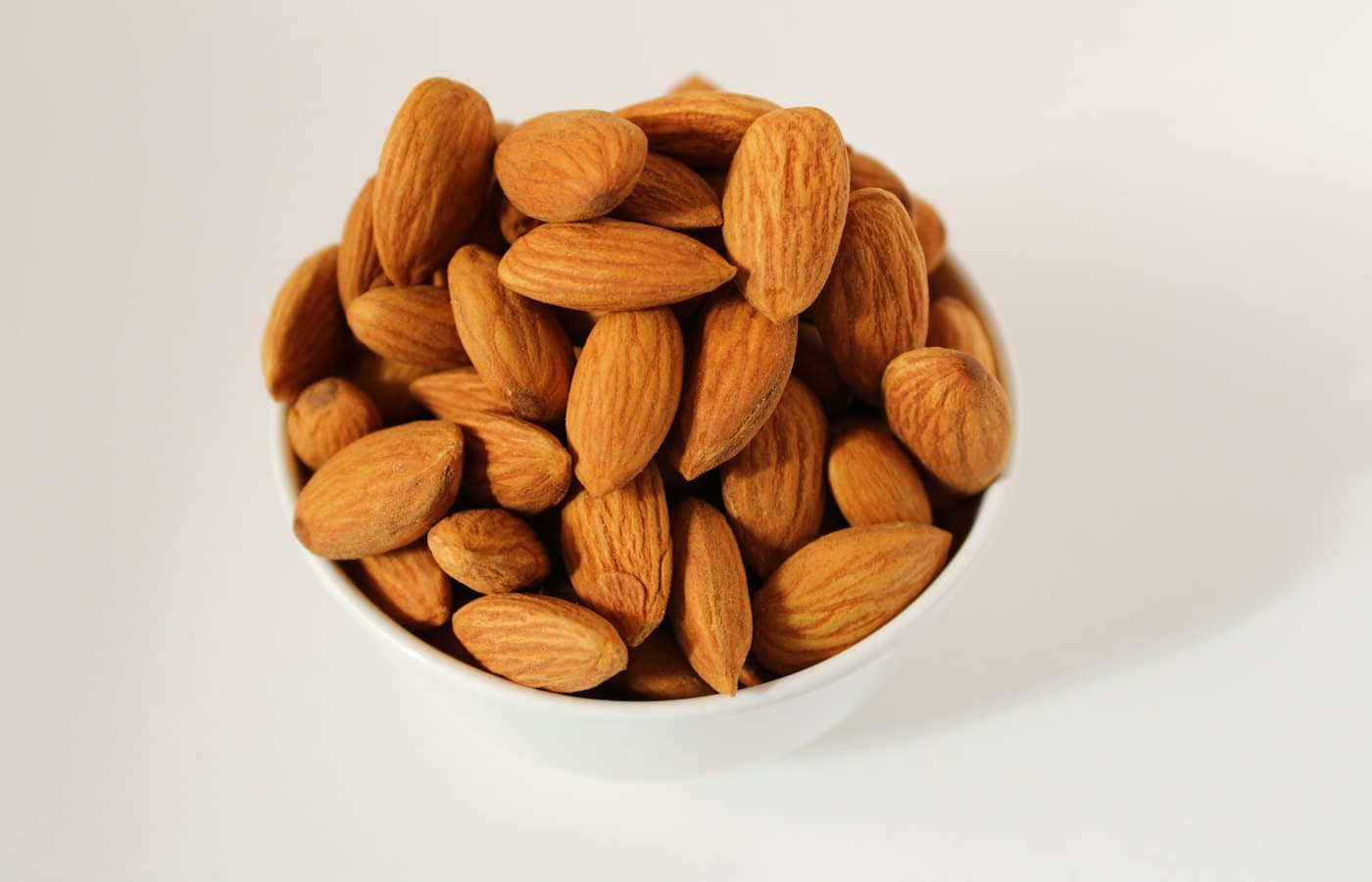 4 picksOrganic Nut Butters & SpreadsCertified organic peanut and almond butters, and what the jar's label does and does not promise.
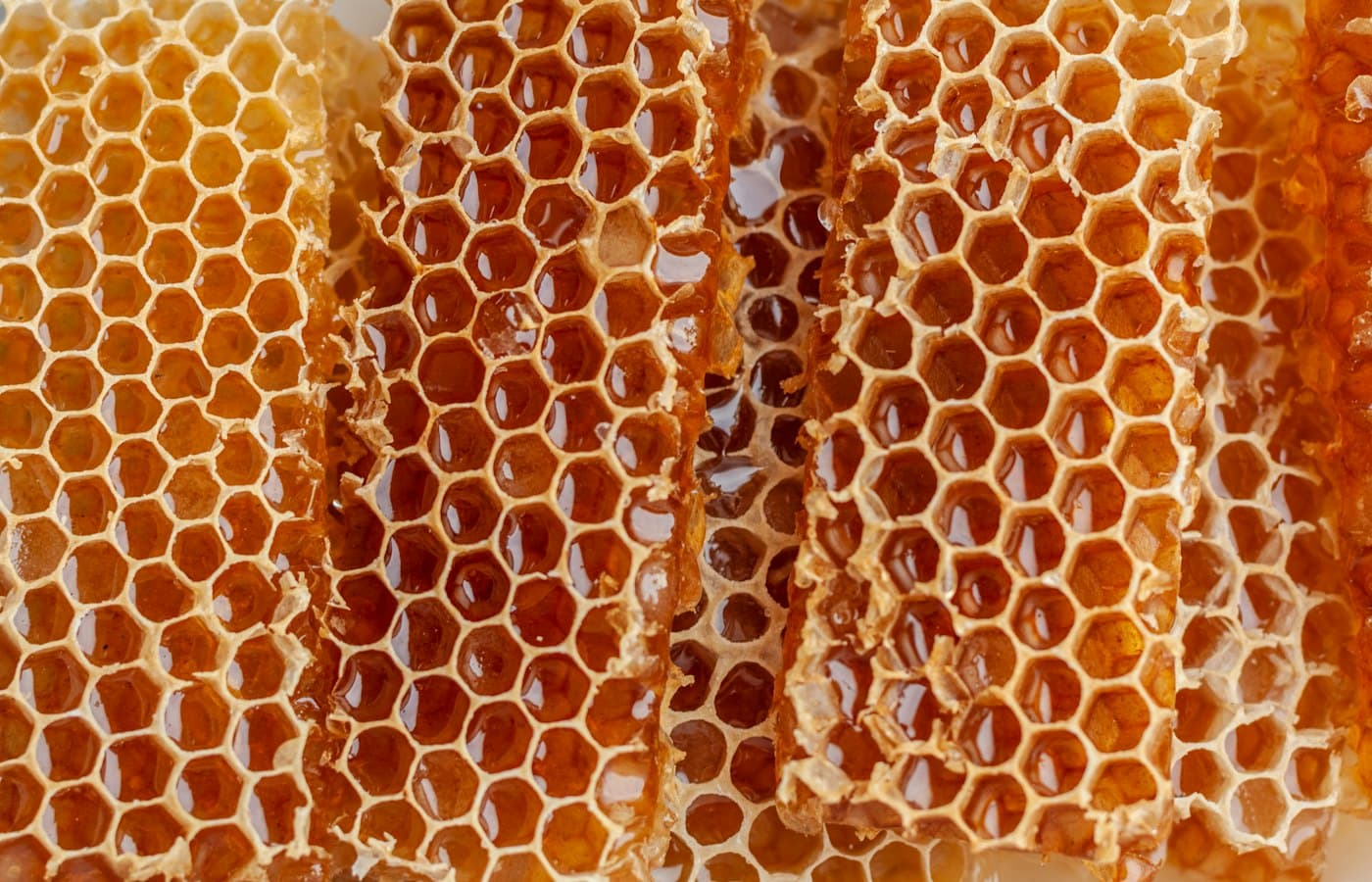 4 picksOrganic SweetenersCertified organic cane sugar, maple syrup, coconut sugar and honey, and what the seal covers.
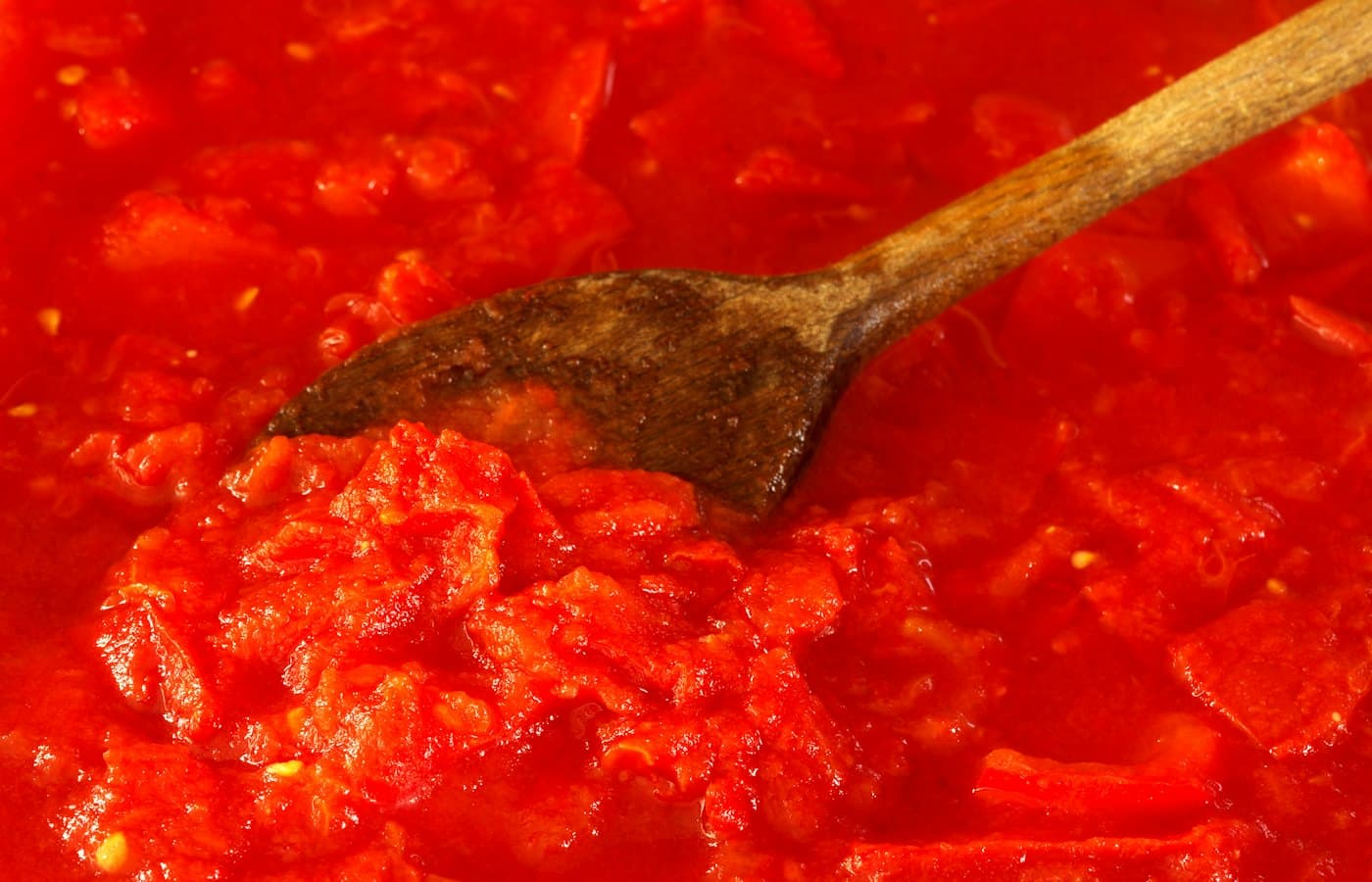 4 picksOrganic Canned Beans, Tomatoes & BrothCertified organic canned beans, tomatoes and broth, with what each brand says about its can lining.
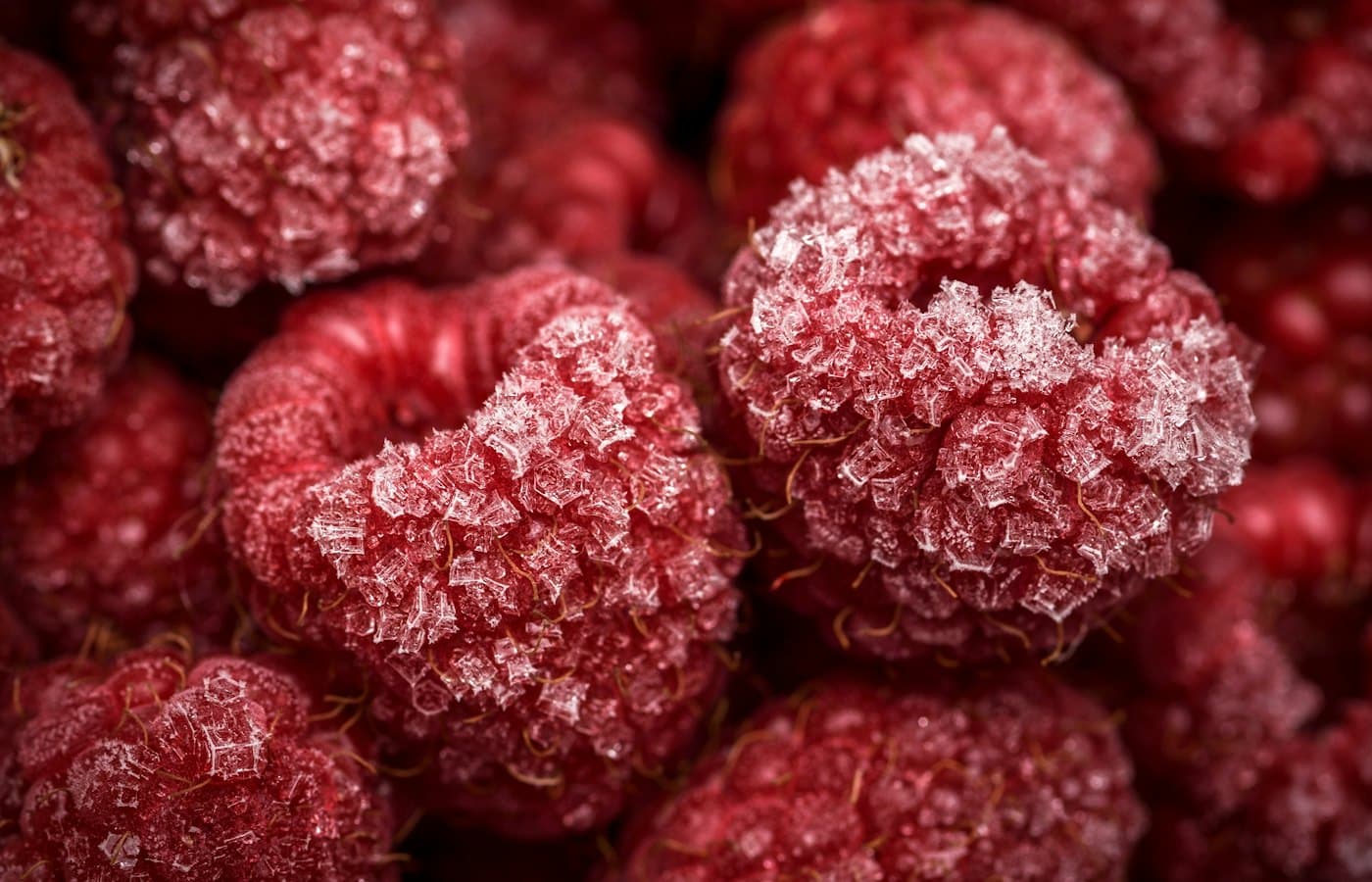 4 picksOrganic Frozen FoodsCertified organic frozen vegetables, fruit, meals and ice cream, and how to read a freezer-aisle label.
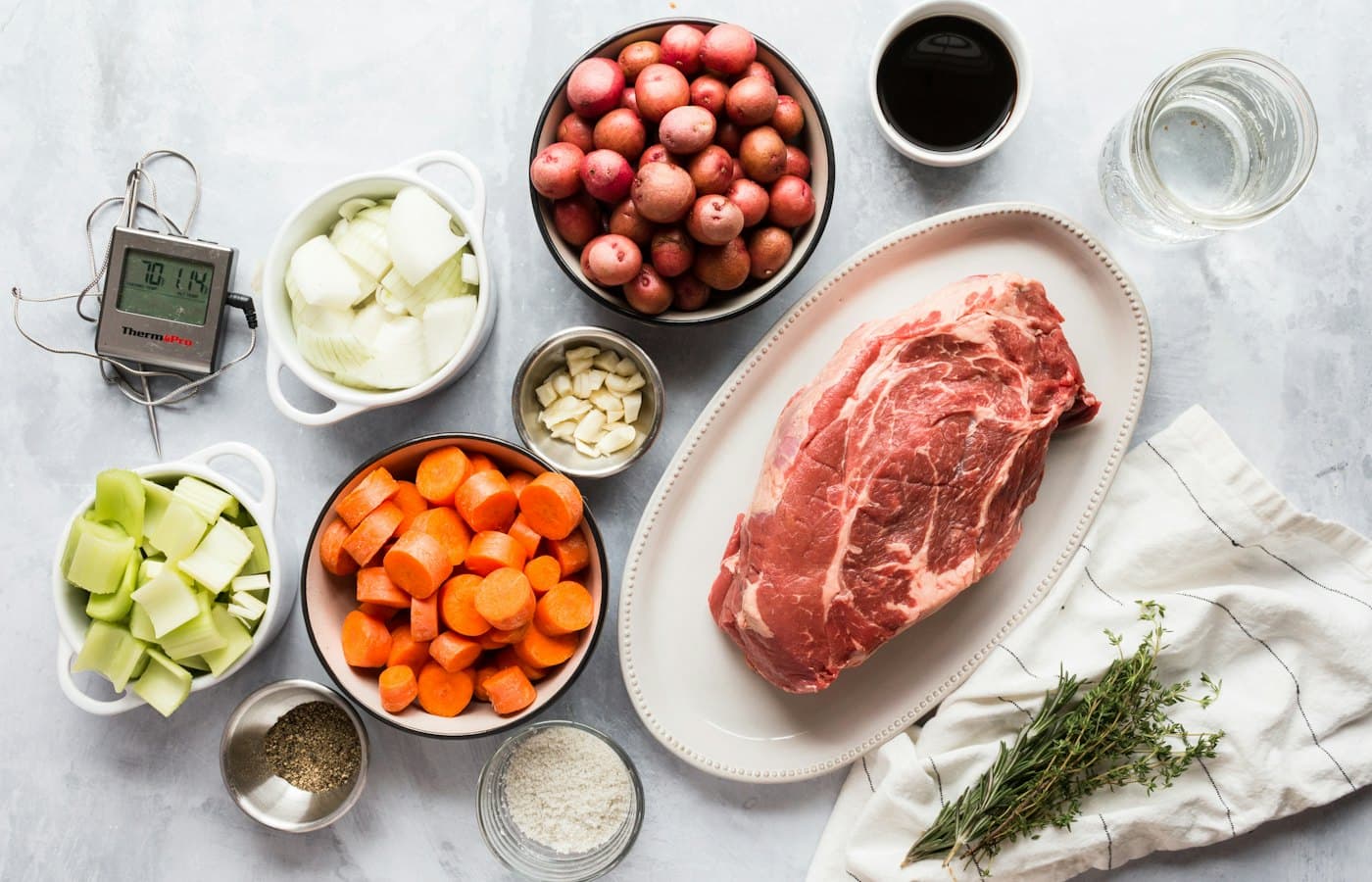 3 picksOrganic Meal KitsWhich meal kit and meal delivery services hold organic certification, and which only use some organic ingredients.
Related guides
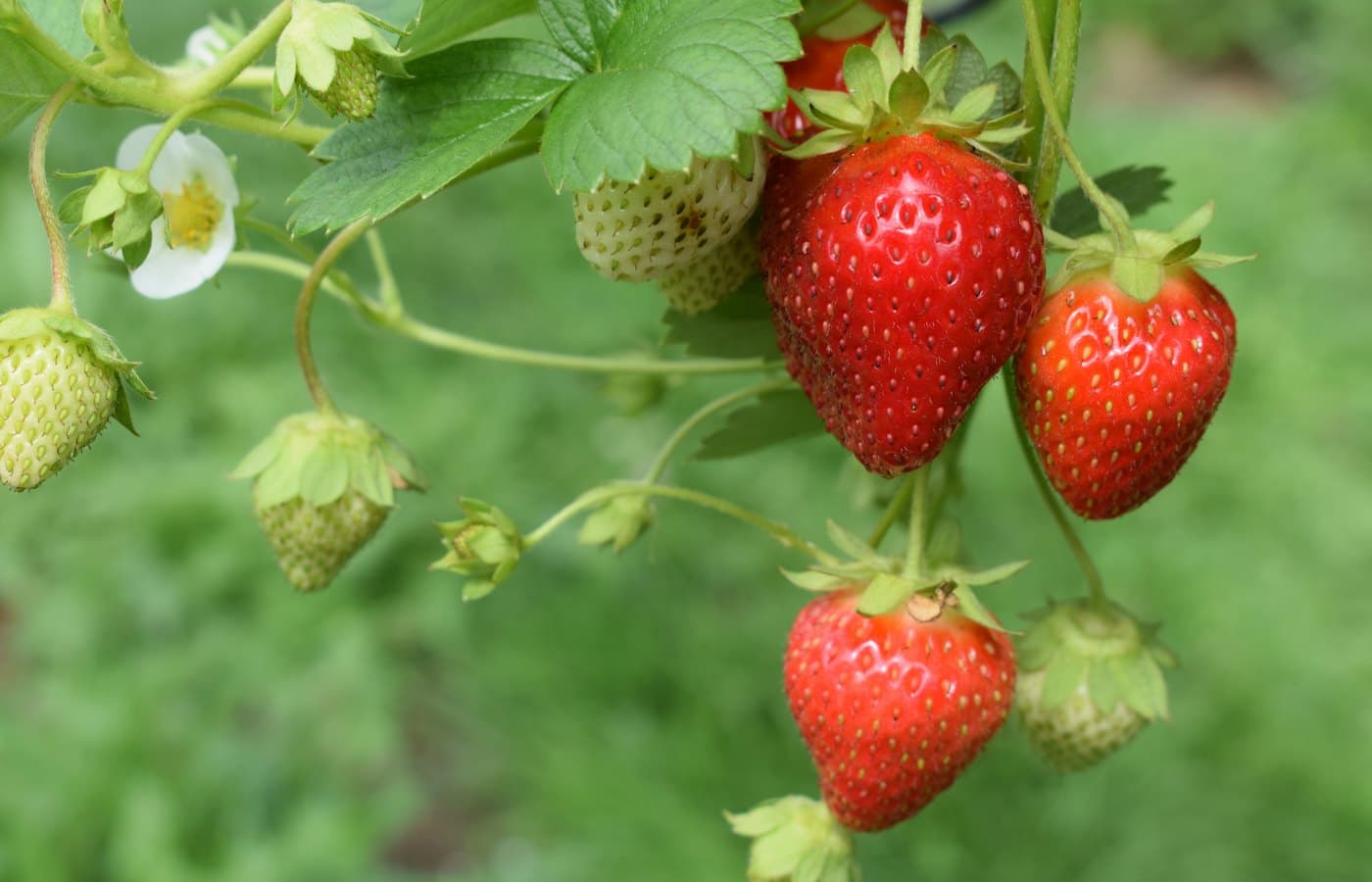 Dirty Dozen and Clean Fifteen (2026)The 2026 EWG lists in full, what USDA and EPA say about the same data, the main criticism, and how to use them.
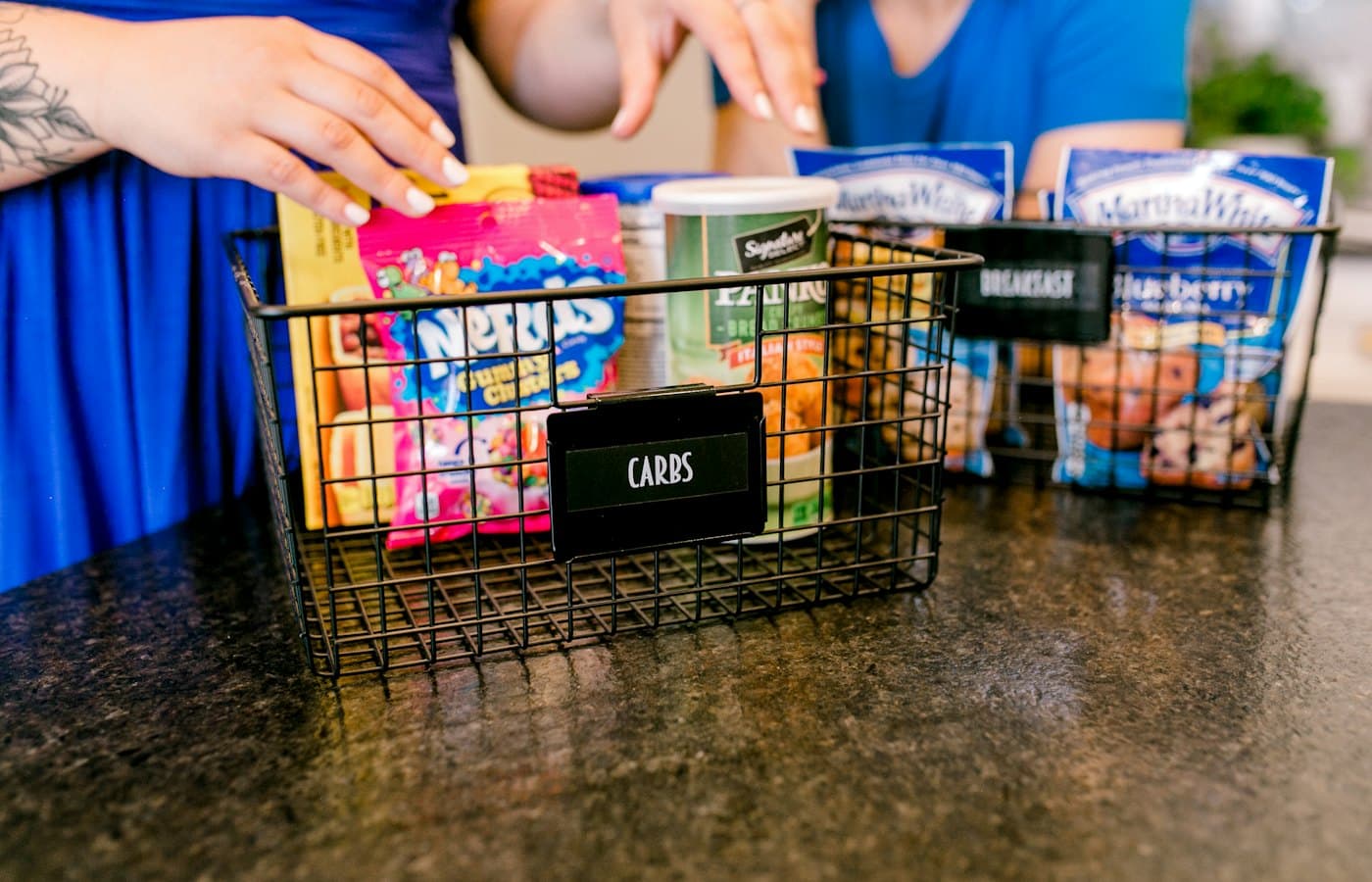 How to read a USDA Organic labelThe four USDA organic label tiers, which ones may carry the seal, and where the certifier's name is printed.
 Is organic food healthier?What the research shows about pesticide residues and nutrients in organic food, and what it has not shown about health.
Questions people ask
What does the USDA Organic seal mean on food?
It means a USDA-accredited certifier has verified that the product meets the federal organic regulations and that at least 95 percent of its ingredients, not counting salt and water, are certified organic. Products labeled 100 percent organic may also use the seal. Products labeled "made with organic" ingredients need at least 70 percent organic content and may not display the seal anywhere on the package.
Is natural the same as organic?
No. On meat and poultry, the USDA Food Safety and Inspection Service defines natural as a product with no artificial ingredient or added color that is only minimally processed. That definition is about what happens after slaughter. It says nothing about feed, antibiotics, pasture or outdoor access. Organic is a certified farming and handling standard with an inspector behind it.
Can a small farm sell organic food without certification?
Sometimes. USDA rules exempt producers who sell less than a set small amount of organic products a year from certification, although they still have to follow the organic production rules and keep records. Their products cannot display the USDA Organic seal and cannot be used as organic ingredients in another company's processed product. At a farm stand, ask which of the two the grower is.
How can I check that a brand is really certified organic?
Look on the package for the line that starts "Certified organic by" and names the certifier. That statement is required on packaged products sold as organic. You can then search the company name in the USDA Organic Integrity Database, a public list of certified operations that shows each one's certifier, status and the products it is certified for.
Sources
Each page was opened and read on October 11, 2026.
- USDA Agricultural Marketing Service: Labeling Organic Products
- USDA Agricultural Marketing Service: Organic Standards
- USDA Food Safety and Inspection Service: Meat and Poultry Labeling Terms
- eCFR: 7 CFR 205.303, Packaged products labeled "100 percent organic" or "organic"
- USDA Agricultural Marketing Service: Organic Integrity Database