Home & Garden
Organic Home & Kitchen
In this department only the textiles can be organic. Towels, curtains and cotton rugs can be certified to GOTS. Furniture, cookware, candles and food storage cannot be certified organic at all, so we judge them on materials, on GREENGUARD Gold and FSC where they apply, and on what the maker discloses in writing.
Organic is a word about farming. Cotton, flax and wool are crops, so kitchen towels and linens, curtains and rugs can carry GOTS, the standard that follows organic fiber through every processing stage to the finished textile. For those pages we accept GOTS stated on the brand's own product page, and we say when a certification covers only the fabric and not the lining or backing.
Everything else here is manufactured, not grown. A sofa, a skillet, a candle and a glass jar have no organic standard to meet, and "non-toxic" has no legal definition for any of them. So the sofas and furniture page looks at GREENGUARD Gold for chemical emissions and FSC for wood, and explains the two federal rules that apply to every piece: EPA formaldehyde limits for composite wood and the CPSC flammability standard for upholstery.
For cookware, candles and food storage, most picks carry no certification, and each entry says so. They are listed by material and by disclosed ingredients, with the relevant FDA, EPA and CPSC pages cited. We have not tested any product. We read the label, the maker's page and the rule.
Categories
 3 picksOrganic Kitchen Towels & LinensKitchen towels and cloths checked for GOTS or OEKO-TEX Standard 100 on the brand's own product page.
 4 picksOrganic & Natural Fiber RugsCotton and wool rugs checked for GOTS or OEKO-TEX Standard 100, plus what to ask about backing and treatments.
 4 picksOrganic CurtainsWindow and shower curtains checked for GOTS or OEKO-TEX Standard 100, with lining and cord safety notes.
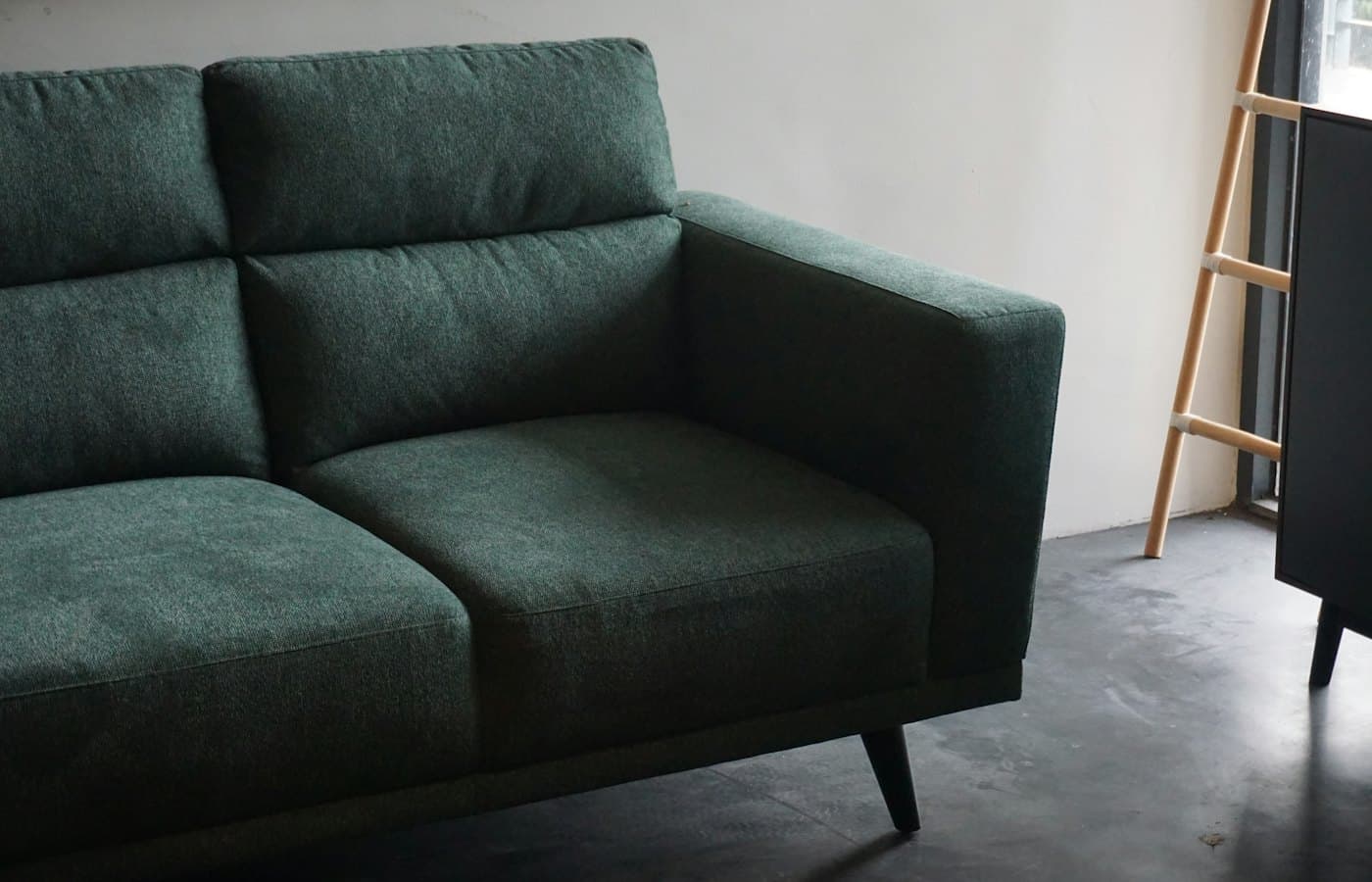 5 picksNon-Toxic Sofas & FurnitureSofas and bed frames checked for GREENGUARD Gold, FSC wood and stated materials, with the formaldehyde and fire rules.
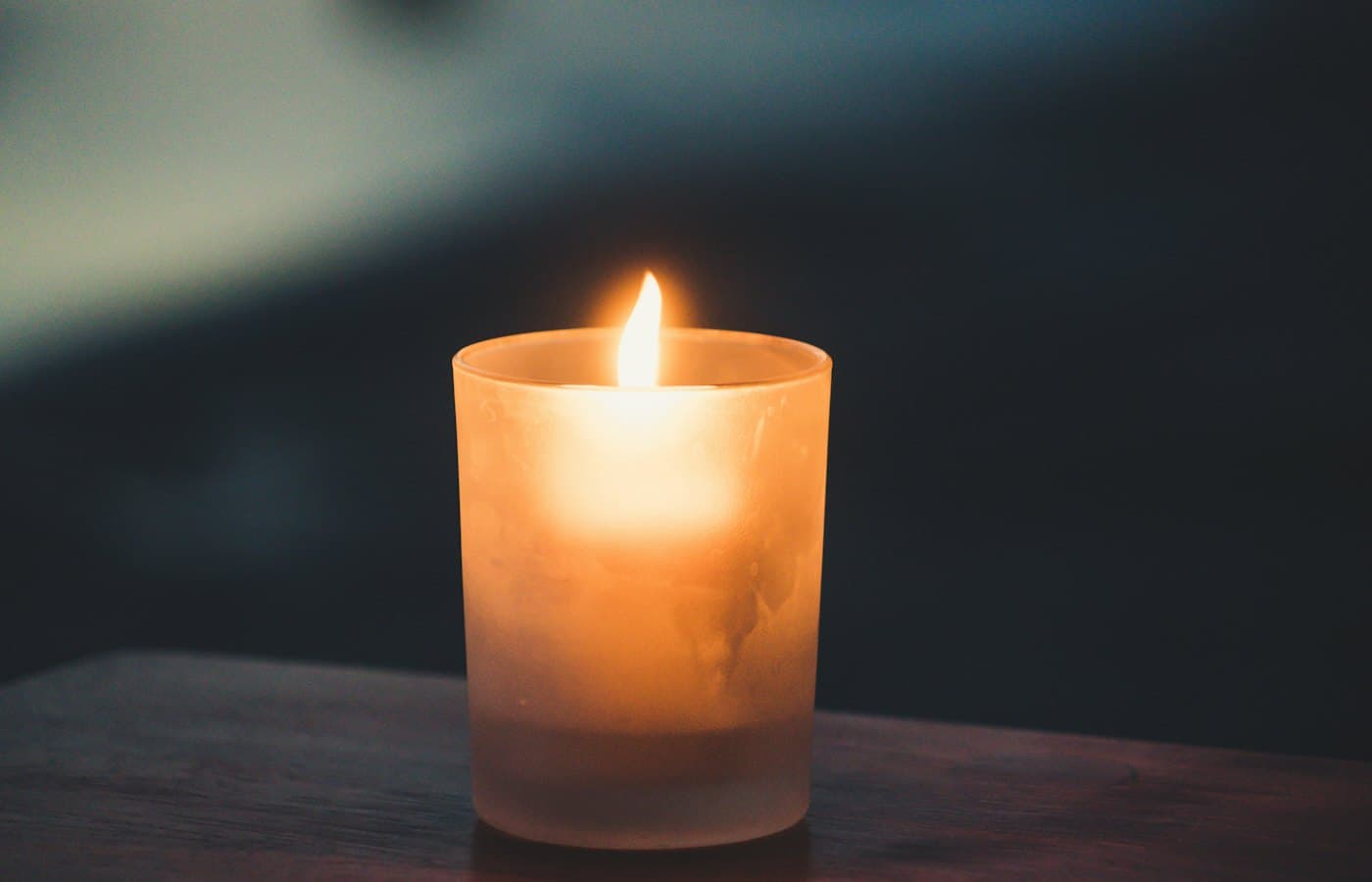 4 picksNon-Toxic CandlesBeeswax, soy and coconut candles listed by the wax, wick and scent each maker discloses, with the fire rules.
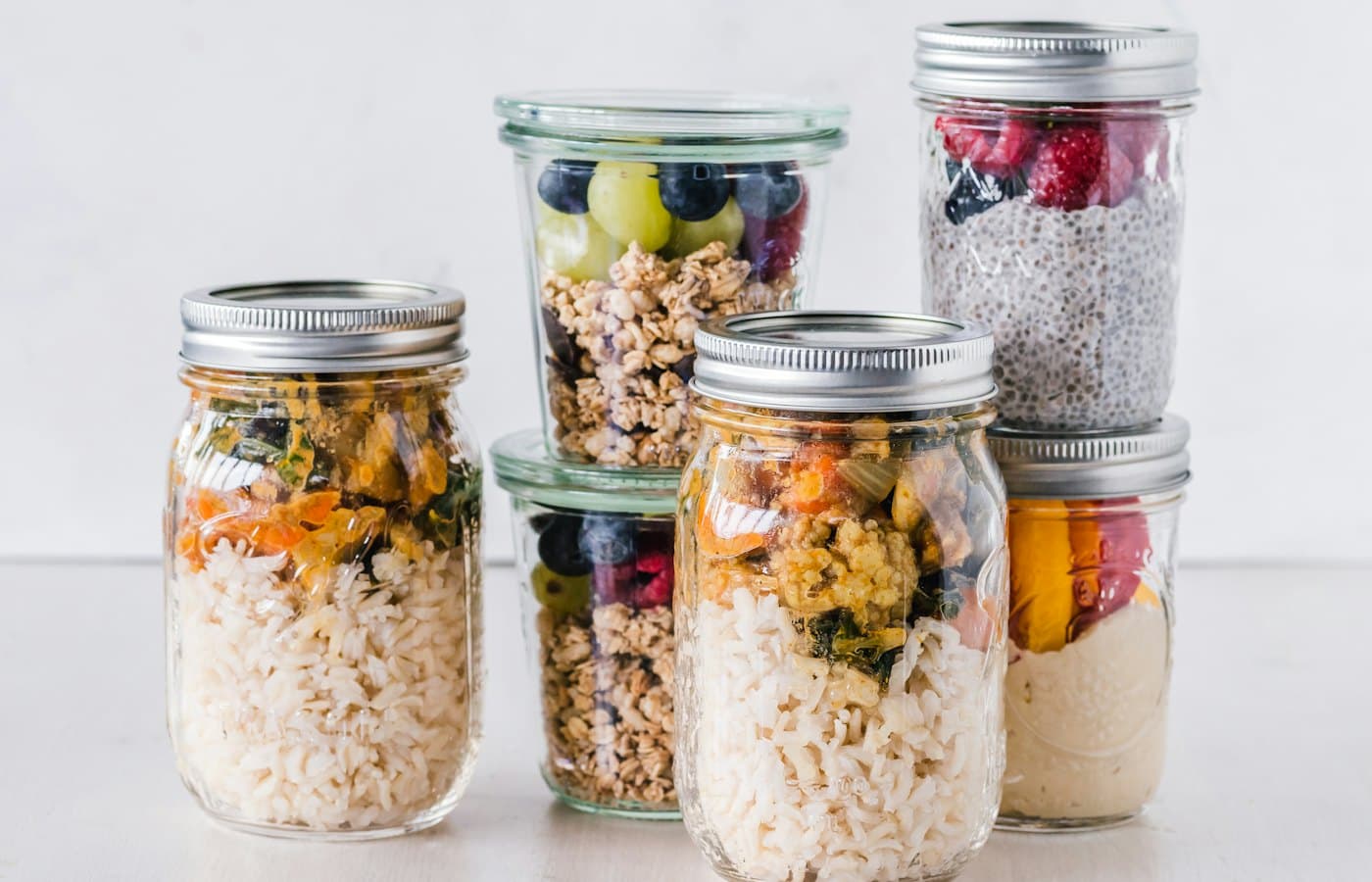 4 picksPlastic-Free Food StorageGlass jars, stainless steel boxes and beeswax wraps, listed by material, with what the FDA and NIH say about BPA.
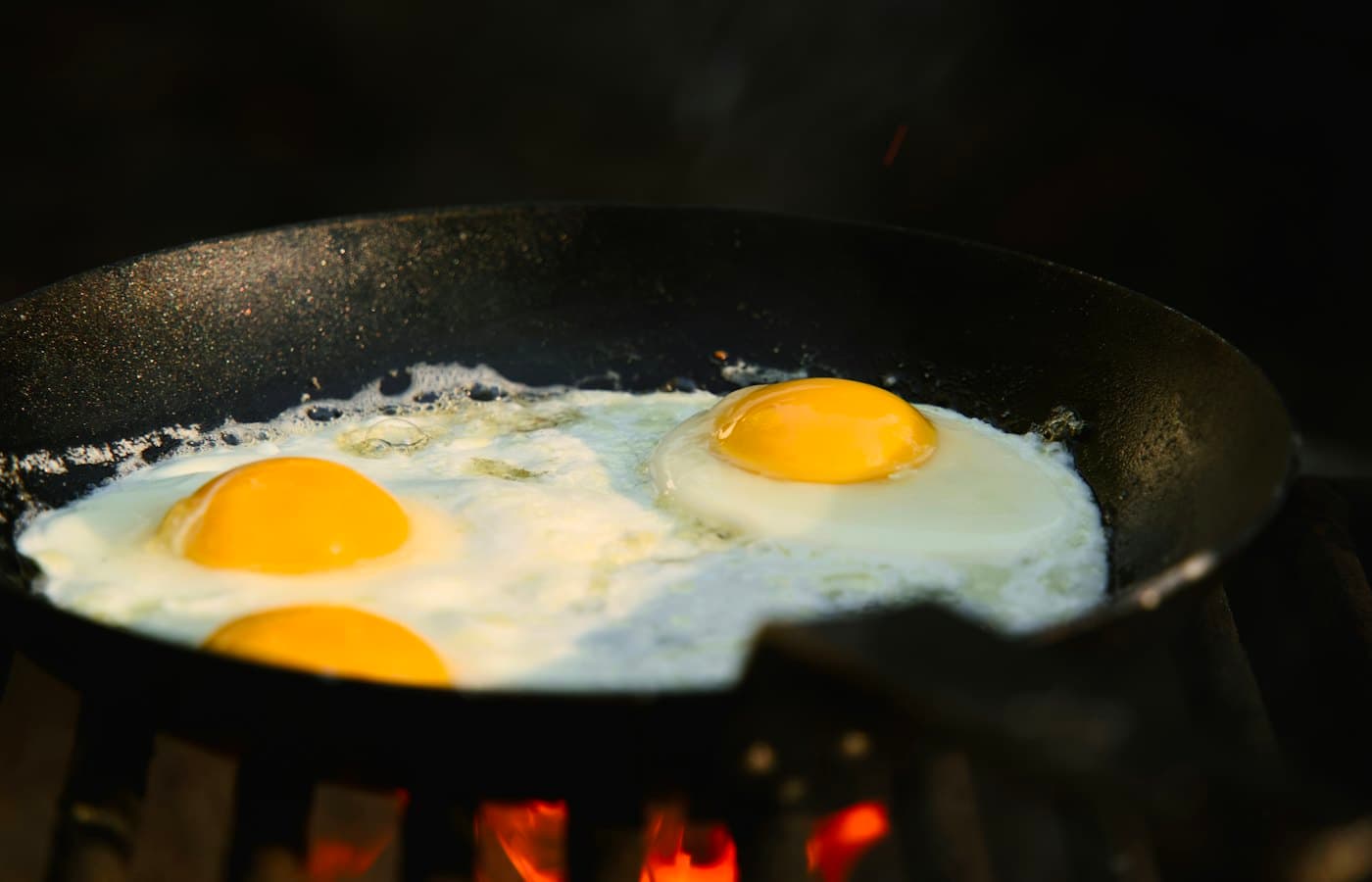 5 picksNon-Toxic CookwareCast iron, carbon steel, stainless steel and enameled iron, plus what the FDA and EPA say about nonstick coatings.
Related guides
Questions people ask
Which home products can actually be certified organic?
Textiles made from farmed fiber. Cotton, linen and wool products such as towels, curtains and some rugs can be certified to GOTS, which requires at least 70% certified organic fibers and certification of every processing stage. Furniture, cookware, candles and food containers are manufactured goods, so no organic certification applies to the finished product, only sometimes to a component.
What does GREENGUARD Gold mean on furniture?
It is a limit on chemical emissions from the finished product. UL, which runs the program, says GREENGUARD Gold sets lower emission limits than standard GREENGUARD and covers more than 360 volatile organic compounds plus total chemical emissions. It does not tell you what the furniture is made of, and it is not an organic or a wood-sourcing certification.
Does the FDA say nonstick cookware is unsafe?
No. The FDA says certain PFAS are authorized for nonstick coatings on pots and pans, and that studies show negligible amounts of PFAS in this coating can migrate to food. The EPA separately says exposure to some PFAS may be linked to harmful health effects. Our cookware page lists pans by material and does not call any coating proven safer.
Why do some picks here have no certification at all?
Because nothing exists to certify them as organic. A cast iron pan, a beeswax candle and a glass jar are not farm products. For those categories we list products whose makers state the material or the full ingredient list on their own page, and every such entry carries a note saying it has no organic certification and why it is listed.
Sources
Each page was opened and read on October 11, 2026.