Baby & Family
Toys & Play
A toy cannot be certified organic. Parts of one can be: the cotton fabric and stuffing of a doll can be certified to GOTS, and the wood in a block set can come from an FSC-certified forest. Everything else is judged on named materials and on the safety rules that apply to every toy sold in the US.
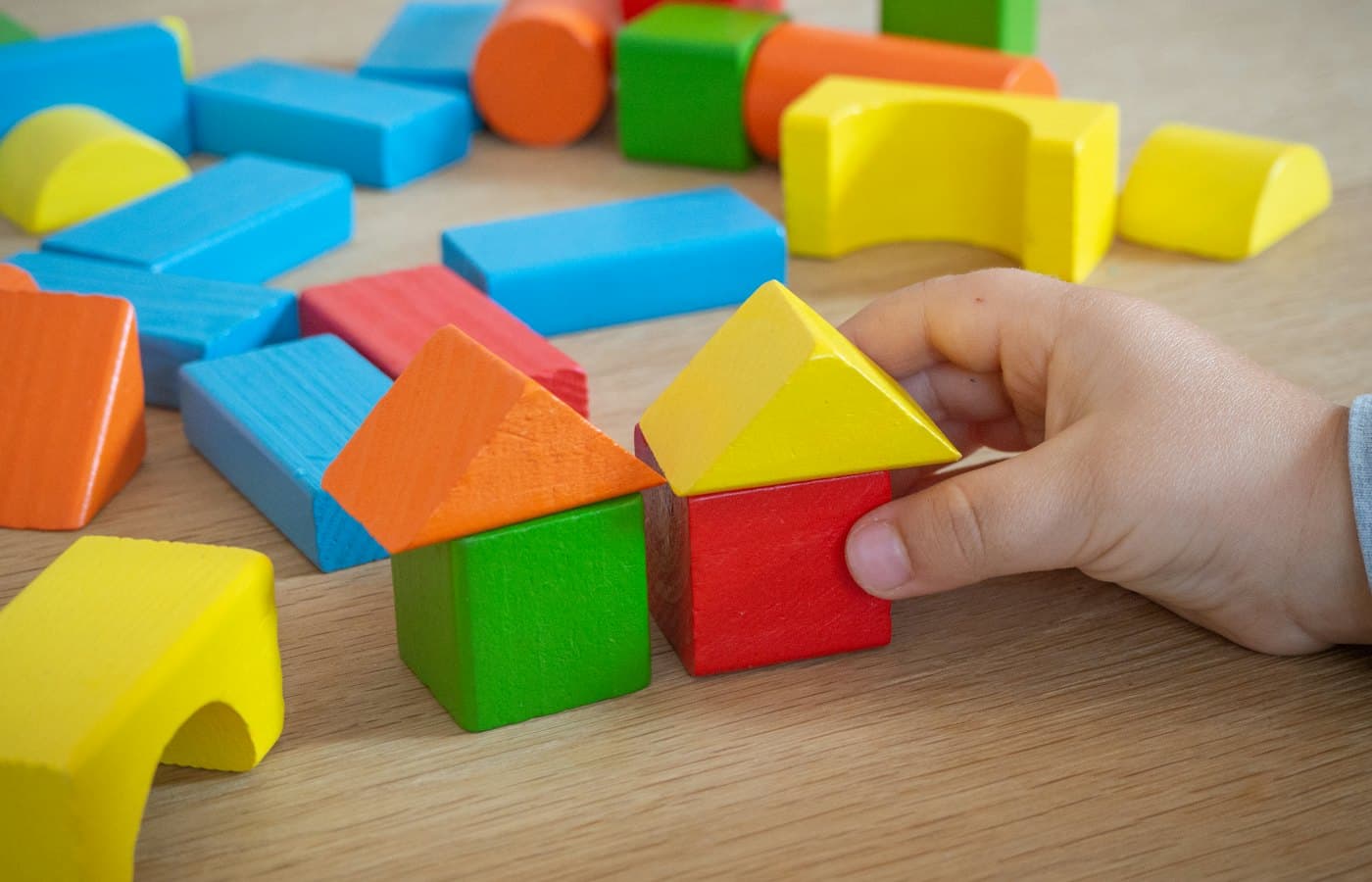
"Organic" is a regulated word for farm products and for textiles made from them. It does not reach rubber, wood, paint, wax or plastic. So in this department we do something a little different: for each kind of toy, we say which part can carry a real certification and which part cannot. On stuffed animals and dolls, that means GOTS for the fabric and a plain statement of what the stuffing is. On wooden toys, it means FSC for the wood and the finish named.
Many picks here carry no certification at all, because none exists for them. A natural rubber duck, a beeswax crayon and an unfinished maple teether are listed for a single named material and a maker that discloses its testing. Each of those picks has a caveat that says so in plain words. We have not handled or tested any of them. We read the product pages and the certifications.
Safety is the part that is not optional. The CPSC says ASTM F963 is a mandatory standard for children's toys, small parts are banned in products for children under 3, and toys for children 12 and under need third-party testing. Those rules apply whether a toy is wood, cotton or plastic. The teethers page also carries the FDA's warning about teething necklaces, amber ones included.
Categories
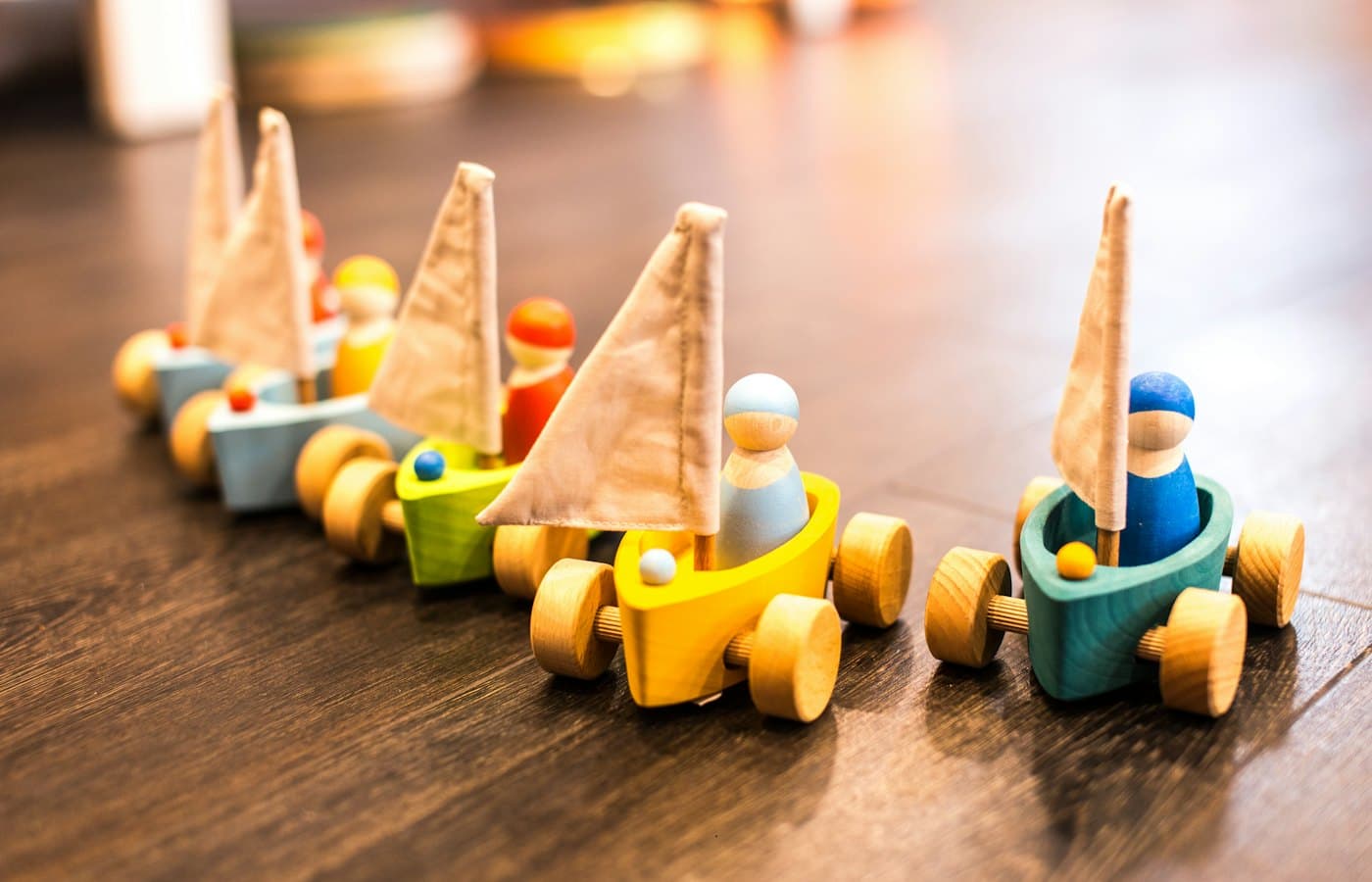 4 picksWooden ToysWood cannot be certified organic. What to check instead: FSC, the finish, and the safety testing.
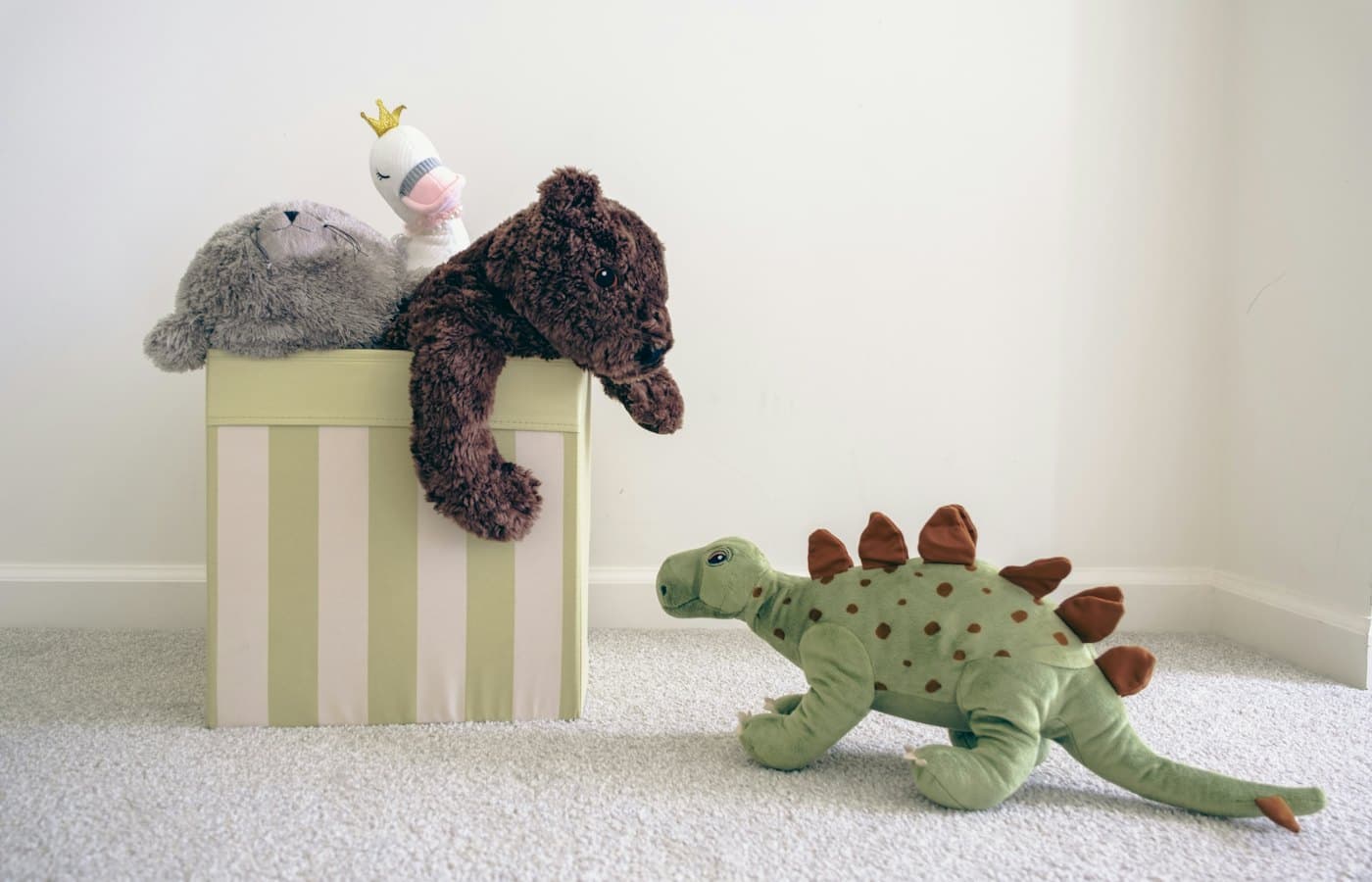 4 picksOrganic Stuffed Animals & DollsOrganic on a plush toy usually means the fabric. Check the stuffing, the certifier and the age grade.
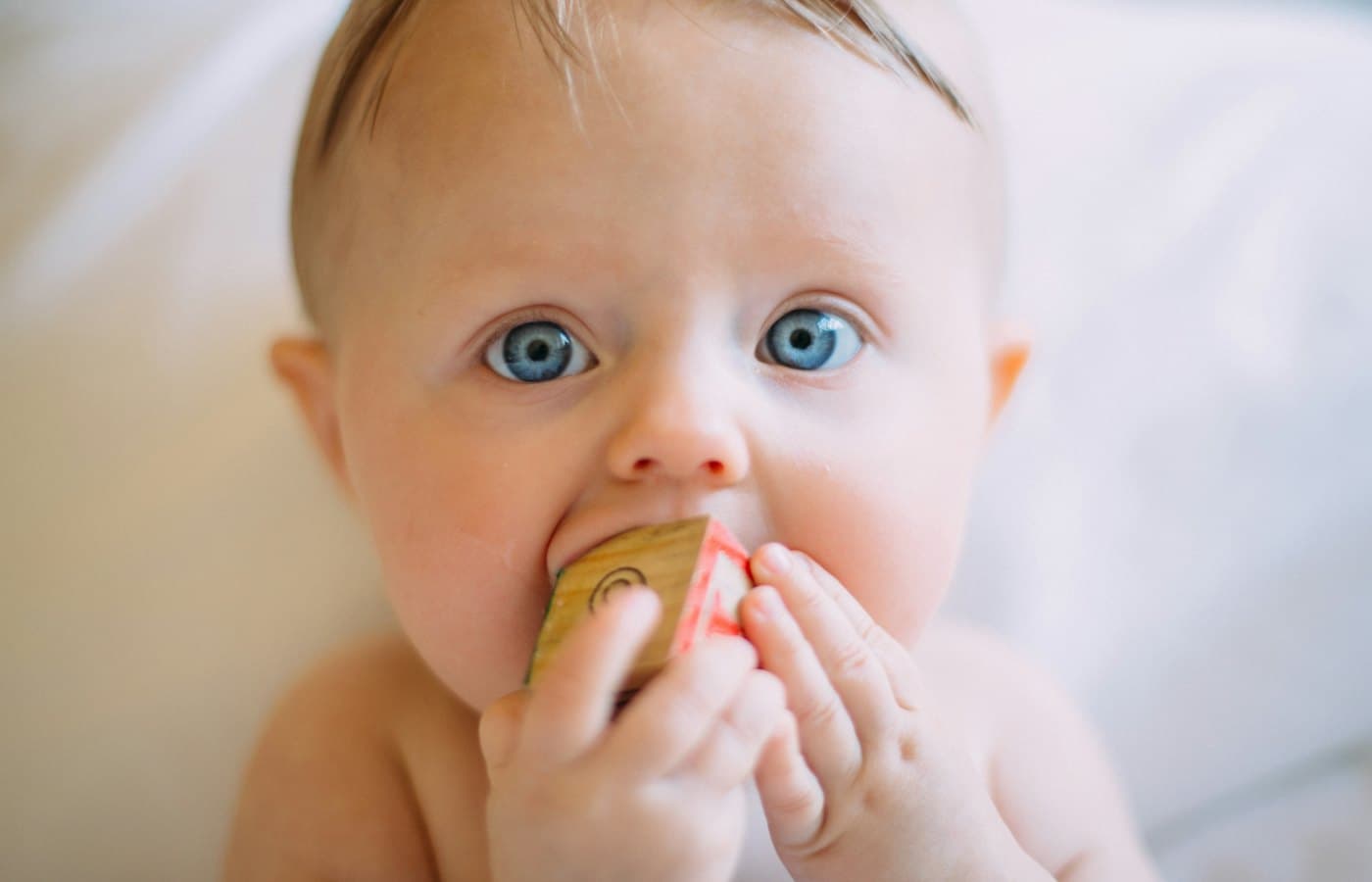 4 picksNatural TeethersRubber, wood and cotton teethers: what the material claims mean, and the FDA warning on teething jewelry.
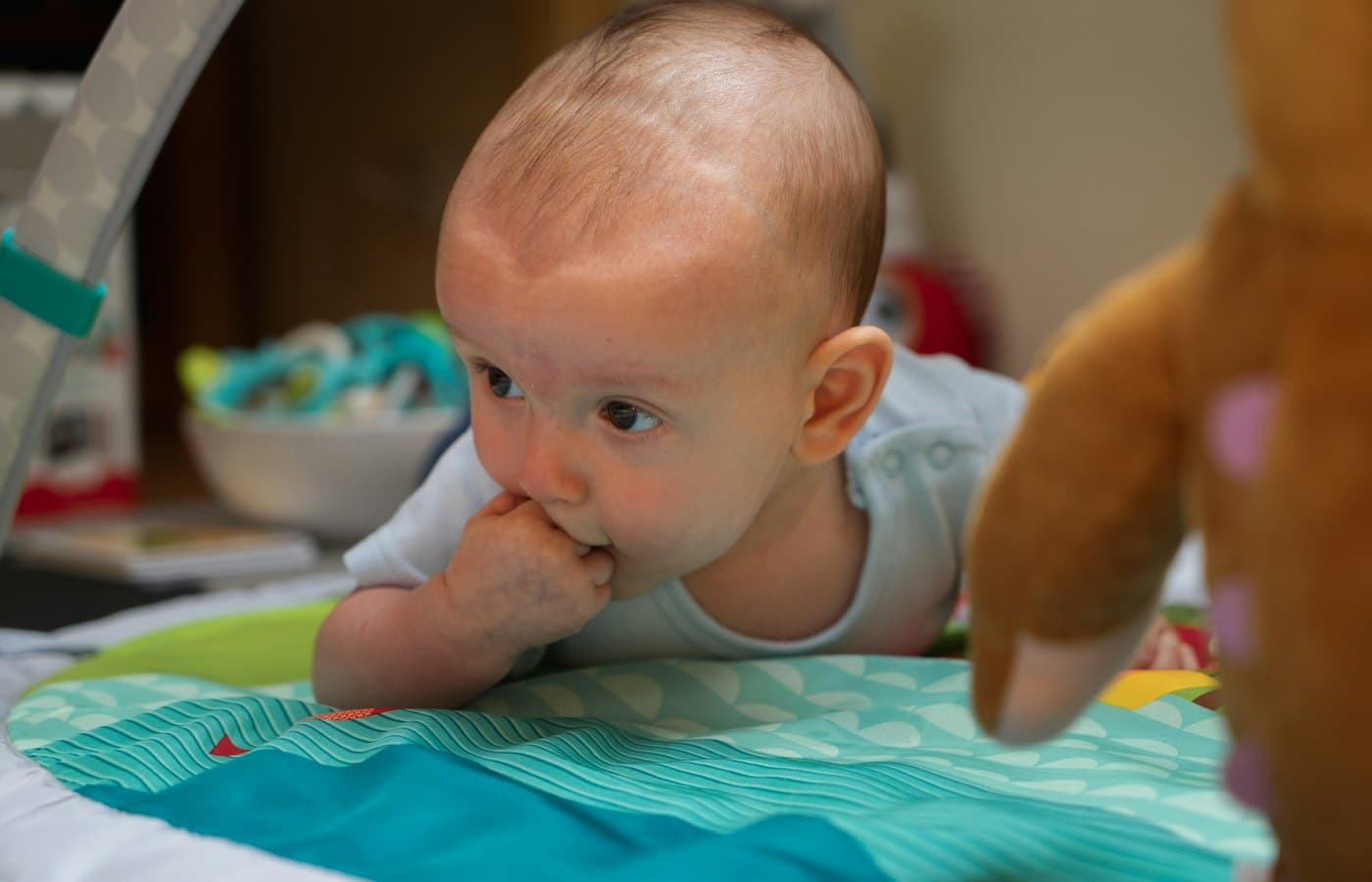 3 picksOrganic & Non-Toxic Play MatsA play mat is a cover plus a filling. See which part is certified, and by which label.
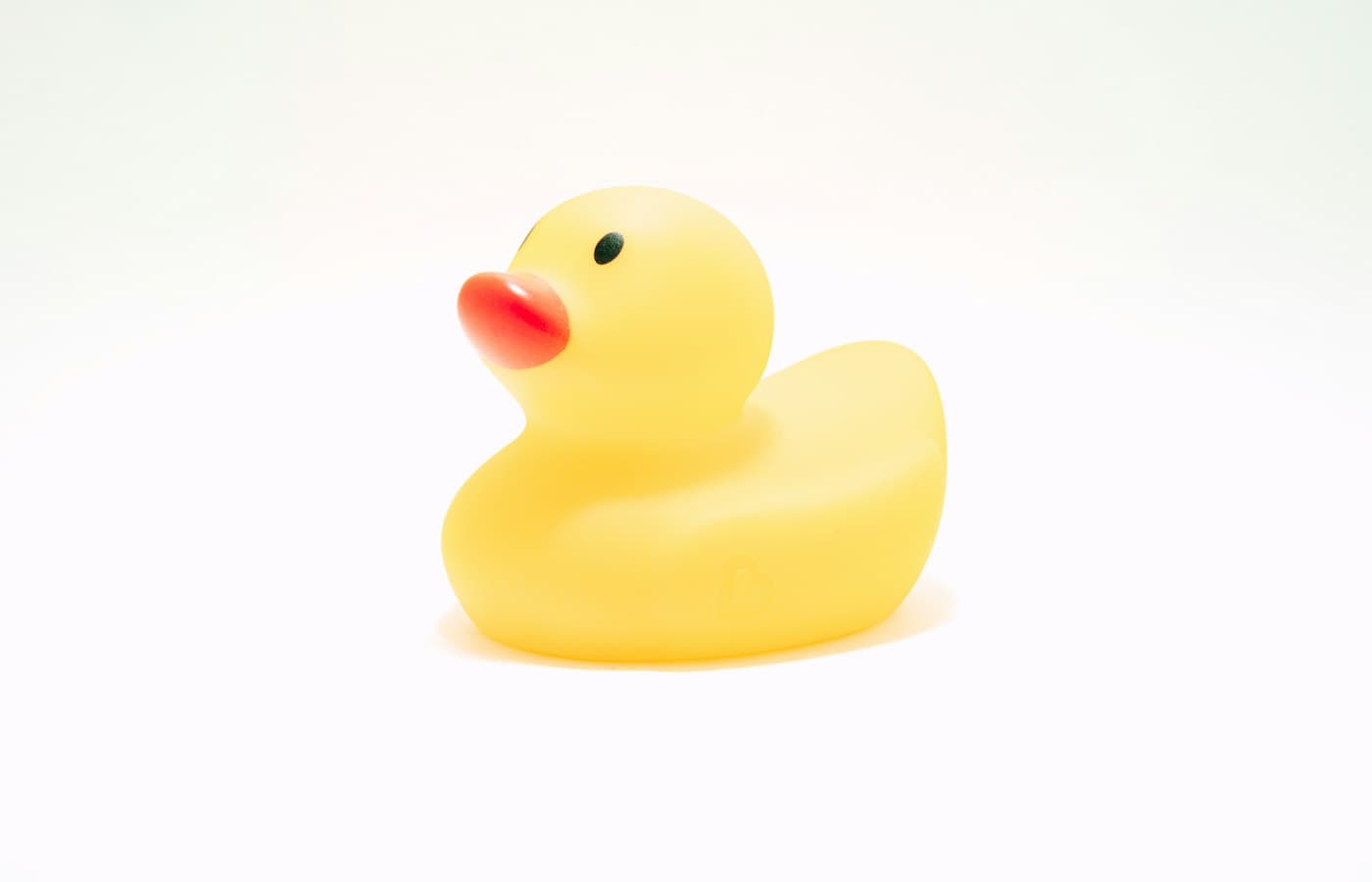 4 picksNatural Bath ToysBath toys cannot be organic. Choose by material, whether water gets inside, and how they dry.
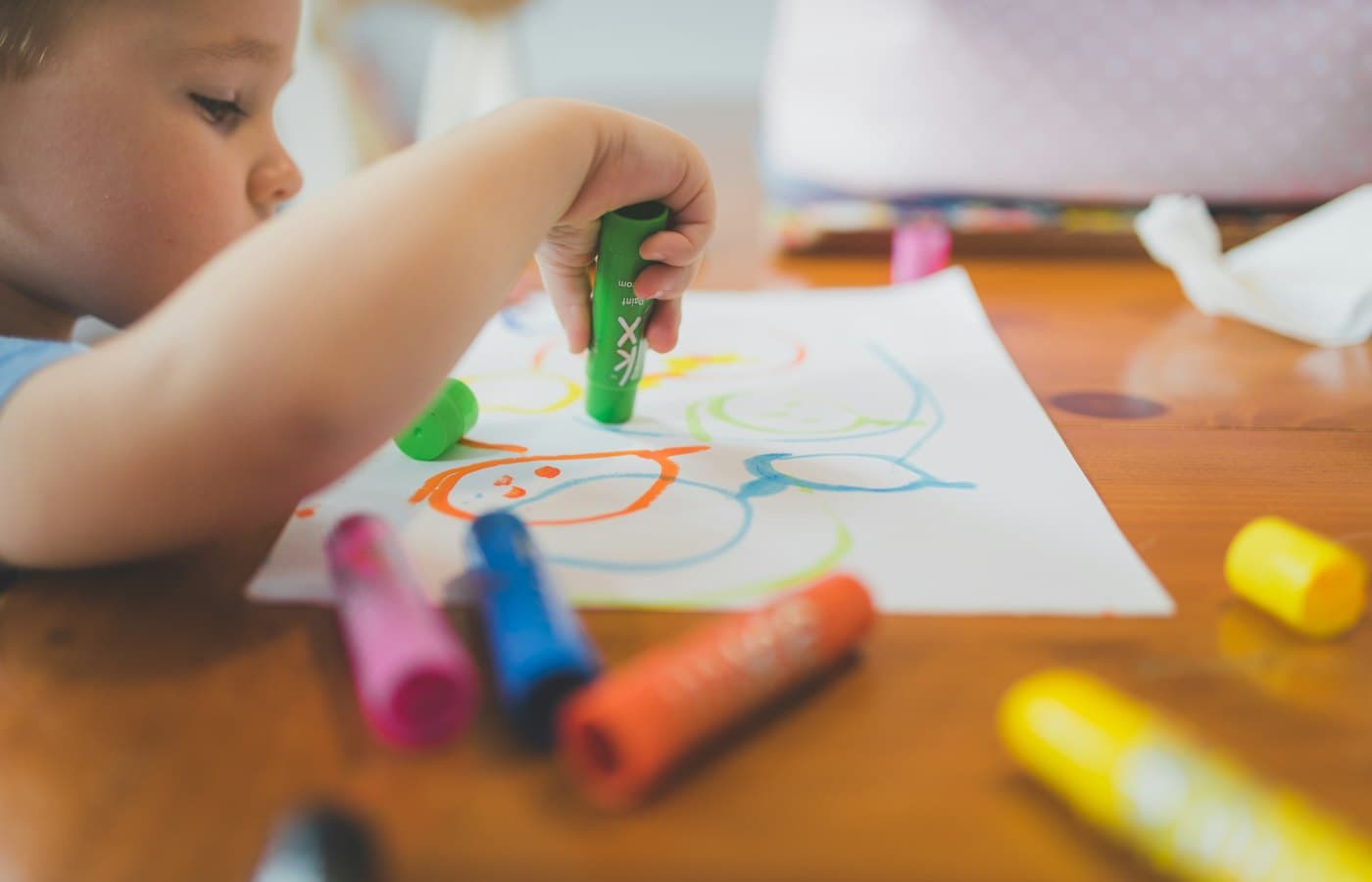 3 picksNon-Toxic Art Supplies & Play DoughWhat "non-toxic" legally means on crayons, paint and play dough, and how to read the label.
Questions people ask
Can a toy be certified organic?
No finished toy carries an organic certification. Textile parts can: cotton fabric, yarn and some stuffing can be certified to GOTS, which requires at least 95 percent certified organic fibers for its "organic" label grade. Wood can come from FSC-certified forests, which is a forestry label, not an organic one. Rubber, silicone, paint and plastic have no organic route.
Are natural toys safer than plastic toys?
Material alone does not decide that. Every toy sold in the United States for children 12 and under has to meet the same mandatory standard, ASTM F963, and the same small parts rules for children under 3. A wooden toy can have loose pegs and a fabric toy can have button eyes. Check the age grade and construction first, then the material.
What safety labels should every toy have?
Look for an age grade and, where it applies, a small parts warning. The maker or importer of a children's toy must be able to back it with a Children's Product Certificate based on third-party testing, and children's products must carry tracking information on the product and its packaging, according to the CPSC. Art materials should also carry an ASTM D-4236 conformance statement.
Why do some picks in this department have no certification?
Because nothing can certify them as organic, and we would rather say so than stretch a label. Those picks are listed for a named material, such as natural rubber or unfinished maple, and for a maker that discloses its finish and testing. Each one carries a caveat that states it has no organic certification. Our how we choose page explains the rule.
Sources
Each page was opened and read on October 11, 2026.