Toys & Play
Natural Teethers: Rubber, Wood and Cotton
A teether cannot be certified organic. Choose by material and construction: a one-piece teether of firm rubber or solid wood, sized for a baby's hand, from a maker that names what it is made of. Skip teething necklaces and bracelets entirely. The FDA has reports of strangulation and choking linked to them, amber ones included.
What organic means here
No organic seal applies to a rubber or wooden teether. This page lists teethers for a single named material, one-piece construction and a maker that discloses its finish or pigments. A fabric teether can carry GOTS for the cotton. Teething jewelry of any material is excluded, following FDA and AAP advice.
Look for
- One named material: natural rubber, maple, beech, organic cotton
- One-piece construction with no joints, holes or liquid inside
- The finish or pigment named, or stated as none
- Cleaning instructions from the maker
Be wary of
- Amber, wood, marble or silicone teething necklaces and bracelets
- Liquid-filled teethers, which the AAP warns can tear or leak
- "Organic teether" with no explanation of what is certified
- Teething gels or tablets sold alongside teethers
Products that carry the certification
We have not tested these products. Each one was checked against the brand’s own page and the certifier’s records. Product links may be affiliate links: if you buy through one we may earn a commission, at no extra cost to you. How we choose.
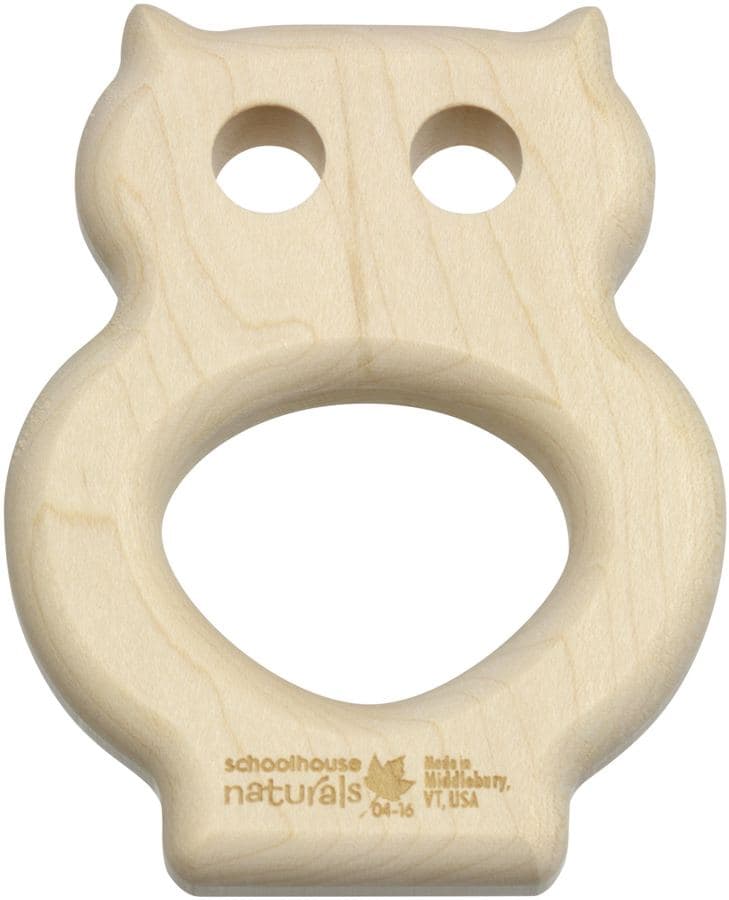
Photo: Maple Landmark press kit 1Maple LandmarkUnfinished woodSchoolhouse Naturals Teethers
Flat wooden teethers in simple shapes, part of the maker's Schoolhouse Naturals line. Maple Landmark says that line carries no finish at all and is designed for children under 3, and its safety page describes its third-party lead testing.
Good to know: No organic or forest certification. Listed because the wood is bare and the maker publishes which finish goes on which product. Check any wooden teether for cracks before each use.
Checked against: maplelandmark.com · maplelandmark.com
View at brand sitemaplelandmark.com
- 2HEVEAOne-piece natural rubber ring
Kawan Teether Rings
- Certified B Corporation
A pair of textured ring teethers. The product page says they are made of natural rubber from the Hevea brasiliensis tree in a one-piece design without joints or openings, and gives washing instructions. HEVEA's certifications page says the company has been B Corp certified since 2022.
Good to know: B Corp is a company-level certification, not a test of the teether. Nothing here is certified organic. Natural rubber is latex, so ask your pediatrician first if latex allergy is a concern in your family.
Checked against: heveaplanet.com · heveaplanet.com
View at HEVEAheveaplanet.com
- 3Oli&CarolNatural rubber, no holes
Teething Ring Basic Colors Baby Teether
A ring of colored shapes that the brand says is made with natural rubber from Hevea trees, hand painted with natural dyes, and made with no holes. The product page states it is free of PVC, BPA, phthalates and nitrosamines and names Bureau Veritas as its tester.
Good to know: Carries no organic certification. It is listed for its single named material, its sealed design and the named testing lab. Natural rubber is latex.
Checked against: oliandcarol.com
View at Oli&Carololiandcarol.com
- 4Finn + EmmaHardwood with a seed wax finish
Wood Rattle Teethers
Wooden rattles shaped for teething. Finn + Emma says its wood toys are made from untreated Indian hardwood, finished with vegetable seed wax and filled with little beans to make the rattle sound.
Good to know: No certification is claimed for the wood. The rattle beans are sealed inside, so stop using the toy if the wood cracks. Listed for its disclosed wood and finish.
Checked against: finnandemma.com · finnandemma.com
View at Finn + Emmafinnandemma.com
Products with a photo are shown first; otherwise the order says nothing about quality. Certifications can lapse: check the certifier’s database before you buy.
What the FDA and pediatricians say about teething
Start with the official advice, because it decides what belongs on this page. In a consumer update current as of June 2024, the FDA says it has received reports of death and serious injuries to infants and children, including strangulation and choking, caused by teething jewelry such as amber teething necklaces.
The same update passes on the American Academy of Pediatrics' suggestions: rub your baby's gums with a clean finger, or give a teething ring made of firm rubber to chew on. The FDA adds that the ring should not be frozen, because a very hard object can hurt the gums.
Rubber, wood, cotton: how the materials compare
"Natural" is not a regulated word on a teether. It tells you something only when the maker names the material. For wood, our wooden toys page explains what FSC does and does not cover.
| Material | What to check | Can it be certified organic? |
|---|---|---|
| Natural rubber | One piece, no holes; latex allergy | No |
| Solid wood | Named wood and finish; cracks | No. FSC covers the forest only |
| Cotton fabric | GOTS for the fabric; what is inside | The textile can be |
| Silicone | Grade and testing stated by the maker | No |
The toy safety rules that apply to teethers
Teethers sit under several federal rules at once. The CPSC bans small parts in products for children under 3, which is why a teether should be one solid piece with nothing that can detach.
CPSC also limits eight phthalates to 0.1 percent in children's toys and child care articles, and its definition of a child care article includes products that help children 3 and younger with sucking or teething. Toys for young children must meet the mandatory toy standard, ASTM F963, and be covered by a Children's Product Certificate.
These rules are the floor, and they apply to every material. A wooden teether is not exempt, and a rubber one is not suspect.
Using and cleaning a teether
- Wash it the way the maker says. Wood and natural rubber do not all tolerate boiling or a dishwasher.
- Chill it in the refrigerator if you like, but do not freeze it solid.
- Look it over before each use. Retire a wooden teether that has cracked and a rubber one that has turned sticky or torn.
- Never tie a teether around a baby's neck or clip it on a long cord.
- Call your pediatrician if your baby has a fever or seems unwell. Do not assume it is teething.
Questions people ask
Are amber teething necklaces safe?
No. The FDA says it has received reports of death and serious injuries to infants and children, including strangulation and choking, from teething jewelry such as amber teething necklaces. The American Academy of Pediatrics' parent site gives the same warning for necklaces of amber, wood, marble or silicone. We do not list teething jewelry of any kind, whatever it is made of.
Can a teether be certified organic?
Not a rubber, wood or silicone one. Organic certification covers farm products and textiles. A fabric teether can be made with GOTS certified organic cotton, and that claim covers the fabric. For everything else, the honest claims are about material, construction and testing. Our guide on what organic means explains where the word is regulated.
Is natural rubber the same as latex?
Yes. Natural rubber is made from the latex of the rubber tree, and makers of natural rubber teethers say so on their product pages. If anyone in your family has a latex allergy, talk to your pediatrician before giving your baby a natural rubber teether or toy, and consider a wooden or fabric one instead.
Can I put a teether in the freezer?
Pediatric advice is to avoid it. The FDA says a teething ring should not be frozen, since a very hard object can hurt a baby's gums, and the AAP's parent site says not to let a baby chew directly on anything frozen solid. Cooling a teether in the refrigerator is the usual alternative. Follow the maker's care instructions too.
What does the AAP suggest for teething pain?
According to the FDA's summary, the AAP suggests gently rubbing or massaging your baby's gums with a clean finger, or offering a teething ring made of firm rubber. The AAP's own parent site adds that liquid-filled teethers can tear or leak. If your baby seems to be in real pain or has a fever, ask your pediatrician.
Sources
Each page was opened and read on October 11, 2026.
Keep reading
 Toys & PlayWooden ToysWood cannot be certified organic. What to check instead: FSC, the finish, and the safety testing.
 Toys & PlayNatural Bath ToysBath toys cannot be organic. Choose by material, whether water gets inside, and how they dry.
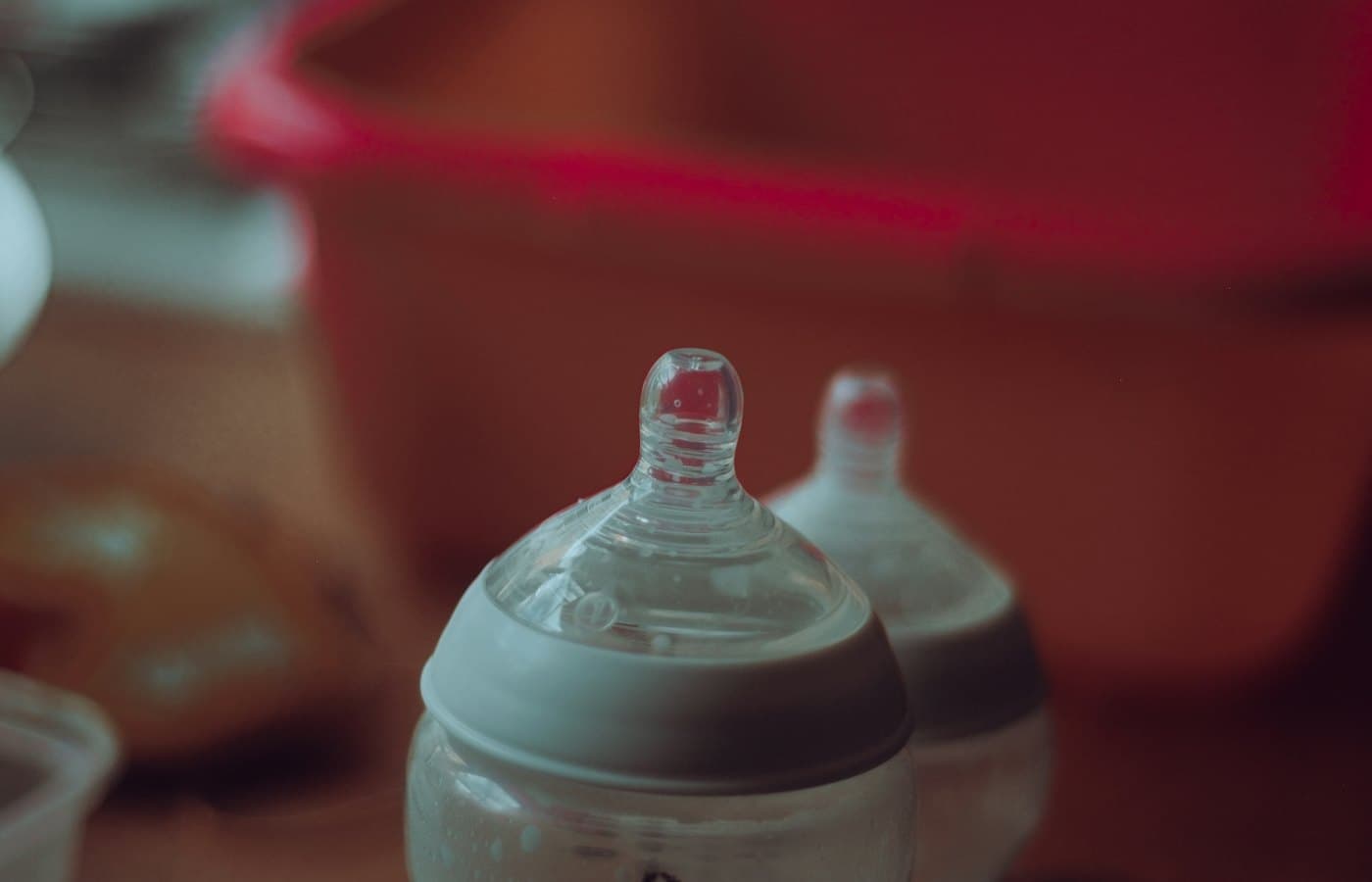 Formula & FeedingBaby Bottles & Feeding GearGlass, stainless steel and silicone bottles and first spoons. None can be organic, so we judge the material.