Body & Wellness
Organic Clothing
For clothing, organic means more than cotton grown without synthetic pesticides. The claim worth paying for is GOTS certification of the finished garment, which follows the fiber through spinning, dyeing and sewing. Many brands only buy certified cotton or fabric. We say which is which, and we note every stretch fiber in the blend.
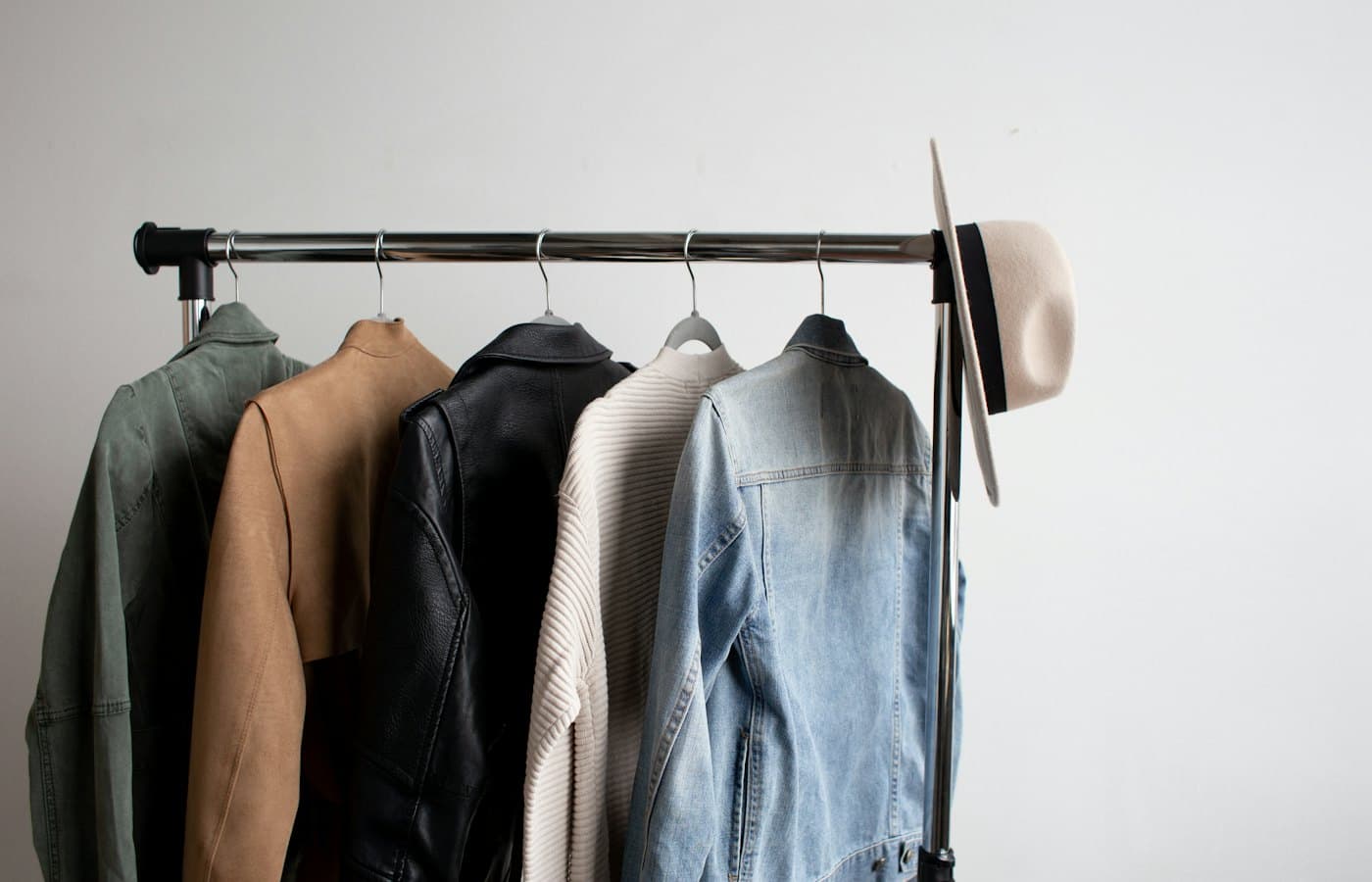
This department covers everyday adult clothing: underwear, tees, loungewear, pajamas, activewear, socks and denim. The USDA regulates the word organic for the raw fiber, because cotton, wool and flax are crops. Its National Organic Program has no processing rules for textiles, so the USDA lets clothing made to the Global Organic Textile Standard be sold as organic in the United States, without the USDA seal.
That is why our standard here is GOTS certification for the garment. GOTS has two label grades: "organic" for products with at least 95% certified organic fiber, and "made with organic materials" for at least 70%. For a product to carry the label, every company that handled it has to be certified. For each pick we look the seller up in the GOTS public database and read the fiber blend on the product page.
Some things cannot be organic. Elastane, nylon and polyester are synthetic, so leggings and socks are never all organic fiber, and we print the blend. OEKO-TEX Standard 100 is a useful extra, but it tests the finished item for harmful substances and says nothing about how the fiber was grown. Our guide to GOTS vs OEKO-TEX explains the difference.
Categories
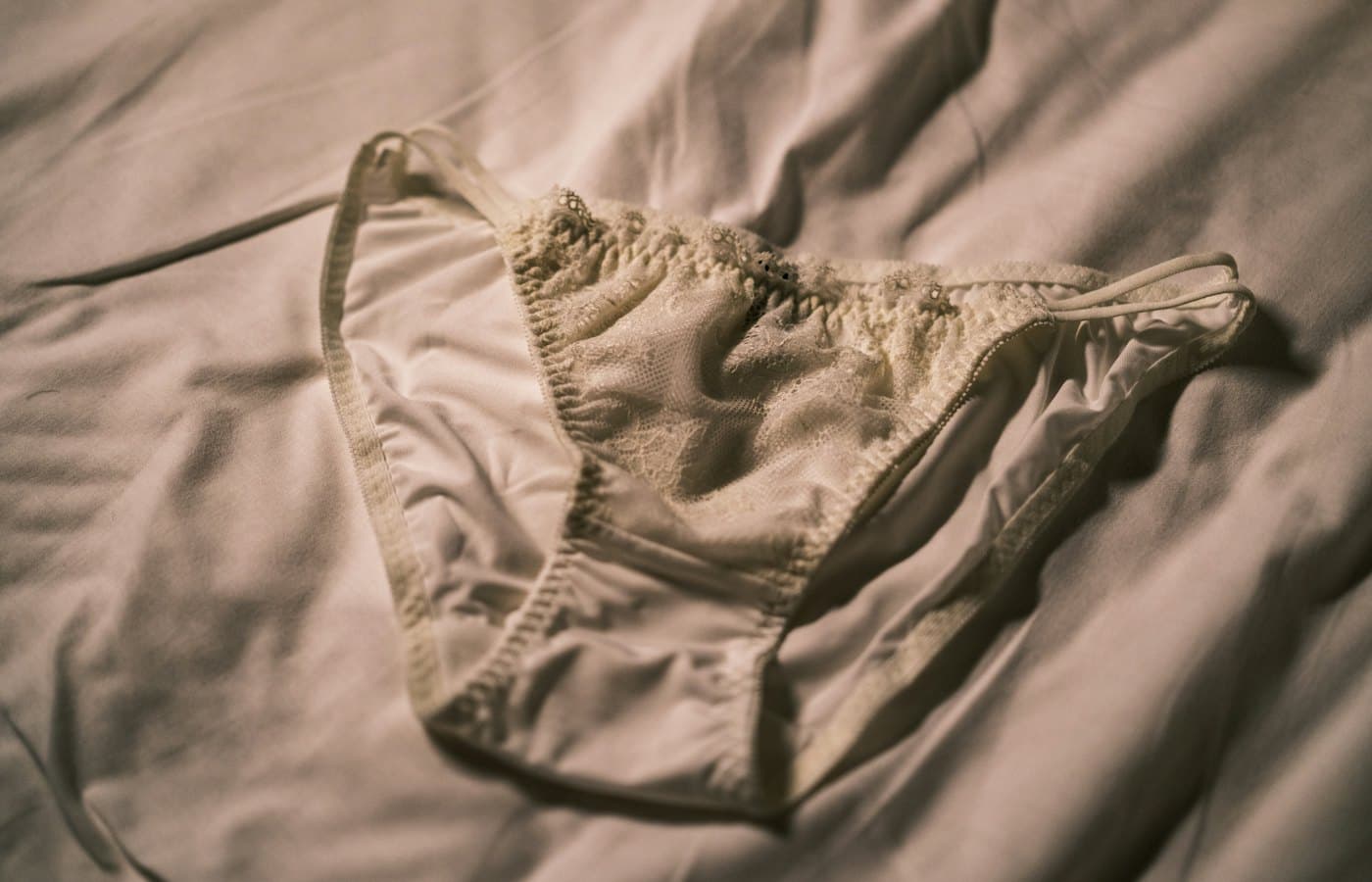 3 picksOrganic Cotton UnderwearUnderwear from companies listed in the GOTS database, with the fiber blend and elastic stated.
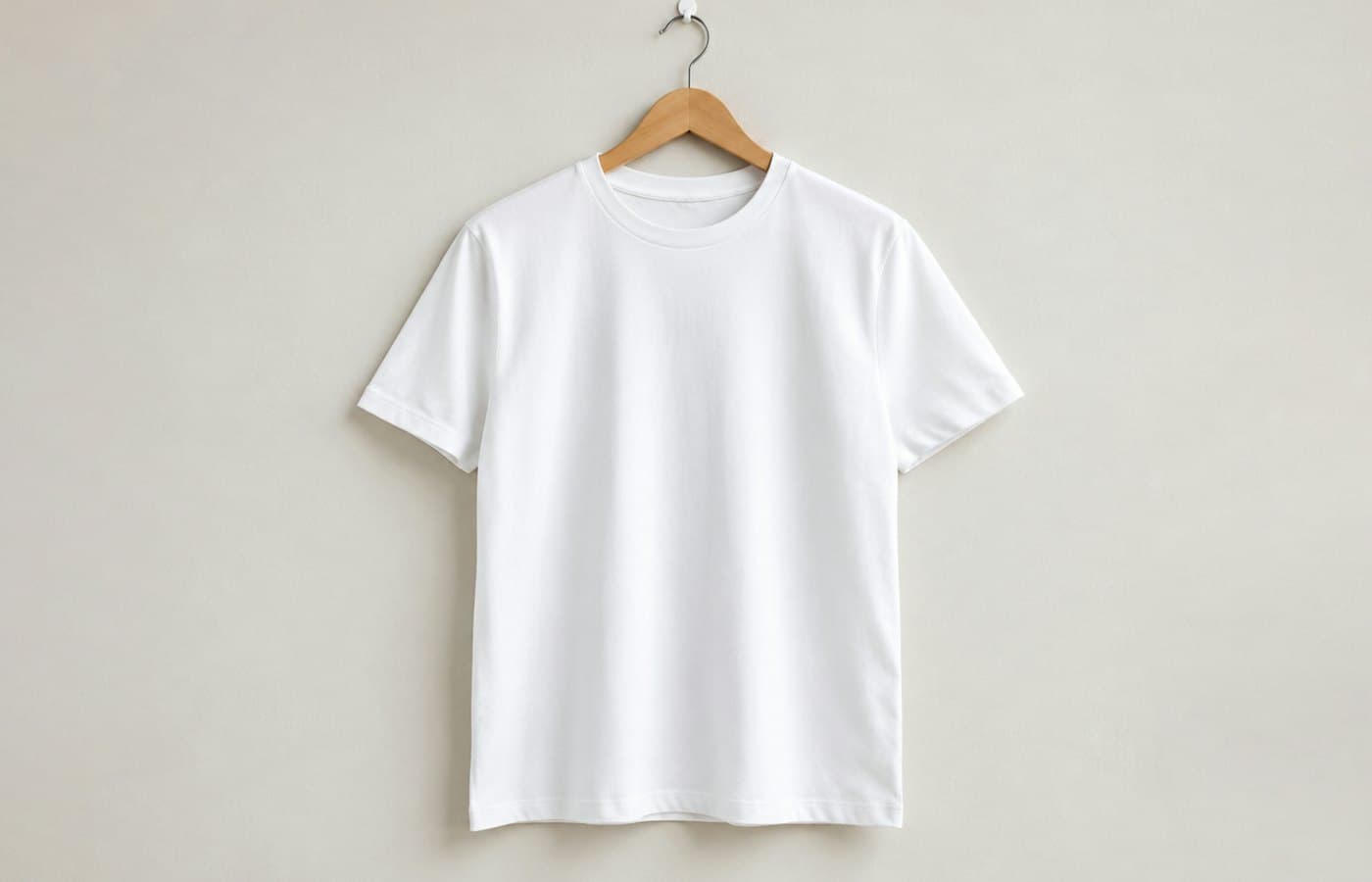 3 picksOrganic T-Shirts & BasicsPlain tees from GOTS certified companies, with the fiber content and certifier number checked.
 3 picksOrganic LoungewearSweatpants and joggers from GOTS certified companies, with the fiber blend and certifier number checked.
 3 picksOrganic PajamasAdult pajamas from GOTS certified companies, with woven and stretch-knit blends stated.
 3 picksOrganic ActivewearLeggings from GOTS certified companies, with the organic cotton and spandex shares stated.
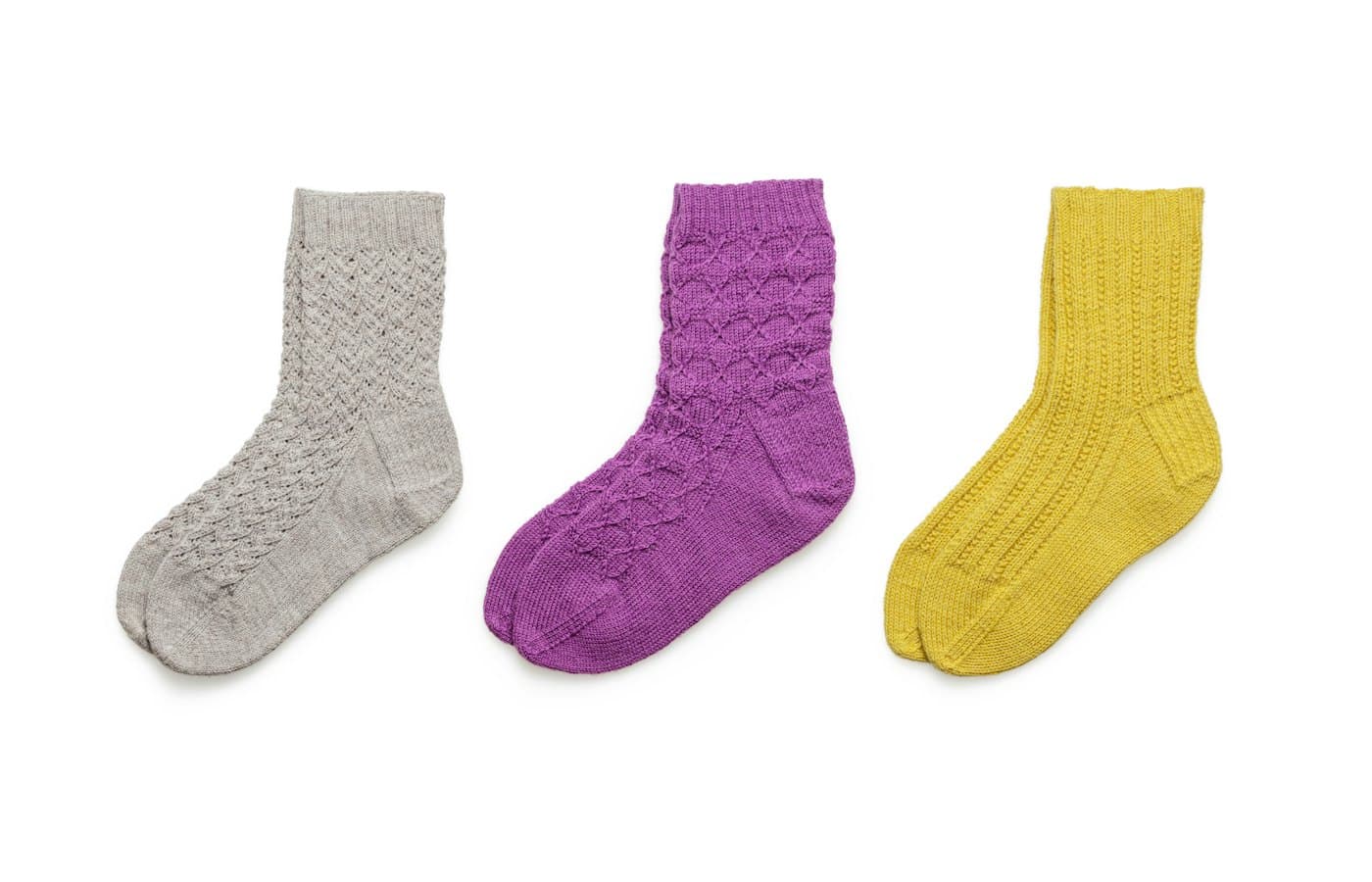 3 picksOrganic SocksSocks from GOTS certified companies, with every fiber in the blend listed, synthetic ones included.
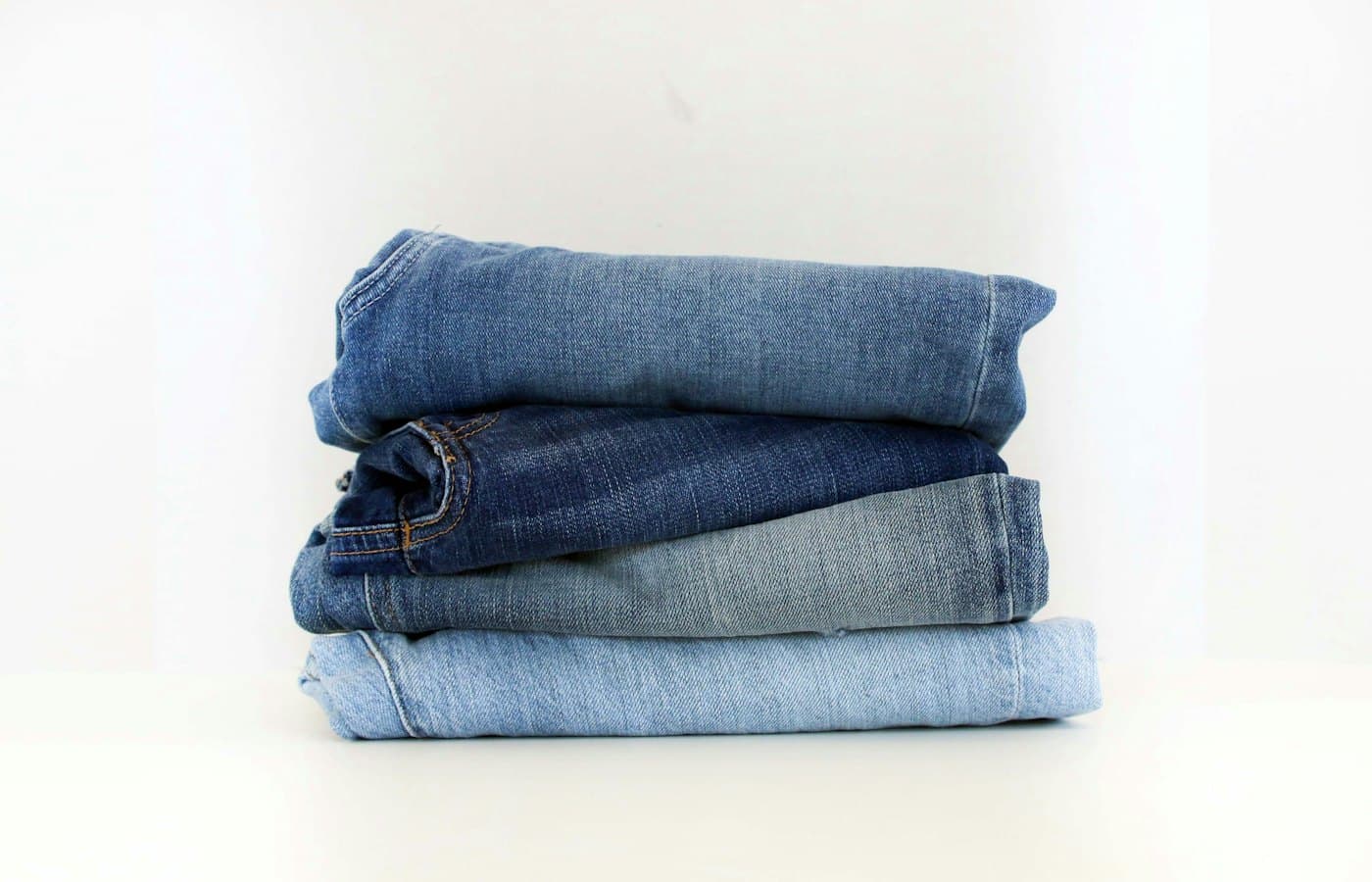 3 picksOrganic DenimJeans checked against the GOTS database, with a plain note on which claims are GOTS and which are not.
Related guides
 GOTS vs OEKO-TEXGOTS certifies organic fiber and processing. OEKO-TEX Standard 100 tests the finished item for harmful substances.
 How to spot greenwashingVague green words, homemade seals and "free of" claims: what the FTC says about each, and a five-step label check.
Questions people ask
Can clothing carry the USDA Organic seal?
Rarely. A 2011 USDA policy memo says a textile may show the seal only if it is produced in full compliance with the National Organic Program rules, which have no textile processing standards. Clothing made to GOTS may be sold as organic in the United States, but it may not show the USDA seal or imply USDA certification. The organic fibers named on the label must still be certified to the USDA rules.
Is a shirt made from GOTS certified cotton a GOTS certified shirt?
Not necessarily. GOTS says that for an end product to carry its label, every company in the chain must be certified, and that partial certification cannot be presented as full product certification. If certified fabric is sewn in an uncertified factory, the chain is broken. A real GOTS label shows the logo, the label grade, the certifier and a certification number.
Does OEKO-TEX Standard 100 mean the clothing is organic?
No. OEKO-TEX Standard 100 certifies that every thread, button and accessory in a product has passed tests for a list of harmful substances. It applies to conventional cotton and synthetic fabrics as well as organic ones, and it does not address how fiber was farmed. Treat it as a residue check that can sit beside GOTS, not as a replacement for it.
Why do organic leggings and socks contain elastane?
Because cotton alone does not stretch and recover. GOTS allows a limited share of other fibers. Version 8.0 of the standard, released in 2026, permits up to 10% virgin synthetic fibers such as elastane and polyamide, and up to 20% recycled synthetics. A garment under 95% organic fiber has to use the "made with organic materials" grade, so read the blend on the label.
Sources
Each page was opened and read on October 11, 2026.