Textiles (tested for harmful substances)
OEKO-TEX Standard 100: what the label means
OEKO-TEX Standard 100 is a label for textiles tested for harmful substances. Every thread, button and accessory of a certified article is tested against a list of more than 1,000 substances, with the strictest limits for baby products. It is not an organic certification: it says nothing about how the cotton or wool was grown.
Run by OEKO-TEX
What it certifies
- Laboratory testing of the finished article for a list of more than 1,000 harmful substances
- Every component: fabric, thread, buttons and other accessories
- Limit values that tighten with skin contact, in four product classes
- An on-site visit to the applicant company as part of certification
- A certificate issued for one year at a time
What it does not
- Organic farming: the fiber can be conventionally grown
- The absence of all chemicals: the label means tested substances are within set limit values
- A brand's whole range: a certificate covers specific articles and has its own number
- Organic cotton content, which OEKO-TEX certifies under a separate standard, OEKO-TEX ORGANIC COTTON
How to check a claim
Every genuine label carries a certificate or label number. Enter it in the OEKO-TEX Label Check on the OEKO-TEX website, or scan the QR code on the label. Numbers are case sensitive. The same page links to a list of withdrawn certificates and labels.
What OEKO-TEX Standard 100 requires
OEKO-TEX describes Standard 100 as a label for textiles tested for harmful substances, covering everything from yarn to finished product. To carry it, an article has to pass laboratory tests on every part: the fabric, the sewing thread, the buttons and any other accessory. The test list runs to more than 1,000 substances.
OEKO-TEX says the criteria comply with international requirements, including the European REACH annexes, the US Consumer Product Safety Improvement Act and the European Chemicals Agency candidate list of substances of very high concern. It reviews its limit values at least once a year.
Notice what is being measured. The test looks at what is in the finished item when it reaches you. It does not look back at the field the cotton came from.
The four OEKO-TEX product classes
The more intensive the skin contact, the stricter the limits. A certificate names the product class the article was tested for, which matters most for baby items such as organic baby bodysuits.
| Product class | What it covers | OEKO-TEX example |
|---|---|---|
| Class 1 | Babies and children up to 3 years, with the strictest requirements and limit values | Diapers |
| Class 2 | Direct skin contact | Bed linens |
| Class 3 | No direct skin contact | Jackets |
| Class 4 | Home textiles and decoration materials | Curtains |
Who tests and how often
OEKO-TEX has been issuing labels since 1992. Certification is carried out by its accredited certification bodies, textile testing institutes based in Europe and Japan and represented in more than 70 countries.
The steps OEKO-TEX lists are an application with a material sample, verification, laboratory testing against an individual test plan, an on-site visit to the company, a test report and then a certificate issued for one year. After that it has to be renewed, so a label you saw on a product two years ago may no longer be valid. That is the reason to run the number through the Label Check.
OEKO-TEX Standard 100 vs GOTS
These two get swapped constantly on product pages, and they answer different questions. GOTS asks whether the fiber is certified organic and whether every factory in the chain met environmental and social criteria. A GOTS product must contain at least 70 percent certified organic fibers.
OEKO-TEX Standard 100 asks whether the finished article passed tests for harmful substances. Conventional fiber can pass. A product can carry one label, both or neither. The GOTS vs OEKO-TEX guide goes through the differences.
OEKO-TEX itself draws the line. It runs a separate certification, OEKO-TEX ORGANIC COTTON, for products made of 100 percent organic cotton, with a Blended version for at least 70 percent. If a listing says "OEKO-TEX certified organic", ask which of the two standards the certificate names.
Where you will see it
Standard 100 is common on organic sheets, organic towels, organic cotton underwear and baby clothing, often next to an organic claim made under a different label. Treat it as a useful second check on dyes, finishes and trims, and look elsewhere on the tag for proof of organic fiber. Our guide to spotting greenwashing covers that habit of borrowing one label's meaning for another.
Questions people ask
Does OEKO-TEX Standard 100 mean a product is organic?
No. Standard 100 certifies that a textile passed laboratory tests for harmful substances. It does not require organic fiber and does not assess how the fiber was farmed. OEKO-TEX offers a different certification, OEKO-TEX ORGANIC COTTON, for organic cotton products, and GOTS is the other label that addresses organic fiber.
What is OEKO-TEX product class 1?
Product class 1 is for products for babies and children up to 3 years old. OEKO-TEX says this class has the strictest requirements and limit values of the four. Class 2 is for items with direct skin contact, class 3 for items without it, and class 4 for home textiles and decoration materials.
How do I check an OEKO-TEX label number?
Go to the Label Check page on the OEKO-TEX website and type in the number printed on the label exactly as shown, since numbers are case sensitive. You can also scan the QR code on newer labels. If nothing comes up, OEKO-TEX asks you to contact it, and the page links to withdrawn certificates.
How long does an OEKO-TEX Standard 100 certificate last?
One year. OEKO-TEX lists the final step of certification as the issue of a certificate for one year, after an application, laboratory testing of a material sample and an on-site visit. Because certificates expire, check the label number before relying on an older claim.
Sources
Each page was opened and read on October 11, 2026.
Where this label matters most
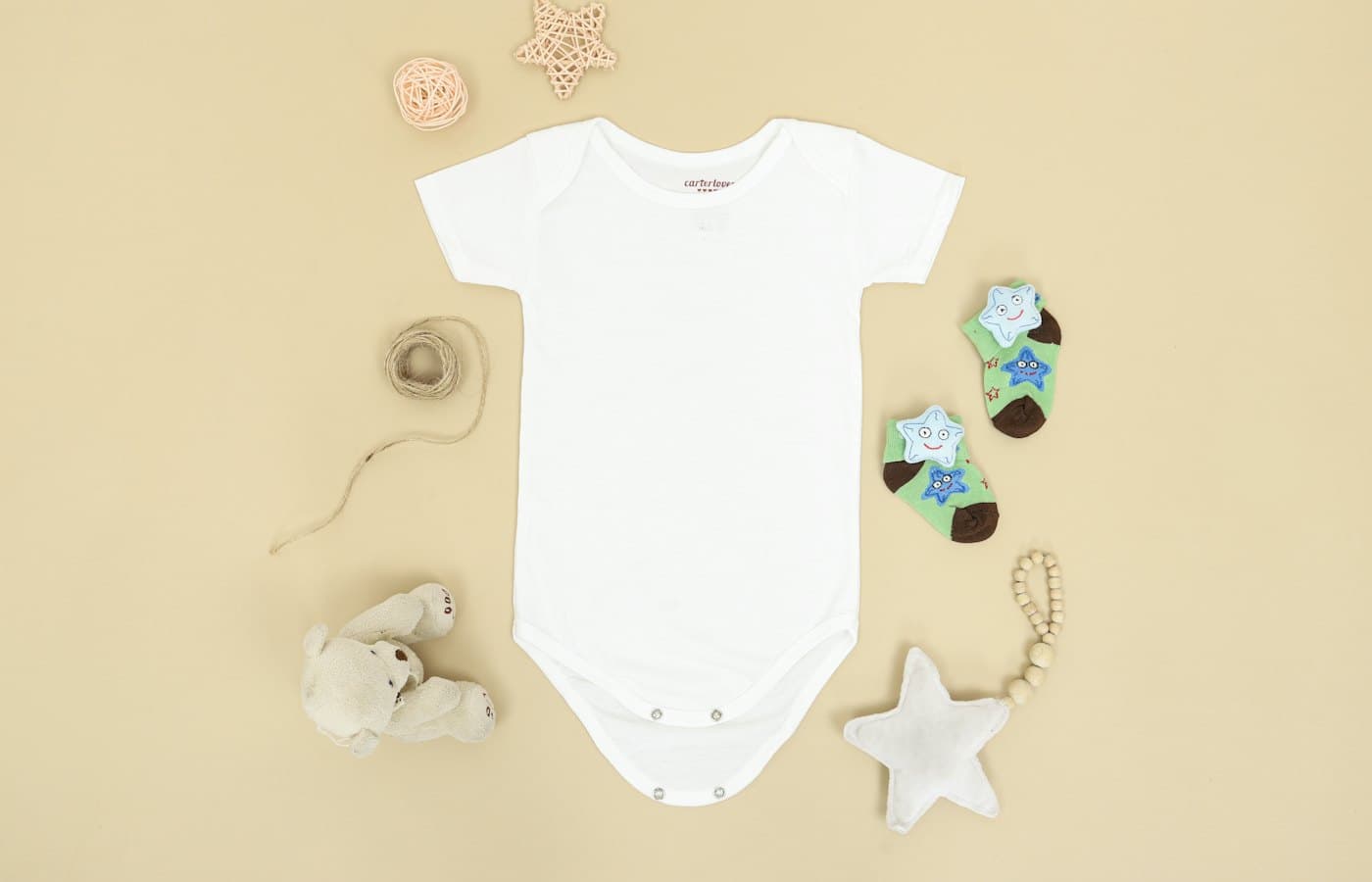 Baby & Kids ClothingOrganic Baby BodysuitsBodysuits from brands in the GOTS public database, and how to tell a certified garment from a fiber claim.
 Bedding & BathOrganic SheetsSheet sets whose brands state GOTS certification, and how that differs from OEKO-TEX Standard 100.
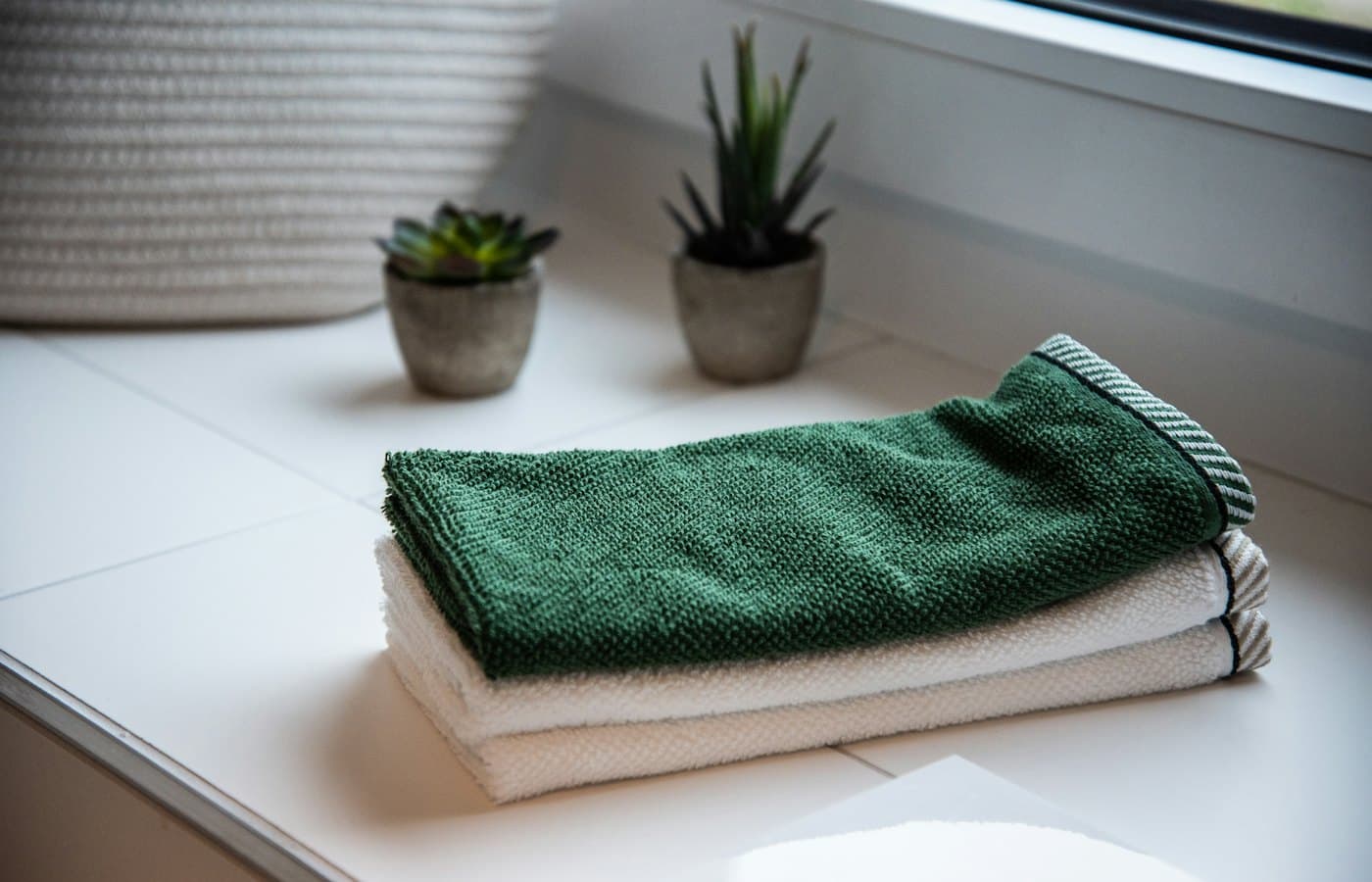 Bedding & BathOrganic TowelsBath towels whose brands state GOTS on the product page, plus what OEKO-TEX and MADE SAFE add.
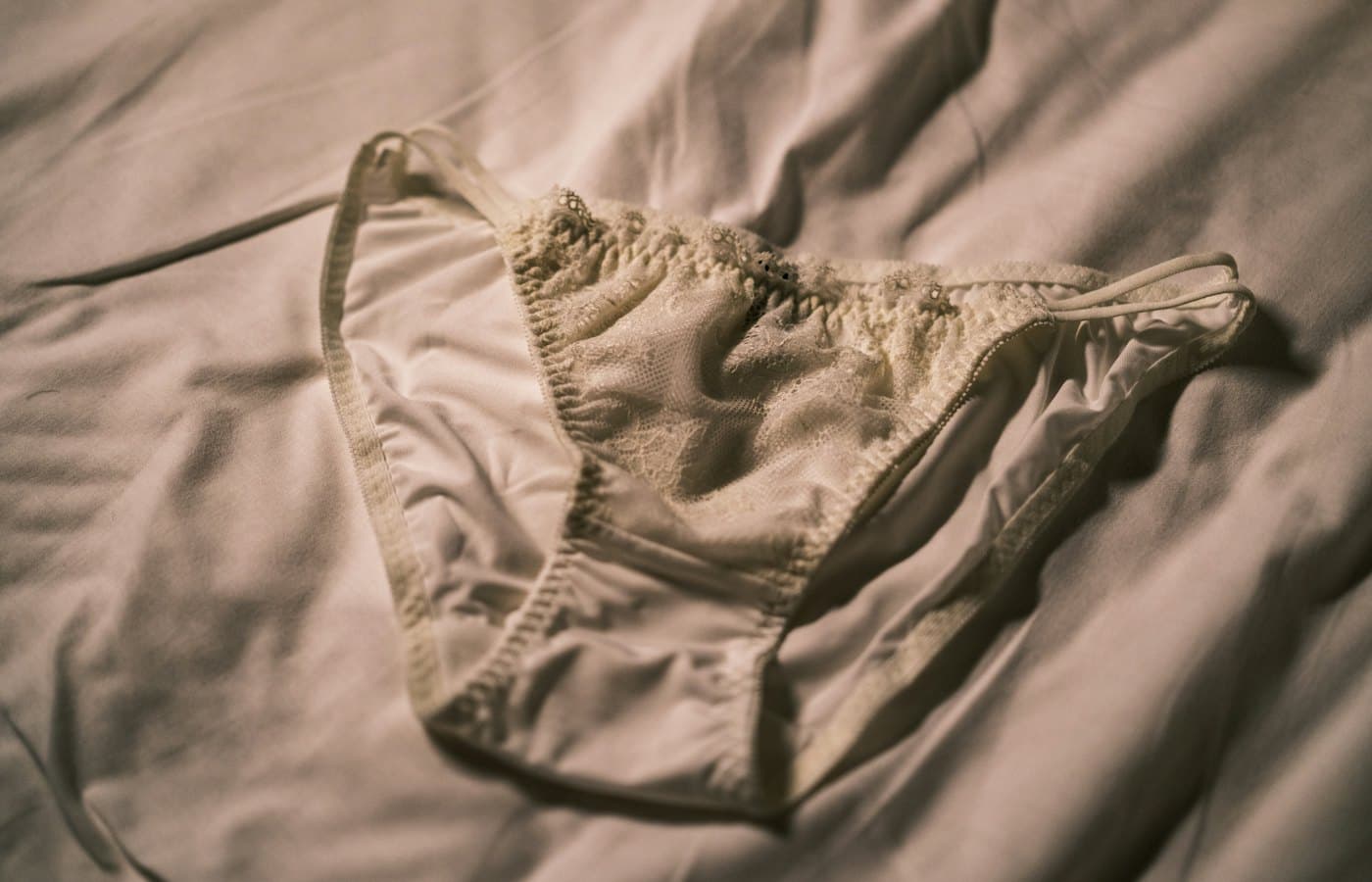 ClothingOrganic Cotton UnderwearUnderwear from companies listed in the GOTS database, with the fiber blend and elastic stated.