Textiles
GOTS: what the Global Organic Textile Standard means
GOTS, the Global Organic Textile Standard, certifies textiles made with organic fibers and every company that processes them, from the first fiber processing step to the finished product. A GOTS product contains at least 70 percent certified organic fibers, and the "Organic" grade needs at least 95 percent. It certifies the processing chain, not the farm.
Run by Global Standards
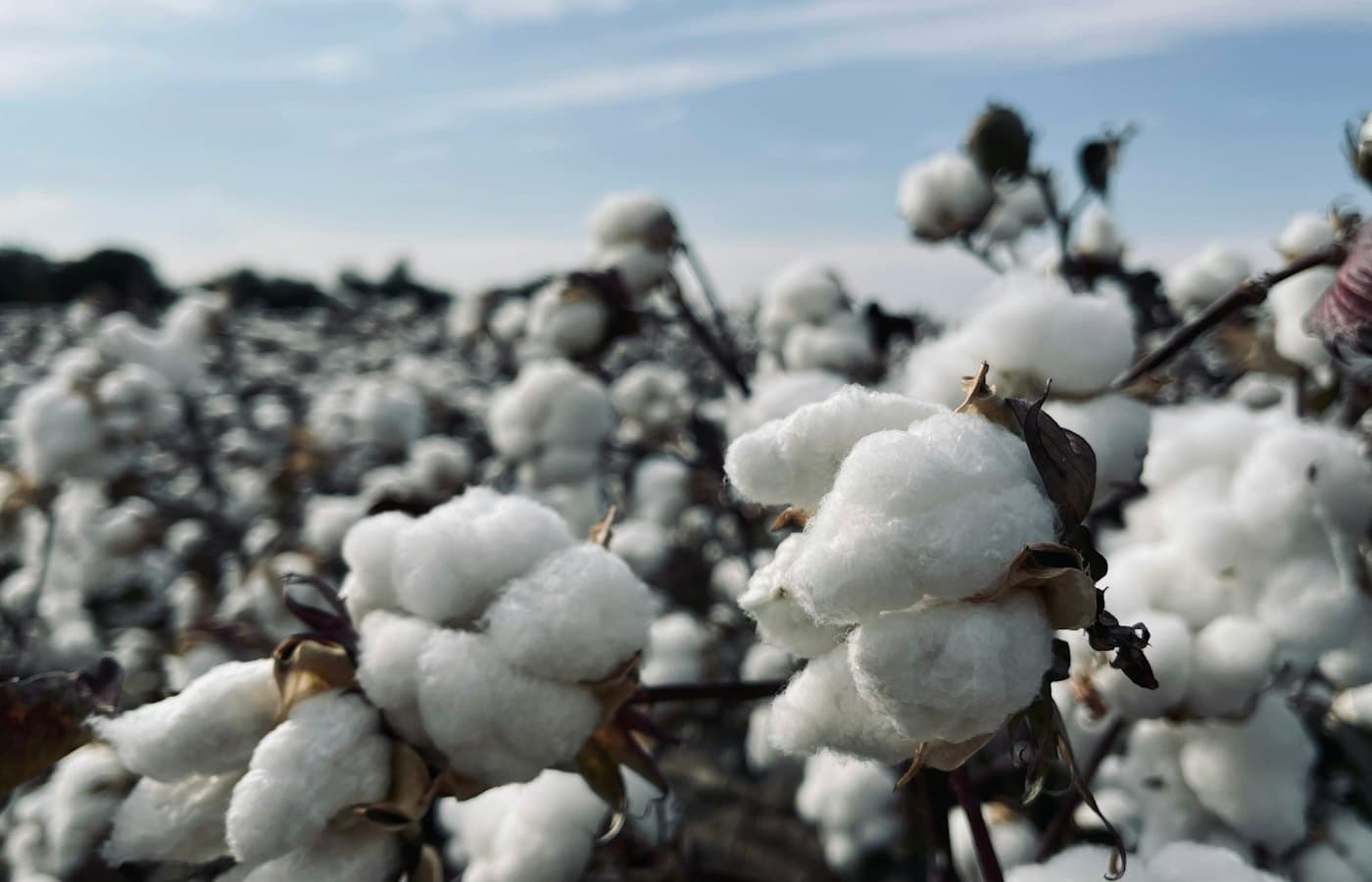
What it certifies
- Organic fiber content: at least 70 percent, or at least 95 percent for the "Organic" label grade
- Every processing, manufacturing and trading stage after the farm, each certified separately
- Chemical inputs, wastewater treatment and environmental management in processing
- Social criteria, including a ban on child labor and forced labor
- Traceability through Transaction Certificates for each shipment
- Yearly on-site audits by an approved independent Certification Body
What it does not
- The farm itself: fibers arrive already certified to a separate organic farming standard
- A whole product when only one part is certified, such as a mattress with a GOTS cover
- A brand as a whole: certification applies to specific products from certified companies
- Fabric described only as "made with organic cotton" with no GOTS logo, grade and certification number
How to check a claim
A real GOTS label has four parts: the logo, the label grade, a reference to the Certification Body and the certification number of the certified company. Type that number or the company name into the Certified Suppliers Database on the Global Standards site and check that the product type is listed.
What GOTS requires
GOTS starts where organic farming ends. The fibers entering the chain must already be certified to an organic farming standard in the IFOAM Family of Standards, which means grown without synthetic pesticides, herbicides or GMOs. From there, GOTS certifies each step: fiber processing, spinning, wet processing such as dyeing, manufacturing and trading.
Every company involved must be certified and must meet the same criteria. Those criteria cover wastewater treatment, restrictions on chemical inputs, resource use and product safety, plus social rules: safe and hygienic working conditions, no child or forced labor, no discrimination, and freedom of association.
That whole-chain rule is the point. A sleeper sewn from organic cotton in an uncertified factory is not a GOTS product, which is what to keep in mind when you compare organic baby pajamas.
The GOTS label grades
There are two main grades, each with an "in-conversion" version for fiber from farms still in transition to organic. For the "made with" grade, the label has to state the exact percentage of certified organic fiber.
| Label grade | Certified organic fiber |
|---|---|
| Organic | 95 percent or more |
| Organic in-conversion | 95 percent or more in-conversion fiber |
| Made with x% organic materials | 70 to 94 percent |
| Made with x% organic in-conversion materials | 70 to 94 percent in-conversion fiber |
Which version is current and who audits
The standard is owned by Global Standards, an independent nonprofit that develops and operates GOTS. The current text is GOTS Version 8.1. Global Standards released Version 8.0 in March 2026 and Version 8.1 in July 2026, and gave certified companies an implementation deadline of 1 March 2027.
Global Standards does not audit factories itself. Approved, independent Certification Bodies do, through on-site audits every year, and they must approve each label before it is used. Transaction Certificates then record certified goods as they move from one company to the next.
GOTS compared with labels people confuse it with
OEKO-TEX Standard 100 tests a finished textile for harmful substances. It does not ask whether the fiber was grown organically. GOTS does. The GOTS vs OEKO-TEX guide sets the two side by side.
USDA Organic is the federal farm standard. USDA says textiles that meet GOTS may be sold as organic in the United States, but they may not use the USDA seal or imply they are USDA organic unless the finished product is certified to the USDA rules.
GOLS is the matching standard for latex foam. It requires any textile cover on a certified latex product to be GOTS certified, so the two often appear together on mattresses.
Where you will see GOTS
GOTS applies to natural fibers: cotton, hemp, linen and jute, and animal fibers such as wool, cashmere, alpaca and silk. Expect it on baby clothes, underwear, organic sheets, towels and organic crib sheets.
On a mattress, read the scope closely. A brand can hold GOTS certification for the finished mattress, or only buy GOTS certified cotton for the cover. The label grade and certification number on the label or product page tell you which.
Questions people ask
Does GOTS mean 100 percent organic?
No. The "Organic" grade requires at least 95 percent certified organic fibers, and the "made with organic" grade requires at least 70 percent. The standard permits specific additional fibers to be blended with the organic ones. If the fiber percentage matters to you, read the label grade, not just the logo.
How do I check that a GOTS claim is real?
Look for the four required parts: GOTS logo, label grade, Certification Body reference and certification number. Then search the Certified Suppliers Database on the Global Standards website. Certification Bodies update the entries, and each one shows the company, its location and the product types it is certified for.
Is "made with GOTS certified cotton" the same as a GOTS certified product?
No. Under Version 8.1, only products produced by a Certified Entity and certified by an Approved Certifier can be labelled, represented, advertised or sold as GOTS goods. A product sewn from certified fabric by an uncertified company does not qualify, and it will not carry a label grade and certification number.
Does GOTS cover wool and other animal fibers?
Yes. GOTS applies to certified organic animal fibers including sheep wool, cashmere, mohair, alpaca and silk, as well as plant fibers such as cotton, hemp, linen and jute. The same processing, chemical and social criteria apply whichever fiber the product is made from.
Sources
Each page was opened and read on October 11, 2026.
- Global Standards: Key features of GOTS
- Global Standards: Global Organic Textile Standard (GOTS) overview
- Global Standards: Announcing Standard Updates in GOTS Version 8.1
- Global Standards: GOTS labelling tool
- Global Standards: Certified Suppliers Database
- USDA Agricultural Marketing Service: Labeling Organic Products
- Control Union Certifications: Global Organic Latex Standard (GOLS) publications
Where this label matters most
 Baby & Kids ClothingOrganic Baby Pajamas & SleepersGOTS certified pajamas and sleepers, plus the federal snug-fit rule that explains the yellow hangtag.
 Bedding & BathOrganic SheetsSheet sets whose brands state GOTS certification, and how that differs from OEKO-TEX Standard 100.
 Nursery & SleepOrganic Crib SheetsFitted crib sheets in GOTS certified organic cotton, and why fitted is the only kind that belongs in a crib.