Baby & Kids Clothing
Organic baby pajamas and sleepers
Organic pajamas should be GOTS certified as a finished garment, and they still have to follow the federal children's sleepwear rule. Above size 9 months, sleepwear must either pass flammability tests or fit snugly. Organic cotton pajamas take the snug-fit route, so buy the size that fits now and keep the fit close.
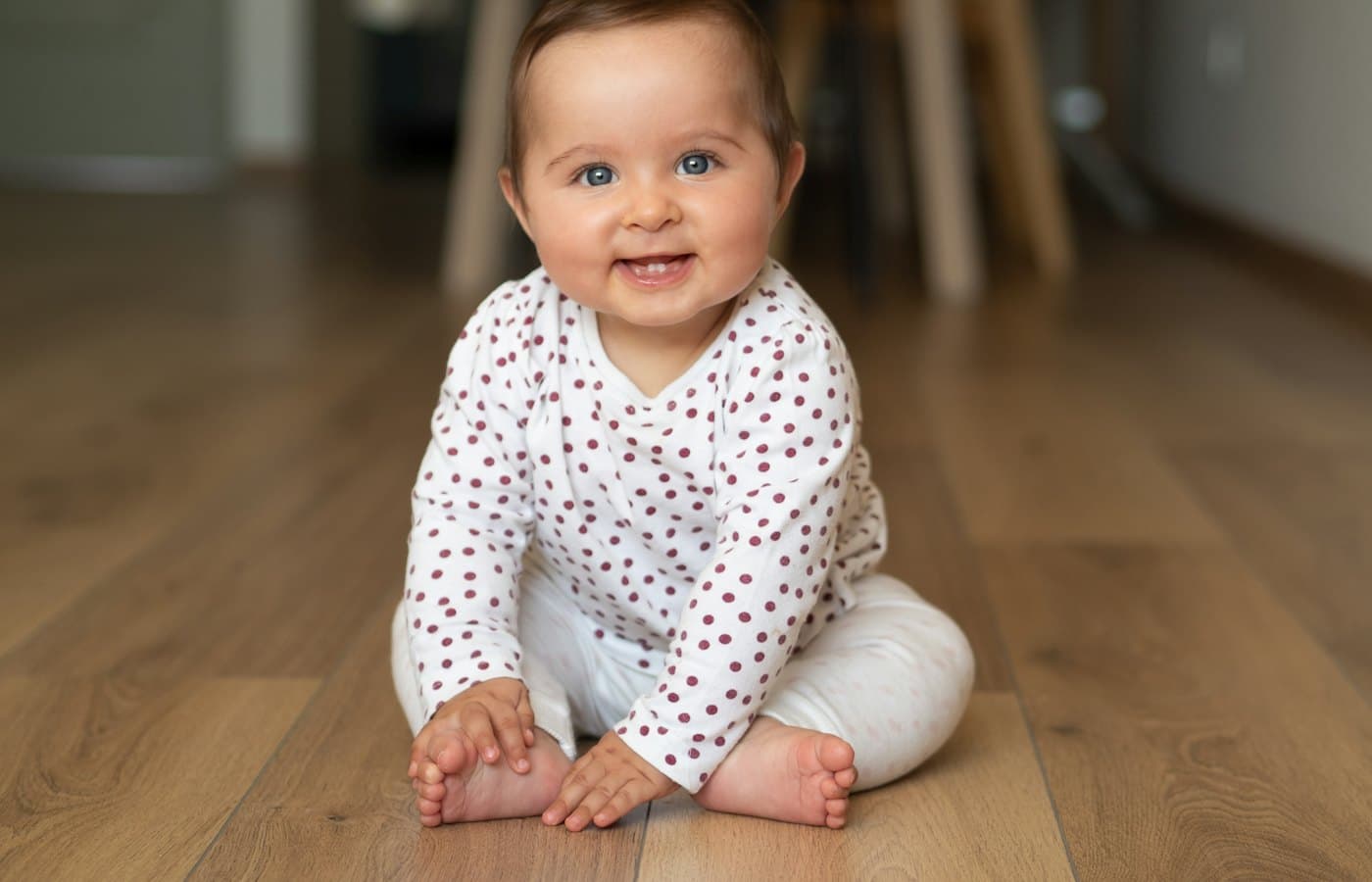
What organic means here
Organic here means a GOTS certified garment from a brand we found in the GOTS public database. That label covers fiber and processing. It does not cover fire safety: the CPSC children's sleepwear standards apply to every pair of pajamas in sizes 0 through 14, organic or not.
Look for
- The GOTS logo with a label grade and licence number on the product page or neck label
- For sizes above 9 months: the yellow hangtag and a neck label reading "Wear snug-fitting, not flame resistant"
- A fiber breakdown for every part, including cuffs and feet, which often contain a little spandex
- A zipper guard or snap tab at the neck on zip sleepers
Be wary of
- Loose pajamas or nightgowns in organic cotton with no snug-fit tag and no flame resistance statement
- Buying a size up for growing room: a loose fit defeats the purpose of snug-fitting sleepwear
- "GOTS certified cotton" on a style that is mostly another fiber, such as lyocell or polyester fleece
- Weighted sleepers: the AAP says not to use weighted sleepers or swaddles on or near a baby
Products that carry the certification
We have not tested these products. Each one was checked against the brand’s own page and the certifier’s records. Product links may be affiliate links: if you buy through one we may earn a commission, at no extra cost to you. How we choose.
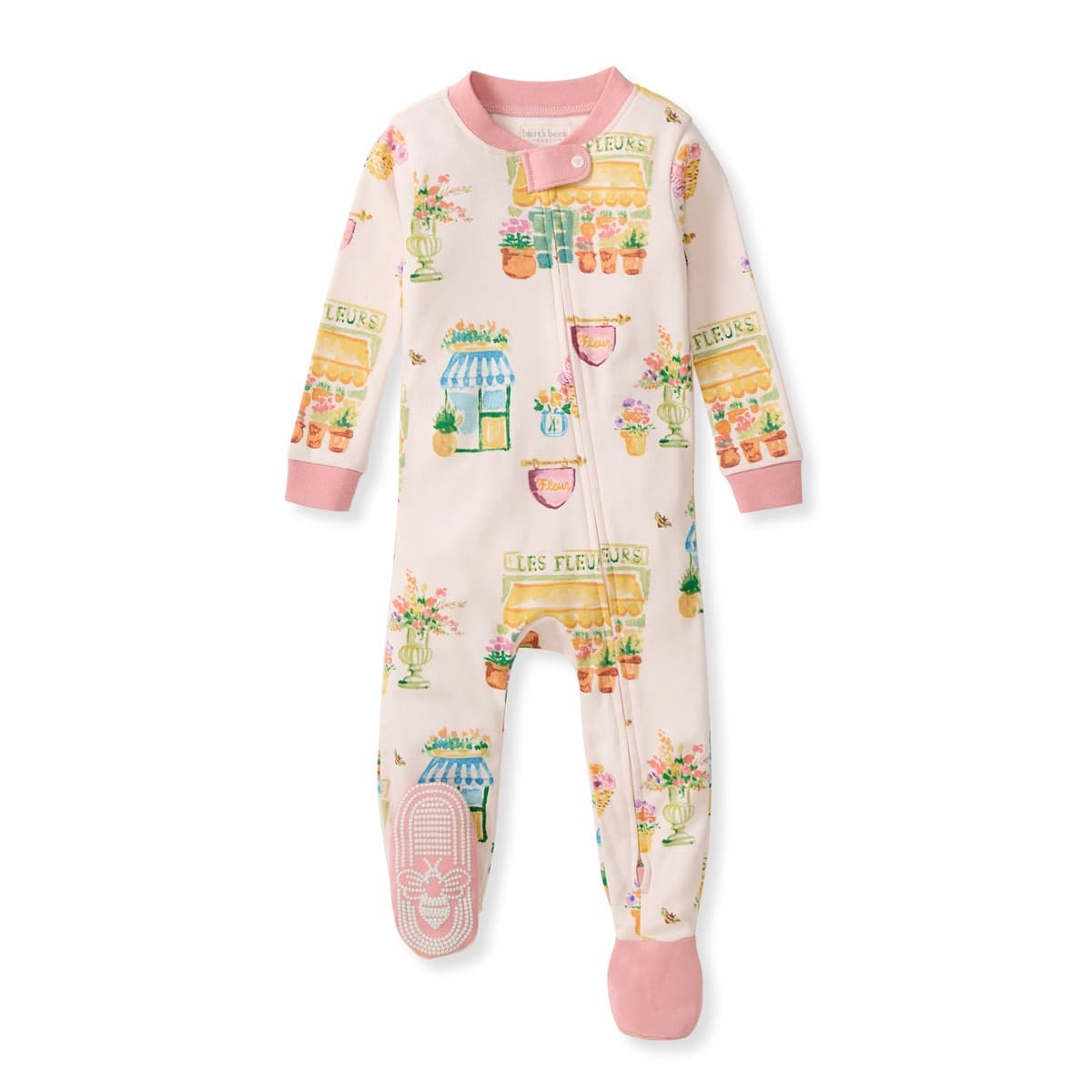
Photo: Burt's Bees Baby 1Burt's Bees BabyFooted zip sleeper with snug fitOrganic Cotton Sleeper
A footed zip sleeper the brand describes as GOTS certified, with a slim and snug fit, a snap tab over the zipper pull and a two way zipper. The page lists the body and sleeves as 100% organic cotton. The company is in the GOTS database under licence 831717.
Good to know: The feet are listed as 98% organic cotton and 2% spandex. The brand's pajama range also includes lyocell and fleece styles that are not organic cotton, so check the fabric line on each print.
Checked against: burtsbeesbaby.com · burtsbeesbaby.com · global-standards.org
View at brand siteburtsbeesbaby.com
- 2Monica + AndyAsymmetrical zipper, newborn to 24M
One-Piece Baby Footed Pajamas
A footed one-piece with a zipper that runs from the front neck to the left leg. The product page states GOTS certified and carries the wear snug fitting, not flame resistant wording. Monica & Andy, Inc. is listed in the GOTS database with sleepwear among its certified products.
Good to know: The product page does not print the GOTS licence number; we matched the brand to its database entry by company name.
Checked against: monicaandandy.com · global-standards.org
View at brand sitemonicaandandy.com
- 3PehrRib knit, full-length zipper
Ribbed Baby Sleeper
A footed sleeper in what Pehr lists as 100% GOTS-certified organic cotton rib knit, with a snug fit, a full-length zipper and a zipper guard at the neckline. Pehr Designs appears in the GOTS database with sleepwear in its certified product list.
Good to know: Prints are seasonal, and one short sleeve sleeper in the same collection is described as organic cotton with no GOTS wording. Read the page for the style you pick.
Checked against: pehr.com · global-standards.org
View at Pehrpehr.com
- 4PrimaryToddler and kid sizes 2 to 14
Kids Organic PJs
Pajama tops and pants in 100% organic cotton interlock, sold as separate pieces. Each product page we opened says GOTS certified product and that the fit is snug to meet CPSC requirements. Primary Kids inc. is in the GOTS database under Ecocert licence 271747.
Good to know: These start at size 2, so they are for toddlers and older children, not infants. Tops and pants are listed separately.
Checked against: primary.com · global-standards.org
View at Primaryprimary.com
Products with a photo are shown first; otherwise the order says nothing about quality. Certifications can lapse: check the certifier’s database before you buy.
The federal sleepwear rule: snug-fitting or flame resistant
The Consumer Product Safety Commission has two children's sleepwear standards, one for sizes 0 through 6X and one for sizes 7 through 14. Sleepwear in those sizes has to pass flammability tests unless it meets one of two definitions: an infant garment or a tight-fitting garment.
An infant garment is sized 9 months or smaller. A one-piece may be no longer than 25.75 inches, and no piece of a two-piece set may be longer than 15.75 inches. A tight-fitting garment stays within maximum measurements at the chest, waist, seat, upper arm, thigh, wrist and ankle. Both are excused from the sleepwear flammability tests, but CPSC notes they are still subject to the separate flammability requirements in 16 CFR part 1610.
A CPSC safety alert from December 2002 puts the reasoning simply: snug-fitting sleepwear is less likely to touch a flame, and there is little air under the fabric to feed a fire. The same alert says loose cotton T-shirts should not be worn as sleepwear.
What GOTS adds, and what it does not
GOTS certifies the textile: at least 95% certified organic fiber for the organic grade, at least 70% for the made with organic grade, and certification at every processing stage through to the finished product. That is a statement about fiber and processing.
It is not a fire safety rating, and it does not replace the CPSC rule. A pair of pajamas can be GOTS certified and still be unsafe as sleepwear if it is cut loose and untreated. Read both labels. If you want the difference between GOTS and the other common textile label, see our GOTS vs OEKO-TEX guide.
Dressing a baby for sleep
The American Academy of Pediatrics advice on HealthyChildren.org, updated in September 2026, is to dress a baby in only one more layer than you would wear in the same room. Signs of overheating include sweating, a hot chest and flushed skin.
If the room is cool, the AAP suggests layers or a wearable blanket in place of loose bedding, which should stay out of the crib. Our page on organic sleep sacks covers those. The AAP also says not to use weighted sleepers, swaddles or blankets on or near a baby.
Sleeper styles and what the names mean
| Style | What to check |
|---|---|
| Footed zip sleeper | Zipper guard at the neck; fabric listed for the feet as well as the body |
| Sleep and play (newborn sizes) | Often a roomier cut; allowed as an infant garment at 9 months and under |
| Two-piece pajama set | Snug-fit hangtag above size 9 months; each piece sized to fit now |
| Gown or loose nightdress | Above 9 months it must pass the flammability tests, so ask how |
Questions people ask
Are organic cotton pajamas treated with flame retardants?
Pajamas that meet the tight-fitting definition do not have to pass the sleepwear flammability tests, so they have no need for a flame resistant treatment. That is why their tag says the garment is not flame resistant. At least one pick on this page also states on its product page that the pajamas are flame-retardant free. If a loose style is sold as sleepwear above size 9 months, ask the brand how it meets the rule.
Why are organic pajamas cut so tight?
Because the fit is the safety feature. CPSC rules set maximum measurements at the chest, waist, seat, upper arm, thigh, wrist and ankle for tight-fitting sleepwear. Staying inside those numbers is what lets untreated cotton pajamas be sold as sleepwear. Sizing up to get more wear out of a pair works against the rule the pajamas were built around.
Do the sleepwear rules apply to newborn sleepers?
Garments sized 9 months or smaller can qualify as infant garments, which are excused from the sleepwear flammability tests if they stay under the length limits: 25.75 inches for a one-piece, and 15.75 inches for any piece of a two-piece. They are still subject to the flammability requirements in 16 CFR part 1610. That is why newborn sleepers are often cut a little roomier than toddler pajamas.
Can my child sleep in an organic T-shirt?
CPSC advises against it. Its 2002 safety alert says loose-fitting cotton and cotton blend T-shirts should not be used as children's sleepwear because they can catch fire easily and burn rapidly. Daywear is not held to the sleepwear standards. For sleep, choose garments sold as sleepwear that are either flame resistant or snug-fitting. For grown-up sizes, see organic pajamas.
How do I confirm a pajama brand is GOTS certified?
Find the licence number on the label or the brand's certification page and search it in the GOTS certified suppliers database. The listing names the company, its certification body and the product types covered. The database says certification bodies are still moving records into a new repository, so a missing brand is a reason to ask for its scope certificate, not proof of a false claim.
Sources
Each page was opened and read on October 11, 2026.
- CPSC: Children's Sleepwear Regulations (business guidance)
- CPSC: Infant Garments and Tight-fitting Sleepwear Garments
- CPSC: Alert on loose-fitting cotton garments used as sleepwear (release 03-050, December 2002)
- HealthyChildren.org (AAP): How to Keep Your Sleeping Baby Safe
- Global Standard: GOTS key features
- Global Standard: Certified Suppliers Database
Keep reading
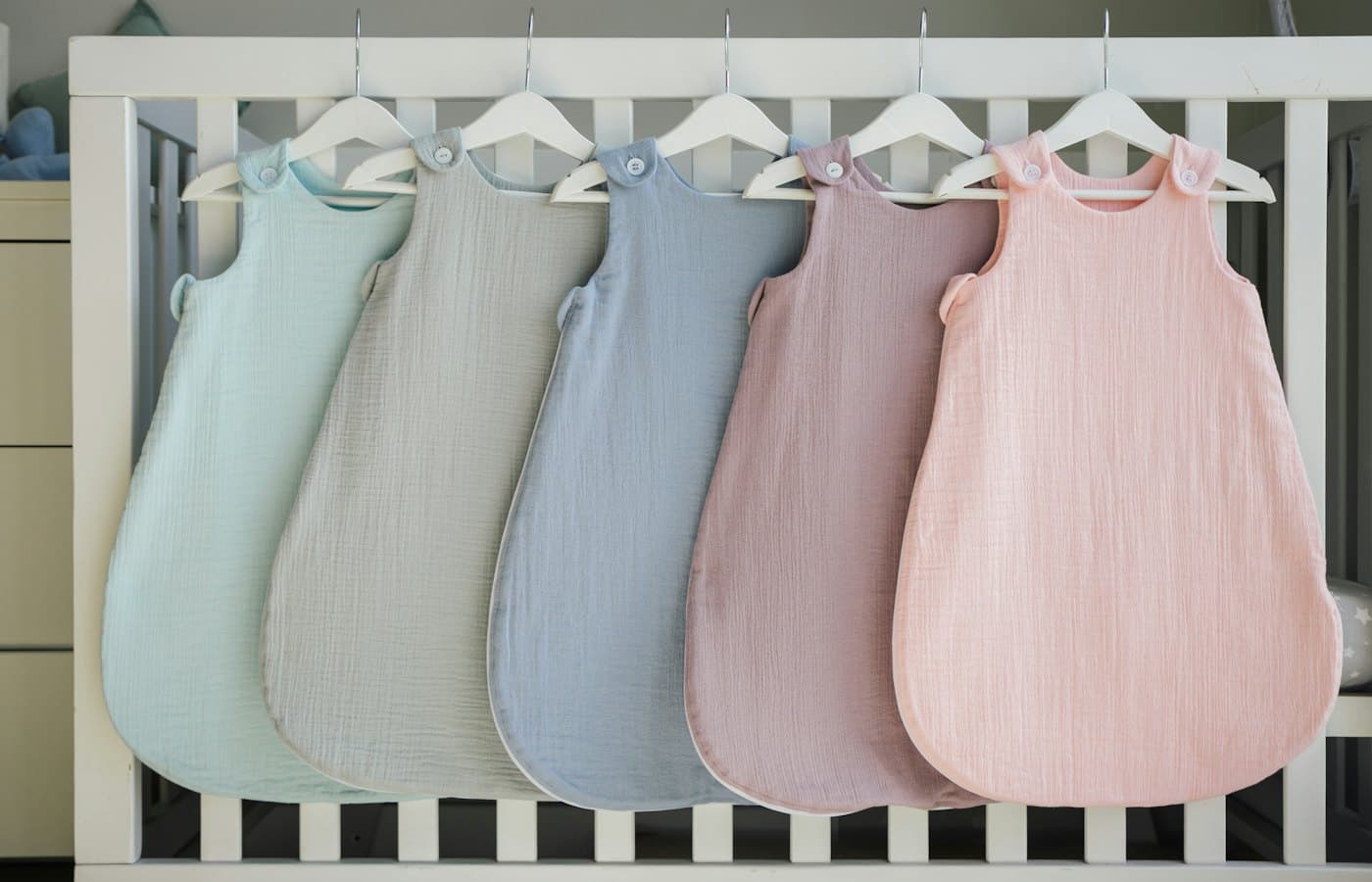 Baby & Kids ClothingOrganic Sleep SacksGOTS certified sleep sacks and wearable blankets, with AAP safe sleep rules on layers, weights and loose bedding.
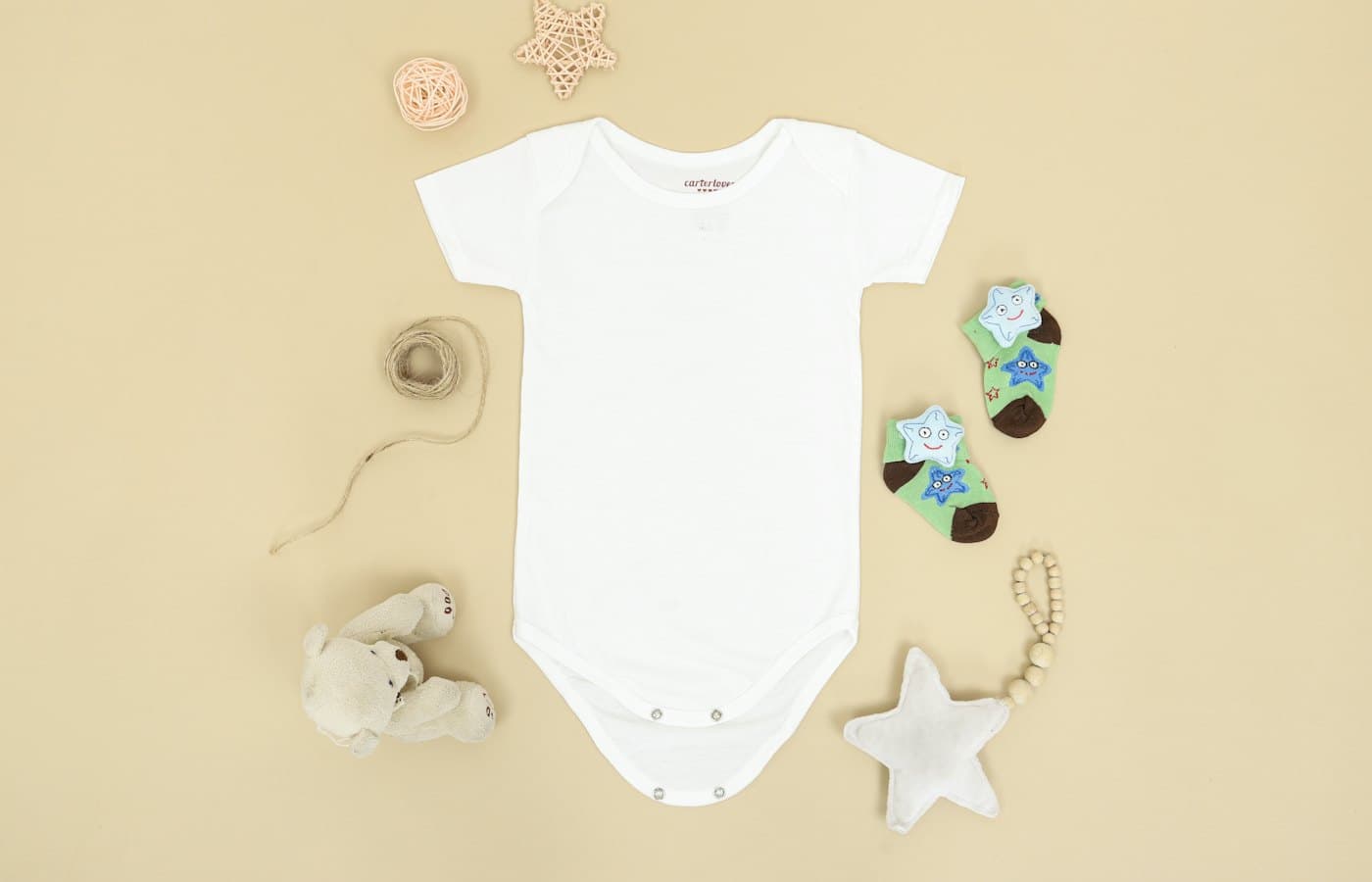 Baby & Kids ClothingOrganic Baby BodysuitsBodysuits from brands in the GOTS public database, and how to tell a certified garment from a fiber claim.
 ClothingOrganic PajamasAdult pajamas from GOTS certified companies, with woven and stretch-knit blends stated.