Food & Drink
Organic Drinks
For drinks, organic means the USDA Organic seal: at least 95 percent organic ingredients and a certified company behind the bottle. The seal covers farming and processing. It does not cover sugar, caffeine, alcohol content or health claims. Wine has its own twist, because added sulfites move a bottle into a different label category.
This department covers what you pour: coffee, tea, juice, plant milks, kombucha, wine, beer and spirits. Every one of them starts as a crop, so every one can be certified under the USDA Organic rules. We list products whose makers state that certification on their own pages, and we say so when a page names the certifier and when it does not.
The seal answers one question: how were the ingredients grown and handled. It does not tell you whether a juice is from concentrate, whether a plant milk is fortified, or how much alcohol a kombucha holds. Our pages on organic juice and organic plant milks include what the FDA and the American Academy of Pediatrics say about those drinks for children. On organic coffee we explain how fair trade and bird habitat seals differ from organic.
Alcohol follows the same organic rules plus the labeling rules of the Alcohol and Tobacco Tax and Trade Bureau. On organic wine, every pick is tagged as either "organic wine" or "made with organic grapes", because the two are different legal categories. The wine, beer and spirits pages are for adults of legal drinking age, and none of our drinks pages makes health claims.
Categories
 4 picksOrganic CoffeeUSDA Organic coffee, and what Fair Trade, Bird Friendly and the frog seal add or leave out.
 4 picksOrganic TeaUSDA Organic black, green, oolong and herbal teas, with fair trade labels noted where confirmed.
 4 picksOrganic JuiceUSDA Organic juices, what "from concentrate" means, and the juice rules for babies and young kids.
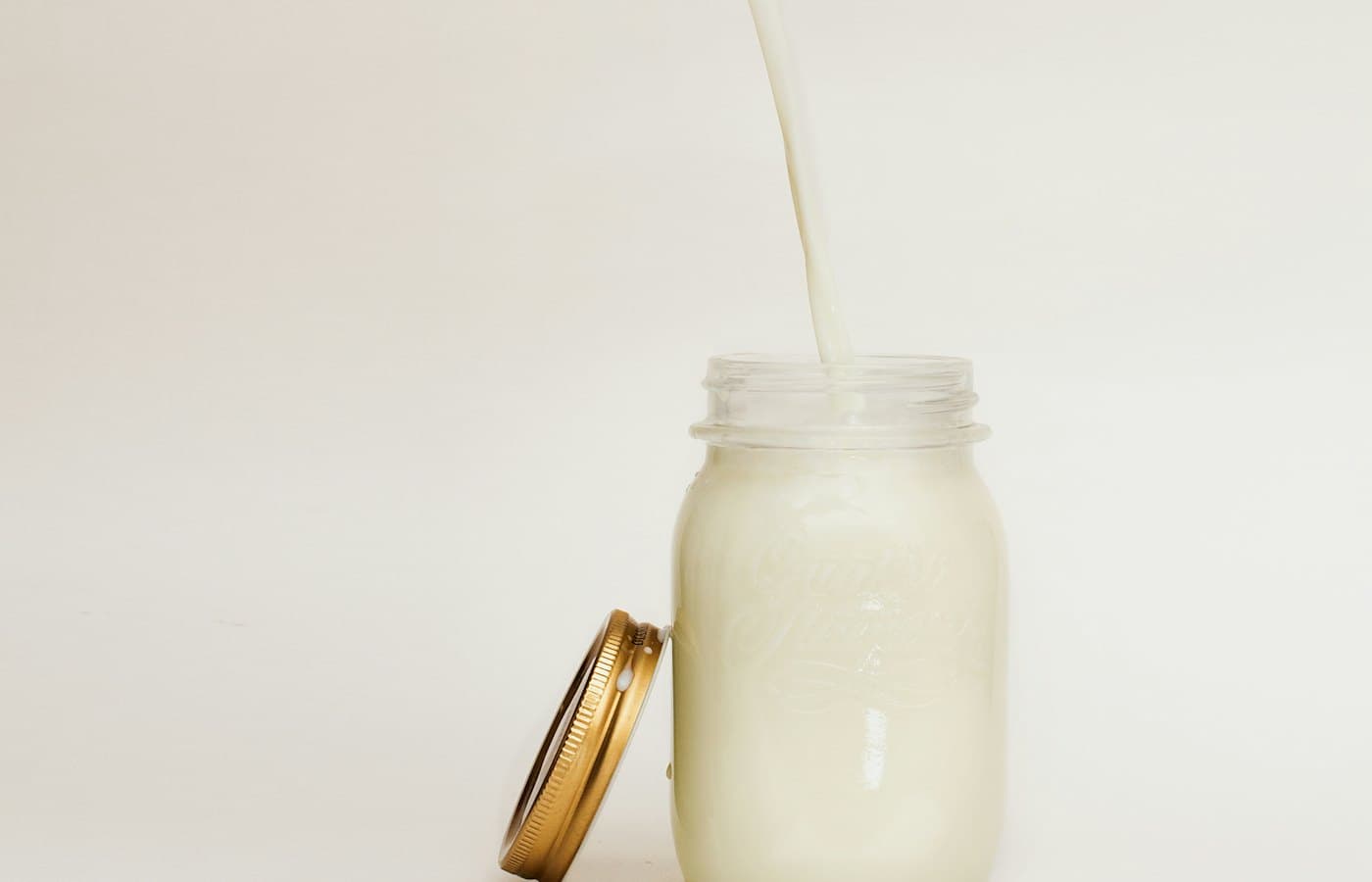 3 picksOrganic Plant MilksUSDA Organic almond, soy and other plant milks, and what the seal does not say about nutrition.
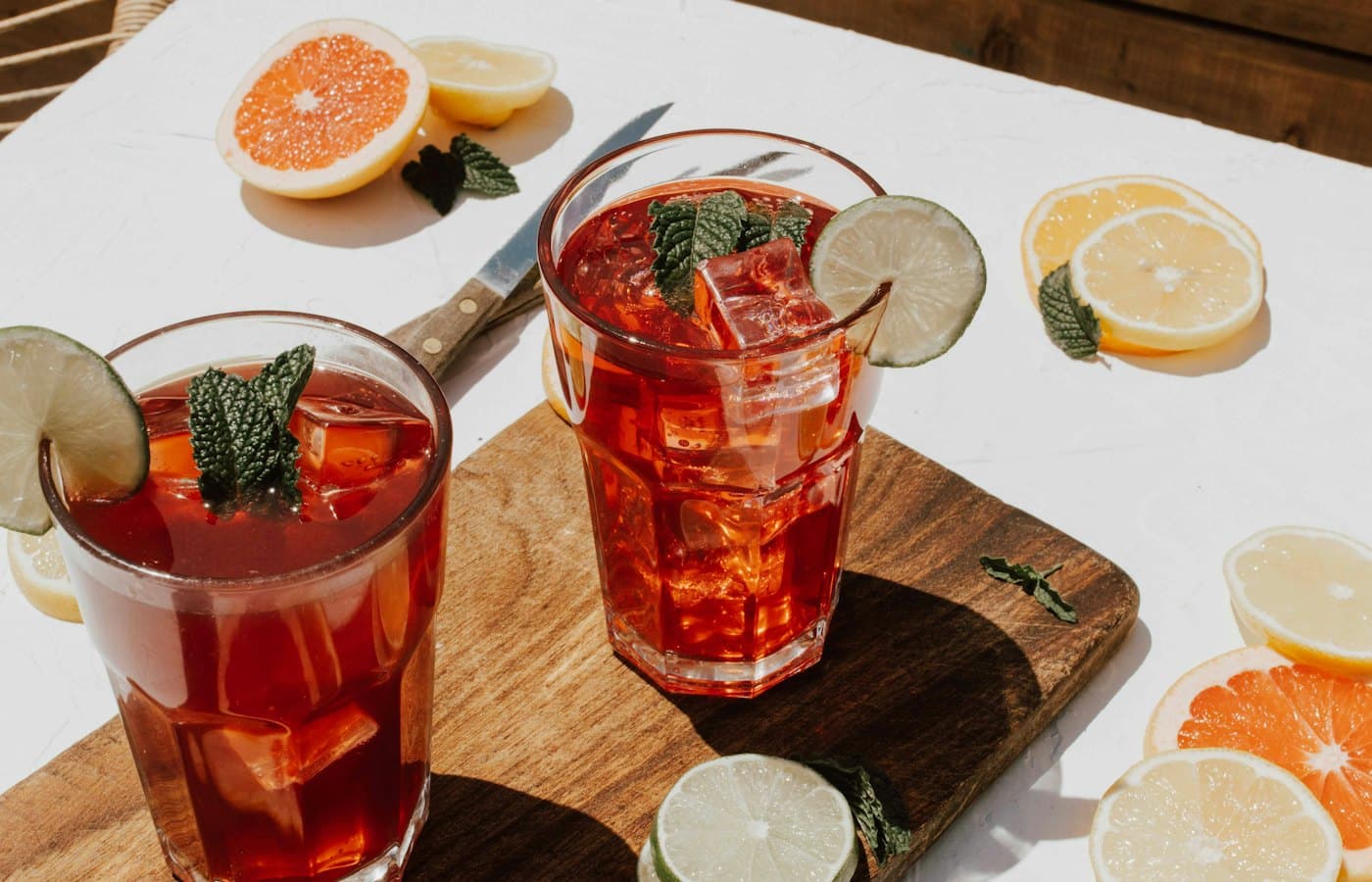 3 picksOrganic KombuchaUSDA Organic kombucha, what the seal covers, and the federal 0.5% alcohol line.
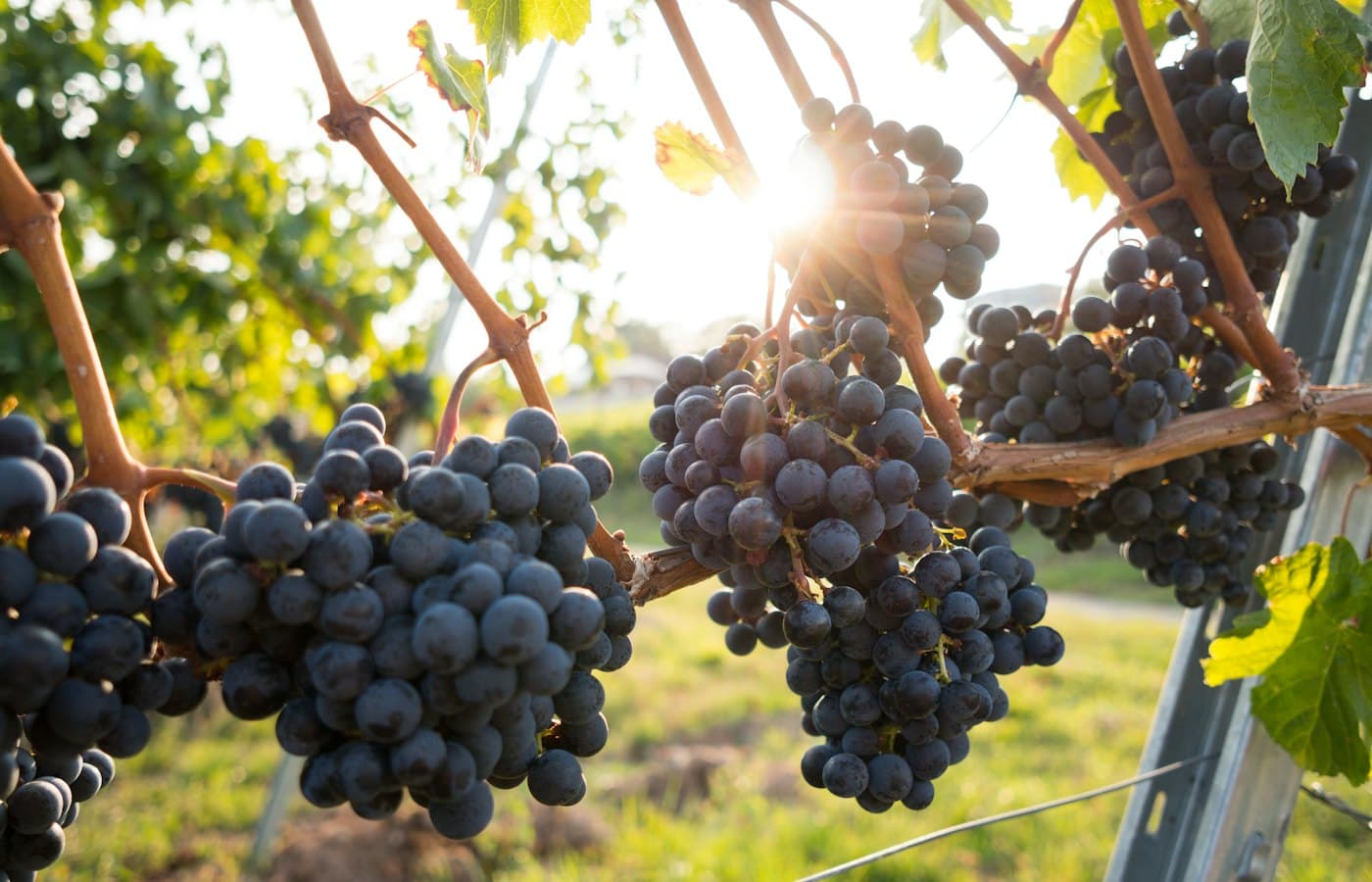 4 picksOrganic Wine"Organic wine" and "made with organic grapes" are two different legal labels. Each pick says which it is.
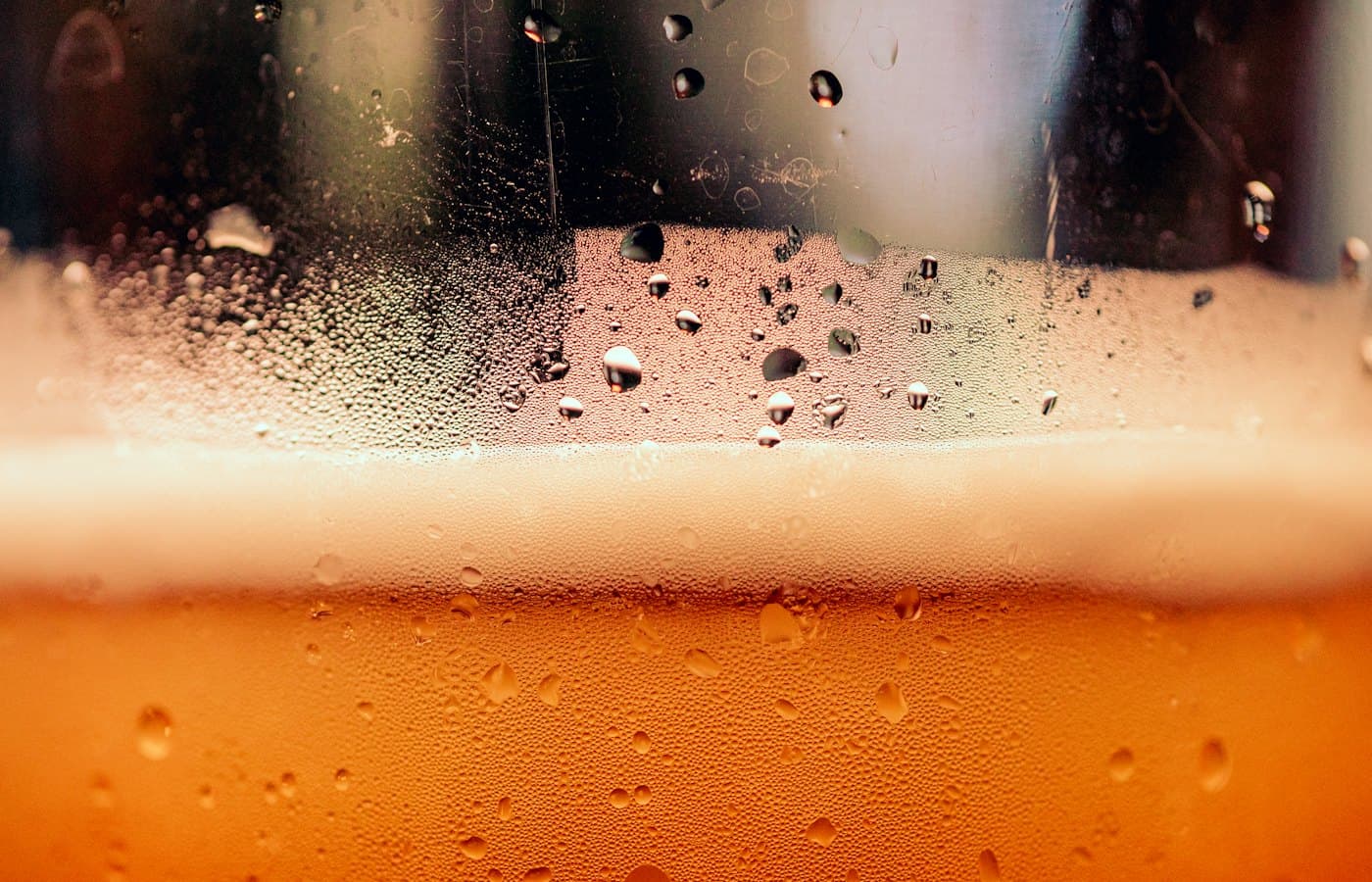 4 picksOrganic Beer & SpiritsBeer and spirits whose makers state an organic certification, and how to check the claim on the label.
Related guides
 Heavy metals in baby foodFDA's Closer to Zero action levels as they stand today, and why an organic seal does not address heavy metals.
 How to read a USDA Organic labelThe four USDA organic label tiers, which ones may carry the seal, and where the certifier's name is printed.
Questions people ask
What does the USDA Organic seal mean on a drink?
It means the product contains at least 95 percent organic ingredients, not counting salt and water, and that a USDA-accredited certifying agent approved the label. The certifier's name appears on the package. The seal is about how ingredients were farmed and processed. It is not a rating of nutrition, sugar, caffeine or taste.
What is the difference between organic wine and wine made with organic grapes?
Organic wine has no added sulfites and may carry the USDA Organic seal. Wine made with organic grapes uses only certified organic grapes but may contain added sulfur dioxide, with total sulfites capped at 100 parts per million, and it may not carry the seal. Both must name their certifier on the label.
Are Fair Trade and Rainforest Alliance the same as organic?
No. Fair Trade Certified sets social, environmental and economic standards for how a crop is produced and traded. The Rainforest Alliance seal covers farms audited against its own sustainability standard. Neither certifies organic farming. The Smithsonian's Bird Friendly seal is different: its farms must also be certified organic.
Does organic certification cover alcohol content or sugar?
No. Those are separate label facts. Sugar is on the Nutrition Facts panel. For alcohol, federal rules treat any kombucha at 0.5 percent alcohol by volume or more as an alcohol beverage, organic or not. An organic seal on beer, wine or spirits says nothing about strength.
Sources
Each page was opened and read on October 11, 2026.
- USDA Agricultural Marketing Service: Labeling Organic Products
- Alcohol and Tobacco Tax and Trade Bureau (TTB): Alcohol FAQs, Organic Alcohol
- Alcohol and Tobacco Tax and Trade Bureau (TTB): Kombucha Information and Resources
- Smithsonian's National Zoo and Conservation Biology Institute: About Bird Friendly Coffee
- Fair Trade USA: Why Fair Trade