Organic Drinks
Organic Juice
Organic juice carries the USDA Organic seal, which covers how the fruit or vegetables were grown and how the juice was processed. It does not tell you whether the juice is from concentrate, whether it is pasteurized or how much sugar it holds. Those answers are on the ingredient list and the Nutrition Facts panel.
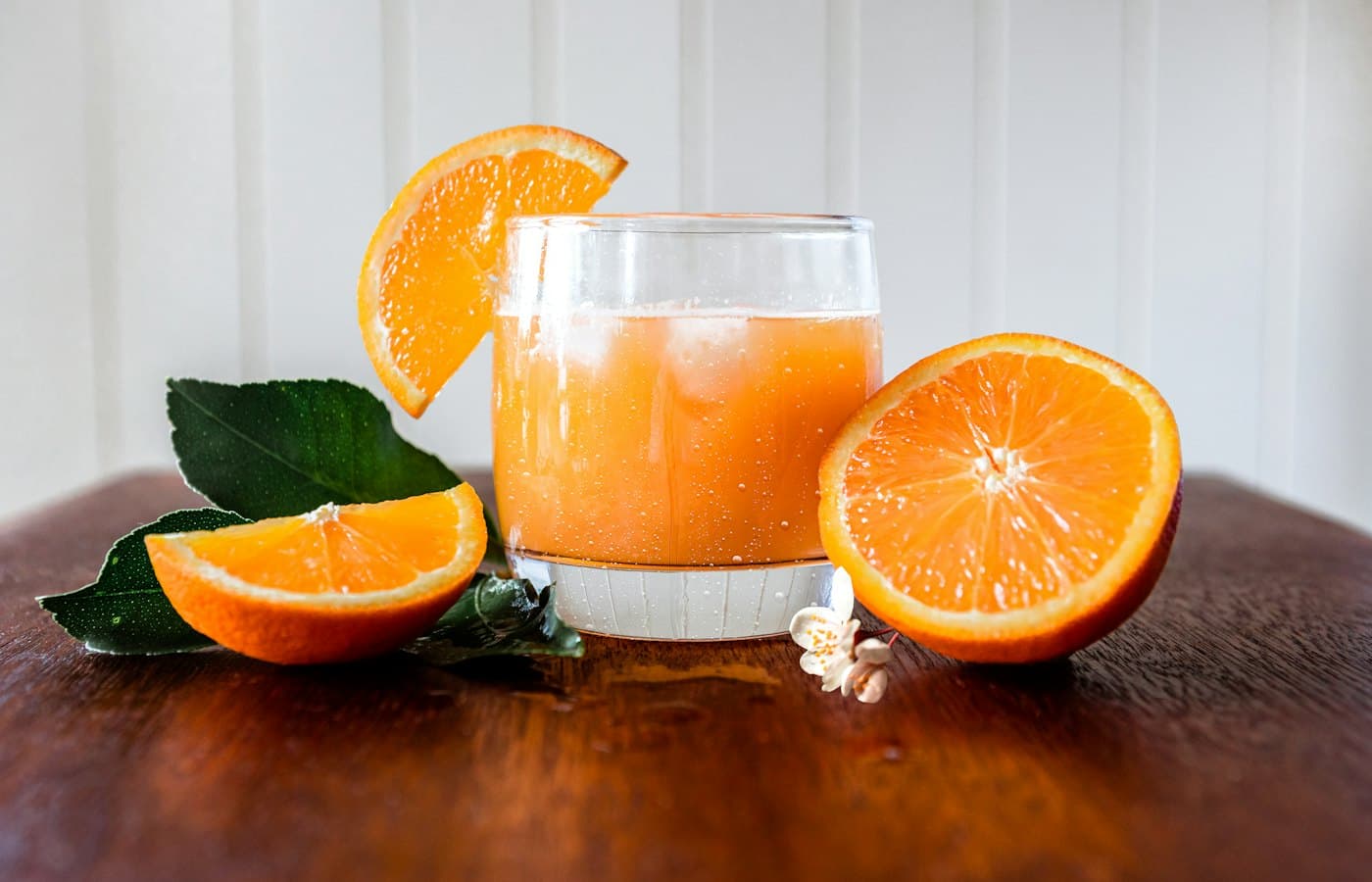
What organic means here
This page lists juices whose makers state USDA Organic certification, or certified organic fruit under USDA standards, on their own product pages. We note whether each one is from concentrate, because the brands say so. Organic is a farming and processing standard. It does not change the sugar in juice or the pediatric advice about how much children should drink.
Look for
- The USDA Organic seal and a "Certified organic by" line naming the certifier
- The ingredient list: one fruit, a blend, or "filtered water" and "concentrate"
- "Not from concentrate" stated on the label if that matters to you
- Added sugars on the Nutrition Facts panel, which should read zero for 100 percent juice
Be wary of
- "Juice drink", "cocktail" or "beverage" in small print: these are not 100 percent juice
- Fresh-pressed juice sold by the glass or bottled on site, which may not be pasteurized
- Wellness shots and juices that promise a health result, whatever seal they carry
Products that carry the certification
We have not tested these products. Each one was checked against the brand’s own page and the certifier’s records. Product links may be affiliate links: if you buy through one we may earn a commission, at no extra cost to you. How we choose.
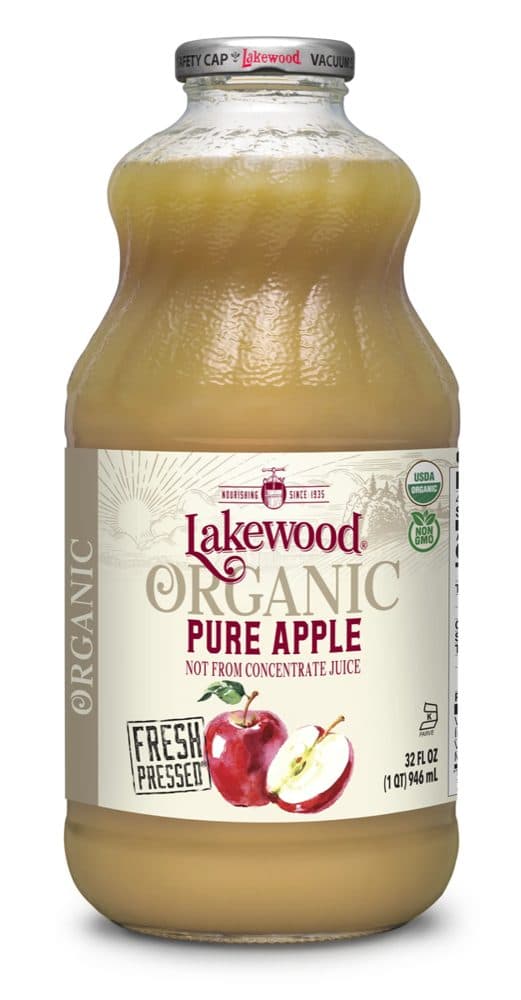
Photo: Lakewood Organic 1Lakewood OrganicOne ingredient, glass bottleOrganic Pure Apple Juice
A single-ingredient juice: the product page lists organic apple juice and nothing else, with no added sugar, no added water and no preservatives. The brand says the apples are certified organic, grown to USDA organic farming standards, and that every Lakewood juice is bottled in glass.
Good to know: The page describes the apples as certified organic and does not name the certifier, so check the bottle for the "Certified organic by" line. The page notes that all of the sweetness comes from the apples.
Checked against: lakewoodorganic.com
View at brand sitelakewoodorganic.com
- 2Uncle Matt's OrganicOrange juice, not from concentrate
Pulp Free Orange Juice
- USDA Organic
- Glyphosate Residue Free
An orange juice the product page lists as USDA Organic, not from concentrate and with no added sugar. The company's organic commitment page shows the USDA certified organic seal and says the company is certified Glyphosate Residue Free by an outside testing organization.
Good to know: Glyphosate Residue Free is a private testing program, separate from USDA Organic. The brand also sells juice blends with added functional ingredients, which are different products.
Checked against: unclematts.com · unclematts.com
View at brand siteunclematts.com
- 3R.W. Knudsen FamilyUnsweetened tart cherry juice
Organic Just Tart Cherry Juice
A tart cherry juice the product page marks USDA Organic, Non-GMO Project Verified and no added sugar. The ingredient list reads organic red tart cherry juice, made from filtered water and organic red tart cherry juice concentrate.
Good to know: Made from concentrate, as the ingredient list states. The brand also sells "Just" juices that are not labeled organic, so check for the word on the bottle.
Checked against: rwknudsen.com
View at brand siterwknudsen.com
- 4Santa Cruz OrganicJuice blend, certifier named
Organic Cranberry Grape
A blend the product page describes as organic 100% juice with no added sugar, Non-GMO Project Verified and certified kosher. The brand's FAQ says Quality Assurance International performs its organic certification and that QAI is an accredited certifying agent under the USDA's National Organic Program.
Good to know: Made from concentrates of organic red grape, apple and cranberry juice with filtered water. Red grape is listed first, ahead of apple and cranberry.
Checked against: santacruzorganic.com · santacruzorganic.com
View at brand sitesantacruzorganic.com
Products with a photo are shown first; otherwise the order says nothing about quality. Certifications can lapse: check the certifier’s database before you buy.
What the organic seal covers on juice
The USDA Organic seal on juice means the fruit or vegetables were grown under the federal organic rules and the juice was processed by a certified company. A product sold as "organic" must contain at least 95 percent organic ingredients, not counting salt and water.
The seal does not sort juice by how it was made. A juice pressed and bottled directly and a juice rebuilt from concentrate and water can both be USDA Organic. If the difference matters to you, the ingredient list is where you will find it. Our guide on how to read a USDA organic label walks through the tiers.
Pasteurized or not: what the FDA says
The FDA says most juice sold in the United States is pasteurized or otherwise treated to kill harmful bacteria. Some juice sold at grocery stores, health food stores, cider mills, farmers' markets and juice bars is made on site and has not been treated.
Packaged untreated juice must carry a warning label saying it has not been pasteurized and may contain harmful bacteria that can cause serious illness in children, the elderly and persons with weakened immune systems. The FDA notes that juice sold by the glass does not have to carry that label, so ask. Organic certification is a separate question from treatment: an organic juice can be either.
Juice and children
These limits are the same for organic and conventional juice. An organic seal changes how the fruit was farmed, not how much sugar a cup of juice contains. For younger eaters, see our pages on organic baby food.
Reading the rest of the label
- "100 percent juice" describes the contents. "Juice drink" and "cocktail" mean something has been added, usually water and sweetener.
- "From concentrate" appears in the ingredient list as water plus juice concentrate.
- "No added sugar" does not mean low sugar. The sugar in juice comes from the fruit.
- Non-GMO Project Verified is a separate program from organic. Our page on Non-GMO Project Verified explains what it adds.
Questions people ask
Is organic juice lower in sugar than regular juice?
No. Organic certification covers how the fruit was grown and how the juice was processed. The sugar in 100 percent juice comes from the fruit itself, so an organic apple juice and a conventional one will be similar. Compare the Nutrition Facts panels, and look at the added sugars line to be sure nothing was added.
Can I give organic juice to my baby?
The American Academy of Pediatrics recommends that fruit juice not be given to infants under 12 months of age, and that applies to organic juice too. After the first birthday it favors whole fruit and sets small daily limits on juice. Your pediatrician can tell you what makes sense for your child.
Is organic juice always pasteurized?
Not always. Organic rules do not decide whether a juice is heat-treated. The FDA says most juice sold in the United States is pasteurized or otherwise treated, and that packaged juice which is not must carry a warning label. Look for that label on refrigerated and locally made juices, and ask when juice is sold by the glass.
What does "from concentrate" mean on organic juice?
It means the juice was reduced to a concentrate and later mixed with water again. On the ingredient list it reads as filtered water and juice concentrate. A juice from concentrate can still be USDA Organic if the concentrate is organic. "Not from concentrate" is a separate statement that brands print when it applies.
Do organic juice blends count as 100 percent juice?
Some do and some do not. A blend of several fruit juices can be 100 percent juice, and the label will say so. Products called juice drinks, cocktails or beverages usually contain added water and sweeteners. The organic seal can appear on either kind, so read the front panel and the ingredient list together.
Sources
Each page was opened and read on October 11, 2026.
Keep reading
 DrinksOrganic Plant MilksUSDA Organic almond, soy and other plant milks, and what the seal does not say about nutrition.
 DrinksOrganic KombuchaUSDA Organic kombucha, what the seal covers, and the federal 0.5% alcohol line.
 Formula & FeedingOrganic Baby Food & PouchesUSDA Organic purees in jars and pouches, with an honest look at heavy metals and FDA Closer to Zero.
 GuideHeavy metals in baby foodFDA's Closer to Zero action levels as they stand today, and why an organic seal does not address heavy metals.