Home & Garden
Organic Pets
For pets, organic is a real certification on food and treats, a possible one on soap-based shampoo, a claim about fabric or latex on beds, and not available at all for toys and litter. On food, the USDA Organic seal covers how ingredients were produced. The AAFCO statement covers nutrition. You need both.
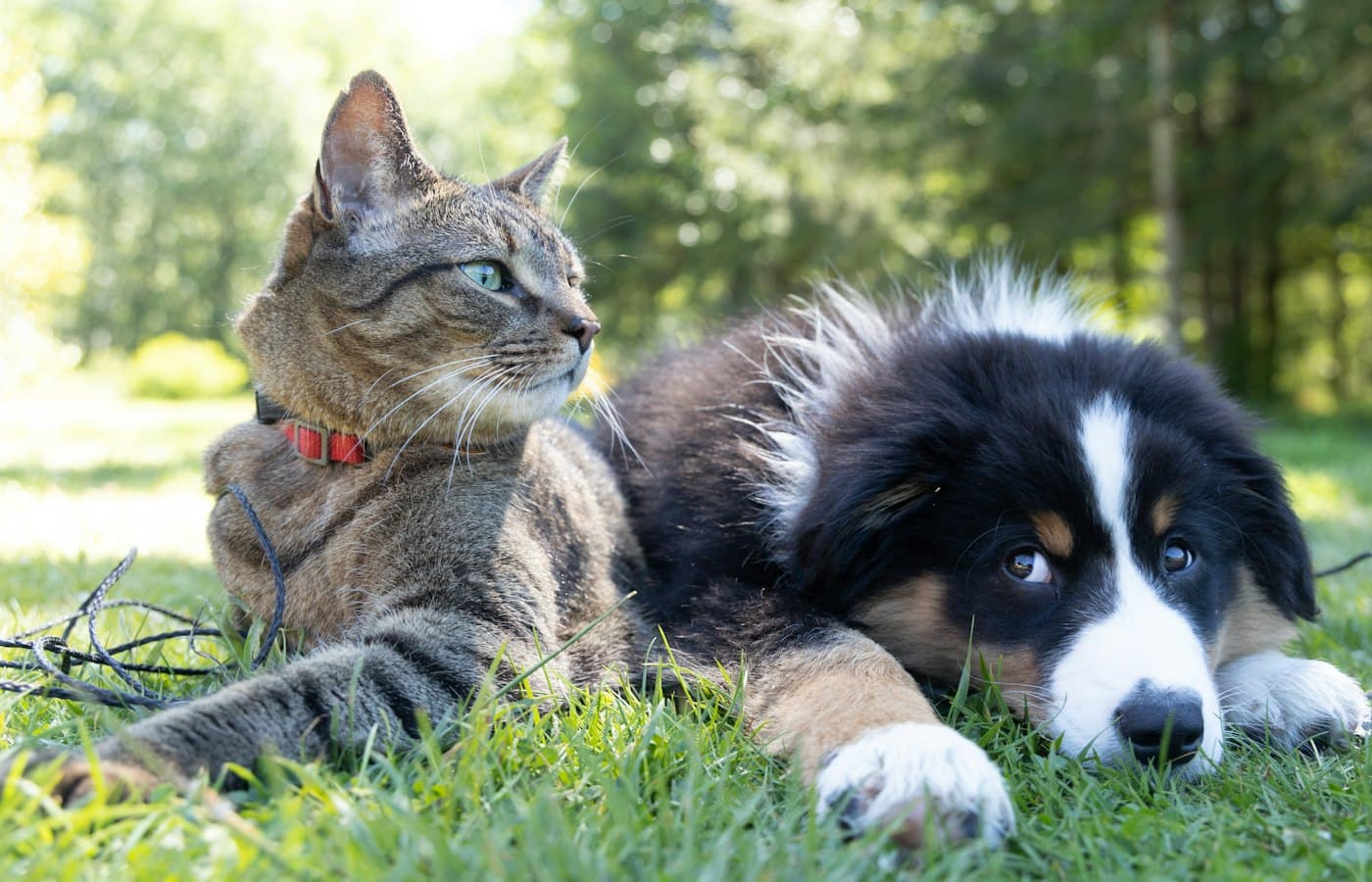
This department covers what a dog or cat eats, wears on its coat, sleeps on, plays with and uses as a litter box. Food is the clear case. USDA says pet food may be certified to its current organic production and handling standards, so organic dog food and organic cat food follow the same label tiers as your own groceries: at least 95 percent organic ingredients to be sold as organic and carry the seal.
The seal is half the label. Whether a food is a full diet is stated separately, in the nutritional adequacy statement that follows AAFCO's nutrient profiles or feeding trial procedures. On every food pick we say whether the brand's page calls the product certified USDA Organic as a whole or only names organic ingredients, and whether it prints that statement. We make no health claims for organic food. Ask your veterinarian before changing your pet's diet.
Past the food bowl, certification thins out. A pet shampoo made from organic plant oils can be certified, but the more urgent check there is the essential oil list, because veterinary schools warn that some oils are toxic to cats and dogs. On pet beds, organic claims belong to the cotton cover or the latex core. Toys and cat litter carry no organic certification, and their pages say so plainly on every pick.
Categories
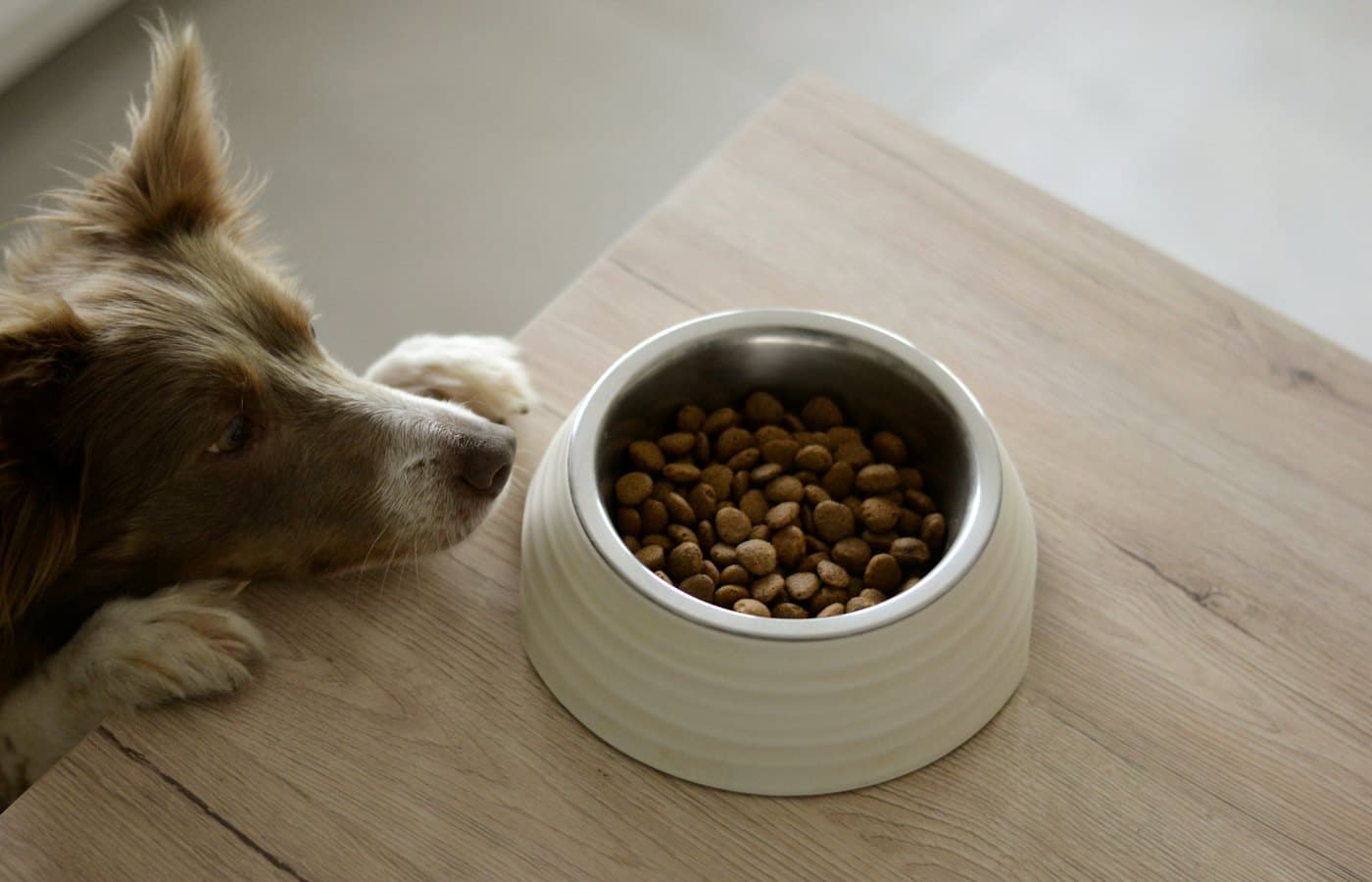 4 picksOrganic Dog FoodTwo label checks: the USDA Organic seal for how it was grown, the AAFCO statement for whether it is a full diet.
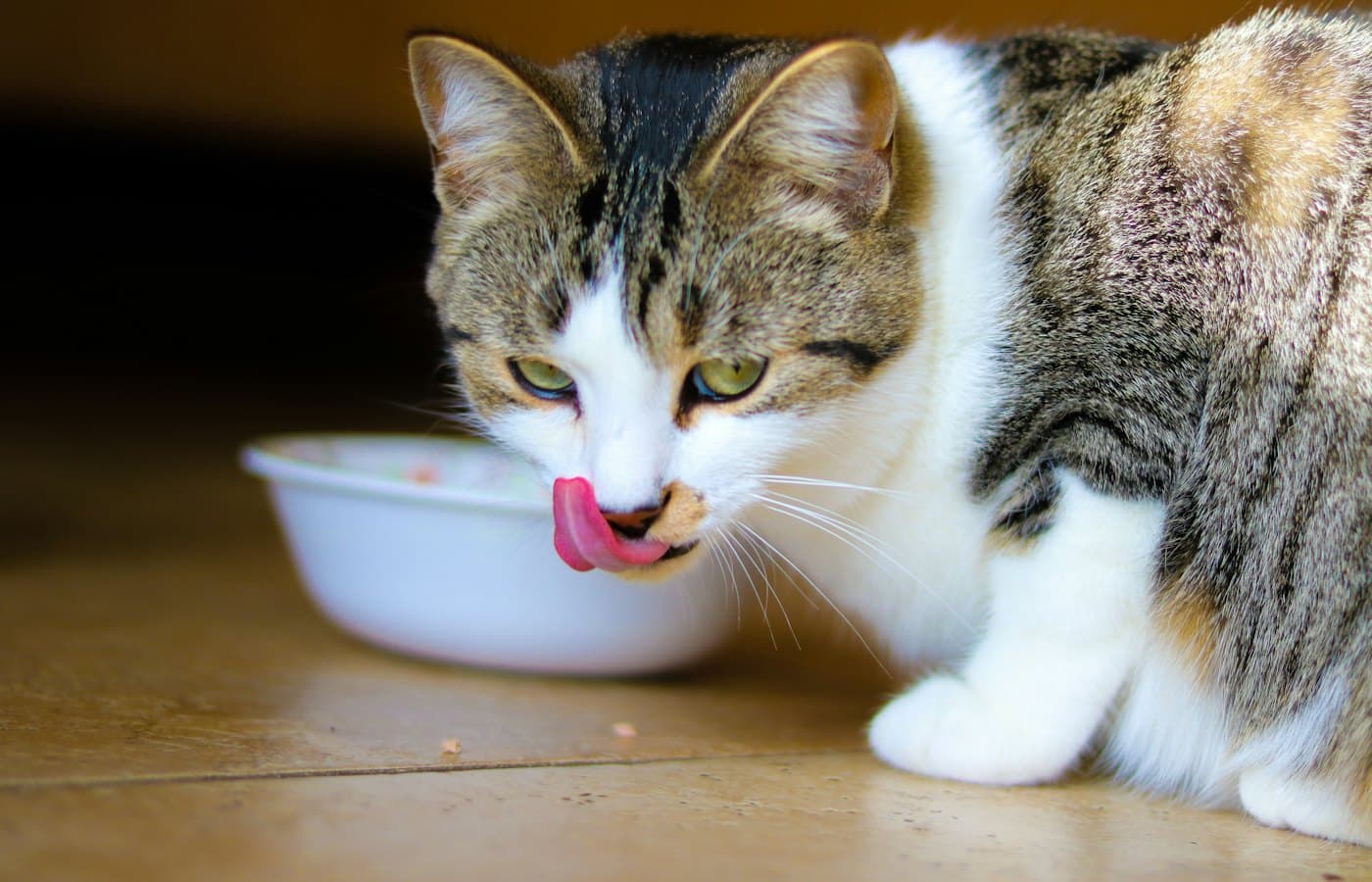 3 picksOrganic Cat FoodFew cat foods are certified organic. Check for the USDA Organic seal, then for the AAFCO statement.
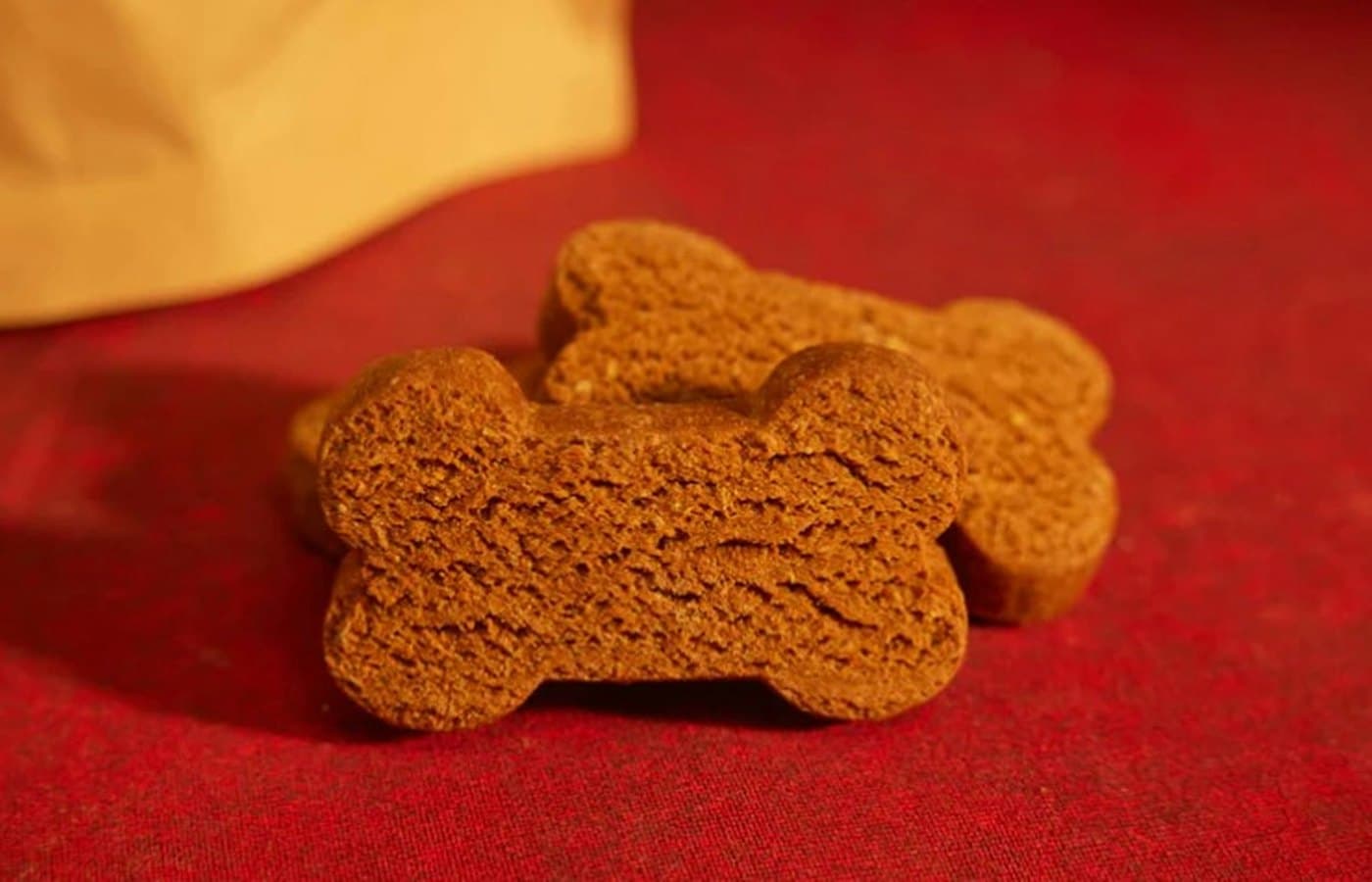 3 picksOrganic Dog TreatsTreats can carry the USDA Organic seal. They are not complete diets, so the seal is the main thing to verify.
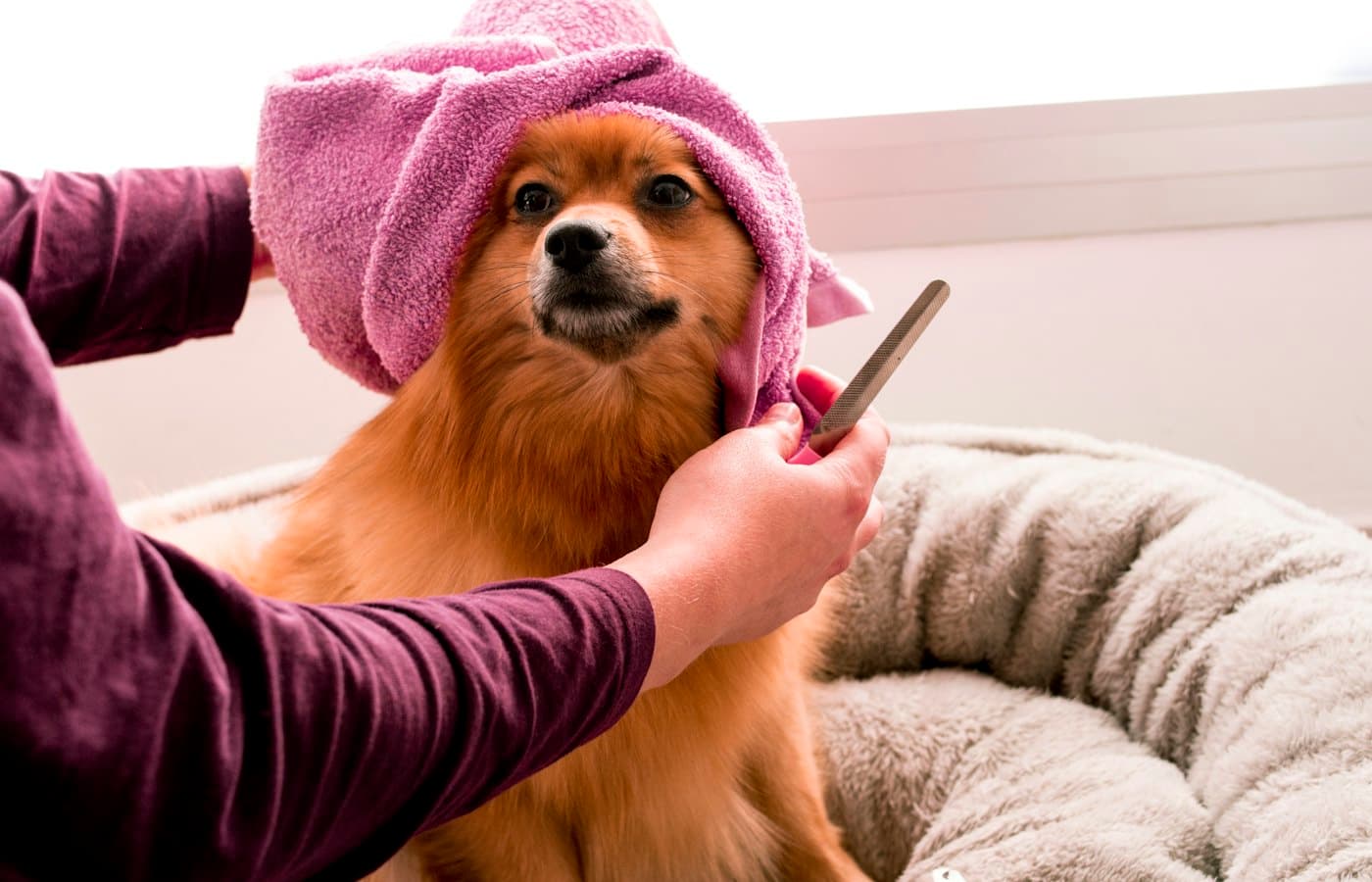 3 picksOrganic Pet Shampoo & GroomingSome pet shampoos are certified USDA Organic. Check the seal, then check the essential oils, especially for cats.
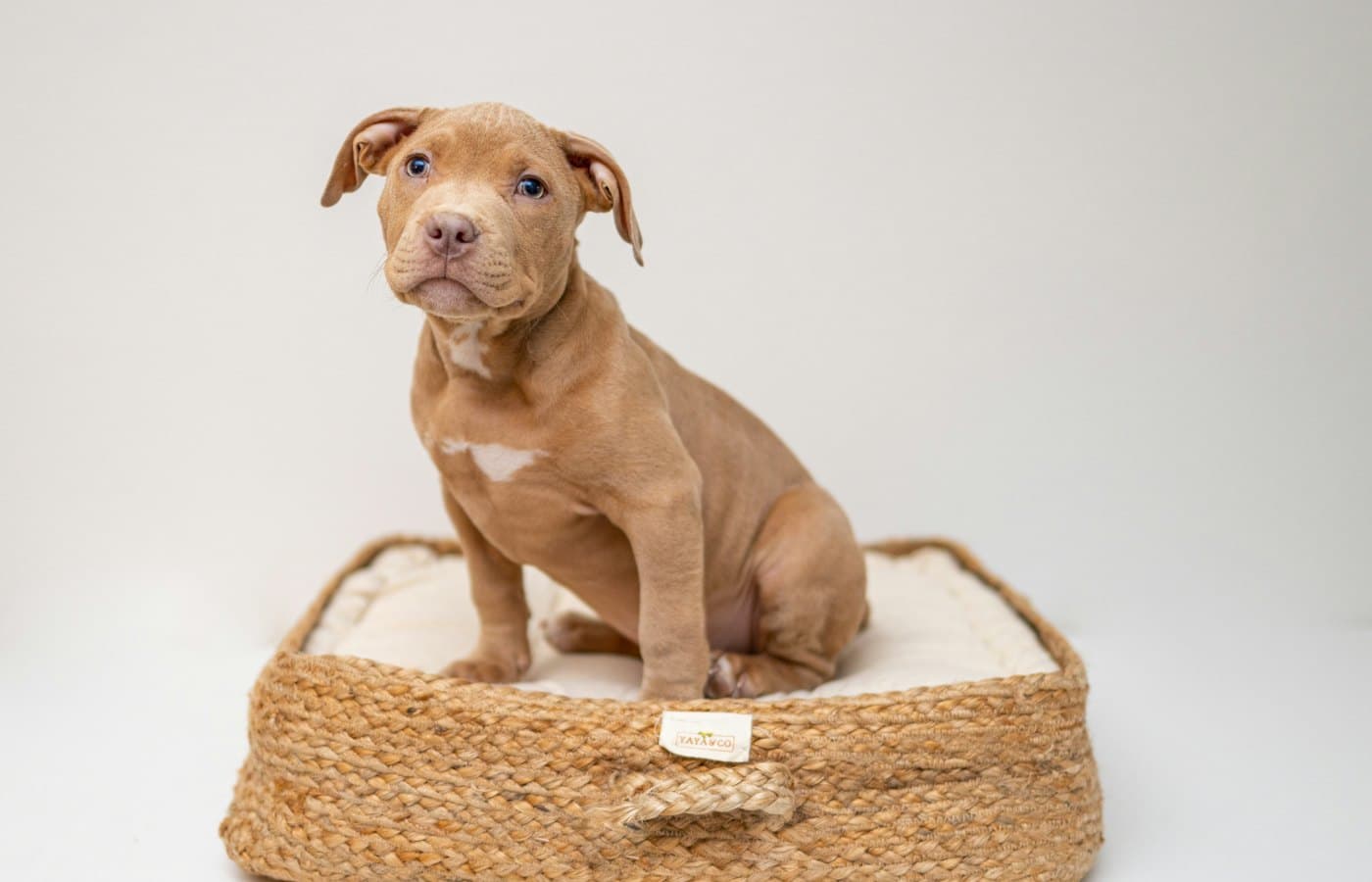 3 picksOrganic Pet BedsA pet bed is a cover plus a fill. Organic claims usually cover one of them. Here is how to tell which.
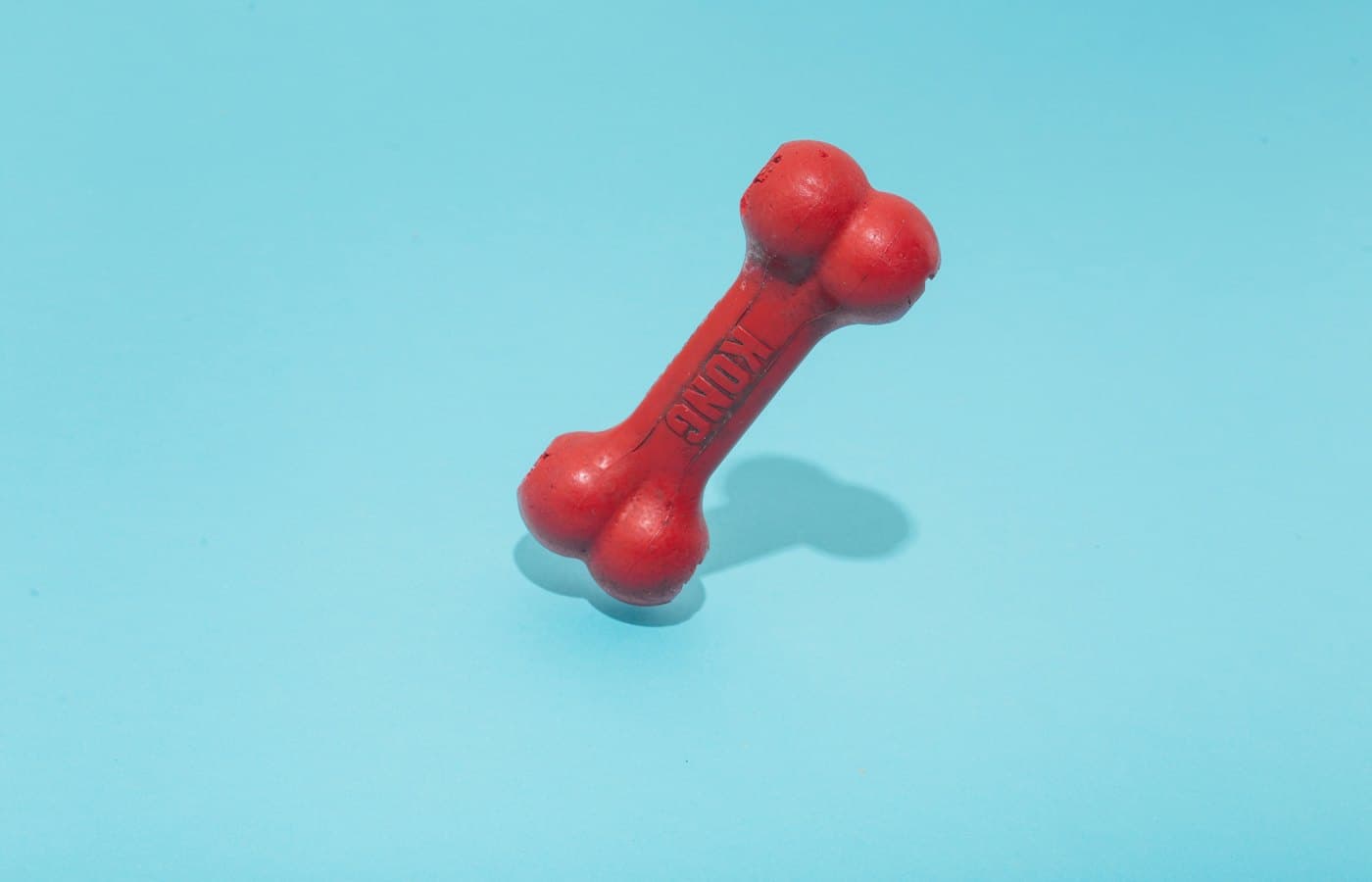 3 picksNatural Pet ToysPet toys cannot be certified organic. Judge them on named materials, honest claims and how they hold up to chewing.
 3 picksNatural Cat LitterCat litter is not certified organic. Compare plant-based litters on what they are made of and what is added.
Questions people ask
Is organic pet food regulated by the USDA?
Yes. USDA's National Organic Program says pet food may be certified to its current production and handling standards and must follow its labeling rules. USDA also published pet food specific standards in a final rule on December 23, 2024, then proposed rescinding that rule on May 12, 2025. As of October 11, 2026, USDA's page says operations must continue to comply unless the rule is rescinded.
Does AAFCO approve or certify pet food?
No. AAFCO describes itself as a non-profit organization that sets standards for animal feeds and pet foods, and says its models are not official regulations, though most states have adopted a version. Pet food makers base complete and balanced claims on AAFCO's nutrient profiles or feeding trial procedures. FDA notes that seals of approval from other organizations are not assurances of nutritional adequacy.
Are essential oils in organic pet products safe?
Organic certification does not answer that. Tufts University's veterinary school says essential oils can be very dangerous for pets, particularly in concentrated form, and that tea tree oil is never safe to use on cats. Cornell's veterinary college lists tea tree oil as highly toxic to dogs and especially cats. Show the ingredient list to your veterinarian before using a scented product on your pet.
Which pet products cannot be organic at all?
Toys and cat litter, in practice. A toy is an assembled object, so at most a fabric or filling could be certified, and the toy pages we read name no certifier. The plant-based litters we read about call themselves natural, not organic. On those pages we list products for their disclosed materials and say on each one that it carries no organic certification.
Sources
Each page was opened and read on October 11, 2026.
- USDA Agricultural Marketing Service: Labeling Organic Products
- USDA Agricultural Marketing Service: Rescinding National Organic Program; Market Development for Mushrooms and Pet Food
- FDA: "Complete and Balanced" Pet Food
- AAFCO: Understanding Pet Food, Reading Labels
- Tufts Now (Cummings School of Veterinary Medicine): Are essential oils dangerous to pets?