Baby & Family
Organic Baby Formula & Feeding
For anything a baby eats, organic means the USDA Organic seal or EU organic certification. That seal covers how ingredients were farmed and processed. It does not make a formula nutritionally different in the eyes of the FDA, and it does not address heavy metals. Bottles and spoons cannot be certified organic at all.
Not medical advice. This page describes labels and certifications. It is general information, and it does not replace your pediatrician, doctor or midwife, who know you and your child.
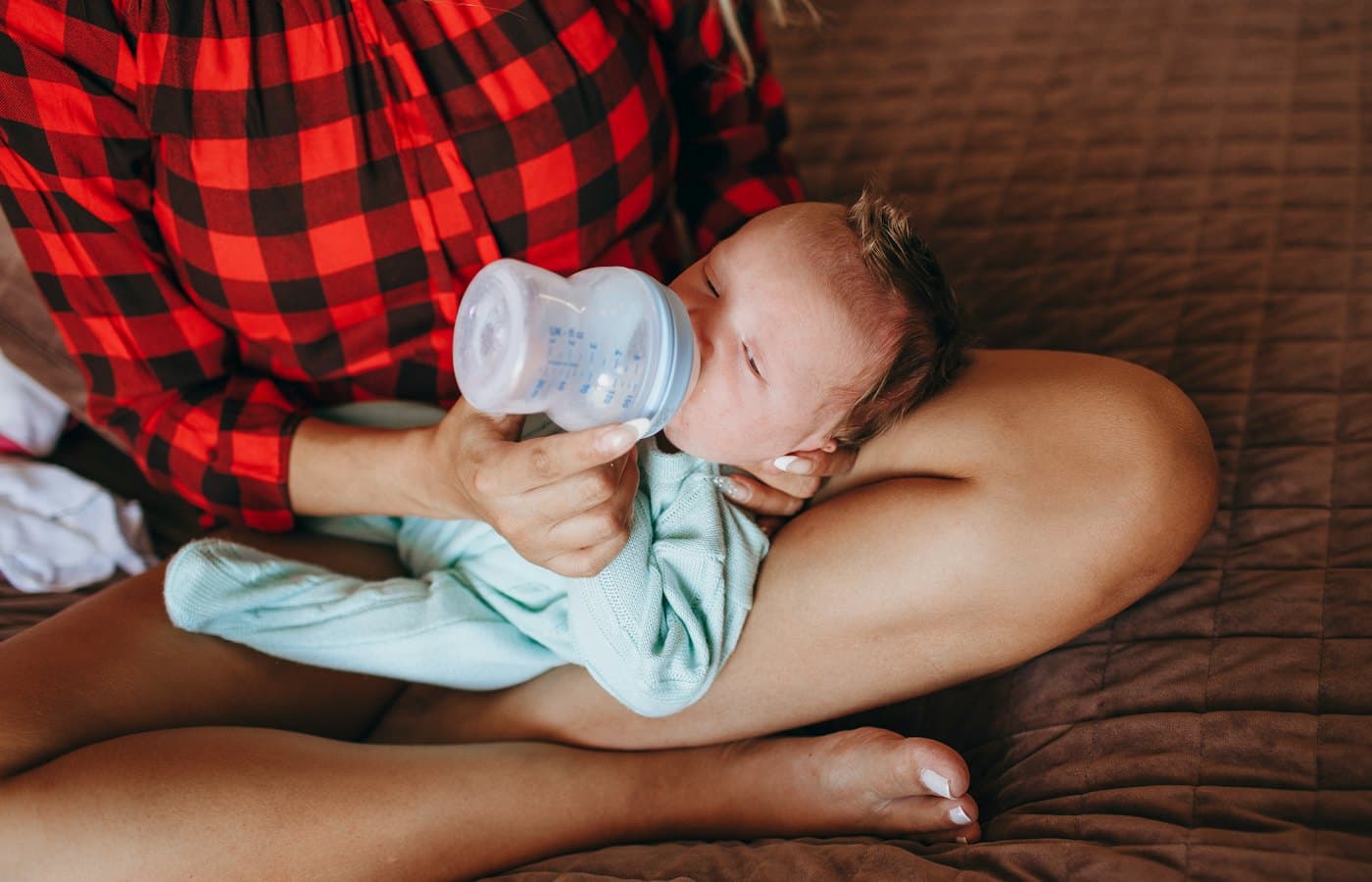
This department covers what goes into a baby and what carries it there: infant formula, toddler drinks, cereal, purees, snacks, and the bottles and spoons used to serve them. For food, we list products that carry the USDA Organic seal, and we confirm each one on the brand's own page. For organic infant formula we also check the FDA's public list of formulas marketed in the United States, because a certified organic formula that has not gone through the FDA's notification process is not one we will point you to.
Organic certification is about farming and processing. It does not test for lead, arsenic or cadmium, which is why the pages on baby food and baby cereal explain the FDA's Closer to Zero work, and why we wrote a separate guide to heavy metals in baby food.
Bottles, nipples, bowls and spoons are not farm products, so no organic seal applies. On the bottles and feeding gear page we judge them on material (glass, stainless steel, silicone) and say plainly that they carry no organic certification. Nothing here is medical advice. The American Academy of Pediatrics recommends breastfeeding where possible, and how you feed your baby is a decision to make with your pediatrician.
Categories
 5 picksOrganic Infant FormulaUSDA Organic infant formulas that also appear on the FDA's list of formulas marketed in the US.
 3 picksOrganic Goat Milk FormulaNo goat milk infant formula on the FDA's list is certified organic. Here is what is on the list.
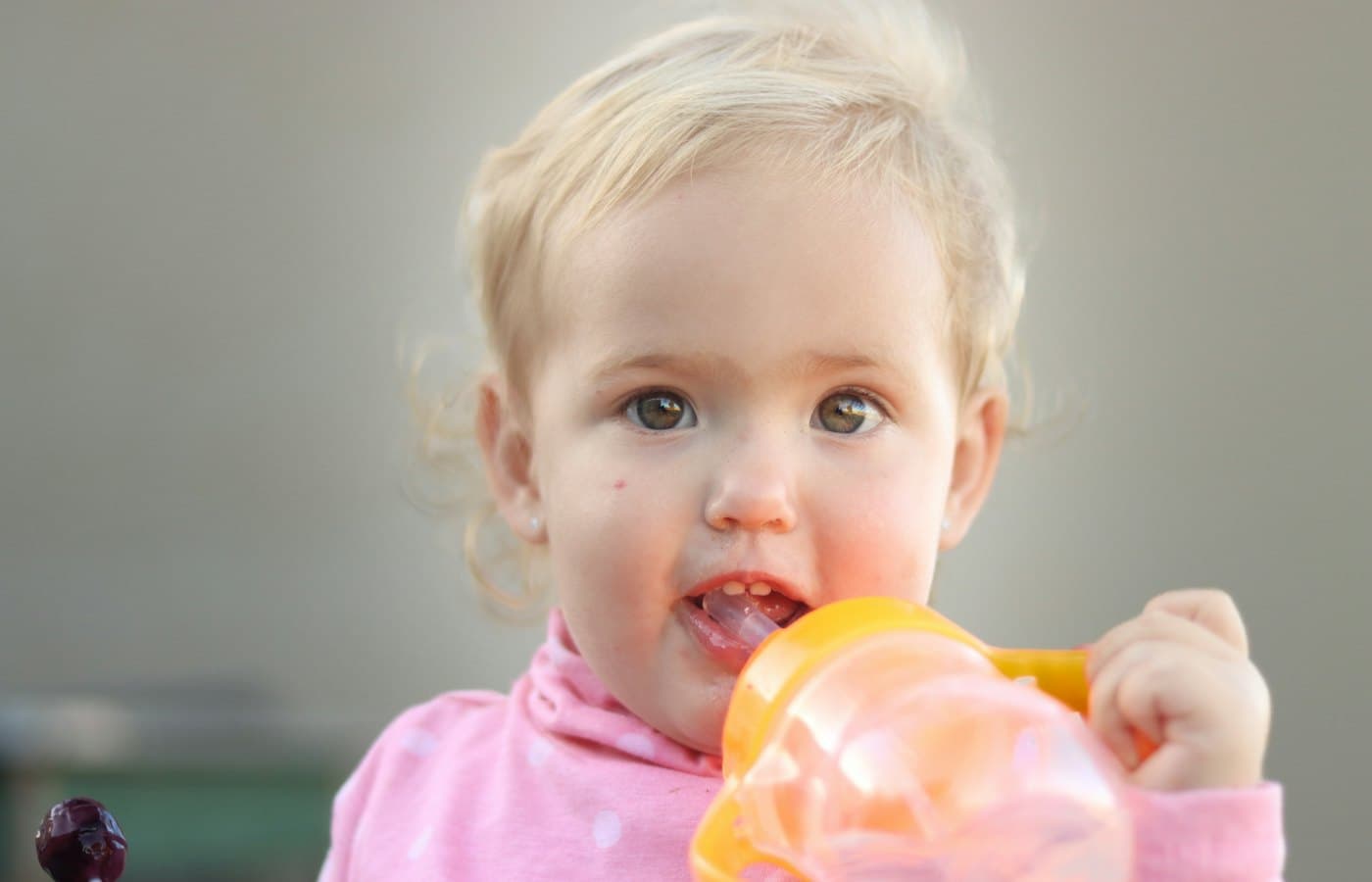 3 picksOrganic Toddler FormulaUSDA Organic toddler drinks for 12 months and up, and why the AAP says most toddlers do not need one.
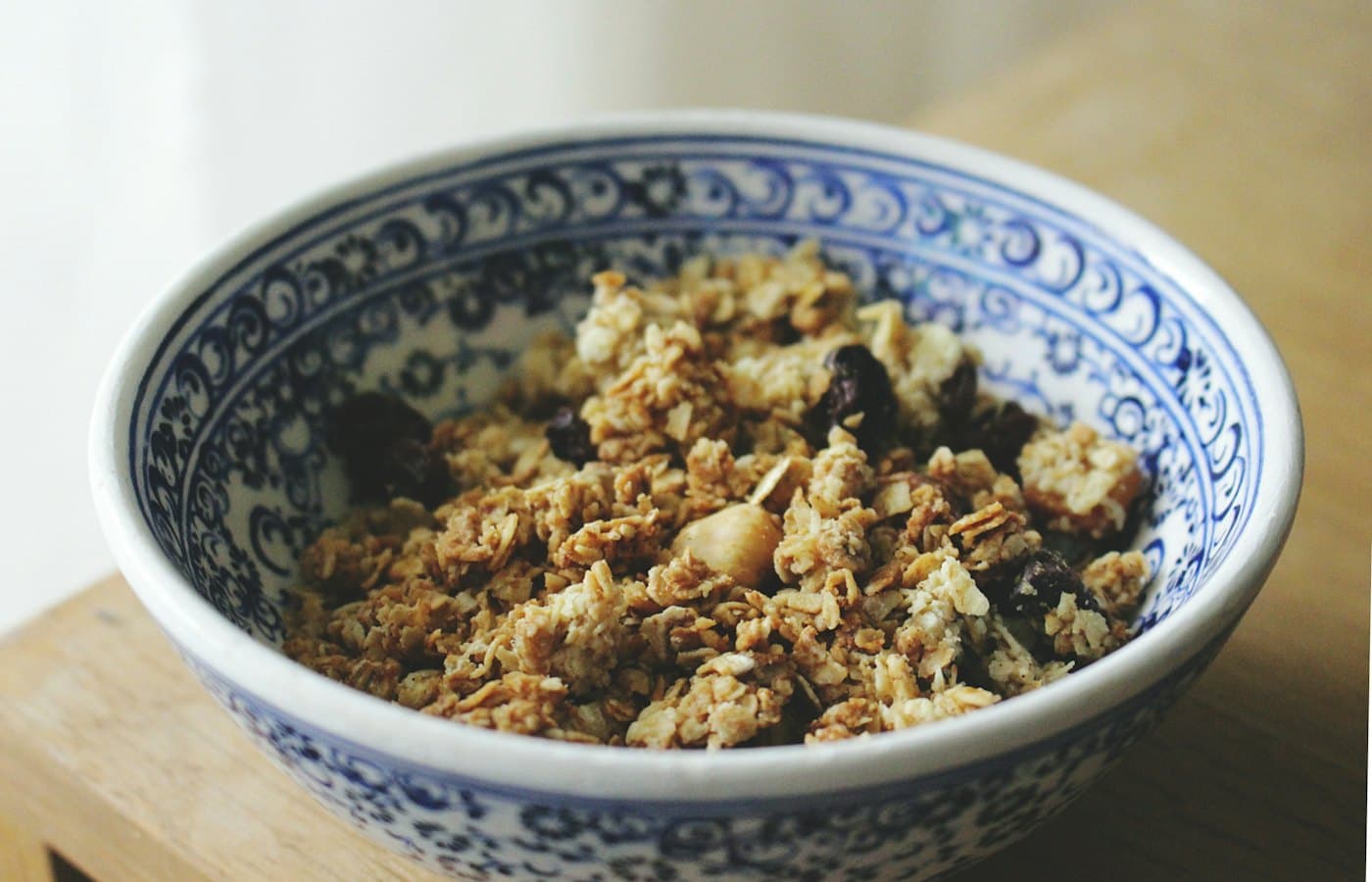 3 picksOrganic Baby CerealUSDA Organic oat and grain cereals for babies, plus what the FDA says about arsenic in rice cereal.
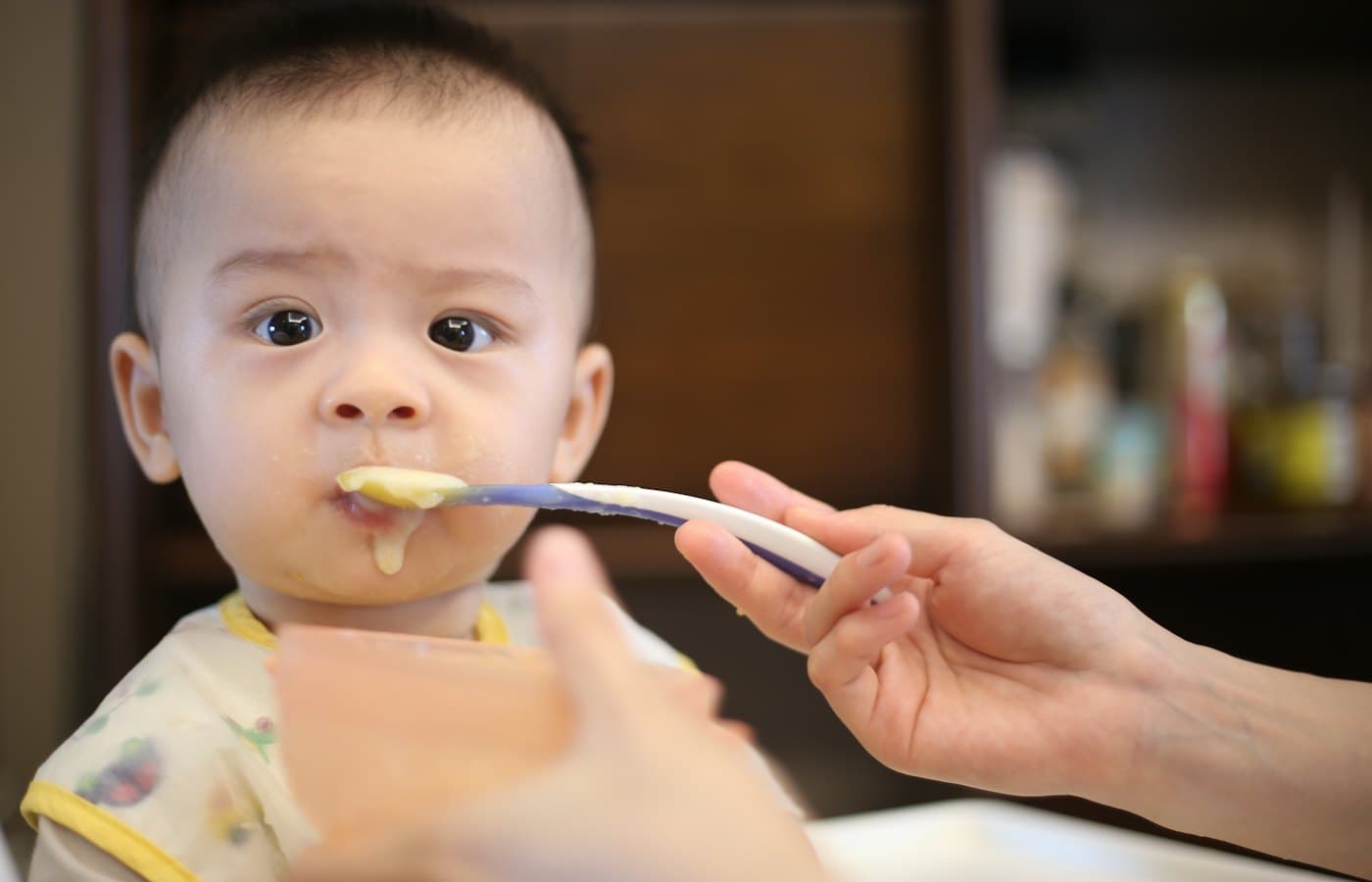 5 picksOrganic Baby Food & PouchesUSDA Organic purees in jars and pouches, with an honest look at heavy metals and FDA Closer to Zero.
 3 picksOrganic Baby SnacksUSDA Organic puffs and teething wafers, with the choking and heavy metal facts the seal does not cover.
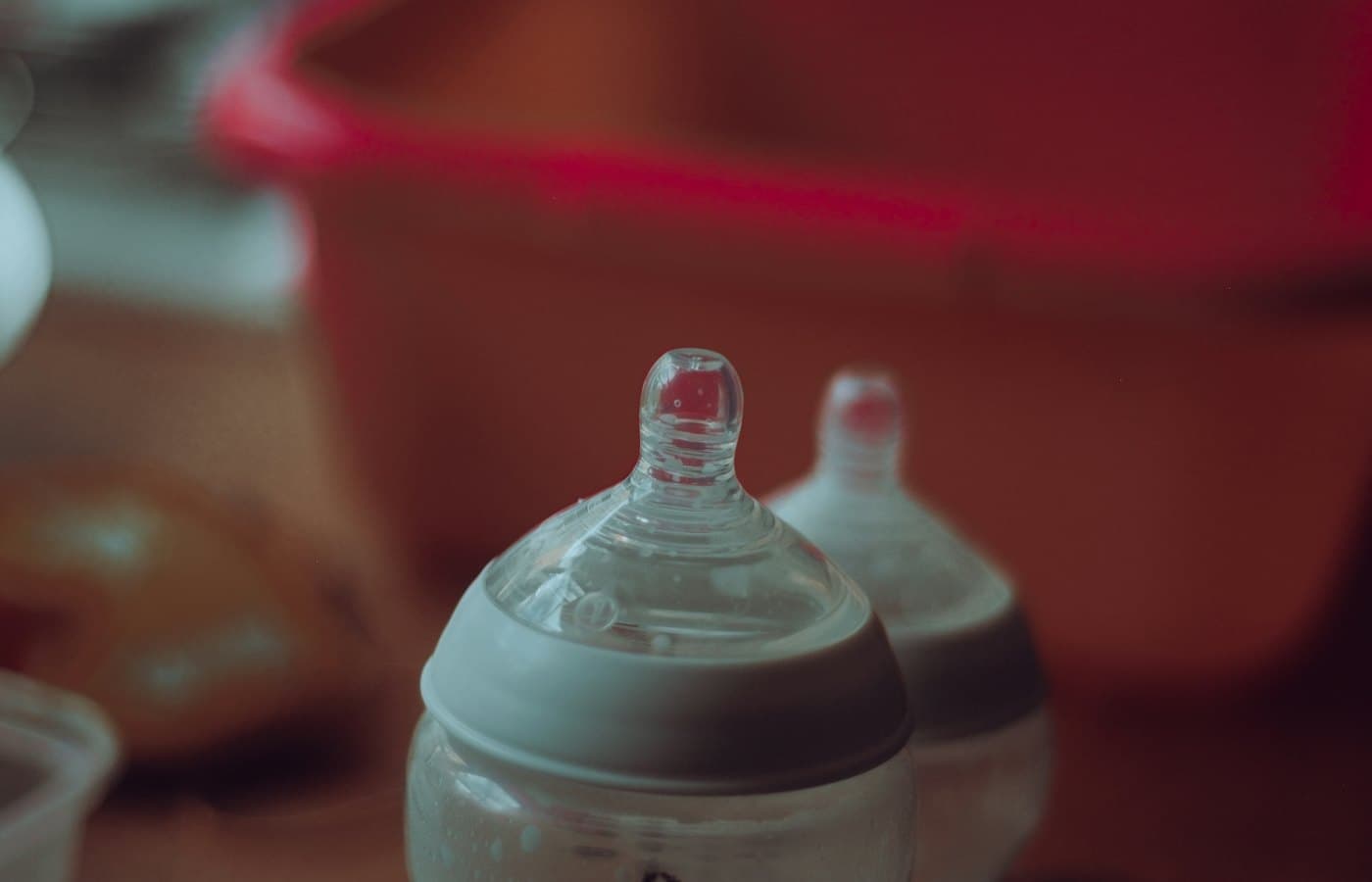 4 picksBaby Bottles & Feeding GearGlass, stainless steel and silicone bottles and first spoons. None can be organic, so we judge the material.
Related guides
 European vs American organic formulaHow U.S. and EU formula rules differ, which imported formulas FDA lists, and what FDA says about third-party importers.
 Heavy metals in baby foodFDA's Closer to Zero action levels as they stand today, and why an organic seal does not address heavy metals.
 How to choose an organic formulaWhat the organic seal covers on infant formula, what FDA requires of every formula, and what to ask your pediatrician.
Questions people ask
Does the FDA approve organic infant formula?
No. The FDA states that it does not approve infant formulas. Manufacturers must register and notify the agency at least 90 days before marketing a new formula in the United States, and every formula sold here has to meet federal requirements for safety and nutritional adequacy, organic or not. The USDA Organic seal is a separate certification about how the ingredients were produced.
Is organic baby food lower in heavy metals?
Not reliably. The American Academy of Pediatrics says organic foods often contain similar levels of heavy metals as non-organic foods, because the metals come from soil and water rather than from sprays. Organic certification limits synthetic pesticides. To lower exposure, the AAP suggests offering a variety of foods and not relying on rice cereal. Talk with your pediatrician if you are worried.
Can a baby bottle be organic?
No. USDA organic rules apply to agricultural products, so a glass, steel or silicone bottle has nothing to certify. Be wary of any bottle sold as organic. What you can check is the material, whether the maker names every part that touches milk, and whether an outside program such as MADE SAFE has certified it.
Do toddlers need an organic toddler formula?
Most do not. The American Academy of Pediatrics said in 2023 that toddler drinks offer no benefit over cow's milk for most children older than 12 months, and that the United States has no uniform standard for them. They must never be given to babies under 12 months in place of infant formula. Ask your pediatrician before buying one.
Sources
Each page was opened and read on October 11, 2026.