Baby Formula & Feeding
Organic Baby Cereal
Organic baby cereal is infant cereal that carries the USDA Organic seal, which covers how the grain was grown and processed. It does not cover heavy metals, and it does not tell you whether iron was added. Check the grain, the iron line on the nutrition panel and the allergen statement before the organic seal.
Not medical advice. This page describes labels and certifications. It is general information, and it does not replace your pediatrician, doctor or midwife, who know you and your child.
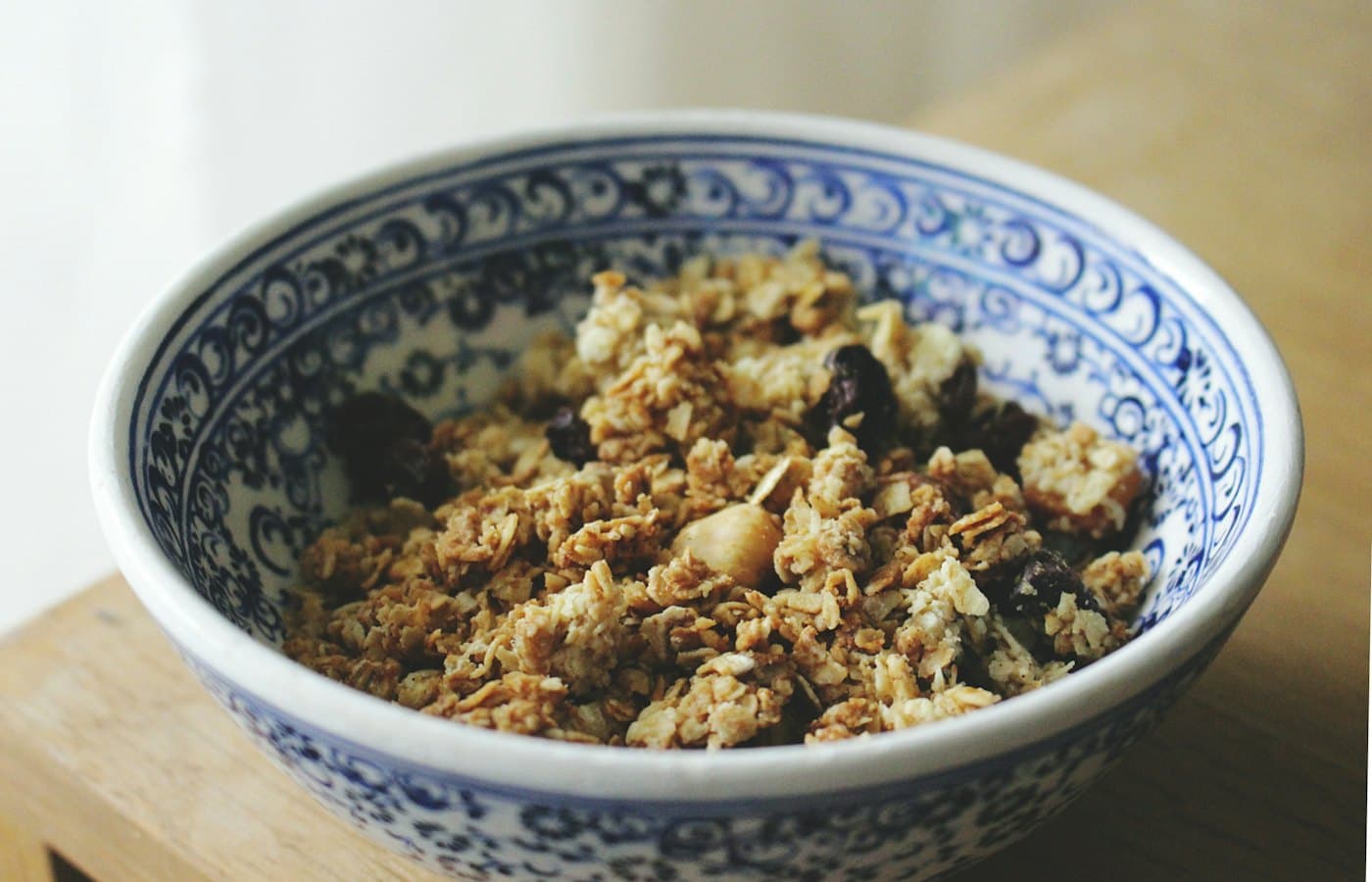
What organic means here
This page accepts baby cereals that the brand states are USDA Organic on the product's own page. We favor oat and mixed-grain cereals over rice, because the FDA and the AAP both say rice cereal does not need to be the first or only cereal. Organic certification does not measure arsenic, lead or cadmium.
Look for
- The USDA Organic seal on the box or pouch, with organic ingredients identified in the ingredient list
- The grain named first in the ingredient list: oat, barley or a mix
- Added iron in the ingredient list and on the nutrition panel
- The allergen statement: wheat, milk and tree nuts all turn up in baby cereals
Be wary of
- Rice as the only cereal your baby eats, organic or not
- "Made with organic oats" on a box that does not carry the USDA Organic seal
- Brown rice syrup as a sweetener, which the AAP suggests trying to avoid
- Instructions or advice to put cereal in a bottle
Products that carry the certification
We have not tested these products. Each one was checked against the brand’s own page and the certifier’s records. Product links may be affiliate links: if you buy through one we may earn a commission, at no extra cost to you. How we choose.
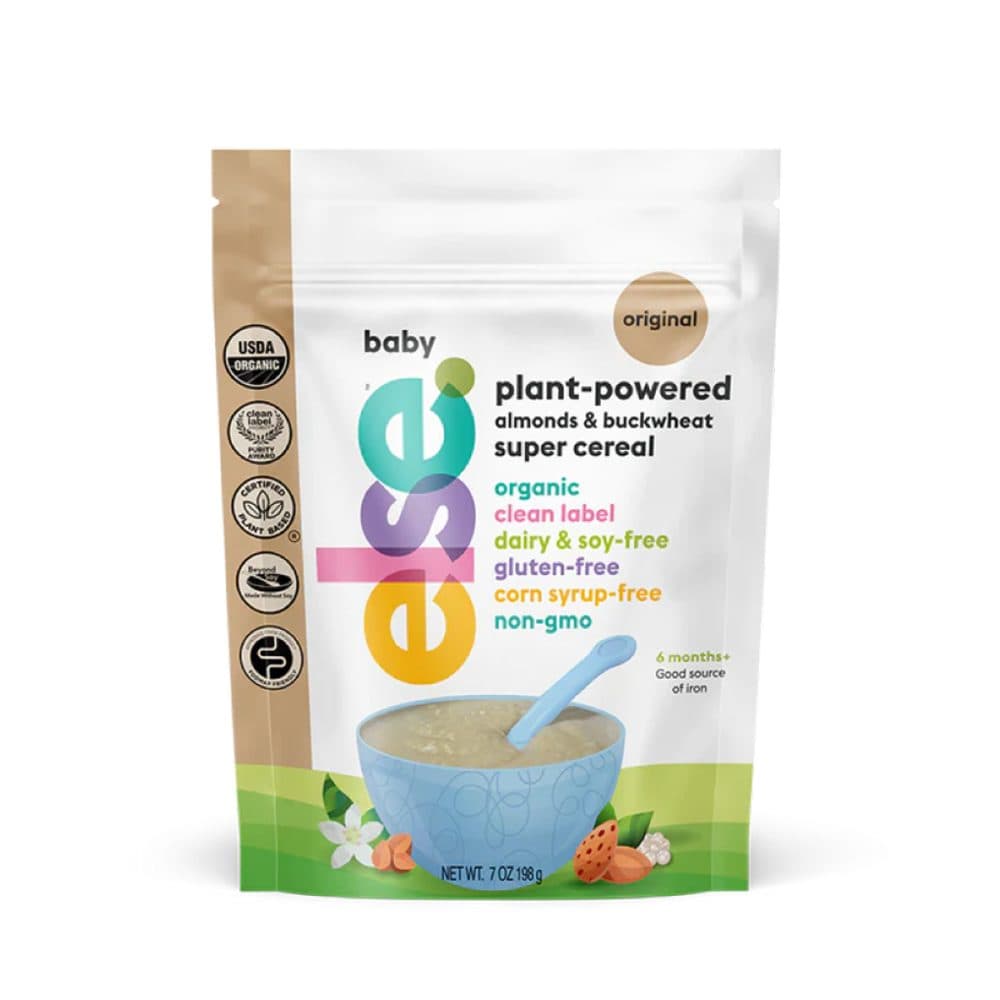
Photo: Else Nutrition 1Else NutritionDairy-free, soy-free, gluten-freeOrganic Baby Cereal, 6+ Months - Original
- USDA Organic
- Clean Label Project
A plant-based cereal for 6 months and up built on organic almonds and buckwheat. The brand's page states it is USDA Organic and non-GMO, holds a Clean Label Project Purity Award, and is free of dairy, soy and gluten, with added vitamins and minerals.
Good to know: Made with almonds, a tree nut. Ask your pediatrician how and when to introduce tree nuts before offering it.
Checked against: elsenutrition.com
View at brand siteelsenutrition.com
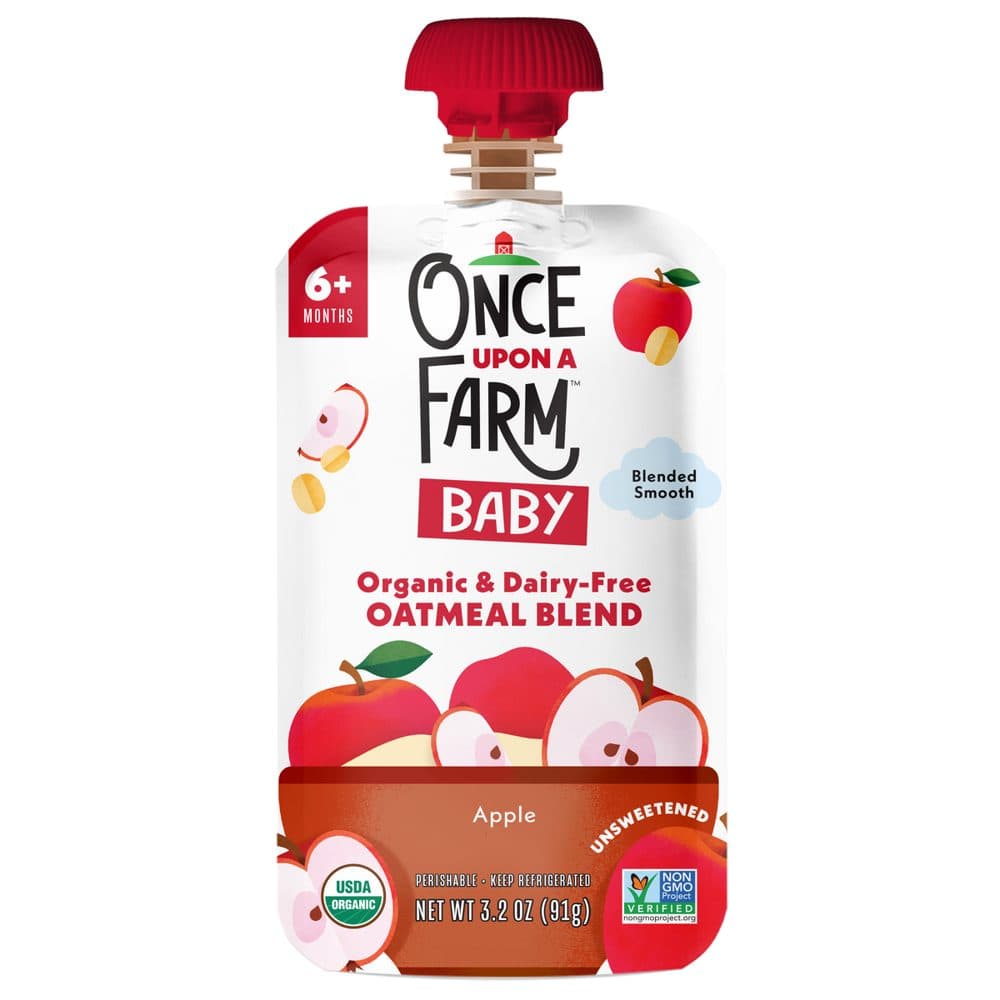
Photo: Once Upon a Farm 2Once Upon a FarmReady-to-eat oats, three ingredientsApple Baby Oatmeal Blend
- USDA Organic
- Non-GMO Project Verified
- Clean Label Project
A ready-to-eat pouch of organic apple, organic oats and organic lemon juice. The product page lists it as USDA Organic, Non-GMO Project Verified and Clean Label Project Purity Awarded, with no added sugar.
Good to know: Not a dry cereal and the ingredient list shows no added iron. It is perishable and must be kept refrigerated. Made on equipment that also processes milk and tree nuts.
Checked against: onceuponafarmorganics.com
View at brand siteonceuponafarmorganics.com
- 3Earth's BestIron-fortified dry oat cereal
Organic Baby Oatmeal
- USDA Organic
- Clean Label Project
A dry cereal made from organic whole grain oat flour with added electrolytic iron. The product page states it is USDA-Certified Organic, made with non-GMO ingredients and Clean Label Project Purity Awarded. It mixes with breast milk, formula or water.
Good to know: The allergen statement says it contains wheat. Clean Label Project is a private testing program, not a federal limit.
Checked against: earthsbest.com
View at brand siteearthsbest.com
Products with a photo are shown first; otherwise the order says nothing about quality. Certifications can lapse: check the certifier’s database before you buy.
What USDA Organic covers on a box of baby cereal
The USDA Organic seal means at least 95 percent of the ingredients, not counting salt and water, are certified organic and that an accredited certifying agent approved the label. For cereal, that is the grain itself: how it was grown, stored and milled.
The seal is not a contaminant test. The American Academy of Pediatrics says organic baby foods may have lower levels of certain pesticides, but that organic foods often contain similar levels of heavy metals as non-organic foods, because the metals come from soil and water.
Rice cereal, arsenic and the FDA's action levels
Rice tends to absorb more arsenic from groundwater than other crops. In August 2020 the FDA finalized an action level of 100 parts per billion for inorganic arsenic in infant rice cereal. In January 2025 it added an action level for lead of 20 parts per billion in dry infant cereals.
Action levels are not safety seals. The FDA describes them as levels at which it may regard a food as adulterated, and its guidance is not legally binding on its own. As of the Closer to Zero page updated in January 2025, action levels for arsenic and cadmium in other baby foods were still in development.
The practical advice is the same from both agencies. The FDA says other iron-fortified infant cereals, including oat, barley and multigrain, can be a first or early cereal. The AAP says rice cereal does not need to be the first or only cereal used. Our guide to heavy metals in baby food goes deeper.
| Contaminant | Food | FDA action level | Issued |
|---|---|---|---|
| Inorganic arsenic | Infant rice cereal | 100 ppb | August 2020 |
| Lead | Dry infant cereals | 20 ppb | January 2025 |
Iron: the line to read on the nutrition panel
The AAP advises that if you feed your baby premade cereal, it should be made for babies and iron fortified, and that a baby's diet should include foods that provide iron and zinc, such as meat or iron-fortified cereals. Organic status has no bearing on this. Some organic cereals add iron and some do not.
Look for an iron source in the ingredient list and a value on the nutrition panel. If your baby's cereal has no added iron, ask your pediatrician where the iron in their diet should come from.
Serving cereal safely
The AAP recommends breast milk alone for about the first 6 months, then continued breastfeeding alongside solid foods. Readiness matters more than the calendar: a baby should sit with good head control before starting. Ask your pediatrician when your baby is ready.
Feed cereal from a spoon. The AAP says not to put baby cereal in a bottle because a baby could choke, unless a doctor has advised it for reflux. Introduce one single-ingredient food every 3 to 5 days and watch for reactions. Our guide to starting solids with organic foods covers first foods, and you can pair cereal with organic purees.
Questions people ask
Is organic rice cereal lower in arsenic?
Do not count on it. Arsenic reaches rice through soil and groundwater, and the AAP says organic foods often contain similar levels of heavy metals as non-organic foods. The FDA's action level of 100 parts per billion for inorganic arsenic applies to all infant rice cereals, organic or not. Both the FDA and the AAP say other grains can come first.
Does organic baby cereal have iron?
Only if the maker adds it. Organic rules do not require iron fortification. The AAP says premade baby cereal should be made for babies and iron fortified. Check the ingredient list for an iron source and the nutrition panel for the amount, and ask your pediatrician about iron if the cereal you like has none.
When can my baby start cereal?
The AAP recommends only breast milk for about the first 6 months, and says babies are ready for solids when they can sit in a high chair or feeding seat with good head control. Babies vary. Your pediatrician can tell you when your baby is ready and which foods to begin with.
Can I put organic cereal in my baby's bottle?
No, unless your baby's doctor tells you to. The AAP says not to put baby cereal in a bottle because your baby could choke, and it may lead to eating too much and gaining too much weight. Cereal in a bottle is sometimes recommended for reflux, but only with a doctor's guidance.
Does a Clean Label Project award mean a cereal has no heavy metals?
No label can promise that. The FDA says the amount of arsenic, lead, cadmium or mercury in a food depends on how much is in the environment and how much the plant takes up, and its stated goal is to reduce exposure to as low as possible. A private award is that program's own judgment, not an FDA finding. Varying grains still matters.
Sources
Each page was opened and read on October 11, 2026.
- FDA: FDA Issues Final Guidance for Industry on Action Level for Inorganic Arsenic in Infant Rice Cereals
- FDA: Guidance for Industry: Action Levels for Lead in Processed Food Intended for Babies and Young Children
- FDA: Closer to Zero: Reducing Childhood Exposure to Contaminants from Foods
- HealthyChildren.org (AAP): Heavy Metals in Baby Food: Reducing Risk of Exposure
- HealthyChildren.org (AAP): When Can Babies Start Solid Foods?
- USDA Agricultural Marketing Service: Labeling Organic Products
Keep reading
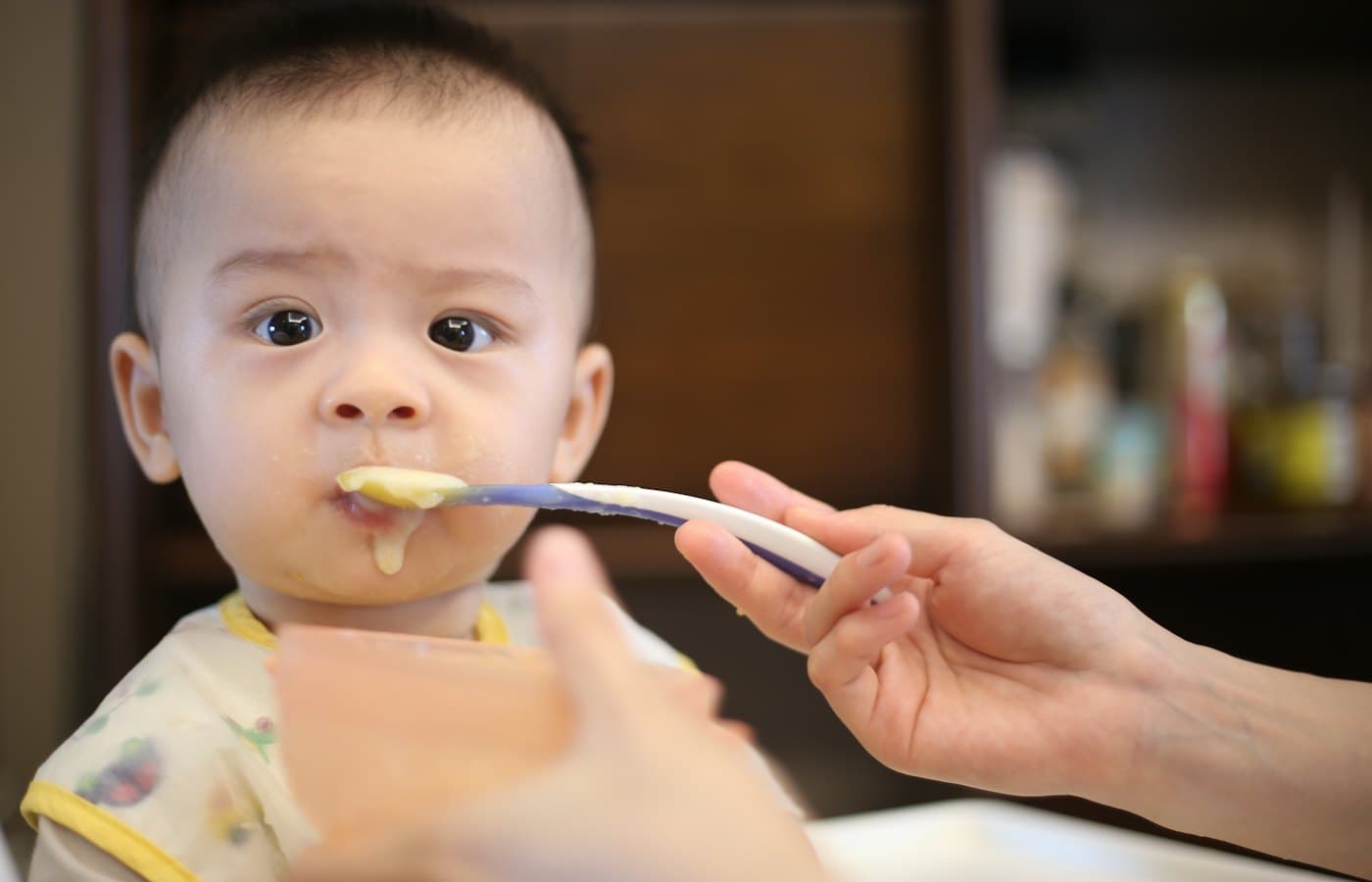 Formula & FeedingOrganic Baby Food & PouchesUSDA Organic purees in jars and pouches, with an honest look at heavy metals and FDA Closer to Zero.
 Formula & FeedingOrganic Baby SnacksUSDA Organic puffs and teething wafers, with the choking and heavy metal facts the seal does not cover.
 Food & PantryOrganic Grains, Rice & PastaWhat the USDA Organic seal means on rice, grains and pasta, and why gluten-free and whole grain are separate claims.
 GuideHeavy metals in baby foodFDA's Closer to Zero action levels as they stand today, and why an organic seal does not address heavy metals.
 GuideStarting solids with organic foodsWhen to start solids, how to introduce allergens and what to avoid, per the AAP and CDC, plus where organic fits in.