Pregnancy, baby & kids
Starting solids with organic foods
Most babies are ready for solid foods at about 6 months, and the CDC says not to start before 4 months. The order of foods matters less than variety, iron and safe textures. Organic is optional: it tells you how the food was farmed, not whether it is right for your baby. Check timing with your pediatrician.
Not medical advice. This page describes labels and certifications. It is general information, and it does not replace your pediatrician, doctor or midwife, who know you and your child.
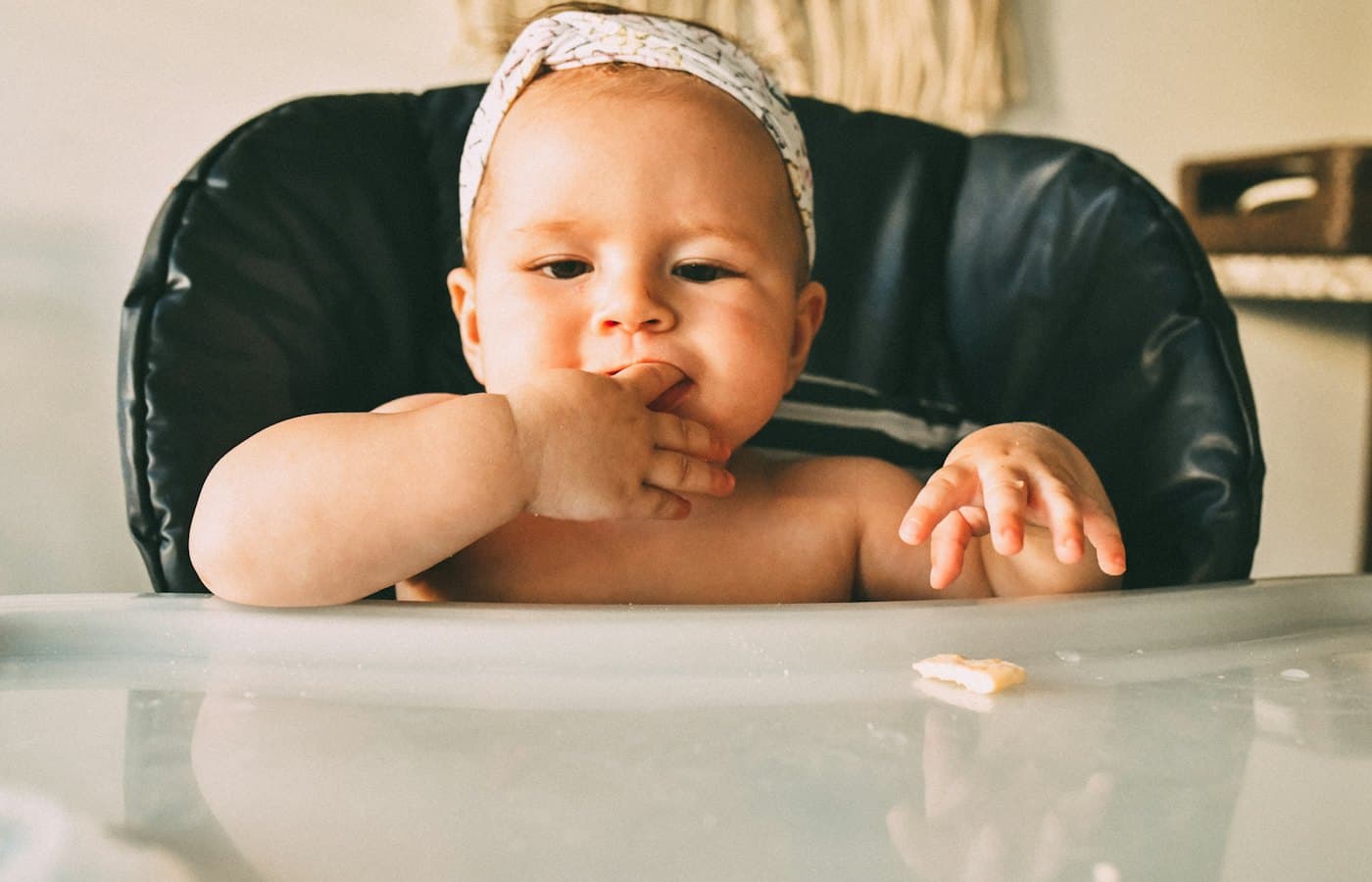
When should a baby start solid foods?
The CDC says your child can begin eating solid foods at about 6 months, and that introducing foods before 4 months is not recommended. The American Academy of Pediatrics (AAP) recommends only breast milk for about the first 6 months, then continued breastfeeding along with other foods. Babies who are formula fed follow the same timing for solids.
Age is a guide, and readiness is the test. The CDC lists these signs:
- Sits up alone or with support.
- Can control their head and neck.
- Opens their mouth when you offer food.
- Swallows food instead of pushing it back out onto the chin.
- Brings objects to their mouth and tries to grasp small objects.
What are good first foods, and do they need to be organic?
There is no required order. The CDC, citing the AAP, says that for most children you do not need to give foods in a certain sequence, and the AAP adds there is no evidence that babies who get fruit first will dislike vegetables.
What the AAP does ask for is iron and zinc: baby food made with meat, or iron-fortified cereals. If you buy premade cereal, it should be made for babies and iron fortified. The CDC suggests offering a variety of fortified cereals such as oat, barley and multigrain instead of only rice cereal, because feeding only infant rice cereal can raise a child's exposure to arsenic.
None of the AAP or CDC guidance we read makes organic a requirement. The AAP notes that organic baby foods may have lower levels of certain pesticides, and also that they often contain similar levels of heavy metals as non-organic foods. So organic is a reasonable preference, not a safety line. Our pages on organic baby cereal and organic baby food and pouches show which products carry the seal.
How to introduce solid foods step by step
- 1
Pick a calm moment
The AAP suggests giving a little breast milk or formula first, then very small half-spoonfuls of food, then more milk, so your baby is not frustrated by hunger.
- 2
Start smooth and small
The CDC says mashed, pureed or strained foods with a very smooth texture are easier at first. The AAP suggests starting with half a spoonful or less.
- 3
One new food at a time
Offer one single-ingredient food and wait 3 to 5 days before the next new food, so you can spot a reaction. Both the AAP and the CDC give this interval.
- 4
Follow your baby's cues
If your baby cries or turns away, the AAP says not to force it. Go back to milk feeds and try again later.
- 5
Move up in texture
Add thicker and lumpier foods as eating skills develop. Once your baby can sit up and bring objects to the mouth, the AAP says you can offer soft finger foods cut into small pieces.
- 6
Offer a little water in a cup
The AAP says it is fine to offer a little water with solids, in an open, sippy or straw cup, up to 8 ounces a day. See bottles and feeding gear for cup materials.
When and how to introduce allergens like peanut and egg
The current advice is not to wait. The CDC says to introduce potentially allergenic foods when you introduce other foods. The AAP says there is no evidence that waiting beyond 4 to 6 months to introduce baby-safe forms of eggs, dairy, soy, peanut products or fish prevents food allergy.
There is one group that needs a plan first. Both the AAP and the CDC say that if your baby has severe eczema or an egg allergy, you should talk with your child's doctor about when and how to give peanut products. The AAP notes that testing for peanut allergy is recommended for these babies.
This advice rests on the 2017 addendum guidelines sponsored by the National Institute of Allergy and Infectious Diseases (NIAID). NIAID says they followed a 2015 trial in which early introduction of peanut-containing foods to high-risk infants led to an 81 percent relative reduction in later peanut allergy.
Form matters as much as timing. Whole nuts and chunks of peanut butter are on the AAP's choking hazard list for babies. Ask your pediatrician which forms are suitable.
Which foods should babies avoid in the first year?
- Honey before 12 months. The CDC says it can cause botulism.
- Cow's milk as a drink before 12 months. The CDC says yogurt without added sugars can be introduced earlier.
- Fruit or vegetable juice before 12 months, per the CDC and the AAP.
- Added sugars. The CDC says children under 24 months should not have them.
- Unpasteurized juice, milk, yogurt or cheese, and foods high in salt.
- Fish high in mercury, such as shark, swordfish and king mackerel (CDC).
- Choking hazards. The AAP list for under 1 year includes hot dogs, nuts and seeds, chunks of meat or cheese, whole grapes, popcorn, raw vegetables and fruit chunks.
- Cereal in a bottle. The AAP says not to do this unless your child's doctor recommends it for reflux.
How to read an organic baby food label
The USDA Organic seal means at least 95 percent organic ingredients, not counting salt and water. A label that says "made with organic" named ingredients means at least 70 percent, and that product may not show the seal.
Then read the ingredient list, which runs from most to least. The AAP warns that different flavor blends can share the same first ingredient, so two pouches with different names may both be mostly sweet potato. Variety on the shelf is not always variety in the pouch.
For puffs, melts and teething biscuits, note that FDA's 2025 lead action levels for baby food do not cover snack foods. We explain that gap in heavy metals in baby food, and list certified options under organic baby snacks.
If you make your own, the AAP says to cook fresh foods with no added salt or seasoning and to refrigerate what you do not use. For choosing produce, see our guide to the Dirty Dozen and Clean Fifteen.
Questions people ask
Do babies need organic food when starting solids?
No guidance from the AAP or CDC that we read requires it. The AAP says organic baby foods may have lower levels of certain pesticides, but often contain similar levels of heavy metals as non-organic foods. What both bodies stress is a variety of foods, iron-rich choices and safe textures. Organic is a personal preference you can apply to some foods or none.
Can I start solids at 4 months?
The CDC says solid foods can begin at about 6 months and that starting before 4 months is not recommended. The AAP recommends only breast milk for about 6 months. Some babies show readiness signs earlier than others, so if you think your baby is ready before 6 months, ask your pediatrician before you start.
Does rice cereal have to be the first food?
No. The AAP says first foods are your choice and that rice cereal does not need to be the first or only cereal. The CDC advises offering a variety of fortified infant cereals such as oat, barley and multigrain, because feeding only infant rice cereal can increase a child's exposure to arsenic. That applies to organic rice cereal as well.
How much should a baby eat when starting solids?
Very little at first. The AAP suggests starting with half a spoonful or less and building up gradually, a teaspoonful or two to begin with. Early on, your baby still gets most nutrition from breast milk, formula or both. If you have concerns about how much or how little your child eats, talk with your child's doctor.
Sources
Each page was opened and read on October 11, 2026.
- American Academy of Pediatrics (HealthyChildren.org): When Can Babies Start Solid Foods?
- CDC: When, What, and How to Introduce Solid Foods
- CDC: Foods and Drinks to Avoid or Limit
- National Institute of Allergy and Infectious Diseases: Guidelines for Clinicians and Patients for Food Allergy
- American Academy of Pediatrics (HealthyChildren.org): Heavy Metals in Baby Food, Reducing Risk of Exposure
- American Academy of Pediatrics (HealthyChildren.org): Why We Support Breastfeeding for Your Baby's Health
- USDA Agricultural Marketing Service: Organic Labeling
- FDA: Final Guidance on Action Levels for Lead in Processed Food Intended for Babies and Young Children (January 6, 2025)
Product pages this guide supports
 Formula & FeedingOrganic Baby Food & PouchesUSDA Organic purees in jars and pouches, with an honest look at heavy metals and FDA Closer to Zero.
 Formula & FeedingOrganic Baby CerealUSDA Organic oat and grain cereals for babies, plus what the FDA says about arsenic in rice cereal.
 Formula & FeedingOrganic Baby SnacksUSDA Organic puffs and teething wafers, with the choking and heavy metal facts the seal does not cover.
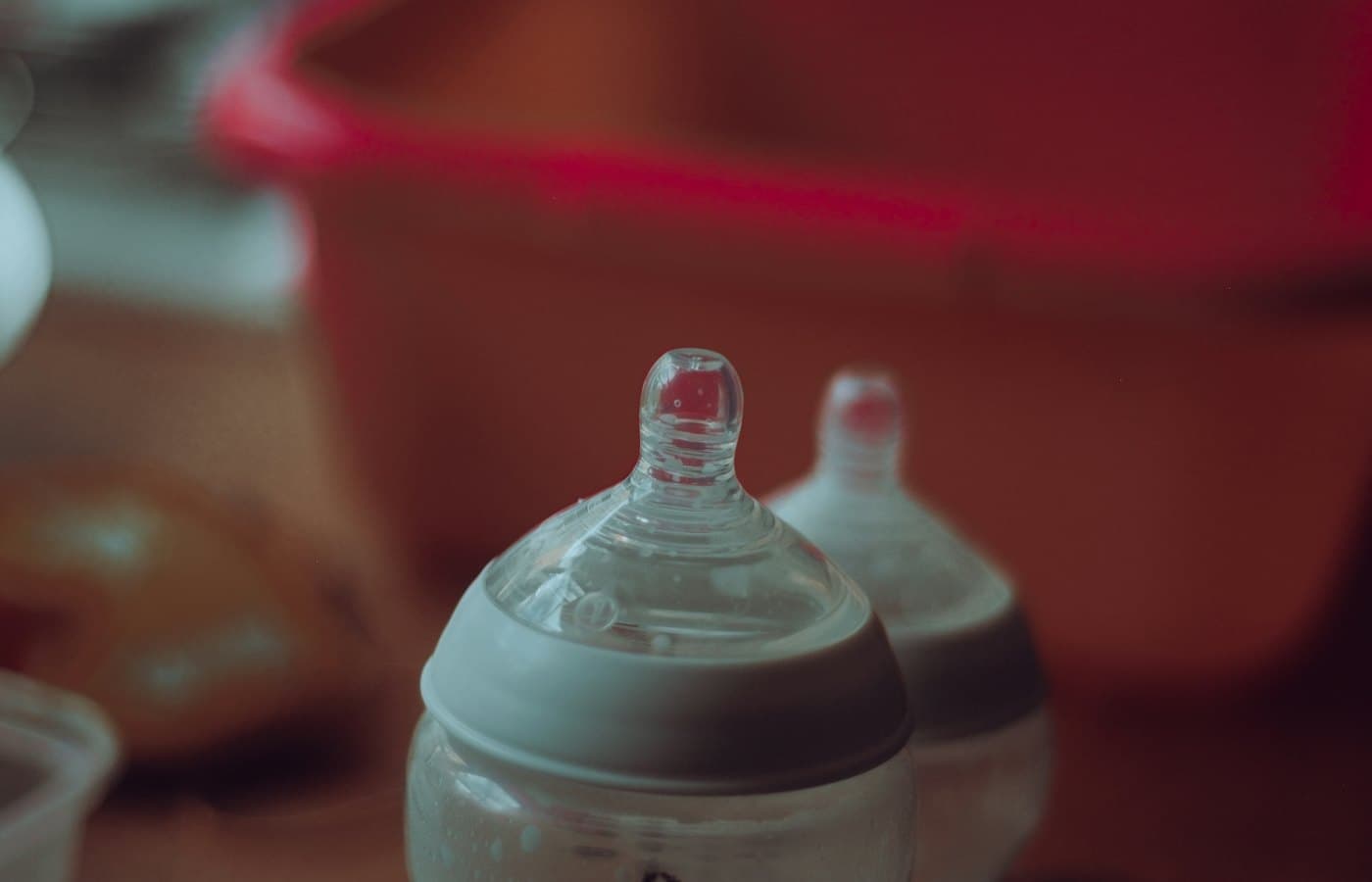 Formula & FeedingBaby Bottles & Feeding GearGlass, stainless steel and silicone bottles and first spoons. None can be organic, so we judge the material.