Home & Garden
Organic Garden & Outdoor
In the garden, only seeds and plants can be USDA certified organic. Soil, fertilizer and pest control products are inputs, so the mark to look for is OMRI Listed, which means allowed for use in certified organic production. Equipment such as compost bins carries no organic certification at all. Each page here says which rule applies.
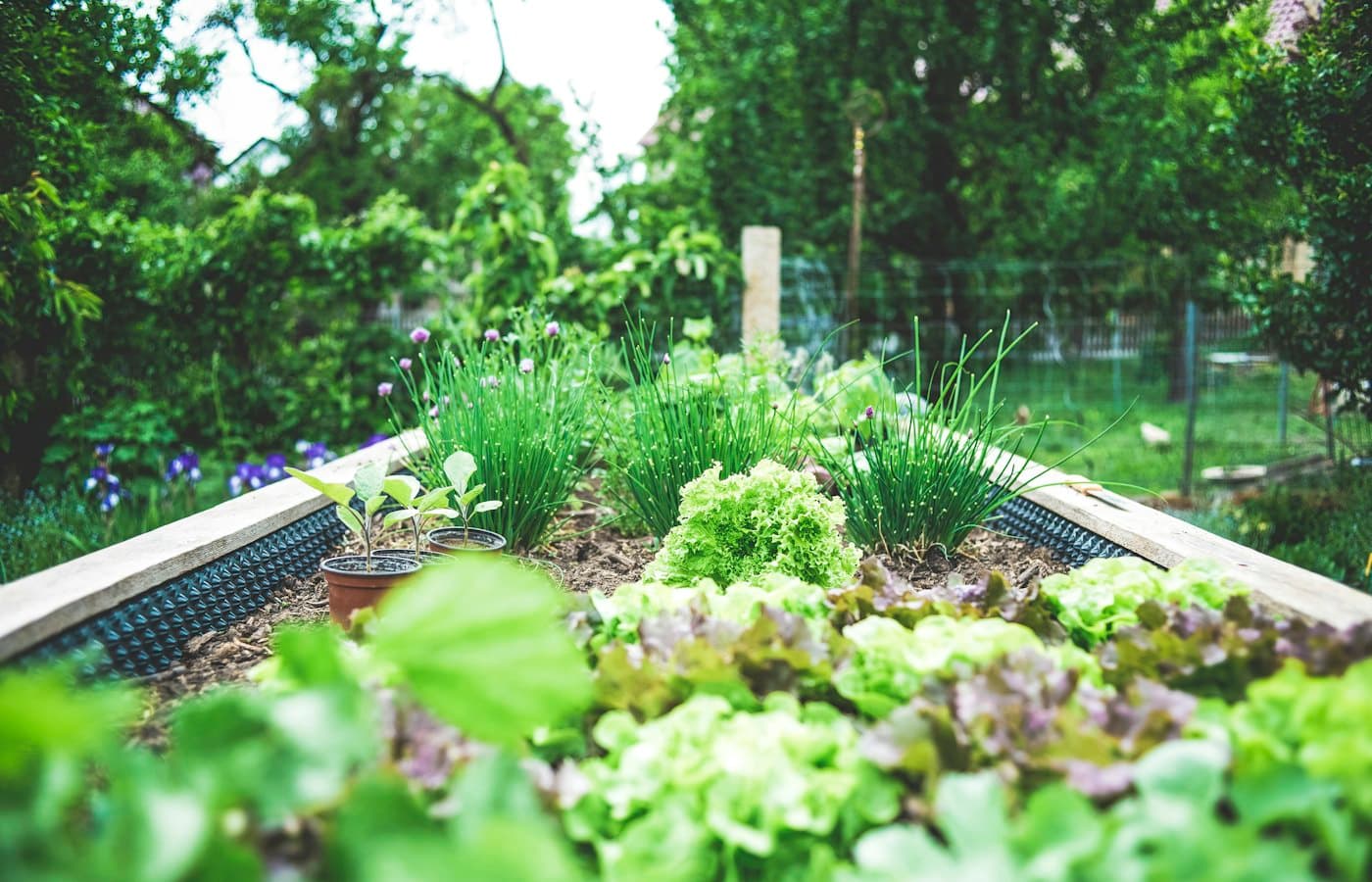
This department covers what goes into a home garden: seeds, potting soil and compost, fertilizer, pest control, lawn products, seed starting kits and compost bins. The labels split along one line. Seeds are a crop, so a seed grower can be certified under the USDA organic rules and the packet can carry the seal. Our organic seeds page explains what that covers.
Everything you add to the soil is an input. Inputs do not get the USDA seal. They are checked against the USDA National List, where natural substances are allowed unless specifically prohibited and synthetic ones are prohibited unless specifically allowed. The Organic Materials Review Institute reviews individual products against those standards, and OMRI Listed on a bag means that product is allowed for use in organic production. It is not a quality grade, and it applies to one product, not a whole brand. See organic potting soil and organic fertilizer.
Pest control needs extra care. The EPA defines a pesticide as any substance intended for preventing, destroying, repelling or mitigating a pest, so organic-approved pesticides are still pesticides. Our organic pest control page starts with prevention and the label. A compost bin, finally, is a container. Nothing certifies it, and the compost bins page says so on every pick.
Categories
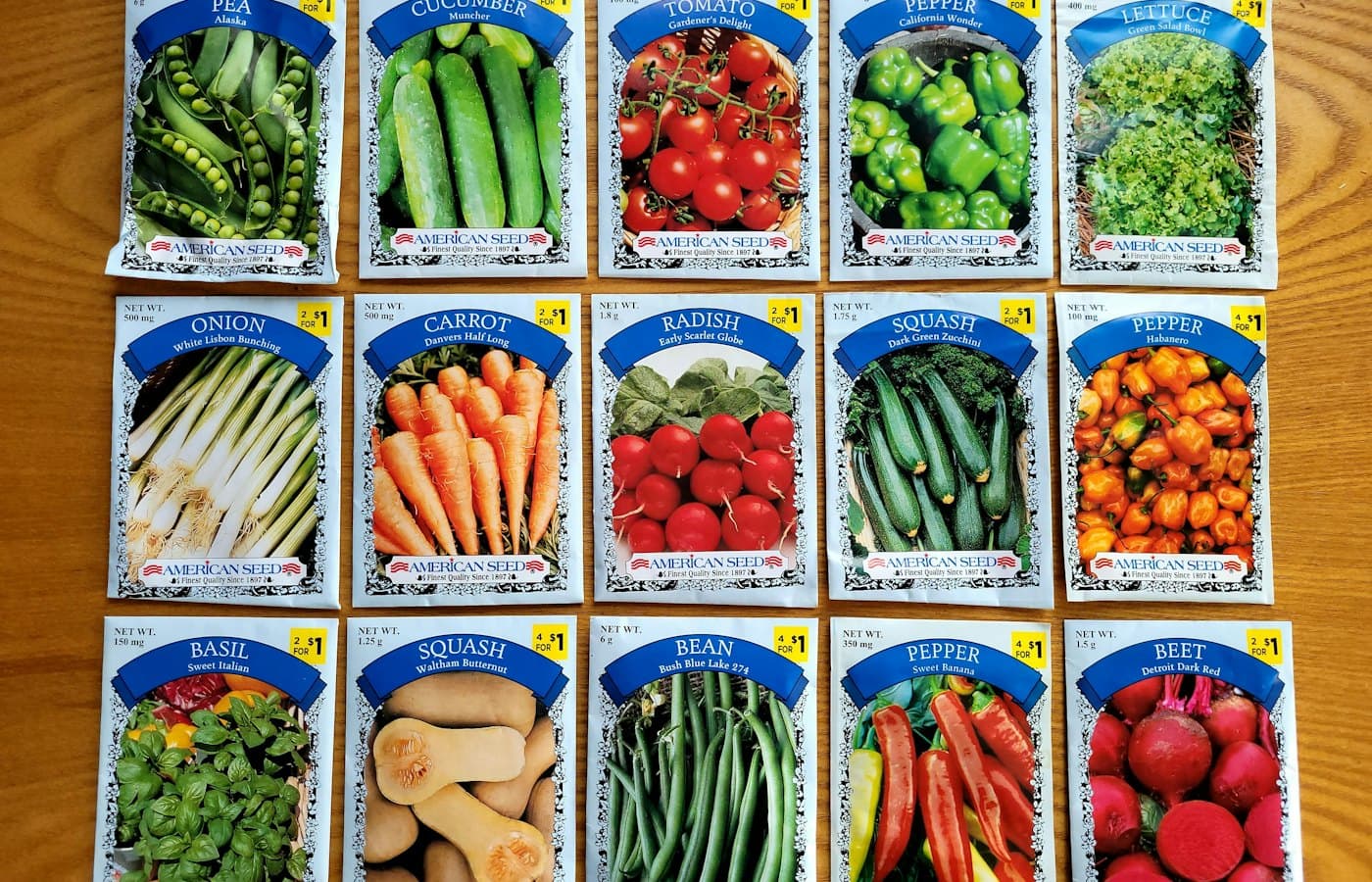 3 picksOrganic SeedsSeeds can carry the USDA Organic seal. What it covers, how to read a packet, and three seed houses.
 4 picksOrganic Potting Soil & CompostSoil cannot carry the USDA seal. What OMRI Listed means on a bag, and four mixes on the OMRI list.
 4 picksOrganic FertilizerFertilizer cannot carry the USDA seal. What OMRI Listed covers, how to read N-P-K, and four listed picks.
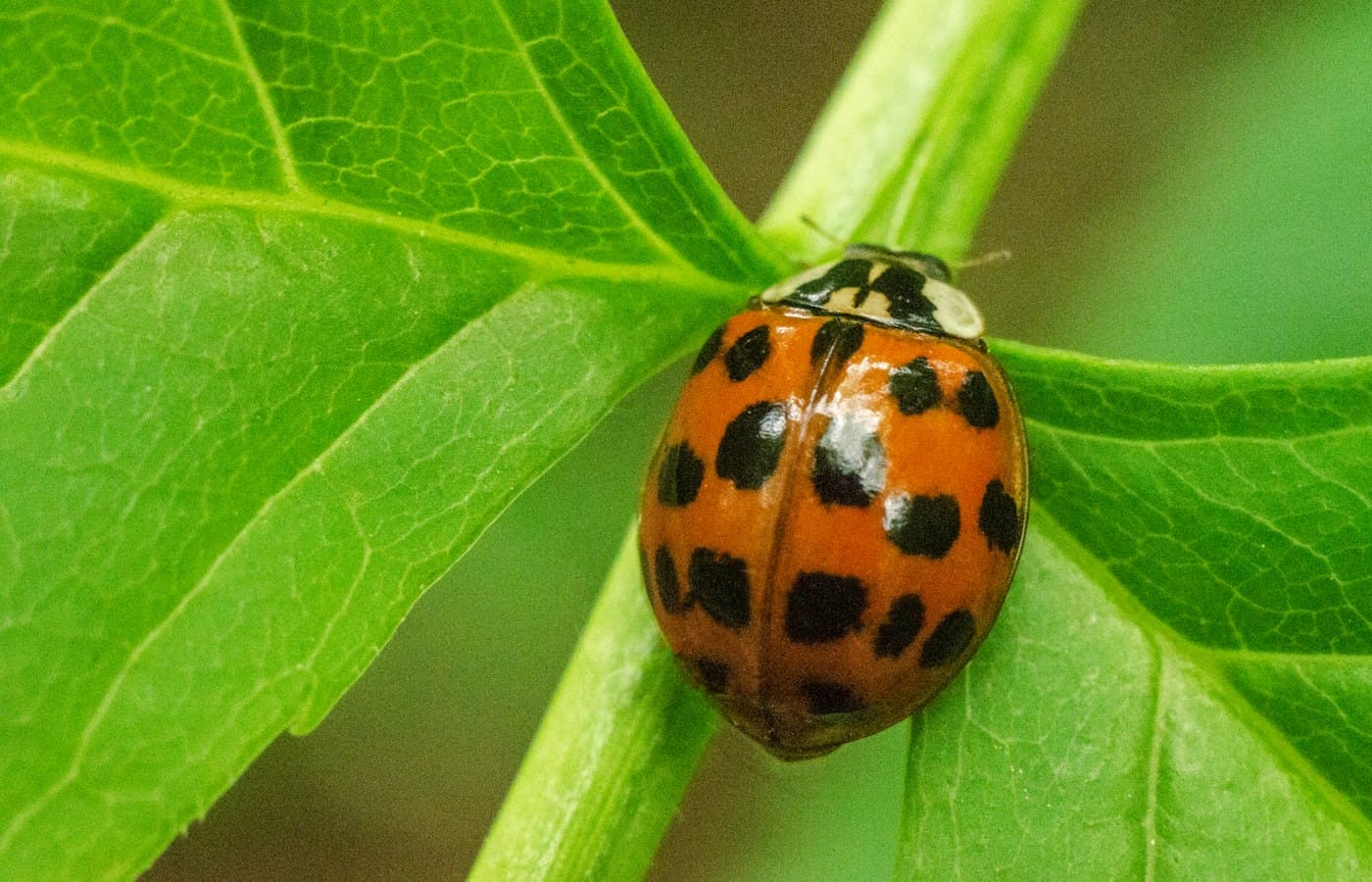 4 picksOrganic Pest ControlOrganic-approved pesticides are still pesticides. What OMRI Listed means, and four listed products.
 3 picksOrganic Lawn CareLawn products cannot be certified organic. What OMRI Listed means on a bag, and three listed picks.
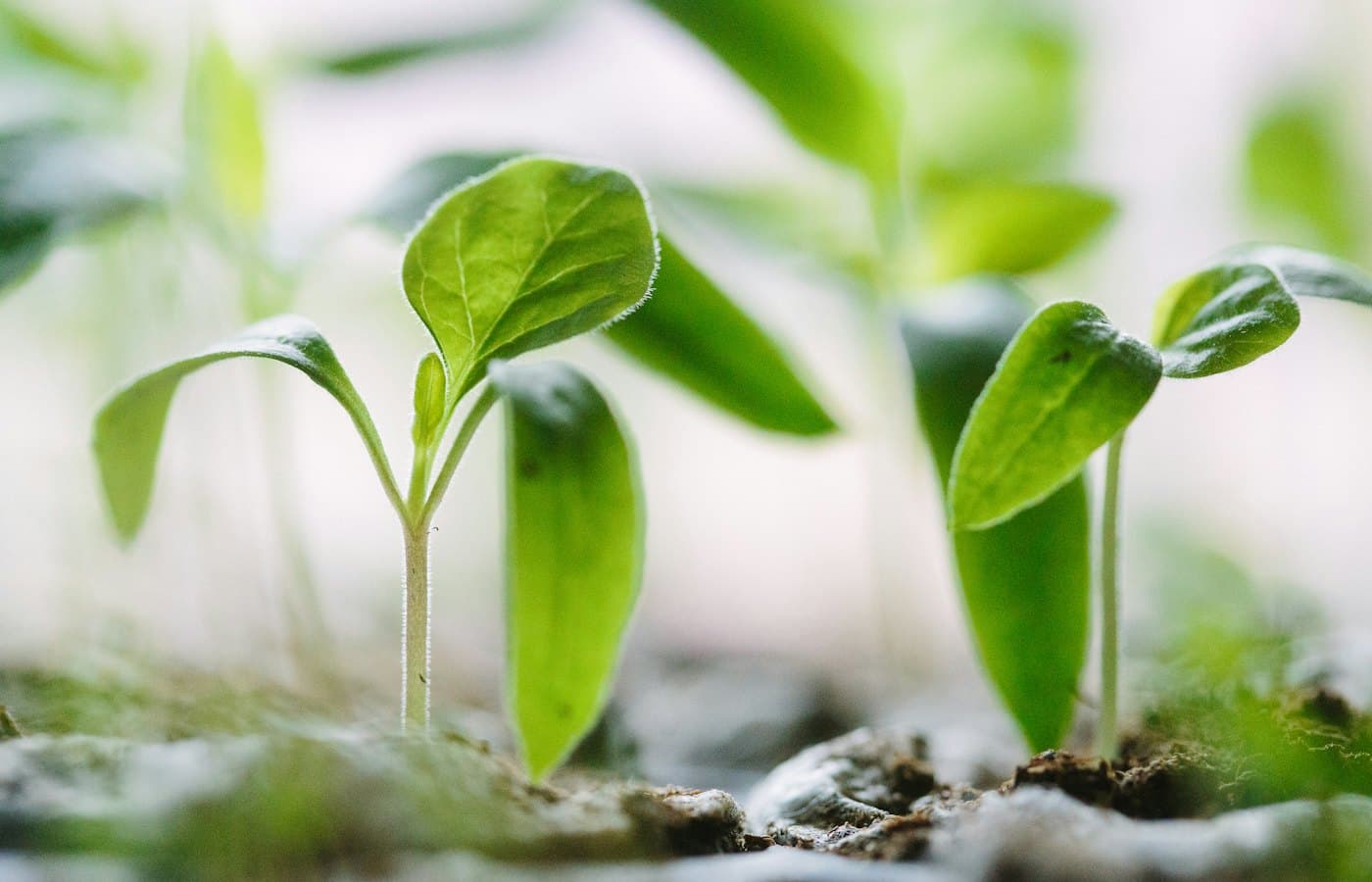 4 picksOrganic Herb & Seed Starting KitsA kit is seeds plus a growing medium, and each part has its own label. What to check on both.
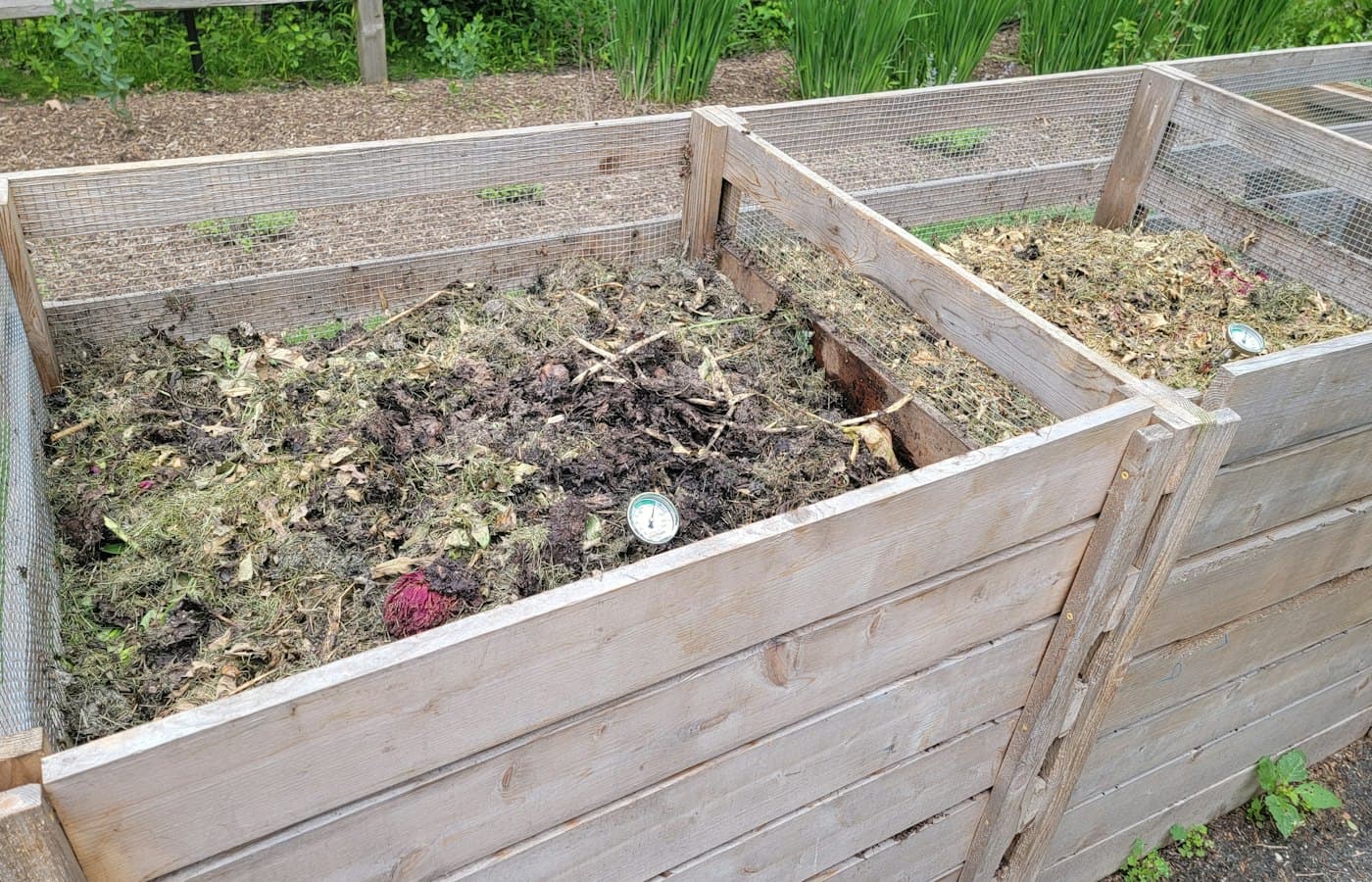 4 picksCompost Bins & CompostersNo compost bin is certified organic. What to check instead: the type, the material and pest-proofing.
Related guides
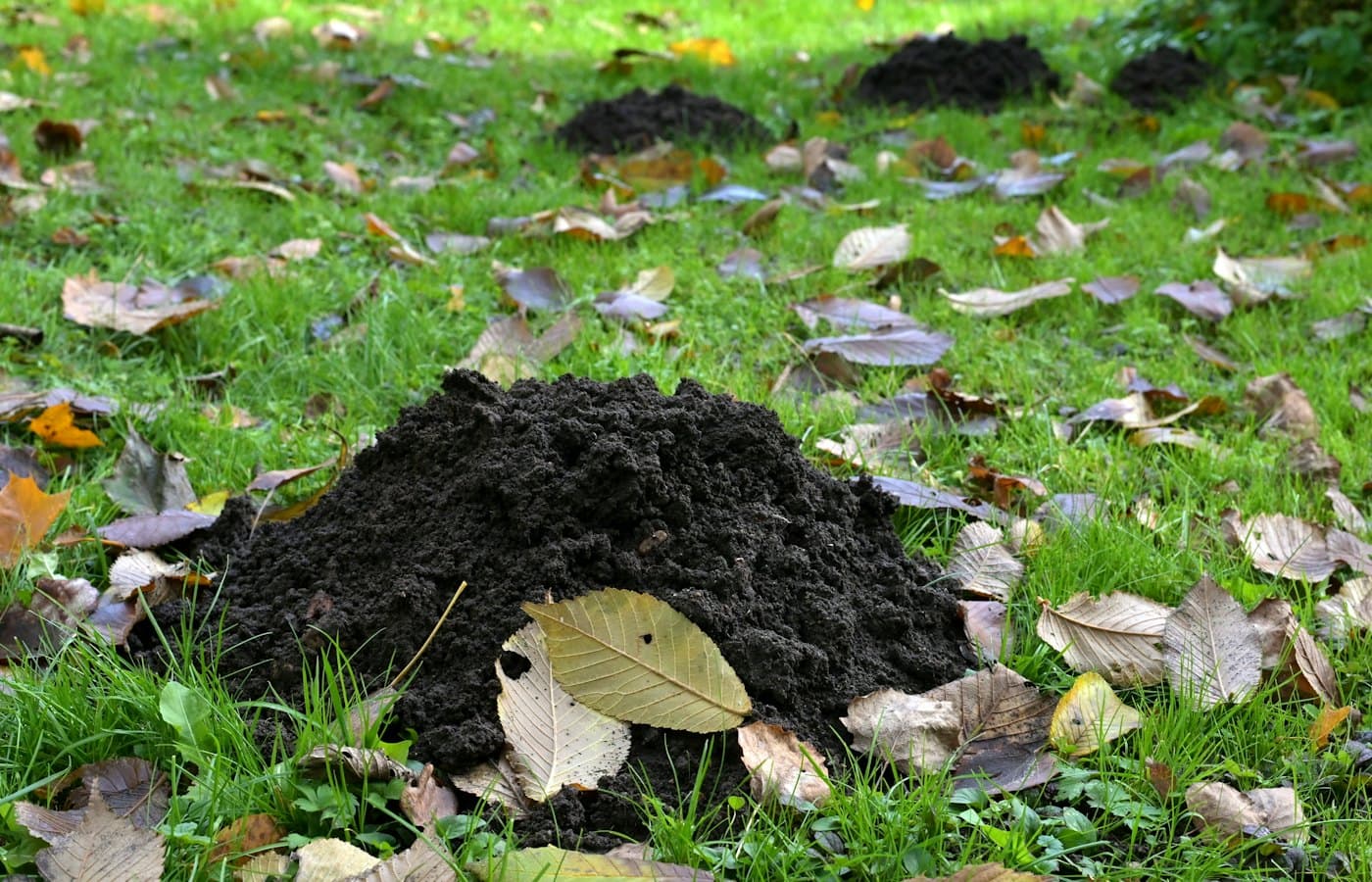 Home composting for beginnersBrowns, greens, air and water: how to start a compost pile, what to leave out, and when it is ready to use.
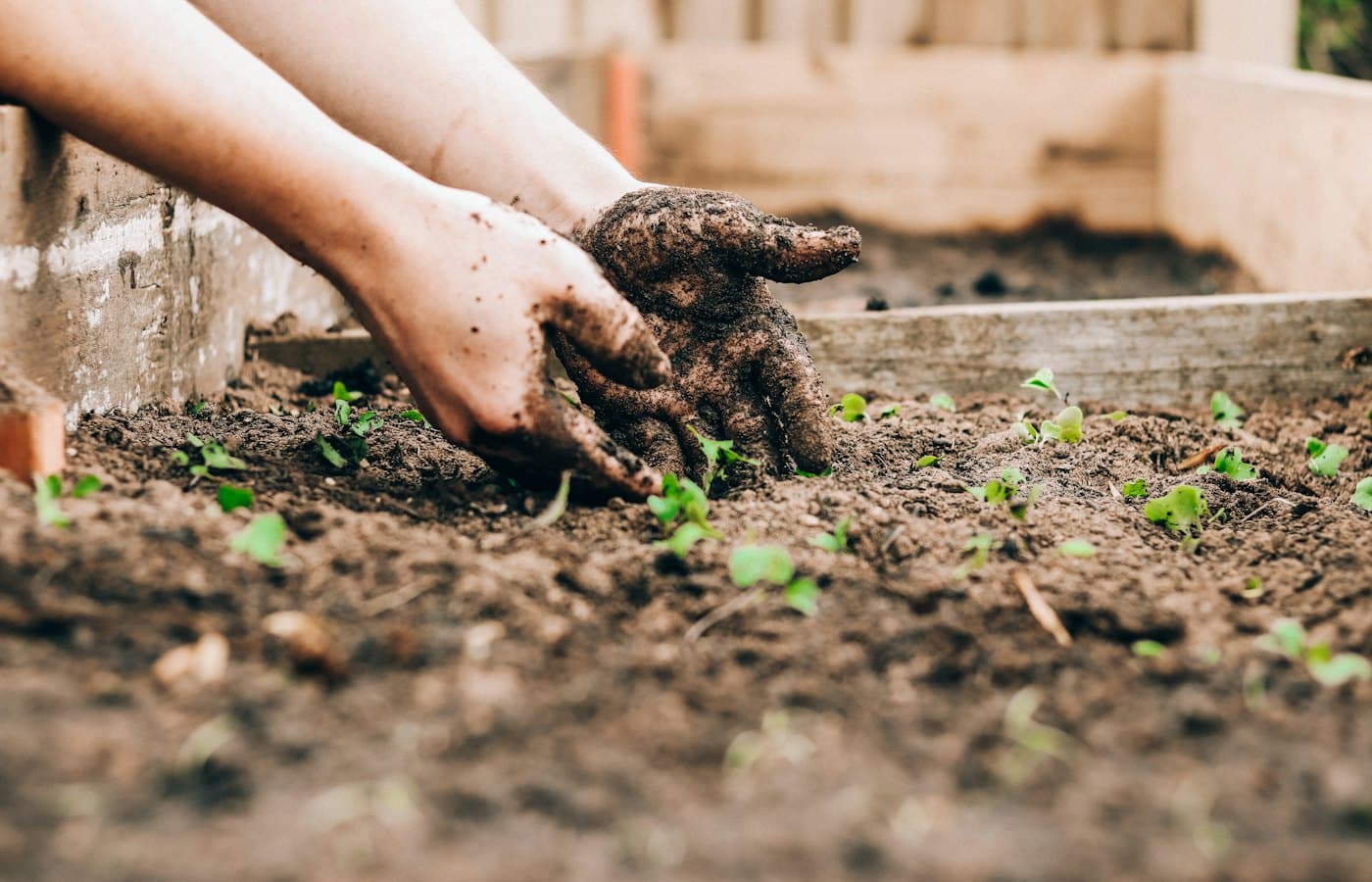 How to start an organic gardenSun, soil, seeds and pest control for a first organic vegetable garden, with what the labels on garden products mean.
Questions people ask
Can soil or fertilizer be USDA certified organic?
No. USDA organic certification covers farms and the crops, livestock and foods they produce. Soil mixes, compost and fertilizers are inputs, reviewed against the USDA National List of allowed and prohibited substances. A third-party reviewer such as OMRI checks a specific product and lists it. So the accurate wording on a bag is OMRI Listed, or for organic use, and not certified organic.
What does OMRI Listed mean?
It means the Organic Materials Review Institute reviewed that product and found it complies with the organic standards, so it is allowed for use in certified organic production. OMRI says it does not create or change those standards, and that a certified farm's own certifier always has the final say. It also asks users to verify the current listing on its website, because the product and company names must match the list.
Are organic pesticides safe?
Organic-approved does not mean harmless. A product that claims to kill or repel pests is a pesticide whatever it is made from, and the EPA says pesticide labels are legally enforceable. The label tells you where, how, how much and how often the product may be used. Extension services and the EPA recommend integrated pest management, which puts identification and prevention ahead of any spray.
Does growing from organic seed make my vegetables organic?
Not in the certified sense. Certification applies to an operation that a USDA-accredited certifier oversees, and a home garden is not one. Starting with certified organic seed and inputs allowed in organic production means you are gardening the way an organic farm is required to. That is as far as the labels go, and for most home gardeners it is the point.
Sources
Each page was opened and read on October 11, 2026.
- USDA Agricultural Marketing Service: Labeling Organic Products
- USDA Agricultural Marketing Service: The National List of Allowed and Prohibited Substances
- Organic Materials Review Institute: Using OMRI Listed Products
- U.S. Environmental Protection Agency: What is a Pesticide?
- University of California Statewide IPM Program: What is Integrated Pest Management (IPM)?