Garden & Outdoor
Organic Lawn Care: What the Label Means
A lawn cannot be certified organic by buying a product, and no lawn fertilizer carries the USDA Organic seal. The mark to check is OMRI Listed, which means the product is allowed for use in certified organic production. Most of organic lawn care is practice: a soil test, modest feeding at the right time, and leaving the clippings.

What organic means here
Lawn fertilizers, topdressing soils and weed or pest products are inputs, so they do not carry the USDA Organic seal. This page lists lawn products that appear by name on the OMRI Products List as OMRI Listed, meaning allowed for use in organic production. Any product that claims to kill weeds or insects is a pesticide and must be used by its label.
Look for
- The OMRI Listed seal, with the same product and company on the OMRI Products List
- The N-P-K numbers, and how much nitrogen one application puts down per 1,000 square feet
- The "derived from" line: feather meal, bone meal, blood meal, composted manure
- Application timing and whether the label says to water it in
Be wary of
- "Natural" or "organic-based" lawn food with no OMRI seal or other reviewer named
- "Weed and feed" claims on a natural product: weed control makes it a pesticide, with label rules
- Corn gluten sold as a sure crabgrass preventer. University research on it is mixed
- Phosphorus you do not need. Extension advice is to add it only if a soil test calls for it
Products that carry the certification
We have not tested these products. Each one was checked against the brand’s own page and the certifier’s records. Product links may be affiliate links: if you buy through one we may earn a commission, at no extra cost to you. How we choose.
- 1Down To EarthGranular lawn food, ingredients named
Bio-Turf 8-3-5
A granular lawn fertilizer that the maker says provides a slow, steady release of nutrients. The label names what it is derived from: hydrolyzed feather meal, blood meal, meat meal, bone meal and langbeinite. The product page says it is listed by the Organic Materials Review Institute, and the OMRI Products List shows it as Allowed.
Good to know: Allowed for use in organic production, not USDA certified organic. It is made largely from animal by-products and contains phosphate, so check a soil test before choosing it.
Checked against: downtoearthfertilizer.com · omri.org
View at brand sitedowntoearthfertilizer.com
- 2ScottsWidely sold, any grass type
Natural Lawn Food
A lawn fertilizer from a mainstream brand, made with hydrolyzed feather meal, bone meal and blood meal according to the product page, which also says it can be applied on any grass type and is OMRI-Listed for organic use. The OMRI Products List shows Scotts Natural Lawn Food 11-2-2 as Allowed.
Good to know: Allowed for use in organic production, not USDA certified organic. The listing covers this one product, not the Scotts range. The maker's statements about use around children and pets are its own. Follow the bag directions.
Checked against: scottsmiraclegro.com · omri.org
View at Scottsscottsmiraclegro.com
- 3Coast of MaineTopdressing and overseeding
Monhegan Blend Black Earth Lawn Soil
A bagged lawn soil for topdressing, overseeding, patching and filling holes. The product page lists the ingredients as composted manure, sphagnum peat moss and aged bark, and links its OMRI certificate. The OMRI Products List shows it as Allowed under Coast of Maine Organic Products.
Good to know: Allowed for use in organic production, not USDA certified organic. This is a soil, not a fertilizer with a stated N-P-K, so do not count on it to replace feeding.
Checked against: coastofmaine.com · omri.org
View at brand sitecoastofmaine.com
Products with a photo are shown first; otherwise the order says nothing about quality. Certifications can lapse: check the certifier’s database before you buy.
What organic can mean for a lawn
The USDA certifies farms and their products. A home lawn is not a certified operation, and the bags you spread on it are inputs. Inputs are checked against the USDA National List, where natural substances are generally allowed and synthetic ones are prohibited unless specifically allowed. OMRI reviews individual products against those standards and lists the ones that comply.
So an organic lawn is a description of how you manage it, not a seal you can buy. OMRI Listed on a bag tells you that product is allowed for use in organic production. It says nothing about how green the grass will be, and it does not cover the other products in the same brand. The same logic runs through everything in garden and outdoor.
What extension services say about feeding a lawn
University of Minnesota Extension starts with a soil test, which shows whether your lawn lacks essential nutrients. Its guidance is that a single application should not exceed 1 pound of nitrogen per 1,000 square feet, and that the number of applications a year depends on how the lawn is maintained.
It describes natural organic fertilizers as typically slow-release, with lower nutrient concentrations, so you need more product to supply the same nutrients. That is the trade: gentler feeding, bigger bags.
- Leave the clippings. Minnesota Extension says clippings return nutrients to the soil, and removing them means you may need more fertilizer.
- Apply phosphorus only if a soil test indicates a need.
- Sweep fertilizer and clippings off sidewalks, driveways and gutters, where they contribute to nutrient runoff into lakes and streams.
- Check your state's rules. Maryland, for one, limits how much nitrogen a single lawn application may contain, according to University of Maryland Extension.
Corn gluten and other natural weed control claims
Corn gluten meal is the product most often sold as an organic crabgrass preventer. University of Maryland Extension does not recommend it for weed control in lawns. It says university research shows mixed results on preventing crabgrass and that it is ineffective when weed pressure is high. It also points out that corn gluten is about 10 percent nitrogen by weight, so the rates sold for weed control put down a lot of fertilizer.
Any product that claims to prevent or kill weeds is a pesticide and has to be used according to its label, organic listing or not. Our organic pest control page explains the label rules and the prevention-first approach called IPM, which the EPA describes as applying to lawns as well as crops.
How to check a lawn product
- 1
Search the OMRI Products List
OMRI says the product name and the company name on the label must both match the list. Large brands often have one listed lawn product among many that are not.
- 2
Read the status
The list shows Allowed or Allowed with Restrictions. Several lawn foods we looked at are listed with restrictions tied to specific ingredients.
- 3
Do the nitrogen math
The first N-P-K number is the share of nitrogen by weight. Compare the bag's rate per 1,000 square feet with your extension service's guidance before you spread it.
Questions people ask
Is organic lawn fertilizer safe for kids and pets?
OMRI Listed is not a safety rating. It means the ingredients are allowed for use in organic production. Many lawn foods on the list are made from feather meal, bone meal or blood meal. Follow the directions and any precautions on the bag you buy, including whether to water it in, and store it out of reach. If a child or pet eats fertilizer, call your doctor, your veterinarian or poison control.
How often should I fertilize a lawn organically?
It depends on how you maintain the lawn. University of Minnesota Extension gives a range for its region: one application a year, in September, for a low-maintenance lawn, and up to four for a watered, high-maintenance lawn where clippings are removed. Timing varies by climate and grass type, so check your own state's extension service, and start with a soil test.
Does corn gluten meal stop crabgrass?
Not reliably, according to University of Maryland Extension, which does not recommend it for weed control in lawns. It cites mixed university research results and poor performance where weed pressure is high. Corn gluten is roughly 10 percent nitrogen, so it does act as a fertilizer. Maryland advises that if you use it that way, you keep within the state's legal nitrogen rate per application.
Can my lawn be certified organic?
Not in any way that matters for a home yard. USDA organic certification is for operations that produce and sell agricultural products. What you can do is manage a lawn with inputs that are allowed in organic production, which is what OMRI Listed identifies, and keep pesticides as a last resort. Some lawn care companies describe their programs as organic. Ask them which products they use and look those up.
Do I need lawn soil or compost as well as fertilizer?
They do different jobs. Fertilizer supplies measured nutrients. Topdressing soil and compost add organic matter and help with seeding and patching. The EPA says compost improves soil structure and helps soil retain moisture and nutrients. If you make your own, our home composting guide covers the method, and organic fertilizer covers how to read an N-P-K label.
Sources
Each page was opened and read on October 11, 2026.
- University of Minnesota Extension: Fertilizing lawns
- University of Maryland Extension: Corn Gluten for Crabgrass Control
- Organic Materials Review Institute: Using OMRI Listed Products
- USDA Agricultural Marketing Service: The National List of Allowed and Prohibited Substances
- U.S. Environmental Protection Agency: Integrated Pest Management (IPM) Principles
- U.S. Environmental Protection Agency: Composting At Home
Keep reading
 GardenOrganic FertilizerFertilizer cannot carry the USDA seal. What OMRI Listed covers, how to read N-P-K, and four listed picks.
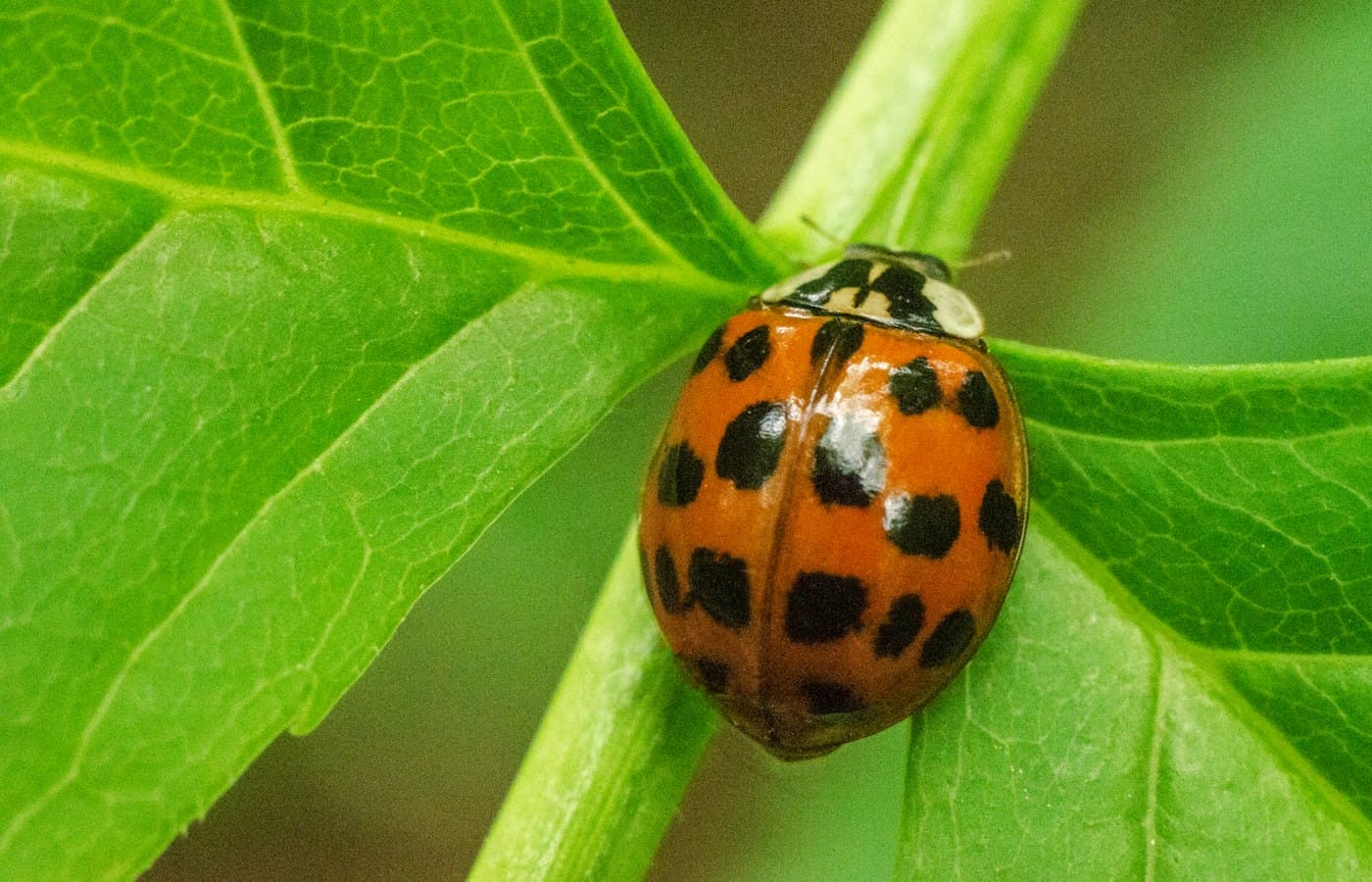 GardenOrganic Pest ControlOrganic-approved pesticides are still pesticides. What OMRI Listed means, and four listed products.
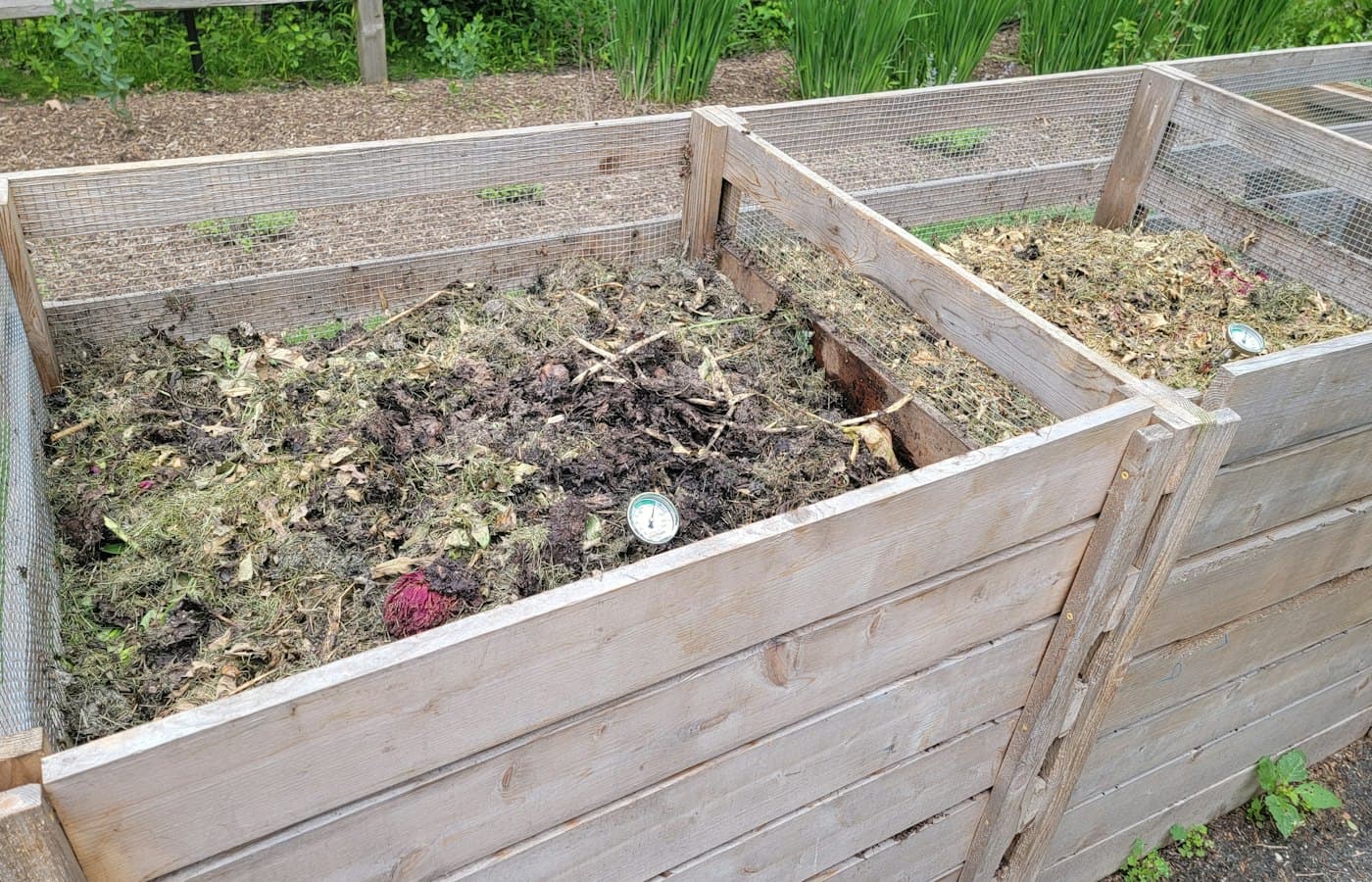 GardenCompost Bins & CompostersNo compost bin is certified organic. What to check instead: the type, the material and pest-proofing.
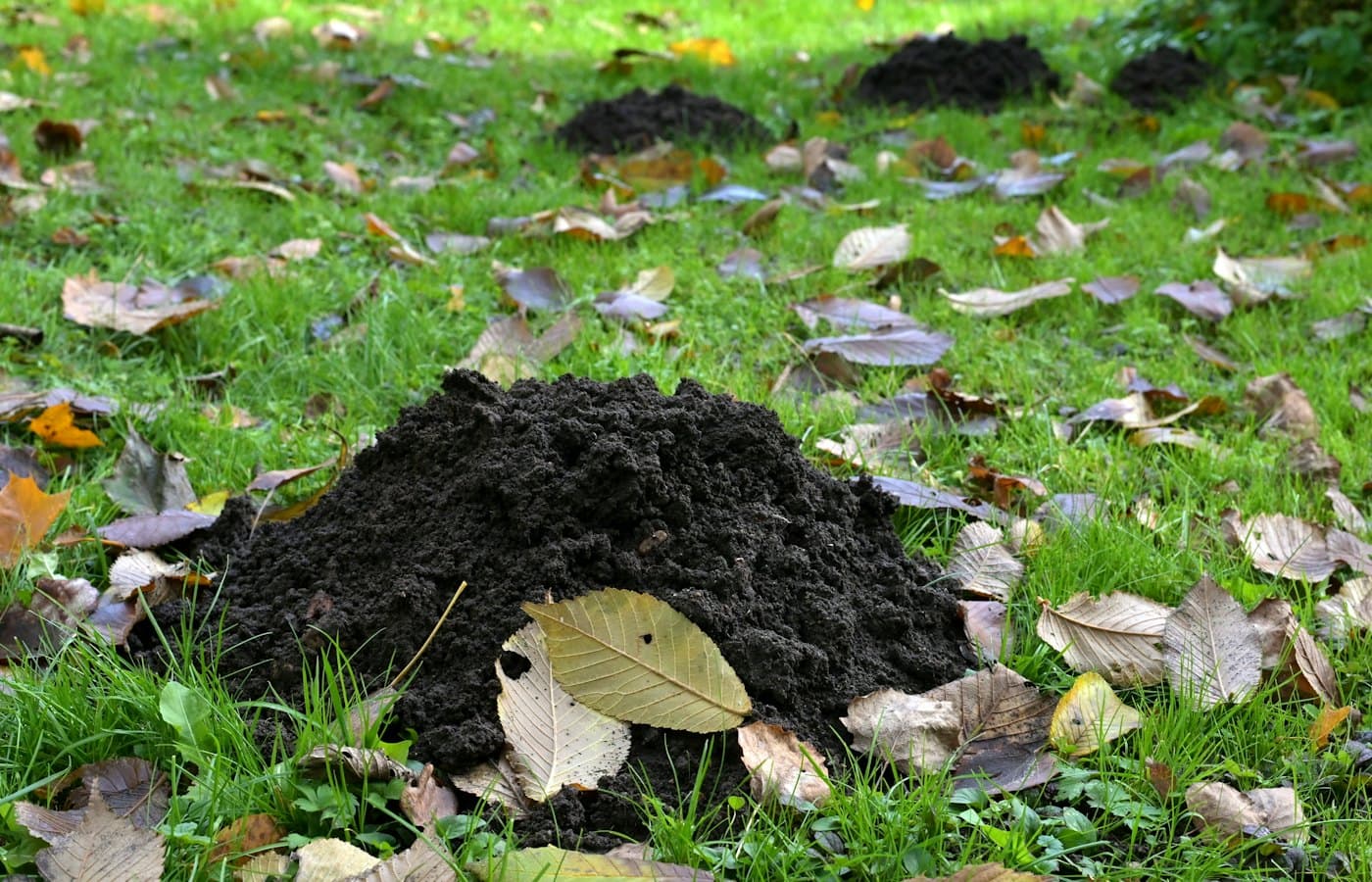 GuideHome composting for beginnersBrowns, greens, air and water: how to start a compost pile, what to leave out, and when it is ready to use.