Garden
Home composting for beginners
Compost needs four things: carbon-rich "browns", nitrogen-rich "greens", water and air. Pile up two to three times as much dry leaf and paper material as food scraps, keep it as damp as a wrung-out sponge, turn it now and then, and leave out meat, dairy and grease. A tended pile is usually ready in three to five months.
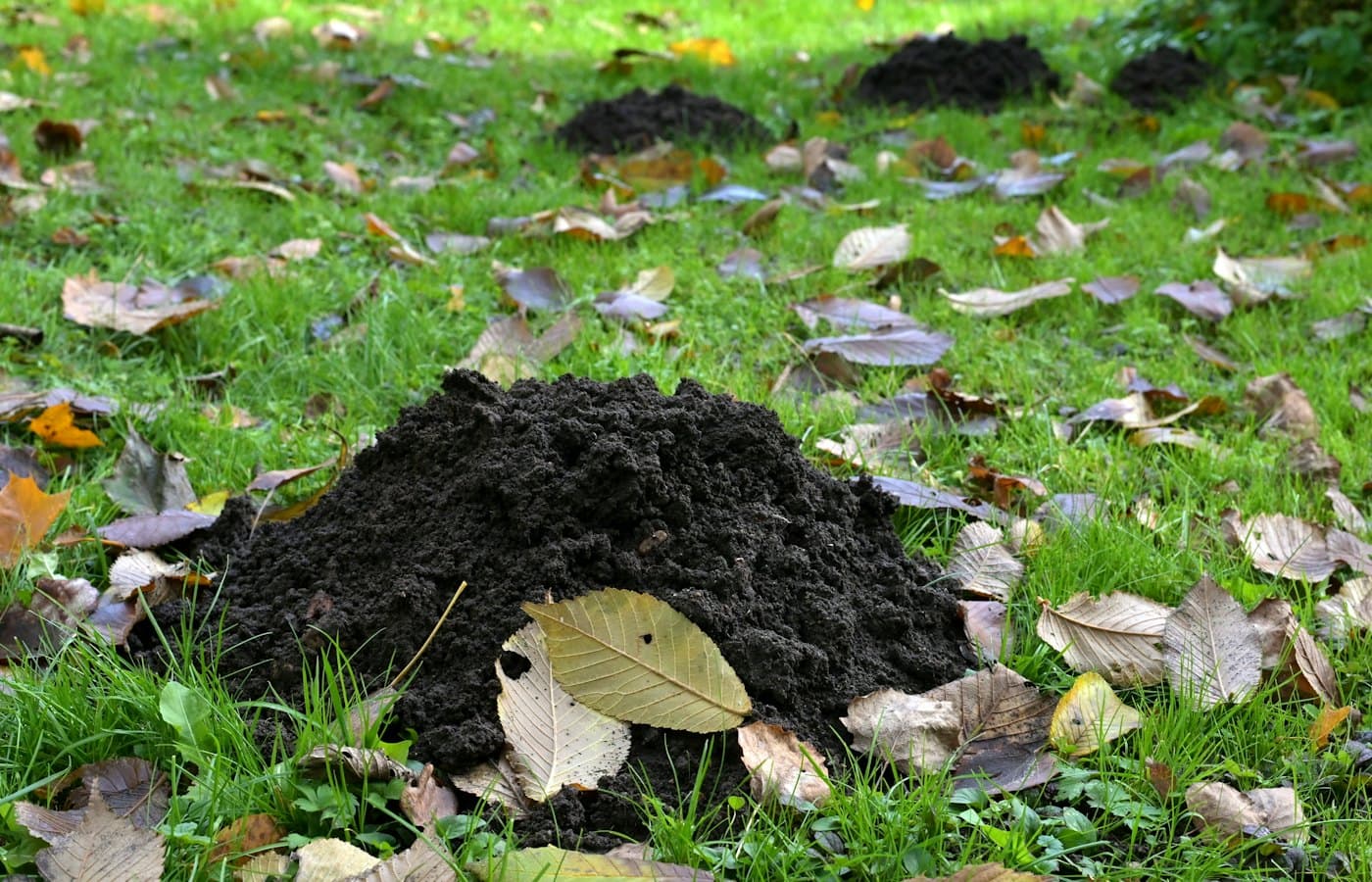
What is composting and how does it work?
The EPA defines composting as the managed, aerobic biological decomposition of organic materials by microorganisms. Aerobic means it needs oxygen. The microbes feed on what you add, using carbon and nitrogen to grow and reproduce, water to digest materials and oxygen to breathe.
Your job is to keep those four supplies in balance. When the mix is right the pile heats up on its own. The EPA says a well-maintained backyard pile can reach 130 to 160 degrees Fahrenheit, and that high temperatures help reduce pathogens and weed seeds.
The end product is what the EPA calls a biologically stable soil amendment. The EPA says compost helps soil absorb and hold water and slowly releases and retains nutrients, and that using it reduces the need for fertilizer and pesticides.
What can you compost at home, and what should you leave out?
The EPA sorts backyard ingredients into greens and browns, and keeps a separate list of things a home pile handles badly, either because they attract animals or because a backyard pile generally does not get hot enough to break them down.
| Greens (nitrogen) | Browns (carbon) | Leave out |
|---|---|---|
| Fruit and vegetable scraps | Dry leaves | Meat, fish and bones |
| Grass clippings | Plant stalks and twigs | Cheese and dairy products |
| Coffee grounds and paper filters | Shredded non-glossy paper and brown bags | Fats, oils and grease |
| Paper tea bags without staples | Shredded cardboard with no wax, tape or glue | Pet waste and cat litter |
| Crushed eggshells | Untreated wood chips | Diseased plants, weeds with seeds, herbicide-treated clippings |
How to start a compost pile, step by step
- 1
Pick a spot
Choose a place that is easy to reach all year and drains well, with water nearby. The EPA says a pile will break down in sun or shade, and suggests not placing it right up against a fence. University of Maryland Extension adds: keep it away from trees so roots do not grow into it.
- 2
Choose a bin, or none
Bins can be built from wire, wood or cinder blocks, or bought as enclosed barrels and tumblers. For a pile that heats up well, Maryland Extension gives a minimum size of 3 feet by 3 feet by 3 feet. Our compost bins and composters page compares types.
- 3
Stockpile browns first
You will need more browns than greens, and food scraps arrive every day while leaves arrive once a year. Set aside a dry supply of leaves, twigs or shredded cardboard before you begin.
- 4
Chop things up
Break tough scraps such as corn cobs and broccoli stalks into smaller pieces. More surface area means faster breakdown.
- 5
Build the base
Start with a four to six inch layer of bulky browns such as twigs and wood chips. The EPA says this layer absorbs extra liquid and lets air circulate at the bottom.
- 6
Add greens and browns together
Add at least two to three times the volume of browns to the volume of greens, and cover food scraps with four to eight inches of browns every time. Dampen the pile if it is dry.
- 7
Turn it
Use a garden fork to move the outside of the pile inward. Illinois Extension says turning supplies oxygen and controls odor, and that turning about every two to four weeks produces compost more quickly.
How to fix a pile that smells or is not breaking down
Most problems come down to water, air or the ratio. The EPA's troubleshooting advice is short.
- Too dry: activity slows or stops. Moisten the pile and turn it. The target is the dampness of a wrung-out sponge.
- Bad odor: the pile may be too wet or short of air. Add more browns and turn it.
- Not heating up: mix in greens and turn the pile.
- Smells of ammonia: Maryland Extension says that can mean too much nitrogen, so add a little more carbon.
- Too small: Illinois Extension says a pile between 3 and 5 feet in each dimension composts most efficiently. Smaller piles still work but take longer.
- Winter: decomposition slows in cold weather. Maryland and Illinois Extension both advise against turning in winter, because it lets heat escape.
When is compost ready, and how do you use it?
The EPA says compost in a well-maintained pile is finished in about three to five months, while an untended pile may take a year. It is ready to rest when it no longer heats up after mixing and you cannot see food scraps. Let it sit for at least four weeks after that. The pile will shrink to about one-third of its original size.
Finished compost looks dark, loose and crumbly and smells like fresh soil. Sift out anything that did not break down, such as twigs, fruit pits and produce stickers, and return the natural bits to the next pile.
To use it as a soil amendment, the EPA suggests mixing two to four inches of compost into the top six to nine inches of soil. As a mulch, spread a three inch layer a few inches away from plant stems and tree trunks. You can also mix it with organic potting soil for containers or spread it on the lawn as part of organic lawn care.
A soil test tells you whether your garden also needs an organic fertilizer. Our guide on how to start an organic garden covers testing.
Is home compost organic?
It is organic in the everyday sense: decomposed plant material. It is not certified, and there is no seal for a backyard pile. Compost bins cannot be certified organic either, so we judge those on material and design.
Certified organic farms work to a stricter recipe. Under the USDA organic regulations, compost that contains animal materials must start with a carbon to nitrogen ratio between 25:1 and 40:1 and be held between 131 and 170 degrees Fahrenheit for 3 days in an in-vessel or static aerated pile system, or for 15 days in a windrow turned at least five times.
The same rule treats raw animal manure with caution. On an organic farm it must be composted or worked into the soil at least 120 days before harvest of a crop whose edible part touches the soil, and at least 90 days before harvest of other food crops. A backyard pile is not monitored to that standard, which is one more reason to keep pet waste out and to be careful with fresh manure near food crops.
Questions people ask
What is the right ratio of browns to greens in compost?
The EPA recommends at least two to three times the volume of browns, such as dry leaves, to the volume of greens, such as food scraps. Some extension services suggest other mixes. Illinois Extension, for example, describes equal parts green and brown material. In practice, start with the EPA ratio and adjust: add browns if the pile smells or looks wet, and greens if it will not heat up.
Can I put compostable bags and cups in a backyard compost pile?
The EPA lists compostable foodservice ware and compostable bags among materials to avoid in a backyard pile, because home piles generally do not reach high enough temperatures to fully decompose them. These items can be composted at commercial facilities. Check first that your local facility or curbside program accepts them.
How long does it take to make compost?
It depends on how much attention the pile gets. The EPA says a well-maintained pile produces finished compost in about three to five months, and an untended pile may take a year. Illinois Extension says that with frequent turning compost can be ready in about three months, depending on the time of year, since bacterial activity slows in winter.
Can I compost indoors or without a yard?
Yes. The EPA describes worm composting, also called vermicomposting, as a method that takes little space and can be done indoors or outdoors. You need a bin, bedding, food scraps and a suitable worm species, not worms from the yard. If you have no room at all, the EPA suggests a municipal or community composting program that collects scraps or offers a drop-off site.
Do countertop food recyclers make compost?
Not according to the EPA. It says residential appliances that grind and dehydrate food scraps reduce their volume and weight but do not produce compost. The output is a dried food scraps mixture, which can then be added to a composting system at home or through a collection program.
Sources
Each page was opened and read on October 11, 2026.
Product pages this guide supports
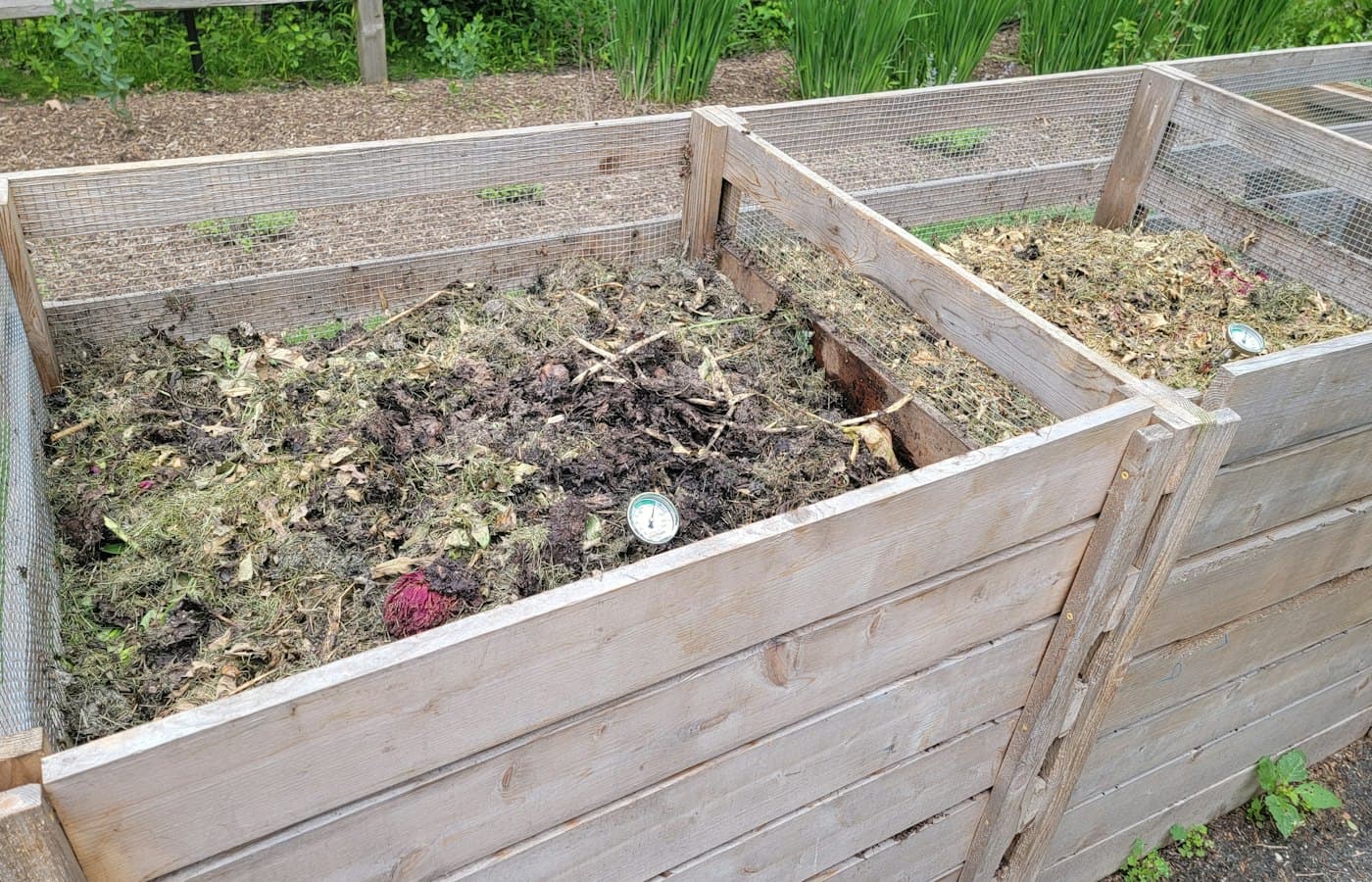 GardenCompost Bins & CompostersNo compost bin is certified organic. What to check instead: the type, the material and pest-proofing.
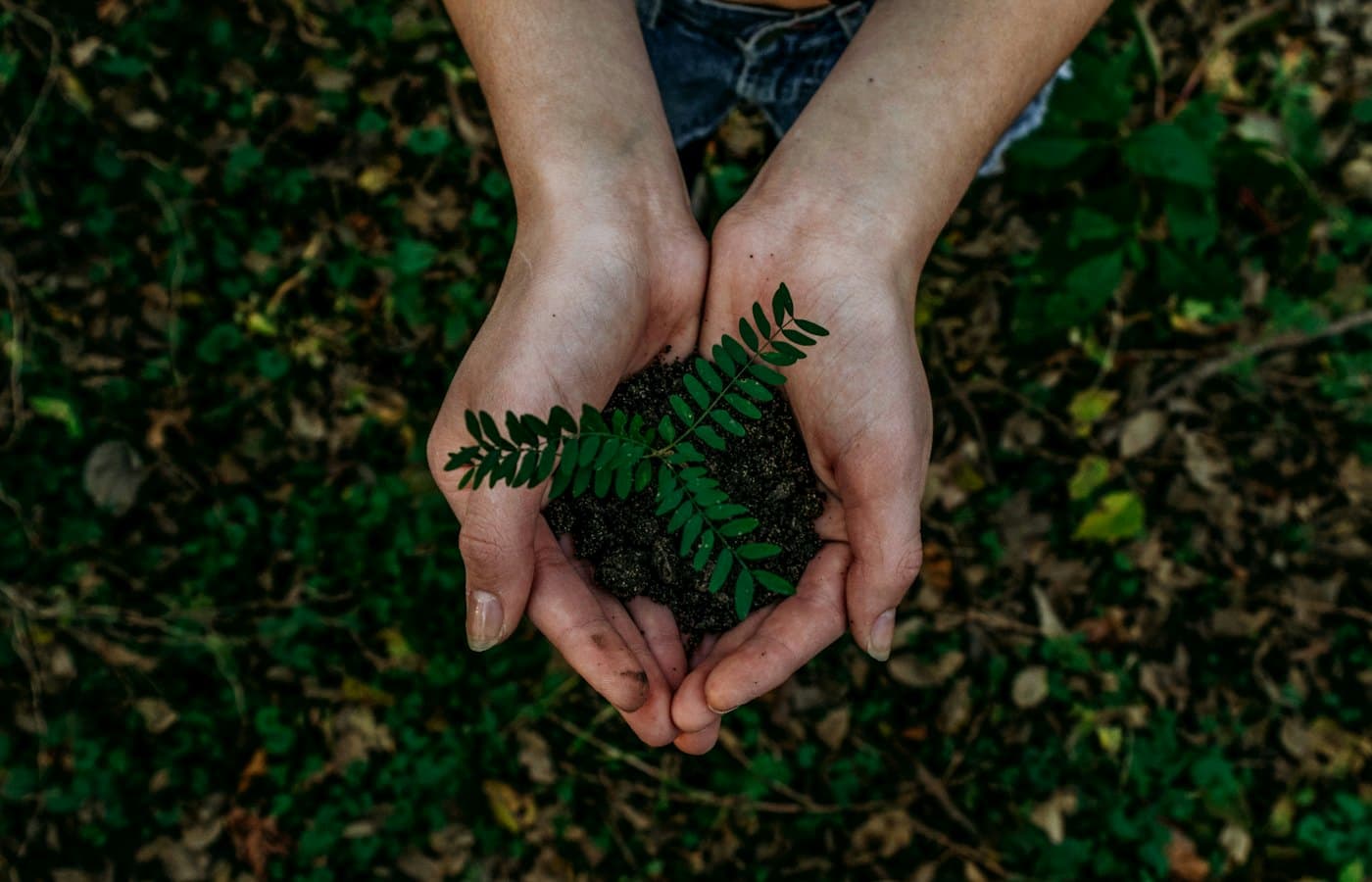 GardenOrganic Potting Soil & CompostSoil cannot carry the USDA seal. What OMRI Listed means on a bag, and four mixes on the OMRI list.
 GardenOrganic FertilizerFertilizer cannot carry the USDA seal. What OMRI Listed covers, how to read N-P-K, and four listed picks.
 GardenOrganic Lawn CareLawn products cannot be certified organic. What OMRI Listed means on a bag, and three listed picks.