Body & Wellness
Organic Skincare & Beauty
The FDA does not define or regulate the word organic on cosmetics. A face oil or lotion can carry the USDA Organic seal only if it meets the same standard as food. Products that cannot meet it may be certified to private standards such as NSF/ANSI 305 or COSMOS Organic, and every pick here says which tier it meets.
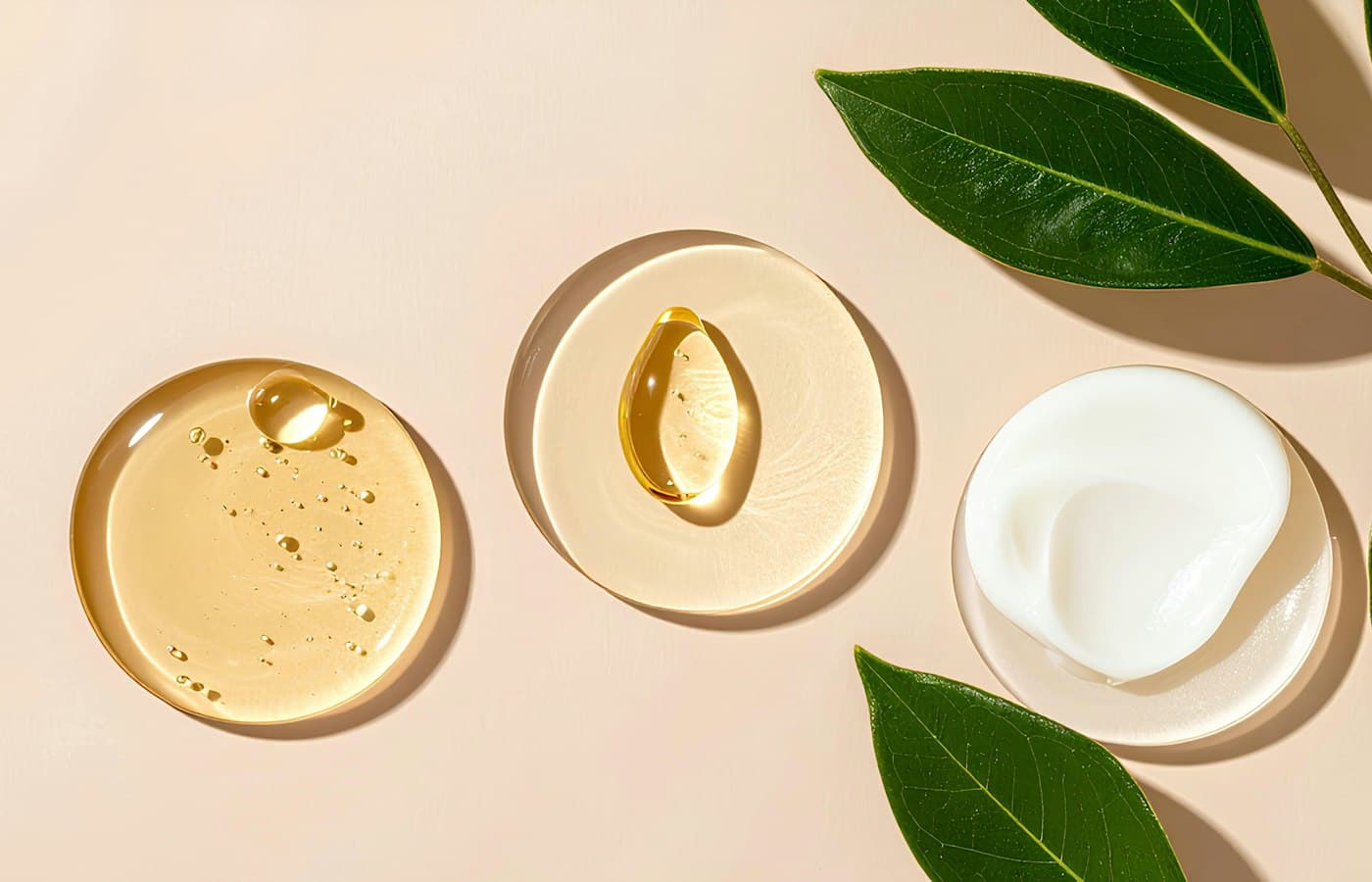
This department covers what goes on your skin and hair: face care, body lotion and oil, mineral sunscreen, makeup, shampoo, perfume and men's grooming. The word organic works differently here than it does in the grocery aisle. The FDA says the term is not defined in the laws it enforces for cosmetics. The USDA regulates it only as it applies to agricultural ingredients, so a product made of plant oils, butters and extracts can be certified under the National Organic Program and wear the USDA Organic seal, while a shampoo built on processed cleansers usually cannot.
That gap is why private standards exist. NSF/ANSI 305 certifies personal care products that contain at least 70 percent organic content by weight and allows some processing the food rules do not. COSMOS Organic is a private cosmetics standard whose certification bodies inspect each product before it can carry the signature. Two other marks you will see, EWG Verified and MADE SAFE, screen ingredients and disclosure. They say nothing about how a plant was farmed, and we label them that way on every pick.
Some things here are not cosmetics at all. Sunscreen is regulated as a drug, so the mineral sunscreen page leans on FDA guidance about active ingredients and makes no promises about performance. On face care and every other page we describe what a product is and what it is certified for. We do not say what it will do for your skin, and we have not tried any of it ourselves.
Categories
 5 picksOrganic Face CareFace oils and creams sorted by what they are certified to: USDA Organic, COSMOS Organic, NSF/ANSI 305 or MADE SAFE.
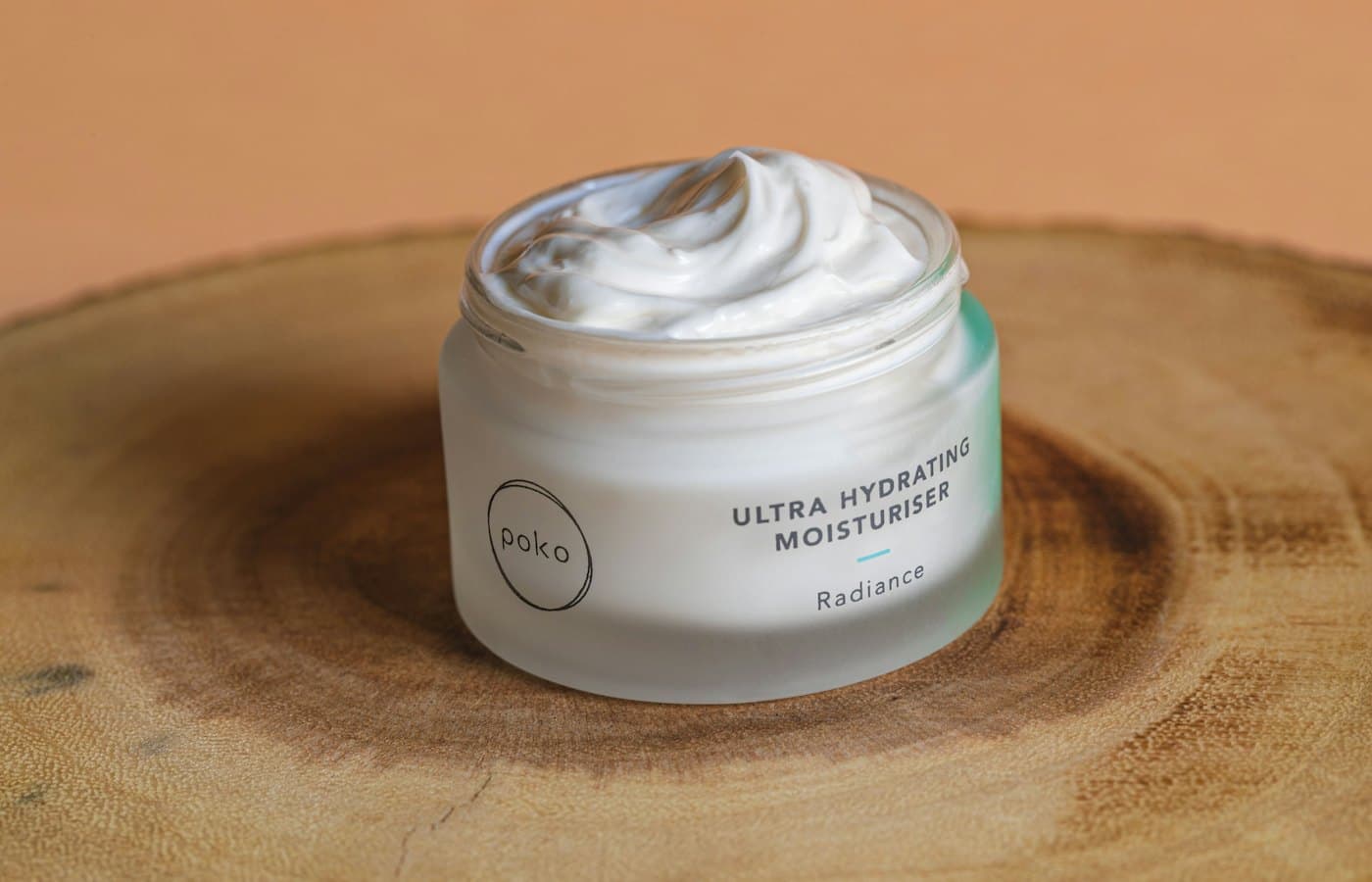 4 picksOrganic Body Lotion & OilBody lotions and oils that name their certifier: USDA Organic, NSF/ANSI 305 or MADE SAFE, with the tier stated.
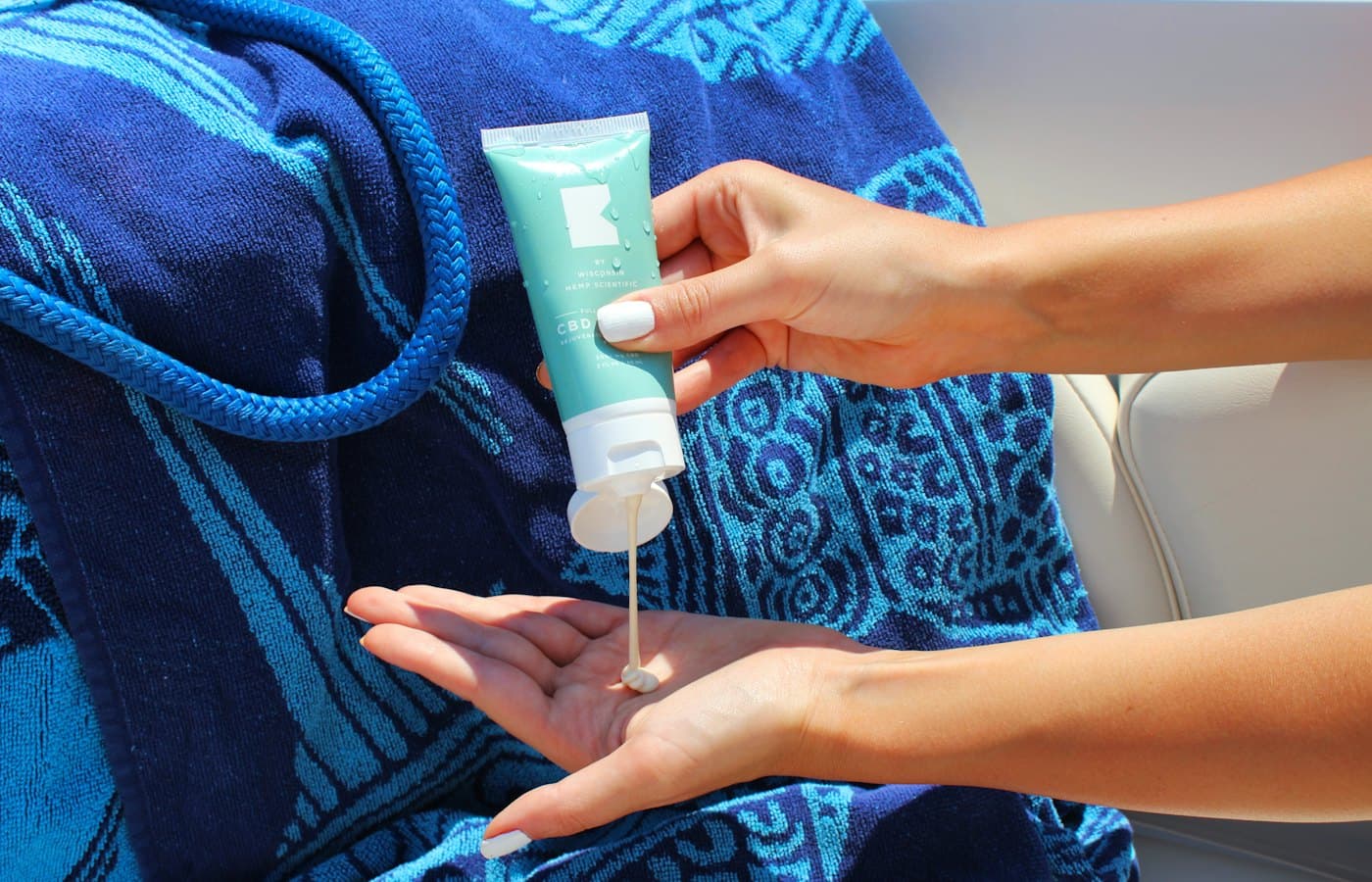 5 picksMineral SunscreenZinc oxide sunscreens with a named third-party certification, and what the FDA and NOAA actually say about them.
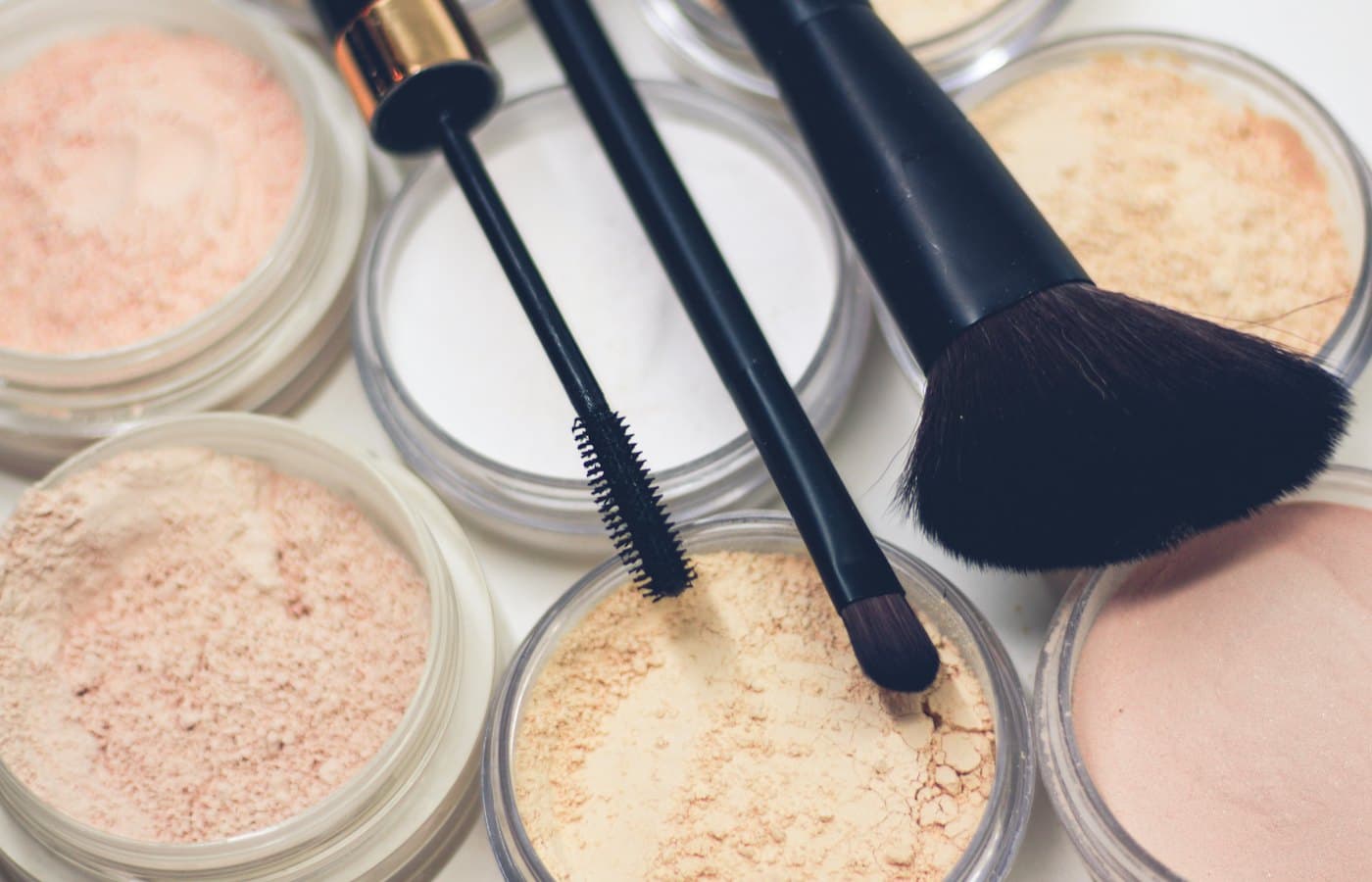 4 picksOrganic MakeupFoundation, mascara and color with a named certification, and why fully certified organic makeup is rare.
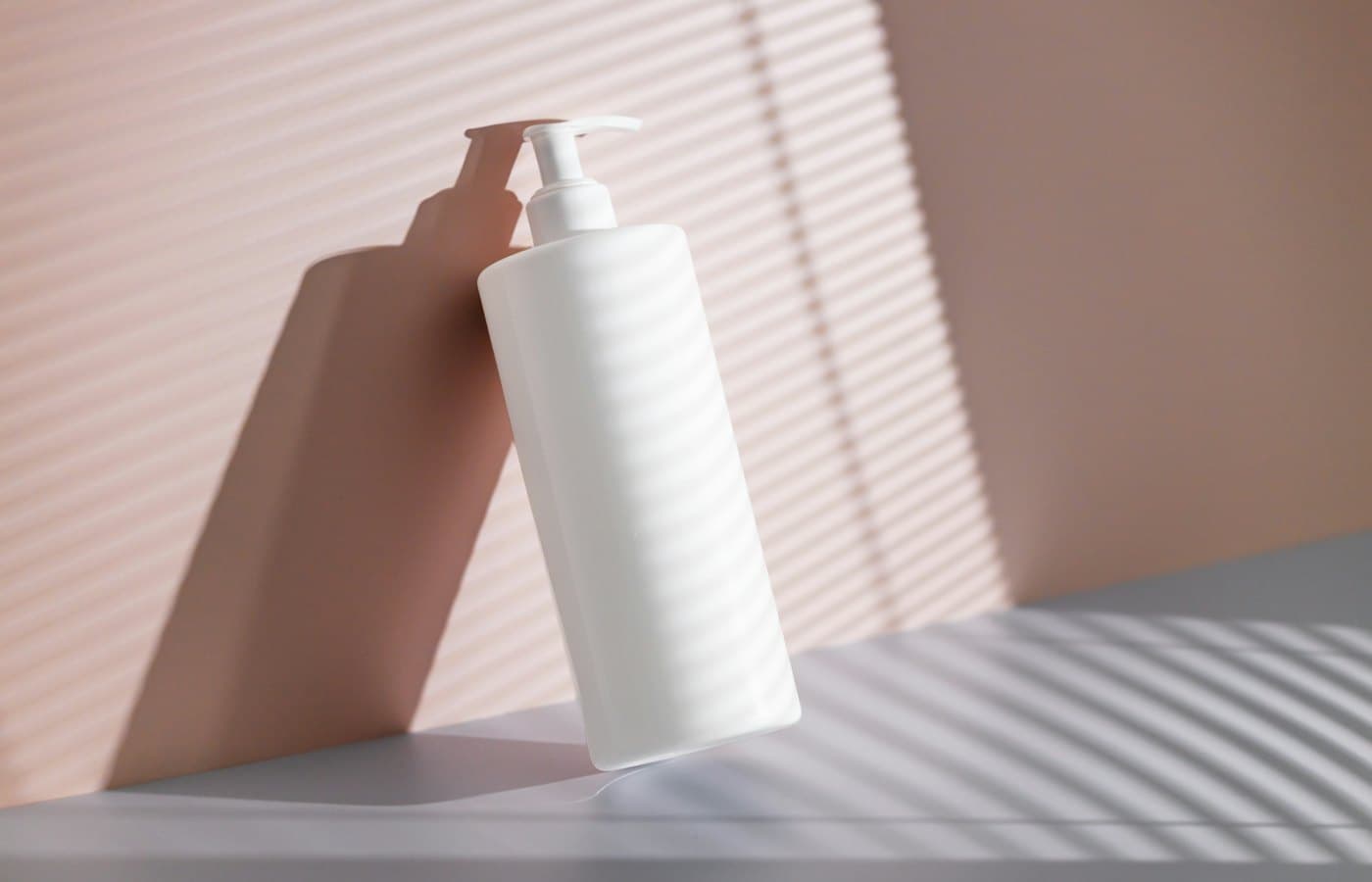 4 picksOrganic Shampoo & Hair CareShampoo, hair oil and styling cream with a named certification, and why shampoo so rarely carries the USDA seal.
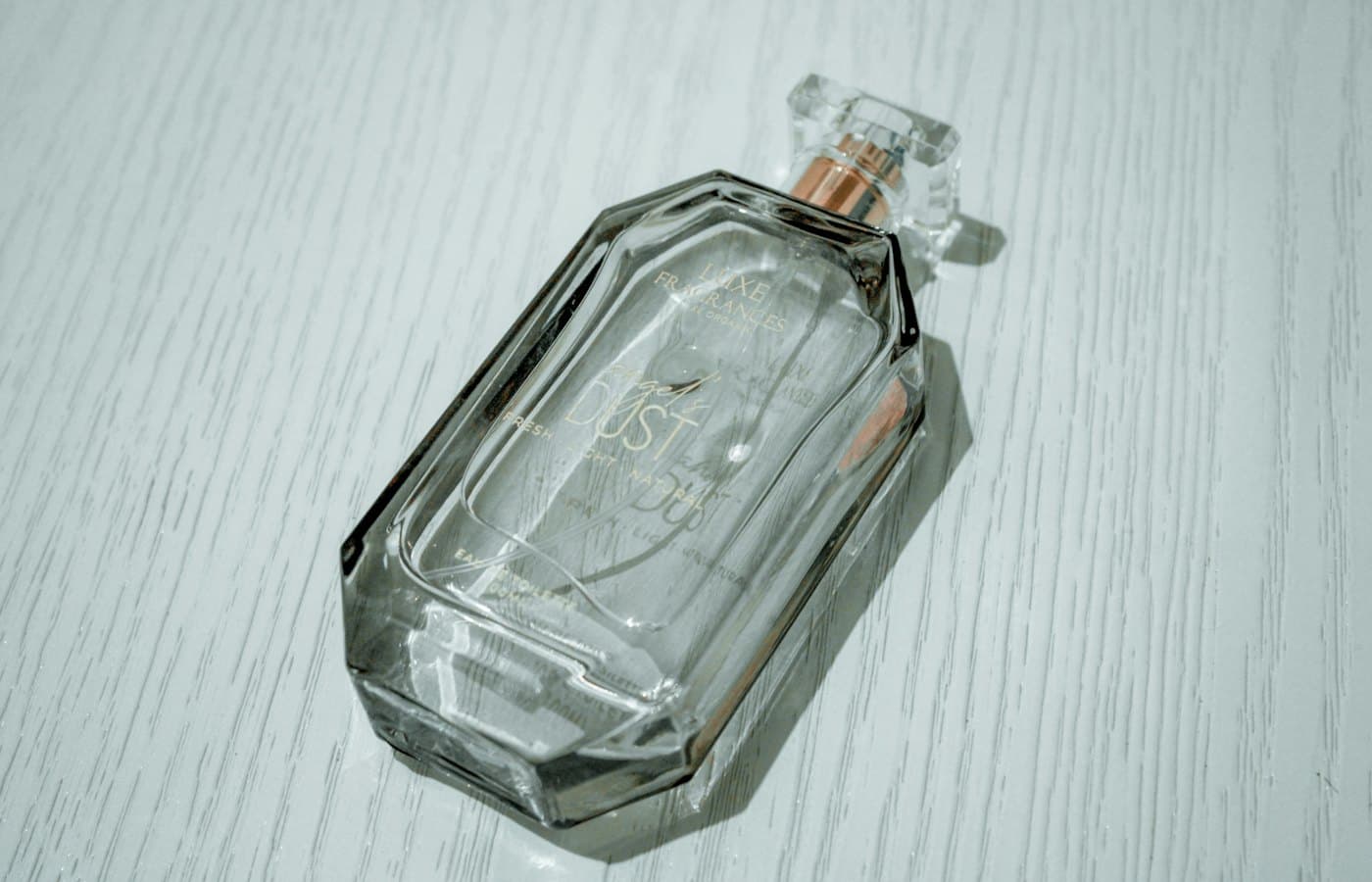 3 picksOrganic & Natural PerfumePerfumes that disclose every ingredient and carry a named verification, and what organic can mean on a scent.
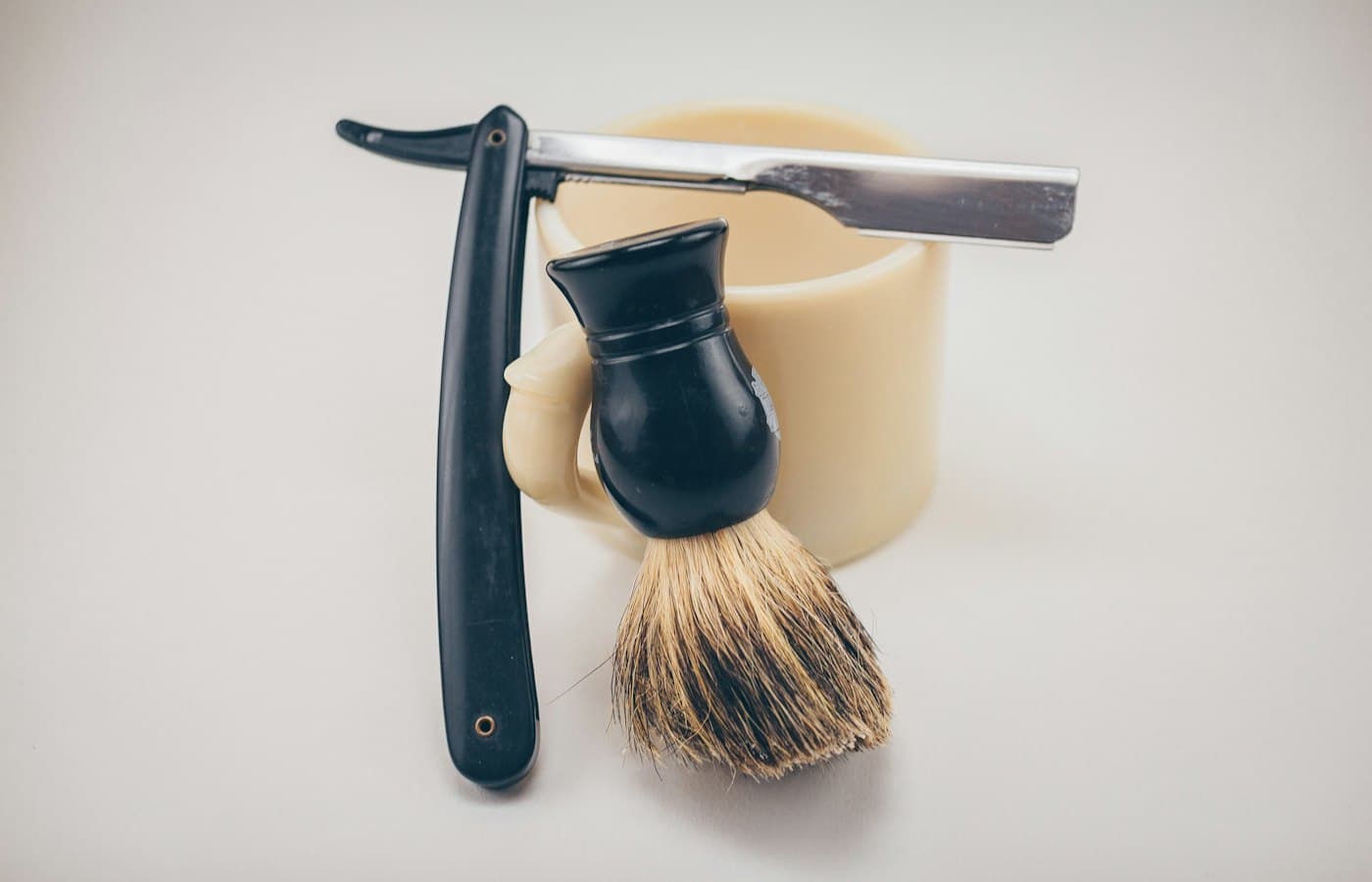 3 picksOrganic Men's GroomingBeard oil, shaving soap and hair care for men with a named certification, and what each tier covers.
Related guides
 How to spot greenwashingVague green words, homemade seals and "free of" claims: what the FTC says about each, and a five-step label check.
 How to read a USDA Organic labelThe four USDA organic label tiers, which ones may carry the seal, and where the certifier's name is printed.
 Product scanner apps explainedHow Yuka, EWG and Think Dirty turn a barcode into a score, and why a score and a certification can disagree.
Questions people ask
Does the FDA regulate the word organic on skincare?
No. The FDA states that organic is not defined in the Federal Food, Drug, and Cosmetic Act, the Fair Packaging and Labeling Act, or the regulations it enforces under them. The USDA's National Organic Program defines the term for agricultural products. A cosmetic that makes a USDA organic claim must follow those USDA rules and still meet FDA requirements for labeling and safety.
Can a lotion or face oil carry the USDA Organic seal?
Yes, if it is made of agricultural ingredients and meets the National Organic Program standards for production, handling, processing and labeling. The USDA says the farms, the ingredient handlers and the manufacturer of the final product must all be certified. A product with at least 95 percent organic ingredients, not counting water and salt, may display the seal. One with at least 70 percent may say made with organic ingredients but may not display it.
Are organic cosmetics safer than conventional ones?
Not automatically. The FDA says an ingredient's source does not determine its safety, and that many plants, whether or not they are organically grown, contain substances that may be toxic or allergenic. Every cosmetic must be safe under labeled or customary conditions of use, and the company that sells it is responsible for that. If you have sensitive skin, read the full ingredient list and ask a dermatologist.
What is the difference between NSF/ANSI 305 and USDA Organic?
USDA Organic applies food-style rules. NSF/ANSI 305 is an American National Standard written for personal care products. NSF says a certified product must contain at least 70 percent organic content by weight and state the exact percentage on the label, and that the standard permits limited chemical processing, such as the saponification that makes soap. Products certified to it use the phrase contains organic ingredients, not the USDA seal.
Sources
Each page was opened and read on October 11, 2026.