Skincare & Beauty
Organic & Natural Perfume
Certified organic perfume is hard to find, and none of the picks on this page is one. The FDA does not define organic or natural on fragrance, and it lets a whole scent formula hide behind the single word fragrance. The most useful thing to check on a perfume is full ingredient disclosure, backed by an outside verification.
What organic means here
We could not confirm a perfume with the USDA Organic seal on a brand's own site today, so this page accepts EWG Verified, which requires full ingredient disclosure including fragrance. Every pick appears in EWG's database with that mark. EWG Verified is not an organic certification. Organic alcohol in a formula is an ingredient claim, not a product certification.
Look for
- Every ingredient listed by name, not the single word "fragrance" or "parfum"
- The EWG Verified mark, which you can confirm in EWG's Skin Deep database
- A certifier's name and an organic percentage beside any organic claim
- The base: alcohol, oil or wax, and whether the brand says where it comes from
Be wary of
- "Organic perfume" when only the alcohol is described as organic
- "Natural" as a safety claim: the FDA says the law treats plant ingredients like any others
- "Hypoallergenic", which has no federal standard or definition
- Perfumes that promise sleep, calm or headache relief: the FDA treats those as drug claims
Products that carry the certification
We have not tested these products. Each one was checked against the brand’s own page and the certifier’s records. Product links may be affiliate links: if you buy through one we may earn a commission, at no extra cost to you. How we choose.
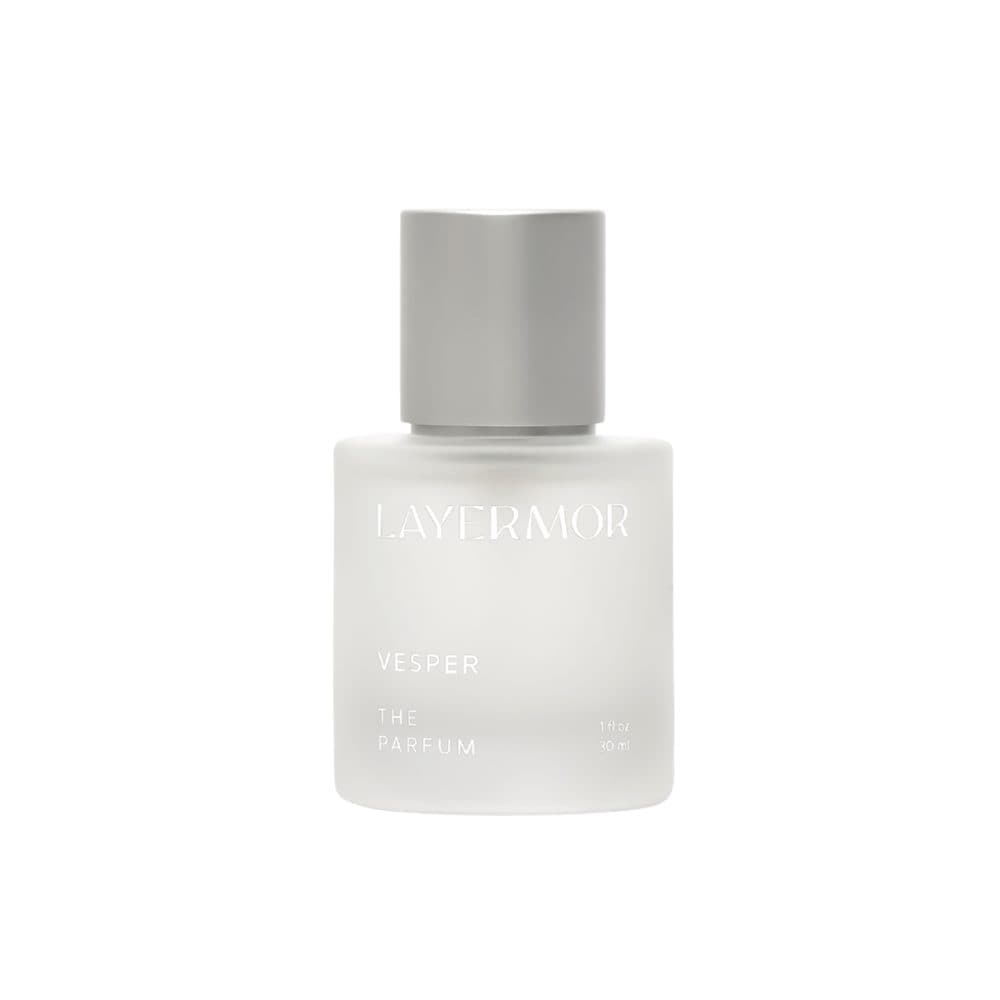
Photo: Layermor 1LayermorFull ingredient list with plain namesVesper, The Parfum
- EWG Verified
- Leaping Bunny
A vanilla parfum on an organic sugarcane alcohol base. The product page lists each ingredient with its trade and INCI name, says every formula is EWG Verified and describes the scent as Leaping Bunny certified. EWG's database shows it with the Verified mark, updated September 2026.
Good to know: Only the alcohol is described as organic, and no organic certifier is named. Most of the listed scent ingredients are aroma compounds, with coffee bean and ambrette seed extracts. The label flags farnesol as a potential allergen.
Checked against: layermor.com · ewg.org
View at Layermorlayermor.com
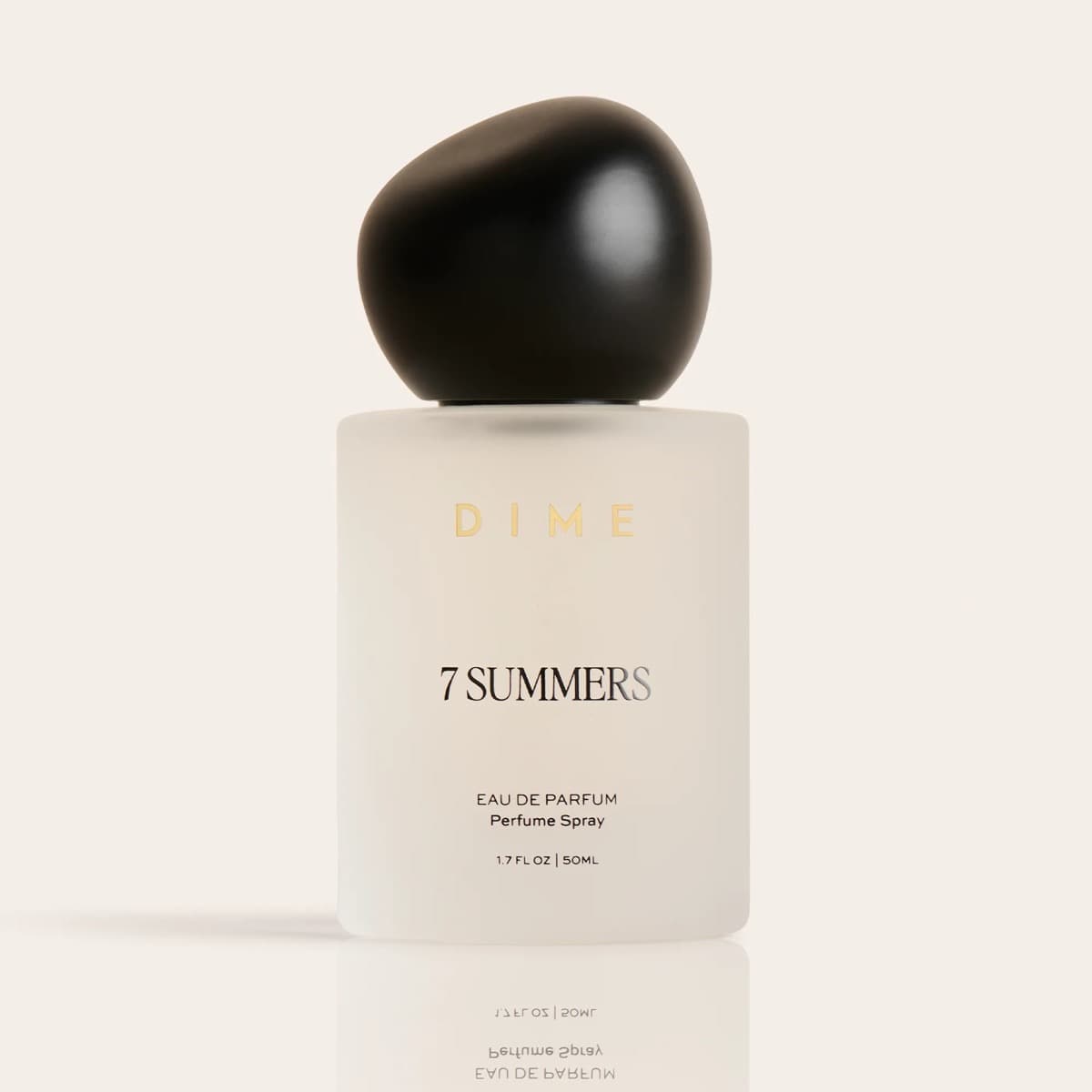
Photo: DIME Beauty 2DIME BeautyOrganic sugar cane alcohol base7 Summers Perfume
- EWG Verified
- Leaping Bunny
A perfume made with organic sugar cane alcohol and a blend the brand describes as naturally derived and synthetic ingredients. The product page lists it as Leaping Bunny Certified, and EWG's Skin Deep database shows it bearing the EWG Verified mark.
Good to know: The brand's page says EWG Partner, not Verified. The mark is confirmed on EWG's entry, last updated January 2024. Only the alcohol is described as organic, with no certifier named.
Checked against: dimebeautyco.com · ewg.org
View at DIME Beautydimebeautyco.com
- 3Henry RoseMarine citrus eau de parfum
Jake's House
- EWG Verified
- Cradle to Cradle Certified
An eau de parfum the brand places in its marine citrus family. The product page lists every ingredient by name and says the collection is both EWG Verified and Cradle to Cradle Certified. EWG's Skin Deep database shows this scent bearing the EWG Verified mark.
Good to know: No organic certification, and the page labels many ingredients as synthetic. EWG's entry for this scent was last updated in January 2023. Other scents are separate formulas.
Checked against: henryrose.com · ewg.org
View at Henry Rosehenryrose.com
Products with a photo are shown first; otherwise the order says nothing about quality. Certifications can lapse: check the certifier’s database before you buy.
What organic can mean on a perfume
The FDA says organic is not defined in the laws it enforces for cosmetics. The USDA regulates the word for agricultural ingredients, and a product may show the USDA Organic seal only with at least 95 percent organic ingredients, not counting water and salt, and a named certifier. A spray perfume is mostly alcohol plus scent compounds, many of them made in a lab, so that bar is hard to reach.
What you will see more often is one organic ingredient, usually the alcohol. Under USDA rules, a product with less than 70 percent organic ingredients may name organic ingredients only in the ingredient list and may not use the word on the front. Our guide to organic vs natural vs non-GMO covers why those words are not interchangeable.
Why the word fragrance hides so much
Cosmetics sold at retail must list their ingredients, with one large exception. The FDA says fragrance ingredients may be listed simply as fragrance, because labeling law cannot be used to force a company to reveal trade secrets, and fragrance formulas are likely to qualify. A perfume can list alcohol, water and fragrance and be fully legal.
Fragrances also do not need FDA approval before sale. The company is responsible for safety. That is why disclosure is the standard we use here. EWG Verified requires a maker to be fully transparent about a product's ingredients, including fragrance ingredients, and bars anything on EWG's unacceptable list.
Natural, synthetic and allergies
Natural is not a safety category. The FDA says there is no regulatory definition of essential oils and that the law treats ingredients from plants the same as those from any other source. Some fragrance components can cause allergic reactions or sensitivities, and that is true of plant extracts as well as synthetics.
The FDA also says it does not have the same legal authority to require allergen labeling for cosmetics as it does for food. The Modernization of Cosmetics Regulation Act of 2022 directs the agency to write a fragrance allergen labeling rule, and the FDA's page on the act, dated August 10, 2026, lists that rulemaking without reporting a final rule. Until then, a full ingredient list is the only way to look for something you react to.
When a scented product becomes a drug
The FDA sorts products by intended use. A perfume meant to make you smell pleasant is a cosmetic. A fragrance product sold to ease muscle aches, soothe headaches or help people sleep is making drug claims, and the FDA says aromatherapy products with those intended uses are drugs. We list perfumes as perfumes and nothing more.
Questions people ask
Is there a USDA certified organic perfume?
It is possible under the rules and uncommon on the shelf. A perfume would need at least 95 percent organic ingredients, not counting water and salt, a certified manufacturer and a named certifier to show the seal. We could not confirm one on a brand's own site today, so none is listed. If you find one, look for the certifier's name on the box.
Does organic alcohol make a perfume organic?
No. It makes one ingredient organic. USDA rules let a product with less than 70 percent organic ingredients identify the organic ones in its ingredient list, but not use the word organic on the front or show the seal. A perfume built on organic sugarcane alcohol with a conventional scent blend falls in that group unless a certifier says otherwise.
What does EWG Verified mean on a perfume?
EWG says the mark means a product meets its strictest standards for transparency and health. A Verified product cannot contain ingredients on EWG's unacceptable list, and its maker must be fully transparent with EWG about the ingredients, including fragrance ingredients. It is a disclosure and ingredient screen. It does not measure organic content or promise that you will not react to a scent.
Are natural perfumes better for allergies?
The FDA gives no reason to assume so. It says the law treats plant-derived ingredients the same as any others, and that some fragrance components may cause allergic reactions or sensitivities even when safe for most people. Essential oils contain many such components. If you have known fragrance allergies, ask a dermatologist or allergist which ingredients to look for.
Why does my perfume just say fragrance on the label?
Because the law allows it. The FDA says fragrance and flavor ingredients can be listed simply as fragrance or flavor, since the Fair Packaging and Labeling Act cannot be used to force companies to disclose trade secrets. Brands that list every scent ingredient are doing so voluntarily or to meet a private standard such as EWG Verified.
Sources
Each page was opened and read on October 11, 2026.
Keep reading
 SupplementsOrganic Essential OilsCertified organic essential oils for scent, with the safety rules for children, pets and swallowing.
 Personal CareOrganic DeodorantDeodorants with a named certification, plus what separates a deodorant from an antiperspirant.
 Skincare & BeautyOrganic Body Lotion & OilBody lotions and oils that name their certifier: USDA Organic, NSF/ANSI 305 or MADE SAFE, with the tier stated.