Supplements & Wellness
Organic Essential Oils
An organic essential oil comes from plants certified under the USDA organic rules, which cover how the plant was grown and distilled. Organic does not mean gentle. These are concentrated plant extracts sold for scent: do not swallow them, keep them away from children and pets, and ask your doctor before using them if you are pregnant or nursing.
Not medical advice. This page describes labels and certifications. It is general information, and it does not replace your pediatrician, doctor or midwife, who know you and your child.
What organic means here
This page lists single essential oils whose brand page states USDA Organic or Regenerative Organic Certified status, and notes any purity testing the brand describes. We list them as fragrance products only. We make no claim that any oil treats, calms or improves anything, and we do not list oils for swallowing.
Look for
- The USDA Organic seal or a named organic certification on the bottle or box
- The plant's Latin name, the part distilled and a single ingredient
- "External use only" or "not for internal use" and a keep out of reach warning
- Batch purity reports, often called GC/MS reports, that you can look up
Be wary of
- "Therapeutic grade" or "food grade" on an essential oil: neither is an organic certification
- Any claim that an oil treats pain, anxiety, sleep problems, colic or infection
- Advice to add drops to water, food or capsules
- Diffusing oils in a closed room with a baby, a cat or a bird
Products that carry the certification
We have not tested these products. Each one was checked against the brand’s own page and the certifier’s records. Product links may be affiliate links: if you buy through one we may earn a commission, at no extra cost to you. How we choose.
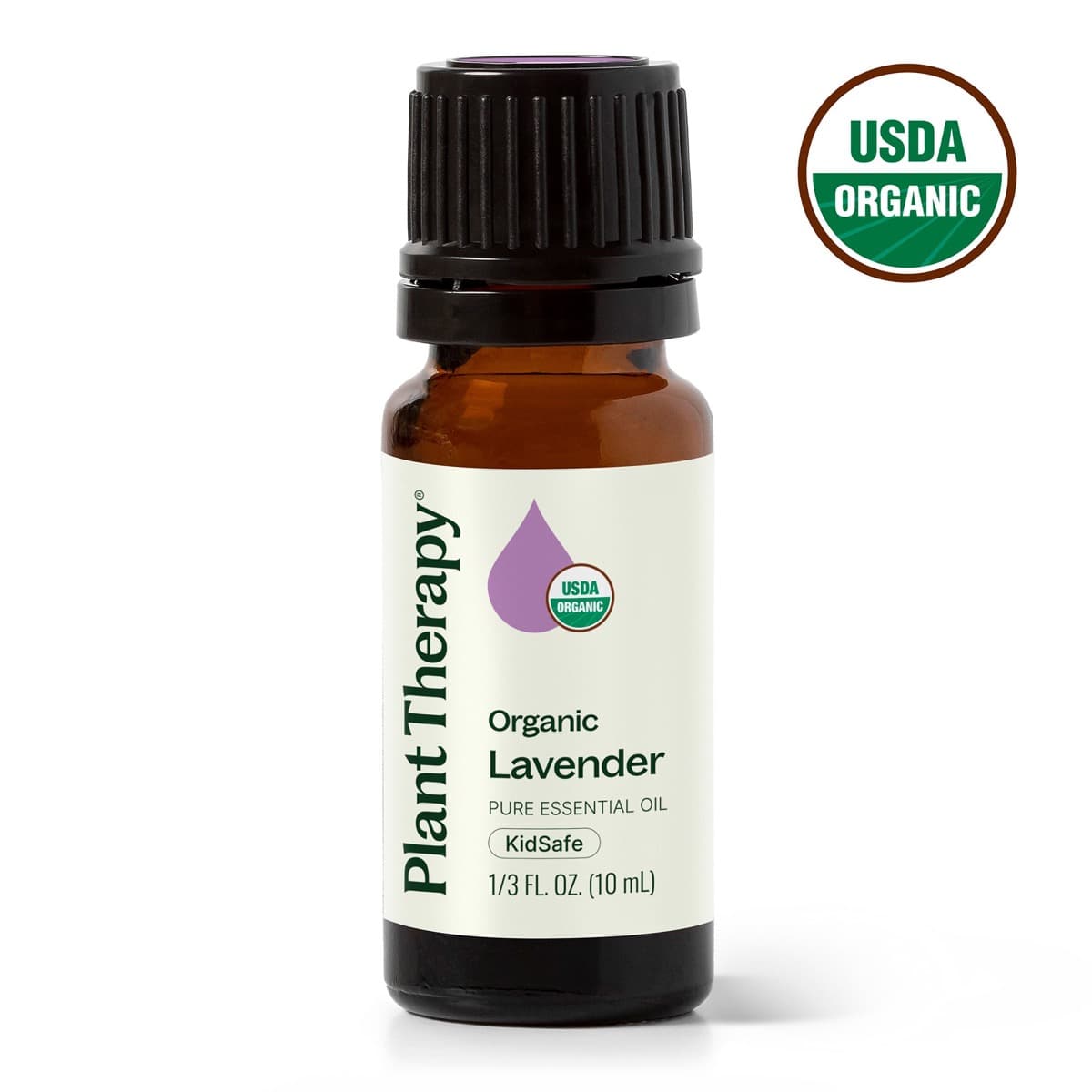
Photo: Plant Therapy 1Plant TherapyTest reports on the product pageOrganic Lavender Essential Oil
A single-ingredient oil of Lavandula angustifolia. The product page shows USDA Organic and GC-MS Tested badges, lists the oil as a certified organic ingredient, and includes a test reports section. Its cautions read keep out of reach of children and external use only.
Good to know: The page makes calming and skin claims and uses the brand's own safety labels, none of which we repeat or endorse. It says to consult your physician if pregnant or under a doctor's care.
Checked against: planttherapy.com
View at brand siteplanttherapy.com
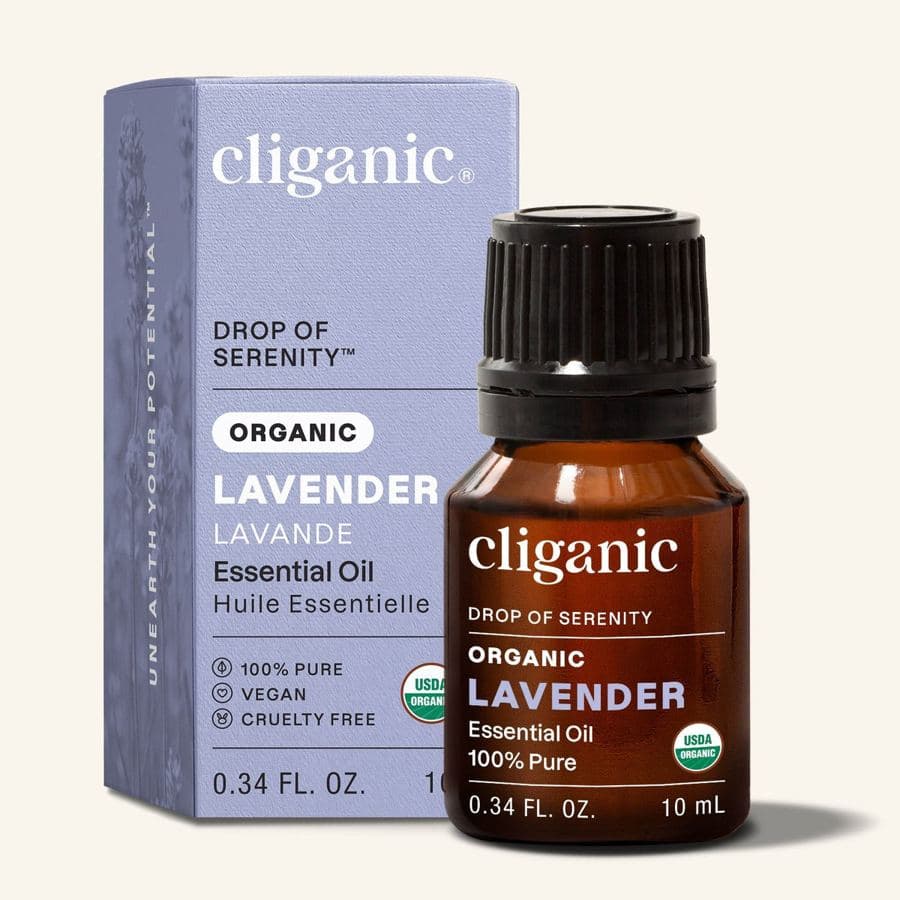
Photo: Cliganic 2CliganicSingle ingredient, glass bottleOrganic Lavender Essential Oil
A single-ingredient lavender flower oil in a glass bottle. The product page shows a USDA Organic badge, lists the oil as certified organic and GC/MS tested, and says it is third-party tested for purity and quality. The label warnings include external use only.
Good to know: The page says to keep it out of reach of children and pets, and that it may increase skin sensitivity to sunlight and contains known skin allergens. The outside lab is not named.
Checked against: cliganic.com
View at Cliganiccliganic.com
- 3Aura CaciaRegenerative Organic Certified peppermint
Organic Peppermint Essential Oil Regenerative Organic Certified
A single-ingredient organic peppermint oil named by the brand as Regenerative Organic Certified. The product page says it is distilled from certified organic botanicals and marks it external use only, purity tested and free of synthetic fragrances.
Good to know: The page does not picture the USDA seal, so we list only the certification in the product name. Label warnings: not for internal use, keep out of reach of children, flammable. Not for use on infants' or young children's faces, per the NIH.
Checked against: auracacia.com
View at Aura Caciaauracacia.com
Products with a photo are shown first; otherwise the order says nothing about quality. Certifications can lapse: check the certifier’s database before you buy.
What organic means for an essential oil
Essential oils are distilled or pressed from crops, so they can be certified under the USDA Organic rules like any other farm product. The certification covers how the lavender or peppermint was grown and handled. Some oils also carry Regenerative Organic Certified, which requires organic certification as its starting point.
Organic status says nothing about how an oil behaves on skin or in the air. The FDA puts it plainly: many plants contain materials that are toxic, irritating or likely to cause allergic reactions when applied to the skin, and coming from a plant does not make something safe. The agency also notes it has no regulations defining "natural" or "organic" for cosmetics.
Safety rules that apply to every bottle
Essential oils and pets
Veterinarians at Tufts University's Cummings School wrote in 2018 that essential oils can be very dangerous for pets, particularly in concentrated form, and that pets are most often poisoned when the oils touch their skin. They said birds are especially sensitive and should never be exposed to essential oils.
Their advice: if you diffuse oils, do so only for short periods in a room that is separate and secure from your pets, and keep oils and diffusers out of reach even when not in use. They single out tea tree oil as never safe to use on cats, and say never to apply essential oils to a dog without a veterinarian's direction. Our pets department covers products made for animals.
How essential oils are regulated
It depends on what the seller says the oil is for. The FDA explains that a fragrance product intended only to make a person smell good is a cosmetic, and the law does not require cosmetics to have FDA approval before they go on the market. A product sold with claims that it will ease pain, relax muscles, treat anxiety or help you sleep is making drug claims, and drugs do need FDA approval.
Some oils are sold as dietary supplements to be swallowed. The FDA does not approve dietary supplements for safety and effectiveness before they are sold either, and we do not list oils for that use. Scented products for the home fall under yet another agency: see non-toxic candles for those.
Questions people ask
Can I swallow organic essential oils or add them to water?
We do not recommend it, and the oils listed here are labeled for external use only. The NIH's National Center for Complementary and Integrative Health says tea tree oil should not be swallowed and that taking it by mouth can cause serious symptoms. Organic certification does not change what a concentrated oil does if swallowed. Ask your doctor before taking any oil by mouth.
Are organic essential oils safe around babies and children?
Be very careful, and ask your pediatrician first. The NIH says peppermint oil should not be applied to the face of infants or young children because inhaling the menthol may affect their breathing. Store every bottle locked up or out of reach. If a child swallows an oil, call Poison Help at 1-800-222-1222.
Are essential oils safe to diffuse around cats and dogs?
Tufts University veterinarians advised in 2018 that essential oils can be very dangerous for pets, especially cats and birds. They recommend diffusing only for short periods in a room separate and secure from your pets, and keeping oils and diffusers out of their reach. Call your veterinarian right away if you think a pet has swallowed or touched an oil.
Does the FDA approve essential oils?
Not when they are sold as fragrance. The FDA says the law does not require cosmetics to have FDA approval before they go on the market, though the agency can act against a cosmetic that is unsafe or mislabeled. An oil sold with claims to treat or prevent a health problem is regulated as a drug, which does require approval.
What do "therapeutic grade" and "GC/MS tested" mean?
"Therapeutic grade" is a marketing phrase, not a certification you can look up in a public database. "GC/MS tested" refers to a lab method brands use to describe an oil's makeup and purity. A batch report you can view tells you more than the phrase alone. Neither one makes an oil safe to swallow or to use on a child.
Sources
Each page was opened and read on October 11, 2026.
- FDA: Aromatherapy (cosmetic products)
- FDA: FDA 101: Dietary Supplements
- NIH National Center for Complementary and Integrative Health: Tea Tree Oil: Usefulness and Safety
- NIH National Center for Complementary and Integrative Health: Peppermint Oil: Usefulness and Safety
- Tufts Now (Cummings School of Veterinary Medicine): Are essential oils dangerous to pets? (2018)
- HRSA Poison Help: Prevention Tips
- Regenerative Organic Alliance: Regenerative Organic Certified
Keep reading
 Home & KitchenNon-Toxic CandlesBeeswax, soy and coconut candles listed by the wax, wick and scent each maker discloses, with the fire rules.
 Skincare & BeautyOrganic & Natural PerfumePerfumes that disclose every ingredient and carry a named verification, and what organic can mean on a scent.
 SupplementsOrganic Herbal SupplementsSingle-herb extracts and capsules with a stated organic certification, and the cautions that come with herbs.