Baby & Family
Organic baby and kids clothing
For clothing, organic only means something when the finished garment is certified, not just the cotton it started from. On these pages we list bodysuits, pajamas, swaddles, sleep sacks, kids clothes and accessories whose makers appear in the GOTS public database, and we say plainly where a claim covers the fiber alone.
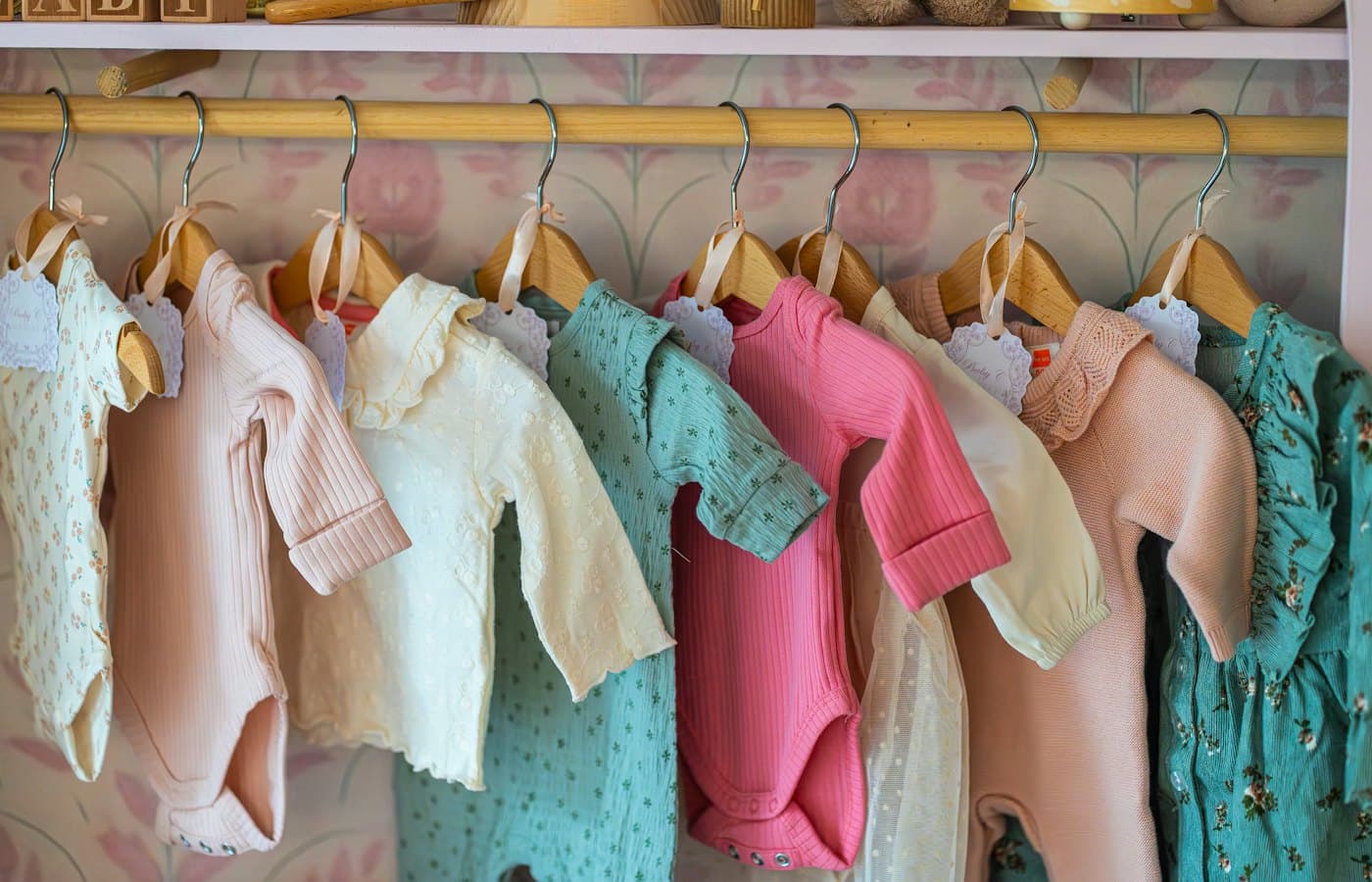
This department covers what a child wears from the first week through grade school: bodysuits, pajamas and sleepers, swaddles, sleep sacks, everyday kids clothes, and the small things like hats and socks.
The USDA regulates the word organic for the raw fiber, such as cotton or wool, but its rules have no processing standard for textiles. That gap is filled by GOTS, the Global Organic Textile Standard. A GOTS label needs at least 70% certified organic fiber for the made with grade and at least 95% for the organic grade, and every company that handles the product has to be certified. If certified fabric is sewn in an uncertified factory, the finished garment is not certified. That is why we look for the claim on the garment and the brand in the public database, not only the words organic cotton.
Some things cannot be certified by a clothing label at all. GOTS says nothing about fit, warmth or how a product should be used for sleep. Children's sleepwear has its own federal flammability rule, and swaddles and sleep sacks sit under the American Academy of Pediatrics safe sleep guidance. Those rules apply to organic and conventional products alike, so each page here states them next to the picks.
Categories
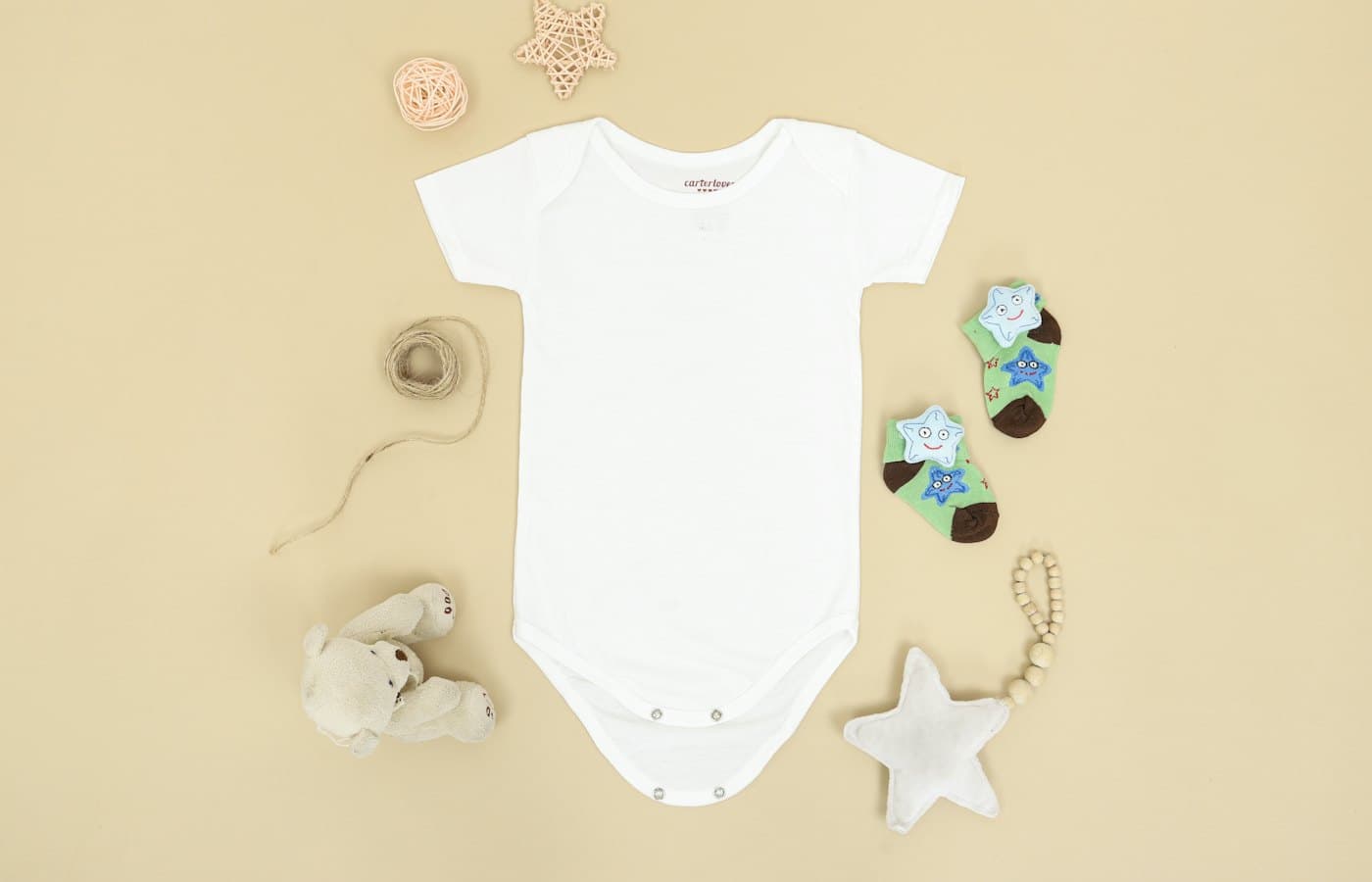 4 picksOrganic Baby BodysuitsBodysuits from brands in the GOTS public database, and how to tell a certified garment from a fiber claim.
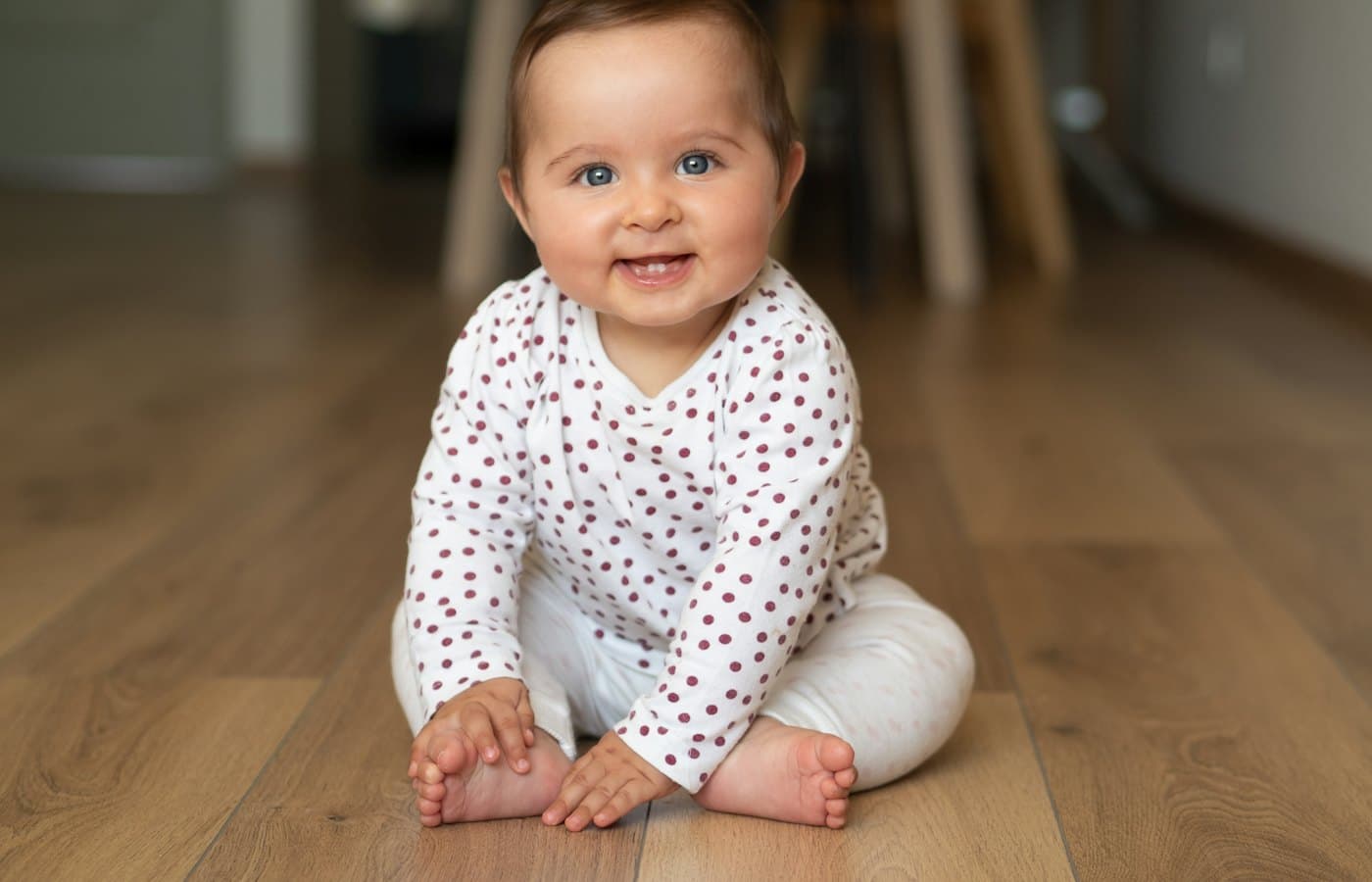 4 picksOrganic Baby Pajamas & SleepersGOTS certified pajamas and sleepers, plus the federal snug-fit rule that explains the yellow hangtag.
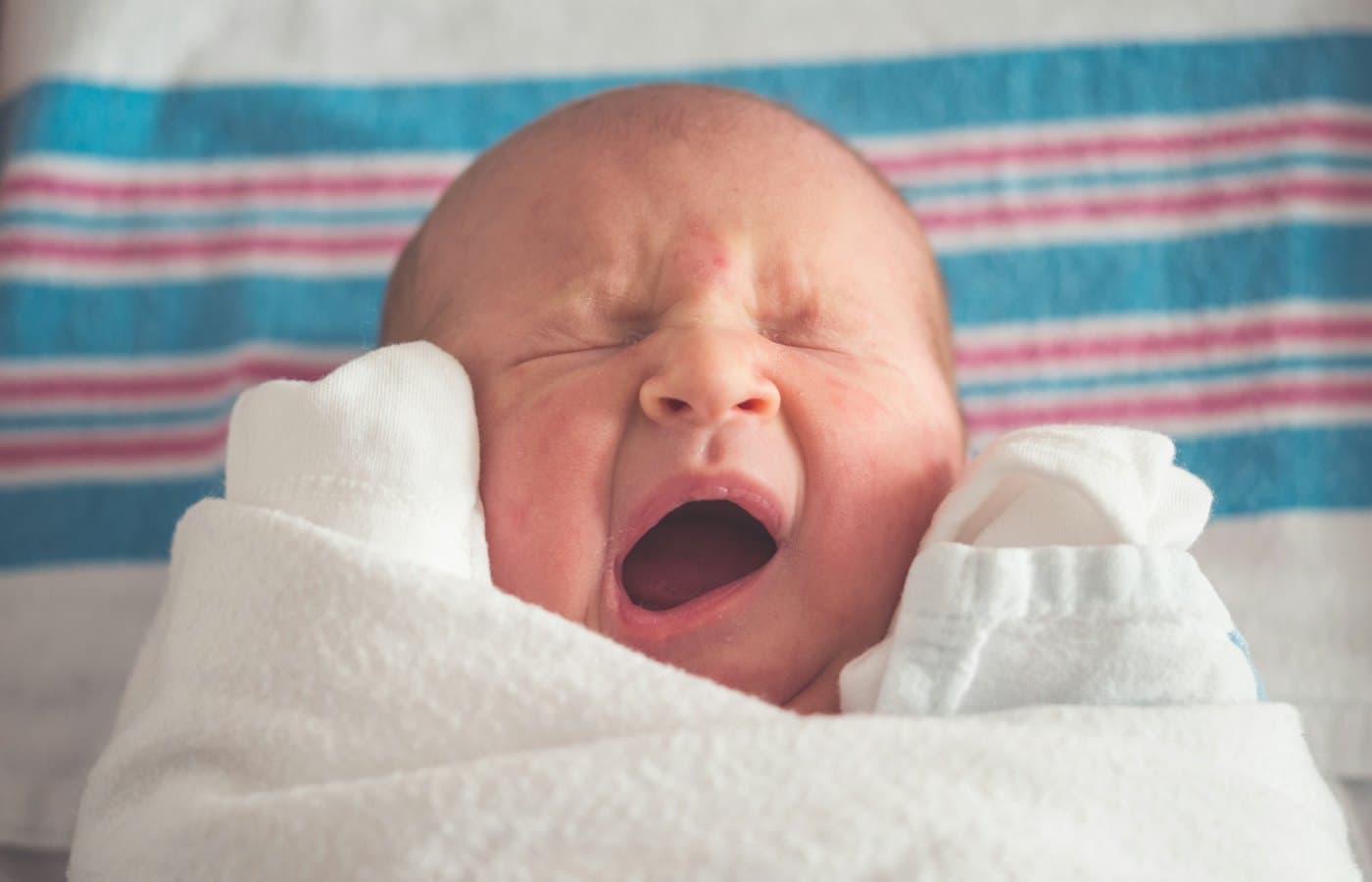 4 picksOrganic SwaddlesGOTS certified swaddle blankets, with the AAP rules on when to stop swaddling and how tight is too tight.
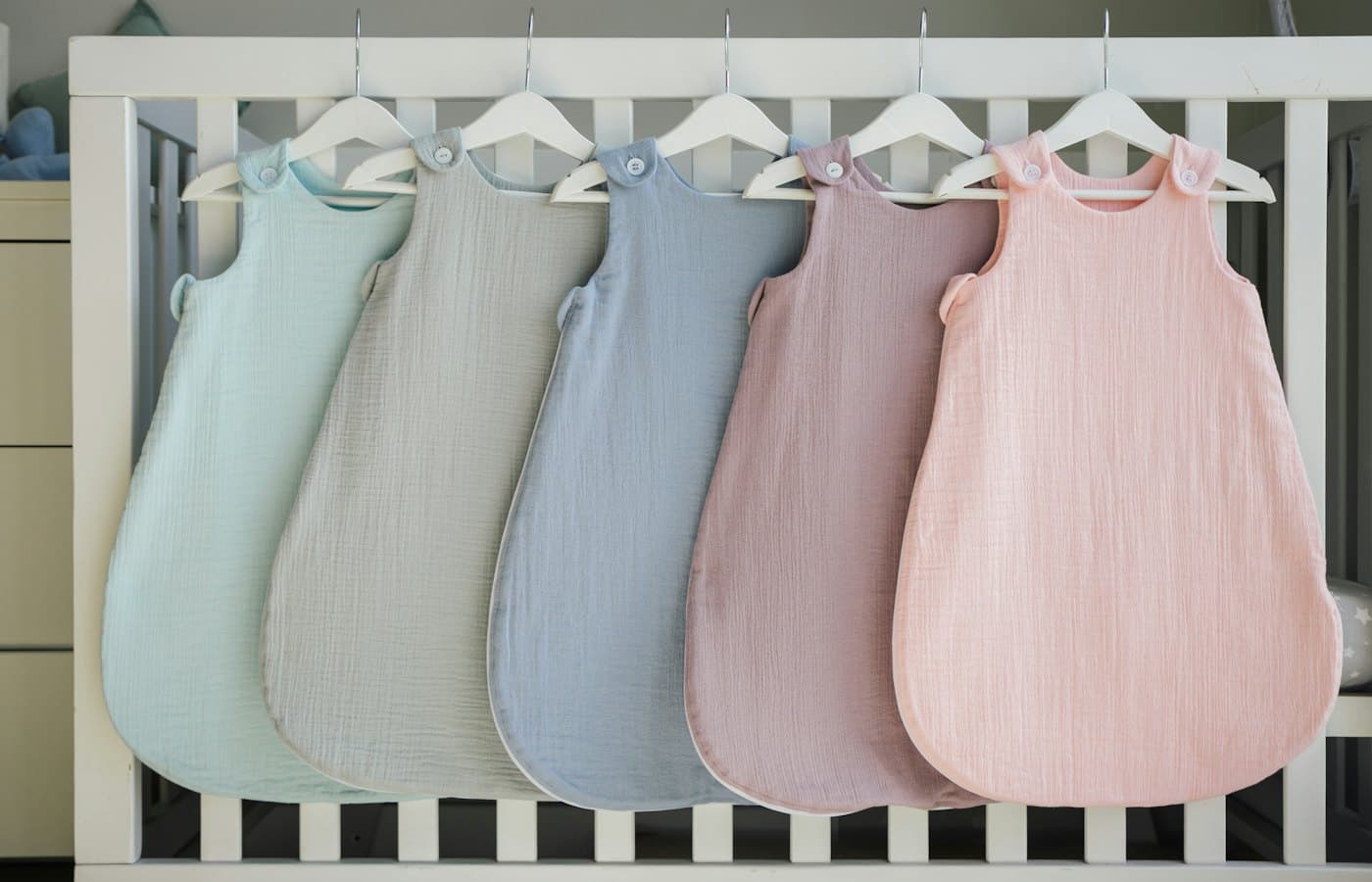 4 picksOrganic Sleep SacksGOTS certified sleep sacks and wearable blankets, with AAP safe sleep rules on layers, weights and loose bedding.
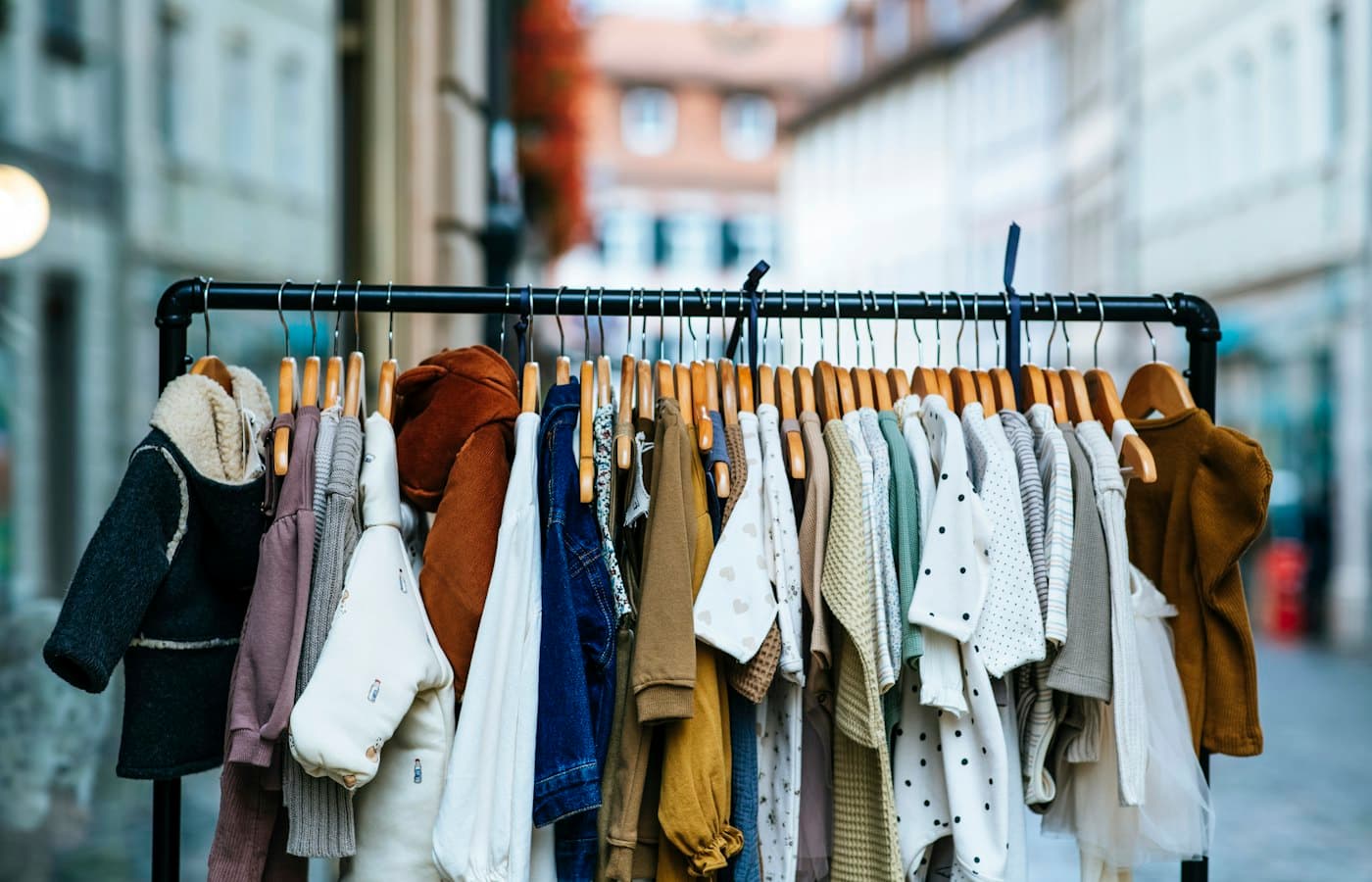 4 picksOrganic Kids ClothingKids clothes from GOTS certified brands, and how to check that the garment, not just the cotton, is certified.
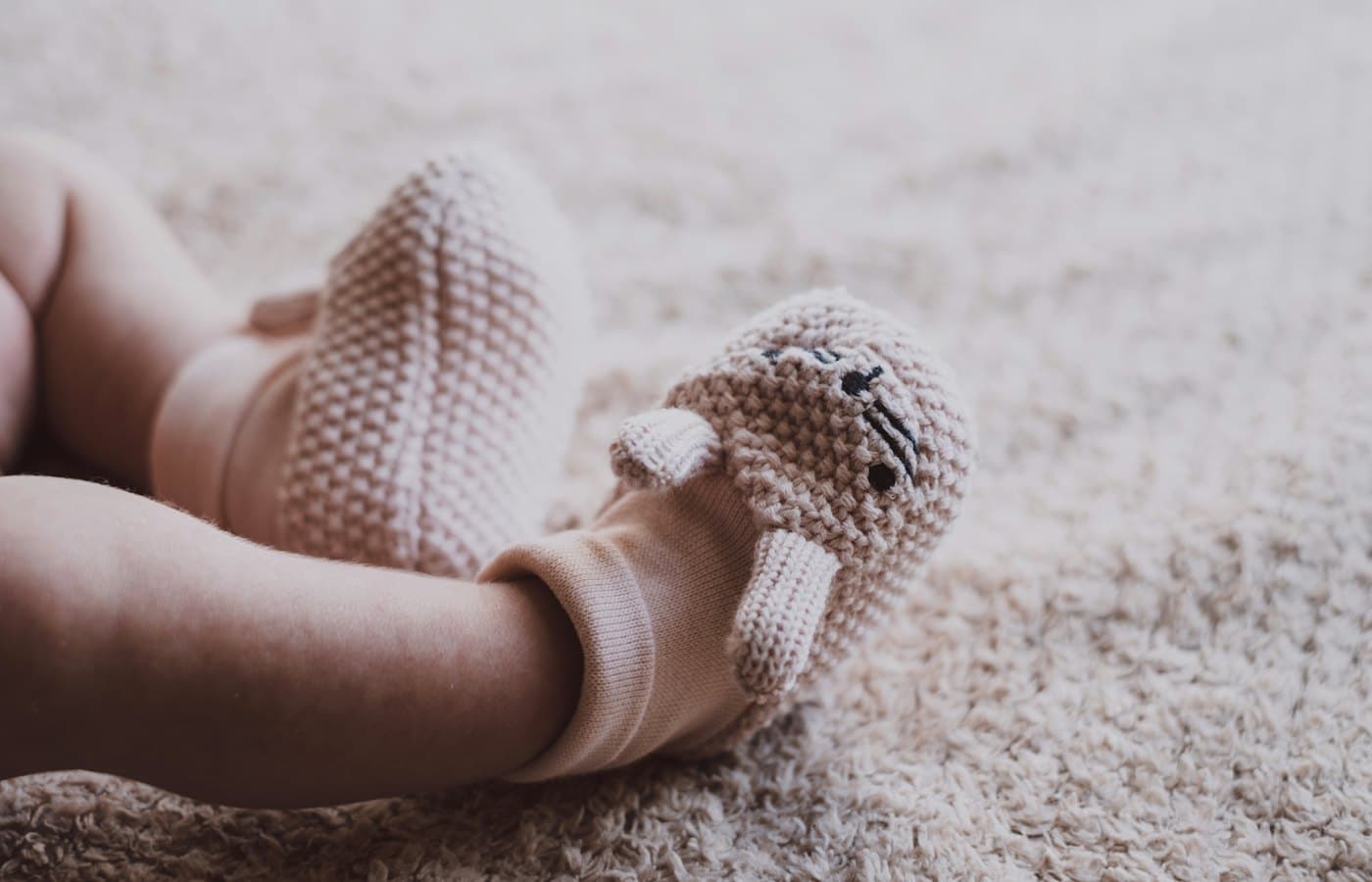 3 picksOrganic Baby Hats, Socks & AccessoriesGOTS certified hats, caps and socks for babies and toddlers, and why stretch fibers change the label grade.
Related guides
 GOTS vs OEKO-TEXGOTS certifies organic fiber and processing. OEKO-TEX Standard 100 tests the finished item for harmful substances.
 Organic baby registry checklistWhere a certified organic label earns its place on a baby registry, where it cannot apply, and what to leave off.
Questions people ask
What does GOTS certified mean on baby clothes?
It means the garment was made under the Global Organic Textile Standard, with at least 70% certified organic fiber (95% for the organic label grade) and every processing stage certified, from fiber to finished product. A correct label shows the GOTS logo, the label grade, the certification body and the certified company's number. You can look that number up in the public GOTS database.
Is organic cotton the same as a GOTS certified garment?
No. Organic cotton describes how the fiber was grown. A garment can be sewn from certified organic cotton in a factory that is not certified, and GOTS says that garment may not be presented as certified. Wording like made with GOTS certified cotton is a fiber claim. Look for the GOTS logo with a licence number on the garment's own label or product page.
Can baby clothes carry the USDA Organic seal?
Rarely. A 2011 USDA policy memo says textiles made to the Global Organic Textile Standard may be sold as organic in the United States, but they may not display the USDA Organic seal or refer to National Organic Program certification unless they are certified under those regulations. For clothing, the label you will actually see is GOTS. Our GOTS vs OEKO-TEX guide explains the difference between the two common textile labels.
Do organic pajamas have to be flame resistant?
Children's sleepwear in sizes above 9 months must either pass federal flammability tests or meet the tight-fitting garment definition. Organic cotton pajamas almost always take the tight-fitting route, so they carry a yellow hangtag saying the garment is not flame resistant and should fit snugly. Buy the size that fits now, not a size up.
Sources
Each page was opened and read on October 11, 2026.
- USDA Agricultural Marketing Service: Policy Memo 11-14, Labeling of Textiles That Contain Organic Ingredients
- Global Standard: GOTS key features
- Global Standard: How to label a GOTS certified product
- CPSC: Infant Garments and Tight-fitting Sleepwear Garments
- HealthyChildren.org (AAP): How to Keep Your Sleeping Baby Safe