Pregnancy, baby & kids
An organic baby registry: what is worth it and what is not
An organic label is worth asking for where two things are true: your baby will be in close contact with the item for hours a day, and a real certification exists for it. That points to the mattress, sheets and everyday clothing. Many registry items cannot be certified organic at all, and a few should not be on any registry.
How to decide what is worth buying organic for a baby
Start with what the word can mean. Organic is a farming standard, so it applies to things made from crops: cotton, wool, food. For textiles the relevant certification is GOTS, which requires certification of every processing stage from organic fiber to finished product, and at least 70 percent certified organic fibers in anything that carries its label.
Then ask how much contact the item has with your baby. A fitted sheet or a bodysuit is against the skin most of the day. A stroller frame is not. Nothing in the AAP or CPSC guidance we read requires organic materials, so this is about preference and priorities, not safety rules.
Last, check that a claim is certified at all. A tag that says made with organic cotton, with no certifier named, is a description. A GOTS label is an audited claim.
Where a certified organic label is worth asking for
These are the items with long daily contact and a certification that fits the product.
| Item | Label to look for | What the label does not cover |
|---|---|---|
| Crib mattress | GOTS for organic materials, GREENGUARD Gold for low chemical emissions | Firmness and fit. Those are safety requirements for every mattress. |
| Fitted crib sheets | GOTS | Fit. The sheet must be made for the mattress size. |
| Bodysuits and pajamas | GOTS on the finished garment | Sizing and snaps. A GOTS label on fabric alone is not a certified garment. |
| Wearable blanket or sleep sack | GOTS | It must not be weighted. See the skip list below. |
Notes on the sleep items
The mattress is where both labels can apply. UL Solutions describes GREENGUARD Gold as setting lower VOC emission limits for products used in places such as nurseries. That is an air quality test, separate from GOTS. Our page on organic crib mattresses says which part of each mattress is certified, because a certified cover is not a certified mattress.
Whatever the label, the AAP's rules come first: a firm, flat mattress designed for your crib that fits tightly, with a fitted sheet and nothing else. The AAP suggests a wearable blanket or layers of clothing in place of loose blankets, which is why organic sleep sacks are a more useful registry item than a crib quilt.
For clothing, a handful of everyday pieces gets more wear than an outfit for photos. See organic baby bodysuits for brands whose finished garments are certified.
What cannot be certified organic, and how to judge it instead
Much of a registry is hard goods. There is no organic certification for a car seat, a stroller, a monitor or a bottle, so an organic claim on one of these usually refers to a fabric cover at most. Judge them on the rules that do apply.
- Car seat: NHTSA says a child under age 1 should always ride rear-facing. Choose a seat that fits your vehicle, and register it with the manufacturer so recall notices reach you.
- Crib, bassinet or play yard: it must meet CPSC safety standards. The AAP says to use a crib made after June 2011 and to check for recalls, especially if it is not new.
- Changing table: the AAP recommends a sturdy one with a 2-inch guardrail on all four sides.
- Nursery furniture: GREENGUARD Gold is the label that fits here, since it measures emissions. Our non-toxic nursery checklist goes through the room, including anchoring dressers to the wall.
- Humidifier: the AAP says cool-mist, cleaned as the maker directs.
What to leave off the registry, organic or not
Some products are sold in organic cotton or natural materials and still should not be used. A soft label does not change the hazard.
Should formula and feeding gear go on a registry?
Feeding plans often change after the birth, so this is the one area where waiting is the sound choice. The AAP recommends breastfeeding as the sole source of nutrition for about 6 months where possible. If you use formula, FDA's advice is to check with your infant's healthcare provider to decide which one.
That makes a stockpile of one formula a poor registry item. If you want to read ahead, our guide on how to choose an organic formula explains what the organic seal does and does not cover, and what to ask your pediatrician.
Bottles and pump parts cannot be organic. They are chosen by material and by what your baby accepts, which you will not know in advance. A small starter set is enough.
If you are buying for someone else, our page on organic baby shower gifts applies the same test: certified where it can be, and nothing from the skip list.
Questions people ask
Do babies need organic clothes?
No health authority we read says they do. Organic cotton is a preference about how the fiber was grown and processed. If it matters to you, look for GOTS on the finished garment, which requires at least 70 percent certified organic fibers and certification of each processing stage. Put the certified pieces where they get the most wear: everyday bodysuits and sleepwear.
Is an organic crib mattress worth putting on a registry?
It is the registry item where certification has the most to say, because a baby spends many hours on it and both GOTS and GREENGUARD Gold can apply. It is still a preference. The safety requirements are the same for every crib mattress: firm, flat, made for your crib and tight fitting, with only a fitted sheet on top.
What should not go on a baby registry?
Anything the safety agencies warn against: crib bumpers, pillows and soft bedding for the crib, weighted sleep products, inclined sleepers, and teething jewelry such as amber necklaces. FDA also warns against benzocaine teething gels and homeopathic teething tablets. These warnings apply no matter what the product is made of or how it is labeled.
Can a car seat or stroller be organic?
Not as a whole product. Organic certification applies to agricultural fibers and food, so at most a fabric cover could be certified. Choose a car seat on fit and correct use. NHTSA says to make sure the seat fits your vehicle and to register it with the manufacturer so you receive recall and safety notices.
Sources
Each page was opened and read on October 11, 2026.
- American Academy of Pediatrics (HealthyChildren.org): How to Keep Your Sleeping Baby Safe
- American Academy of Pediatrics (HealthyChildren.org): Make Baby's Room Safe, Parent Checklist
- U.S. Consumer Product Safety Commission: Safe Sleep, Cribs and Infant Products
- FDA: Safely Soothing Teething Pain in Infants and Children
- FDA: Infant Formula Information for Parents & Caregivers
- American Academy of Pediatrics (HealthyChildren.org): Choosing a Baby Formula
- NHTSA: Car Seats and Booster Seats
- Global Organic Textile Standard: Key Features
- UL Solutions: UL GREENGUARD Certification
Product pages this guide supports
 Nursery & SleepOrganic Crib MattressesCrib mattresses certified to GOTS as a finished product, with each component label explained.
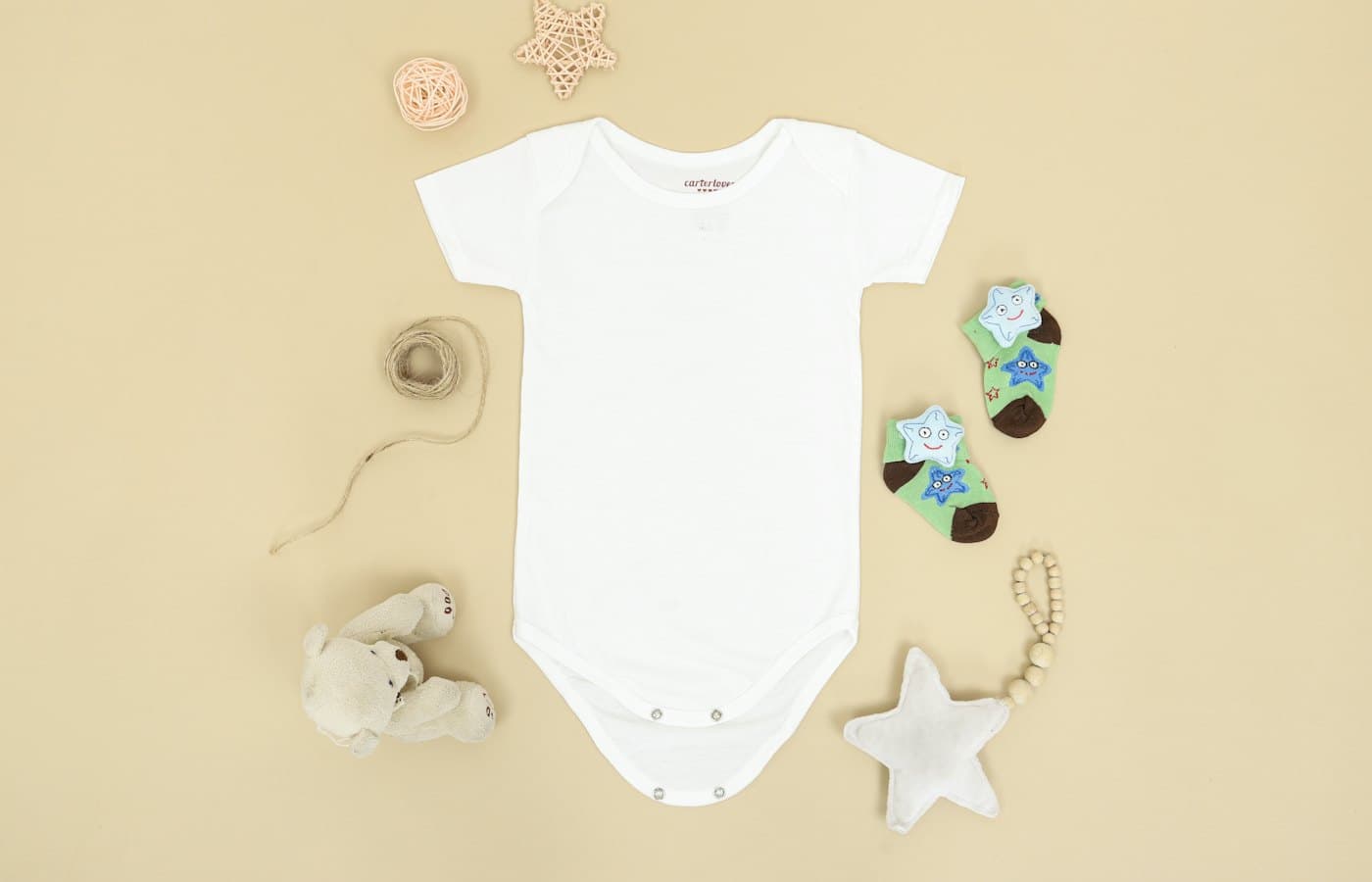 Baby & Kids ClothingOrganic Baby BodysuitsBodysuits from brands in the GOTS public database, and how to tell a certified garment from a fiber claim.
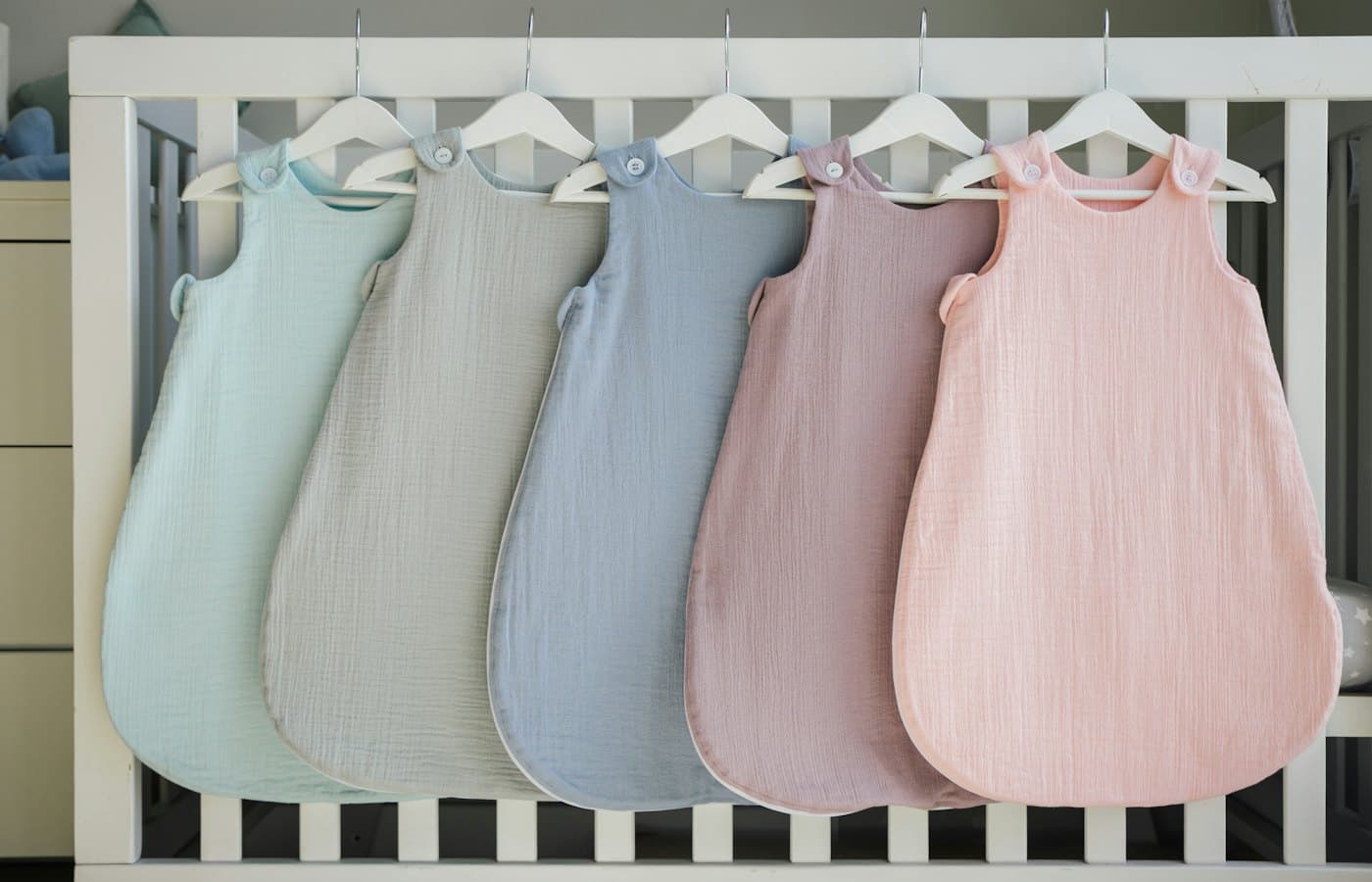 Baby & Kids ClothingOrganic Sleep SacksGOTS certified sleep sacks and wearable blankets, with AAP safe sleep rules on layers, weights and loose bedding.
 GiftsOrganic Baby Shower GiftsReady-made organic baby gift sets, with a note on which items in the box are certified.