Body & Wellness
Organic Supplements & Wellness
On a supplement, the USDA Organic seal tells you how the ingredients were farmed and processed. It does not tell you whether the product works, whether the dose suits you, or whether it was tested for heavy metals. The FDA does not approve supplements before sale, so ask your doctor before you take one.
Not medical advice. This page describes labels and certifications. It is general information, and it does not replace your pediatrician, doctor or midwife, who know you and your child.
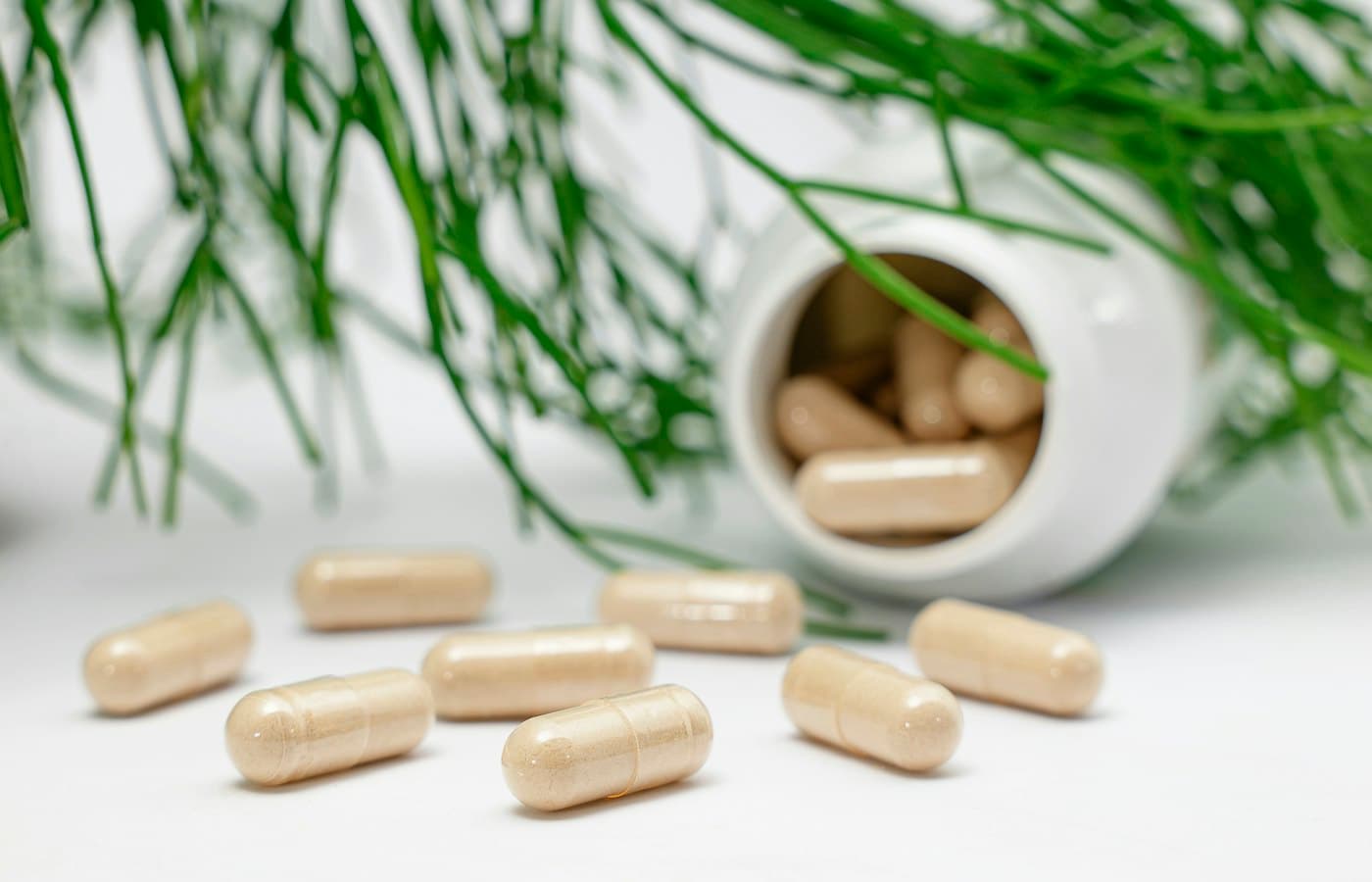
This department covers vitamins, probiotics, protein and greens powders, herbal extracts and essential oils. We list products whose own pages state a USDA Organic certification, and we note any outside testing program the brand names, such as NSF or Clean Label Project. We read labels and certifications. We have not taken, tasted or lab-tested anything here, and we make no claim that any product treats, prevents or improves anything.
Supplements are regulated differently from medicines. The FDA says it does not have the authority to approve dietary supplements for safety and effectiveness, or to approve their labeling, before they are sold. The company is responsible for its own product. The NIH Office of Dietary Supplements adds that quality seals from independent testers do not mean a product is safe or effective, and that many supplements have not been well tested in children or in women who are pregnant or nursing.
That is why every page here says the same thing: talk with your doctor or pharmacist first, especially if you are pregnant, nursing, taking medication or buying for a child. The pages on prenatal vitamins, kids vitamins, protein powder and essential oils carry extra cautions from ACOG, the AAP, Consumer Reports and the NIH.
Categories
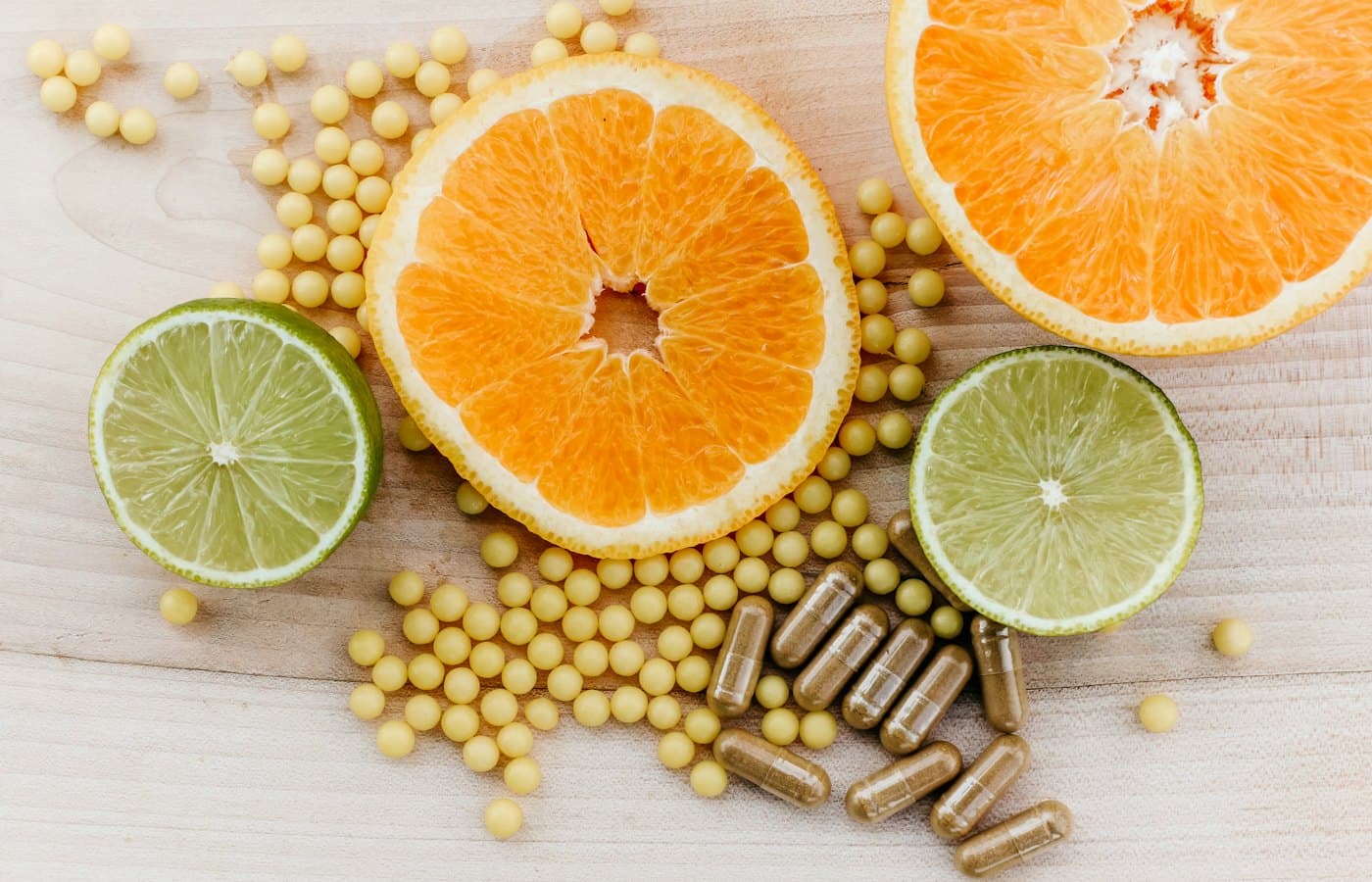 3 picksOrganic MultivitaminsMultivitamins whose own pages state USDA Organic certification, with any outside testing named.
 3 picksOrganic Prenatal VitaminsPrenatal vitamins with a stated organic certification, and the questions to take to your ob-gyn.
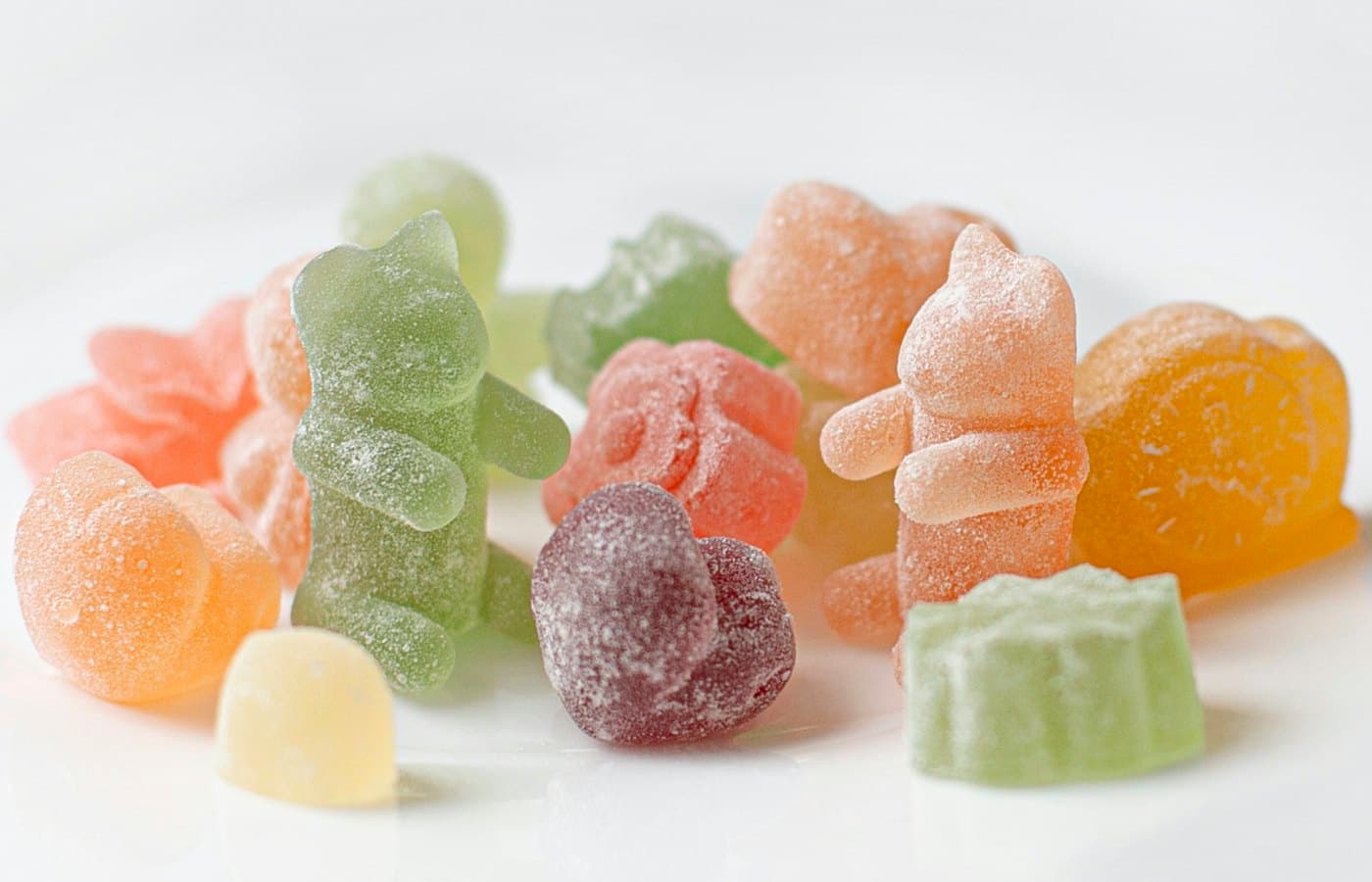 3 picksOrganic Kids VitaminsUSDA Organic kids multivitamins, plus the AAP's view that most healthy children do not need one.
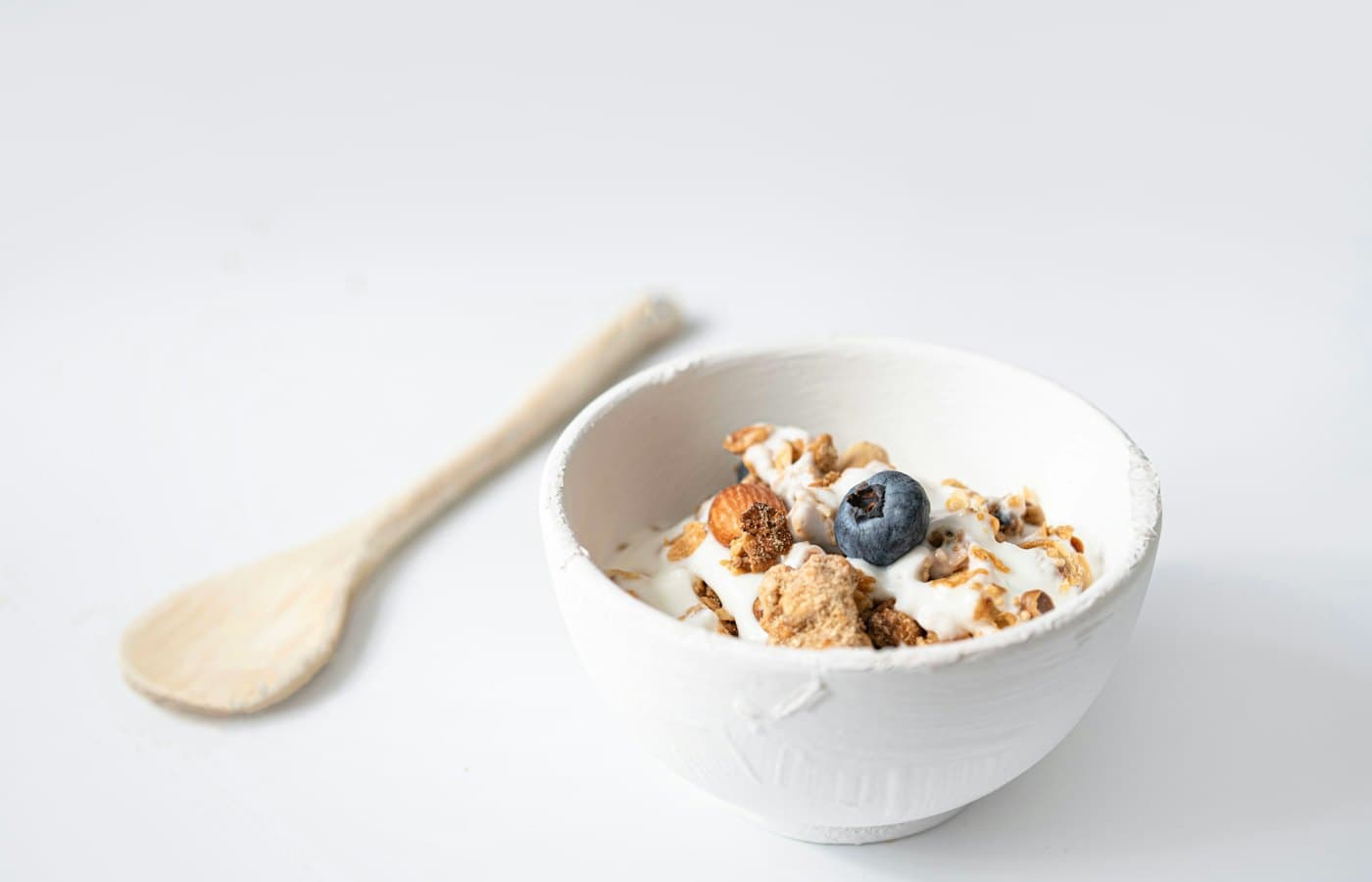 3 picksOrganic ProbioticsProbiotic supplements with a stated USDA Organic certification, and how to read the strain and CFU lines.
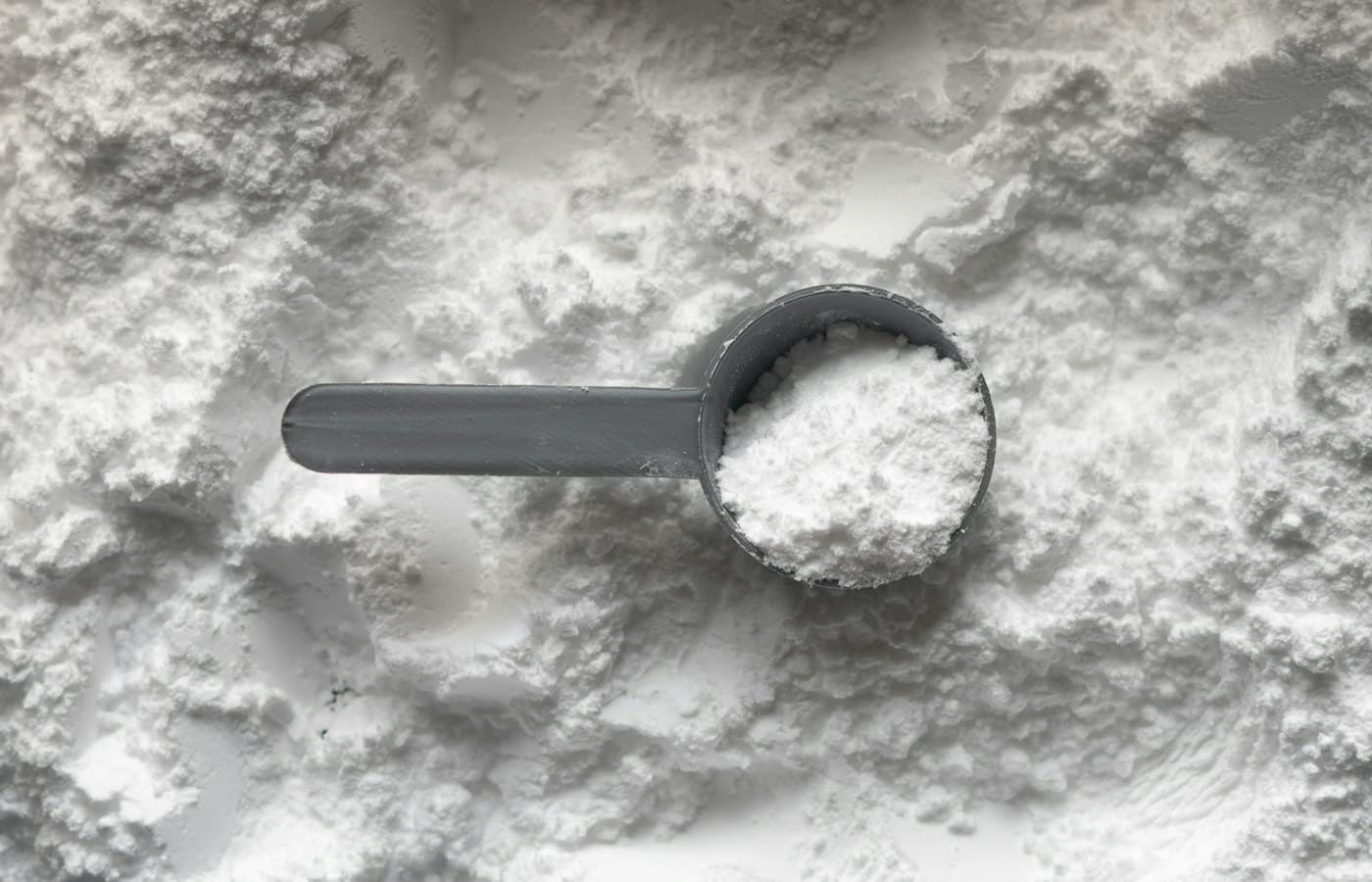 4 picksOrganic Protein PowderUSDA Organic protein powders, and why the organic seal is not a heavy metal test.
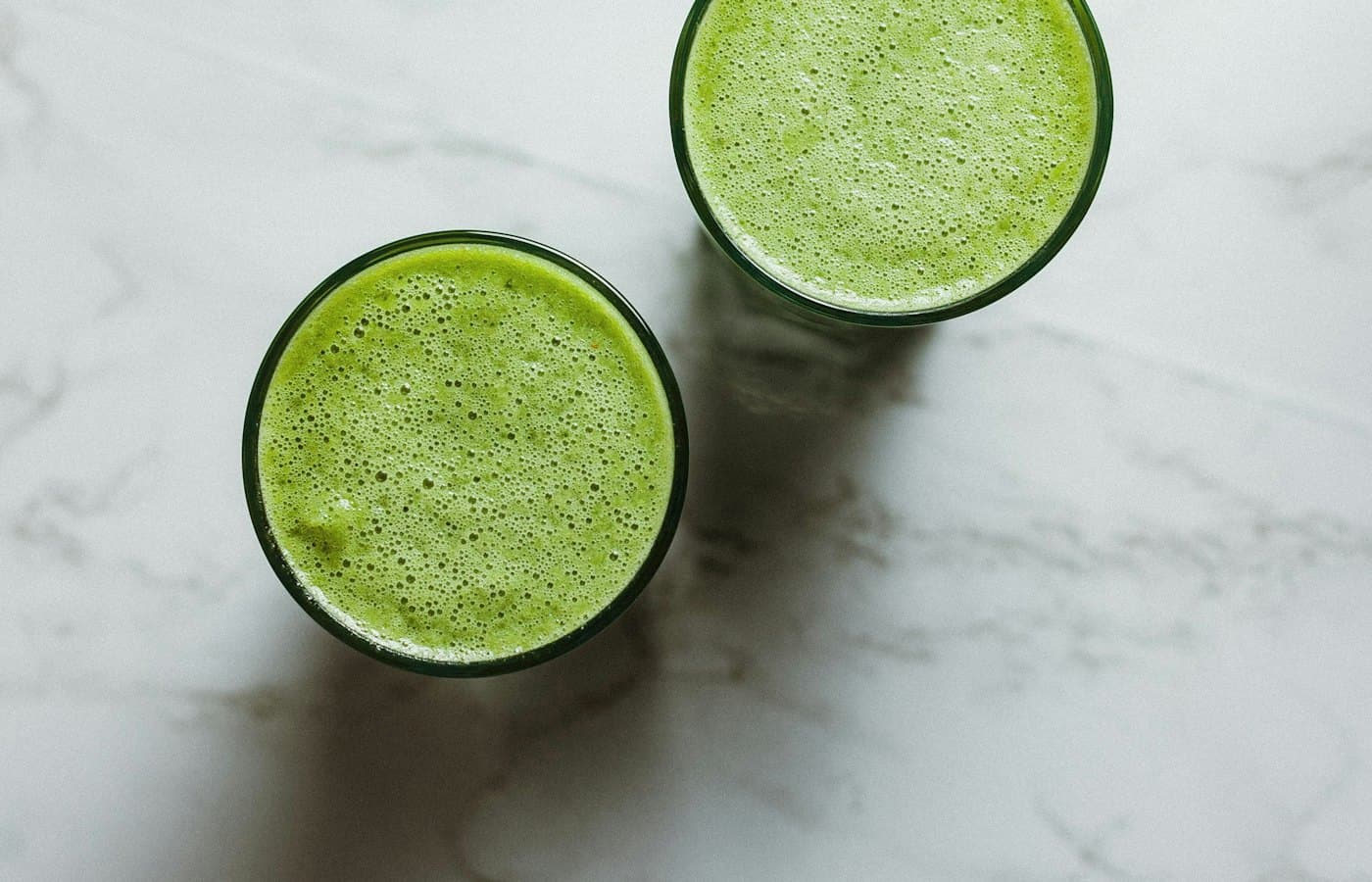 3 picksOrganic Greens & Superfood PowdersUSDA Organic greens and superfood powders, with what each brand says about testing.
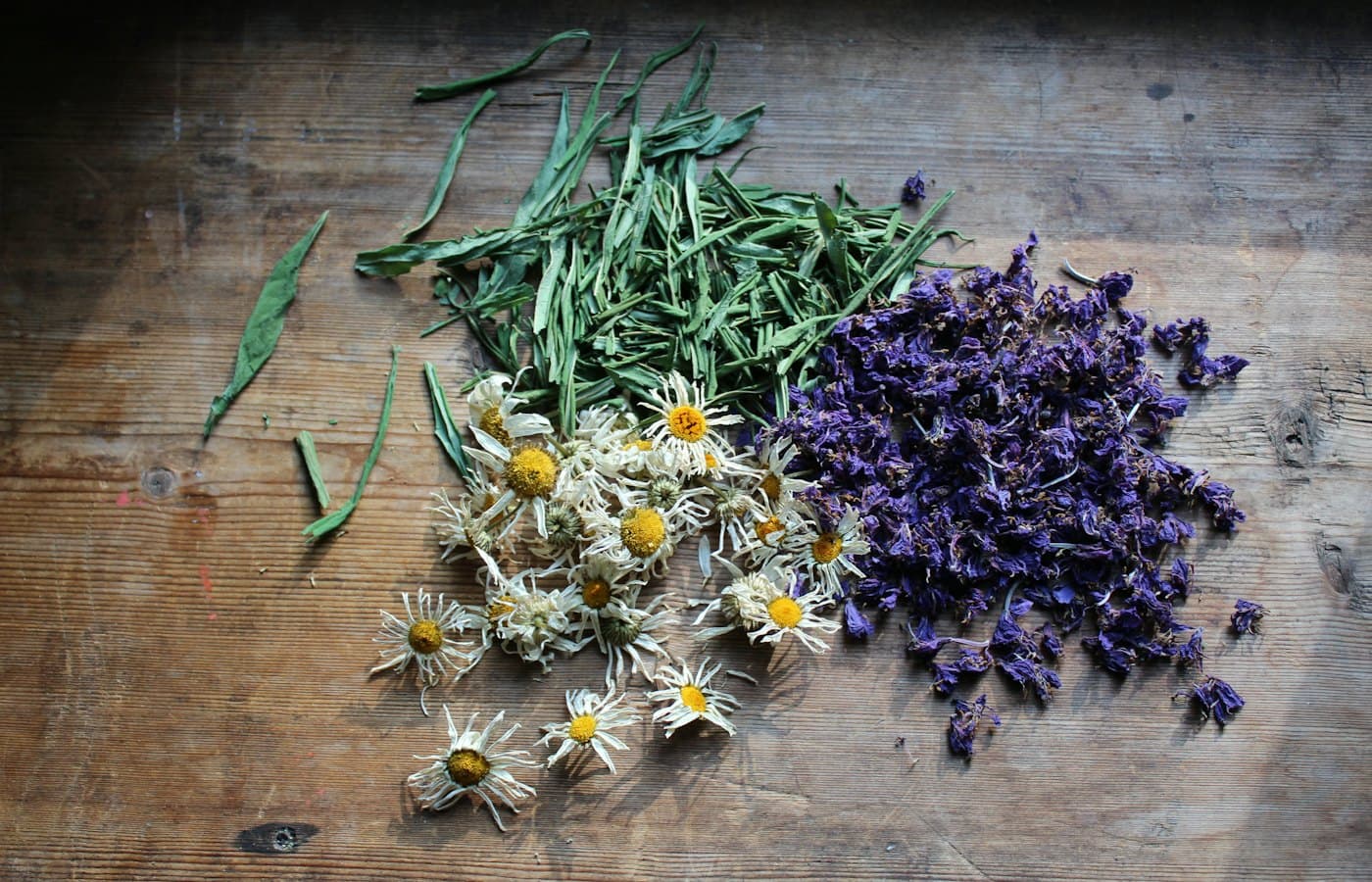 4 picksOrganic Herbal SupplementsSingle-herb extracts and capsules with a stated organic certification, and the cautions that come with herbs.
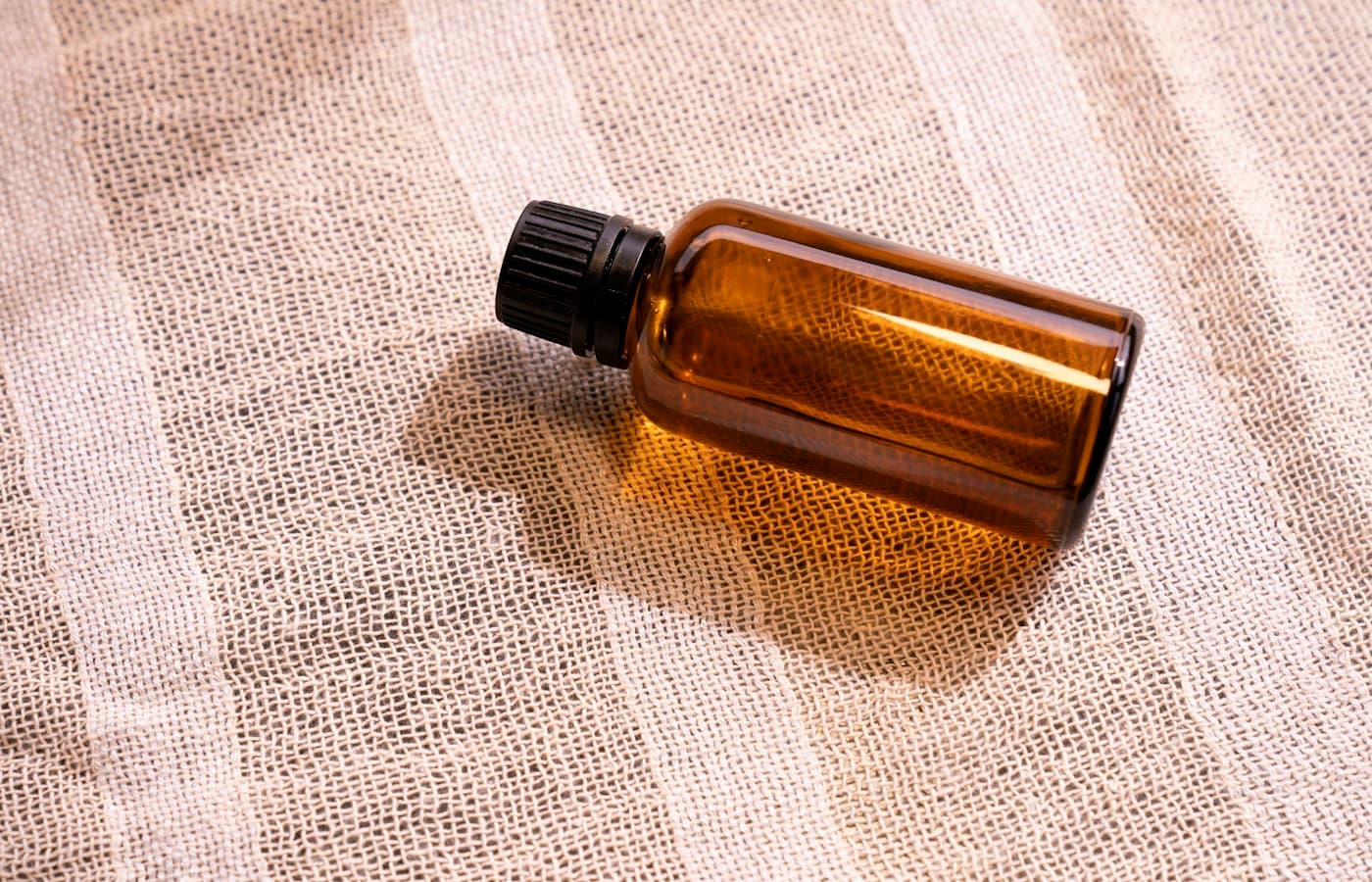 3 picksOrganic Essential OilsCertified organic essential oils for scent, with the safety rules for children, pets and swallowing.
Questions people ask
Does the FDA approve organic supplements?
No. The FDA states that it does not have the authority to approve dietary supplements for safety and effectiveness, or to approve their labeling, before they are sold to the public. Its role mostly begins after a product is on the market, through inspections, label reviews and adverse event reports. Organic certification is separate and is overseen by the USDA. Ask your doctor before starting any supplement.
What does USDA Organic mean on a supplement bottle?
It means the product meets the same rule as organic food: at least 95 percent organic ingredients, not counting salt and water, checked by a USDA-accredited certifier. The label should carry the line "Certified organic by" with the certifier's name. The seal covers farming and processing. It says nothing about potency, dose, contaminants or whether the supplement is right for you.
Are third-party testing seals a sign that a supplement is safe?
Not by themselves. The NIH Office of Dietary Supplements says seals from independent testing organizations indicate that a product was properly manufactured, contains the ingredients on the label and does not contain harmful levels of contaminants. It also says these seals do not mean a product is safe or effective. A seal is a useful check on quality, not a reason to skip a talk with your doctor.
Is a certified organic supplement safer during pregnancy or for children?
Organic certification does not answer that question. The NIH Office of Dietary Supplements advises caution with supplements beyond a standard prenatal if you are pregnant or nursing, and care in giving supplements to a child unless their health care provider recommends it. Many supplements have not been well tested in these groups. Bring the label to your doctor, midwife or pediatrician.
Sources
Each page was opened and read on October 11, 2026.