Supplements & Wellness
Organic Probiotics
An organic probiotic carries the USDA Organic seal, which covers how the product's ingredients were grown and processed. It says nothing about which strains are inside, how many survive to the use-by date, or whether a probiotic is right for you. The FDA does not approve supplements before sale, so ask your doctor first.
Not medical advice. This page describes labels and certifications. It is general information, and it does not replace your pediatrician, doctor or midwife, who know you and your child.
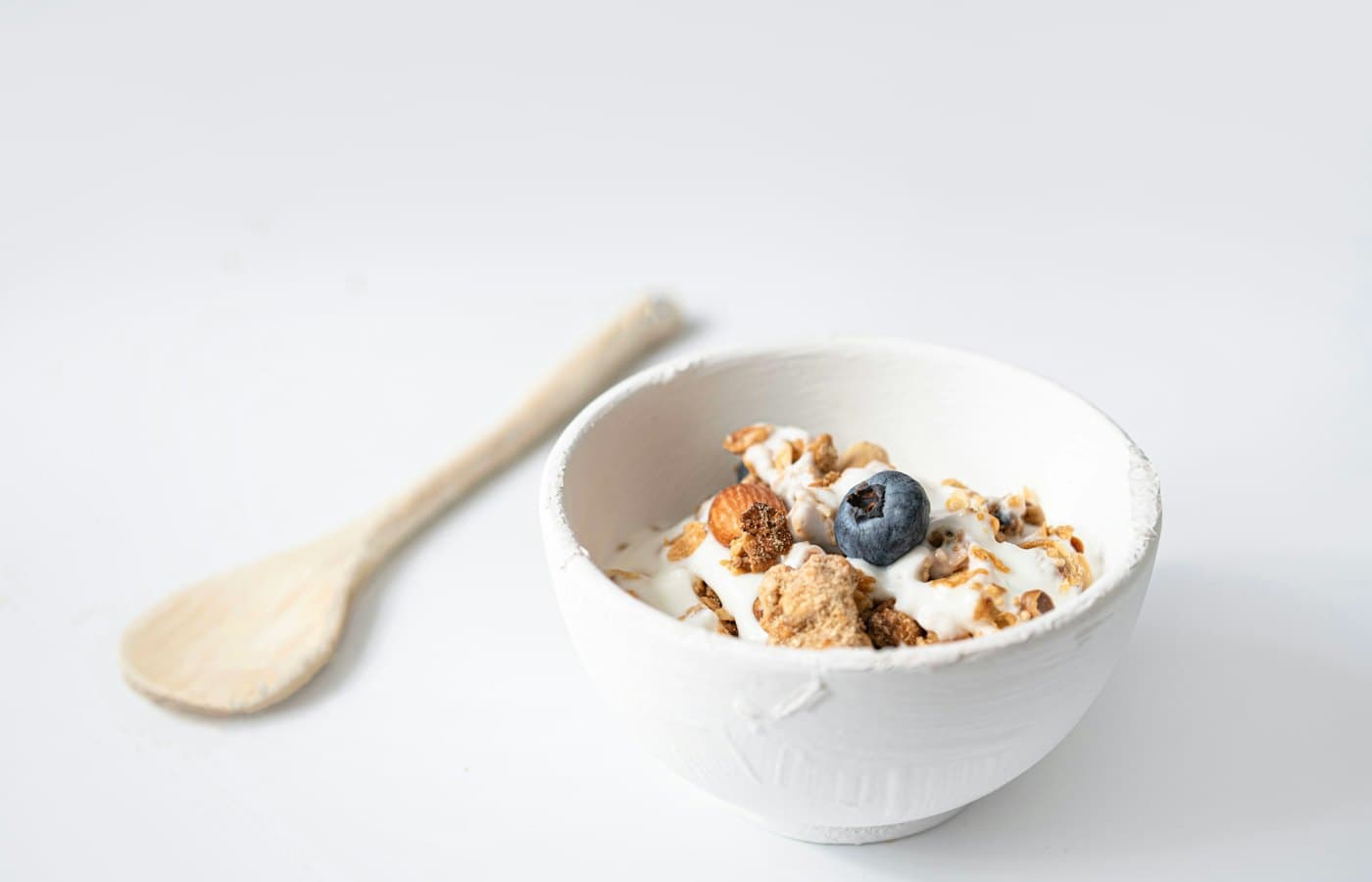
What organic means here
This page lists probiotic supplements whose brand page states USDA Organic certification, with any outside testing the brand describes. The seal is about ingredients and handling, not strains or live counts. We make no claim that any probiotic does anything for your health. Talk with your doctor before taking one.
Look for
- The USDA Organic seal and the line "Certified organic by" with a certifier's name
- Each microorganism named by genus, species and strain
- CFU count stated through the expiration or use-by date, not only at manufacture
- Storage instructions and a clear expiration date
Be wary of
- A CFU number with no date attached, or strains listed only as a "proprietary blend"
- Promises about digestion, immunity, mood or skin on the front of the bottle
- Infant and toddler probiotics bought without a pediatrician's advice
- "Organic" in the brand name with no certifier named on the label
Products that carry the certification
We have not tested these products. Each one was checked against the brand’s own page and the certifier’s records. Product links may be affiliate links: if you buy through one we may earn a commission, at no extra cost to you. How we choose.
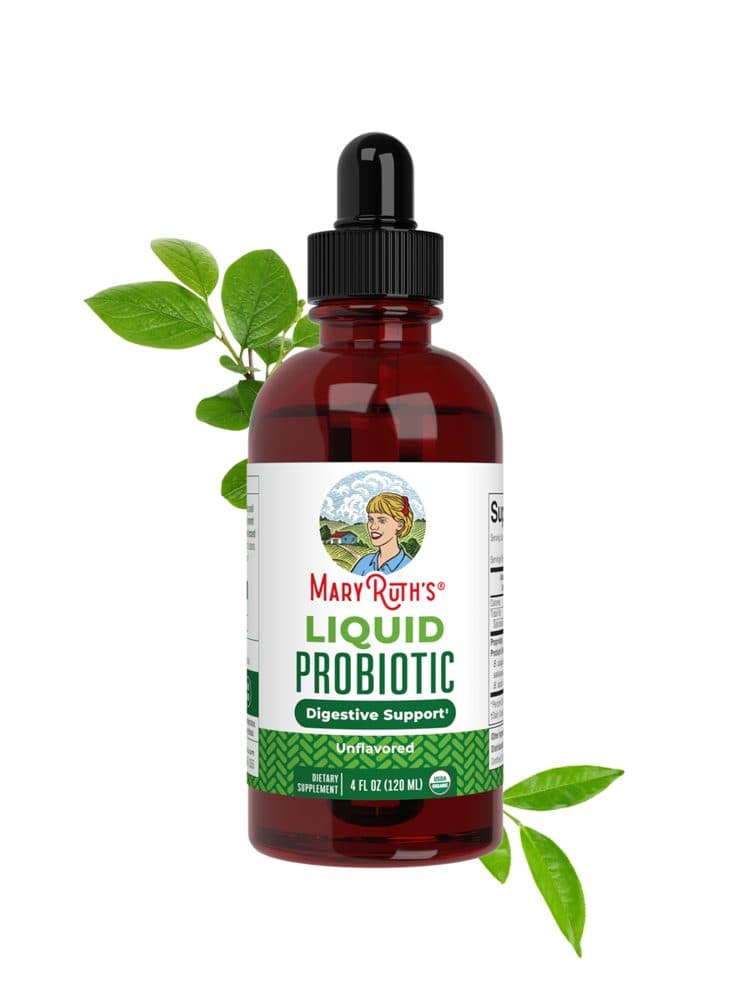
Photo: MaryRuth's 1MaryRuth'sUnflavored liquid dropsOrganic Liquid Probiotic
- USDA Organic
- Clean Label Project
A vegan liquid probiotic given by dropper, described on the product page as USDA Organic with 13 probiotic strains, including Bacillus coagulans Unique IS-2. The page says it holds a Clean Label Project Purity Award and was third-party tested for contaminants and label accuracy.
Good to know: The page makes digestive and immune claims that we do not repeat. Clean Label Project is a private program. The brand sells separate infant, toddler and kids versions: ask your pediatrician before giving any of them.
Checked against: maryruthorganics.com
View at MaryRuth'smaryruthorganics.com
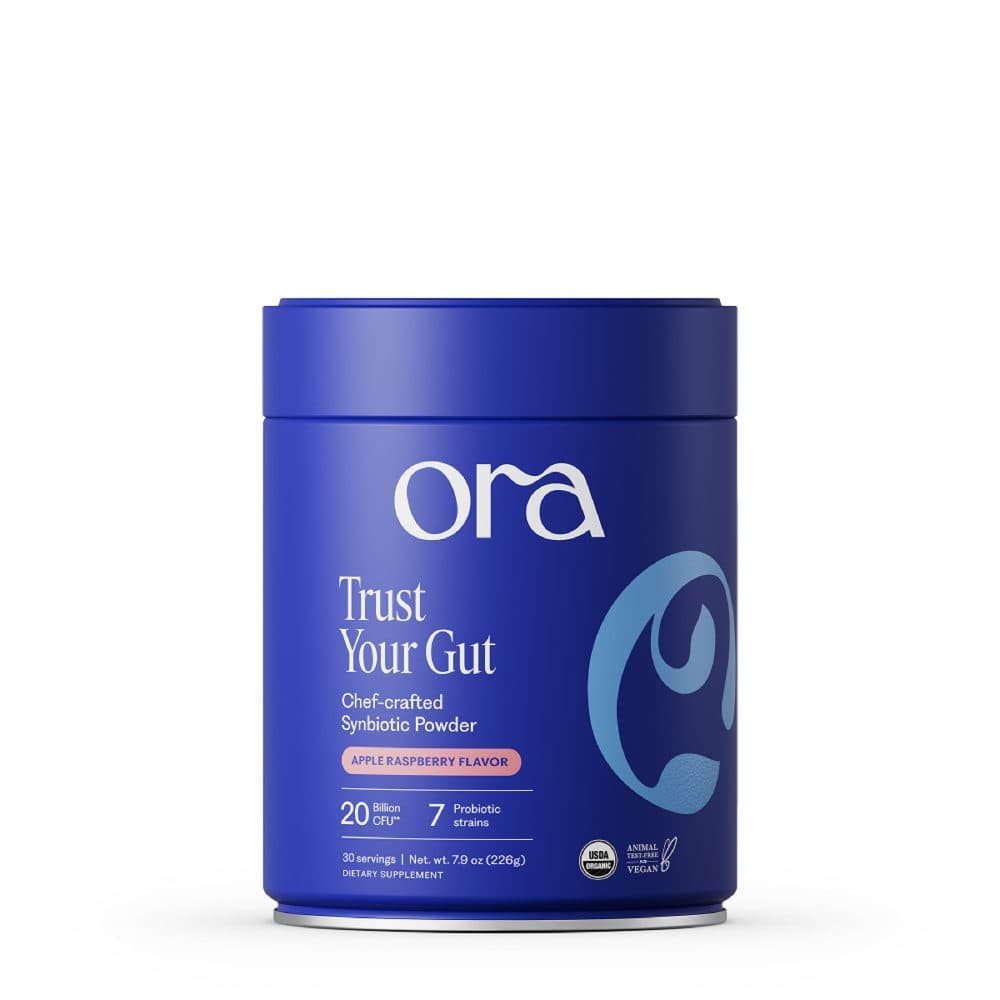
Photo: Ora 2OraFlavored powder, test results publishedOrganic Probiotics with Prebiotics Powder
A flavored powder that the product page marks USDA Organic, with seven Lactobacillus and Bifidobacterium strains and organic Jerusalem artichoke as a prebiotic. The brand says every batch is tested by an accredited third-party lab and that it publishes the Certificate of Analysis.
Good to know: The lab is not named on the page, and the health claims there are the brand's own. The page advises checking with your doctor before use when pregnant or breastfeeding.
Checked against: ora.organic
View at Oraora.organic
- 3SunbioticsShelf-stable powder, four strains
Vanilla Probiotic with Prebiotics Powder
A vanilla powder with four probiotic strains in a base of Jerusalem artichoke powder and yacon root. The product page states it is USDA Certified Organic and non-GMO, shelf stable, and made in the brand's own USDA-certified organic facility in the United States.
Good to know: The page does not describe any outside testing program, and it makes health claims we do not repeat. Strains are listed by species, without strain codes.
Checked against: sunbiotics.com
View at Sunbioticssunbiotics.com
Products with a photo are shown first; otherwise the order says nothing about quality. Certifications can lapse: check the certifier’s database before you buy.
What "organic" means on a probiotic
The USDA Organic seal means at least 95 percent of the ingredients, not counting salt and water, are certified organic, and a USDA-accredited certifier has reviewed the product. That is the whole promise.
It does not verify the strains on the label, count the live organisms or check whether they are still alive when you open the bottle. Those are separate questions, and the label is where you start. For the wider picture of regulated and unregulated label words, see what organic legally means.
How to read strains and CFU counts
The NIH Office of Dietary Supplements describes probiotics as live microorganisms, such as bacteria and yeasts, that are named by genus, species and strain. It says a product label can tell you the genus, species and strain, the expiration or use-by date, and storage instructions.
Labels also list colony-forming units, or CFUs. The NIH notes that CFU counts can decline over time, and that some products state the count at manufacture while others state it through the expiration date. For that reason, it says, some experts recommend products that list the CFUs the product will contain by the expiration or use-by date.
Products labeled as probiotics can contain very different microorganisms in very different amounts. The NIH adds that because some of these supplements may not have been studied, any health effects they have may not be known.
Who should be careful
How probiotic supplements are regulated
Probiotic supplements are sold as dietary supplements. The FDA says it does not have the authority to approve dietary supplements for safety and effectiveness, or to approve their labeling, before they are sold. The company is responsible for the product and its claims.
Supplement labels may describe a product as supporting a body function, and the NIH explains that such statements must carry a disclaimer that the FDA has not evaluated them. That is why we describe what each pick is and how it is certified, and leave the benefit claims on the brand's page. Fermented foods are a different category: see organic kombucha for how those are labeled.
Questions people ask
Are organic probiotics more effective than other probiotics?
The organic seal does not address that. USDA Organic certifies how the ingredients were farmed and handled. It does not check strains, live counts or outcomes. The NIH Office of Dietary Supplements says products labeled as probiotics vary widely and that some may not have been studied. Ask your doctor whether a probiotic makes sense for you and which one.
Does the FDA approve probiotic supplements?
No. The FDA states it does not have the authority to approve dietary supplements for safety and effectiveness, or to approve their labeling, before they are sold. Its oversight mostly begins after a product reaches the market. A probiotic sold to treat or prevent a disease would be regulated as a drug, which is a different process.
Is a higher CFU count a sign of a better product?
Not on its own. The NIH Office of Dietary Supplements explains that CFU counts show how many live microorganisms are in a serving, and that the number can fall over time. A large count at manufacture may not match what is in the bottle when you use it. Look for a count stated through the expiration date, and ask your doctor what is appropriate.
Can I give my baby or child an organic probiotic?
Ask your pediatrician first. The NIH Office of Dietary Supplements reports that the FDA has warned probiotics might cause infections or even life-threatening illness in preterm infants, and its general advice is to be careful about giving any supplement to a child unless their health care provider recommends it. Organic certification does not change that.
Do probiotics need to be refrigerated?
It depends on the product. The NIH Office of Dietary Supplements says some probiotics need to be kept in the refrigerator and others can be stored at room temperature, and that storage instructions appear on the label. Follow the label, check the expiration date, and do not assume a shelf-stable claim on one product applies to another.
Sources
Each page was opened and read on October 11, 2026.
Keep reading
 SupplementsOrganic MultivitaminsMultivitamins whose own pages state USDA Organic certification, with any outside testing named.
 DrinksOrganic KombuchaUSDA Organic kombucha, what the seal covers, and the federal 0.5% alcohol line.
 SupplementsOrganic Greens & Superfood PowdersUSDA Organic greens and superfood powders, with what each brand says about testing.