Supplements & Wellness
Organic Multivitamins
An organic multivitamin carries the USDA Organic seal, which covers how its ingredients were grown and processed. The seal says nothing about dose, potency or whether you need a multivitamin at all. The FDA does not approve supplements before sale, so check the label for outside testing and talk with your doctor before you start one.
Not medical advice. This page describes labels and certifications. It is general information, and it does not replace your pediatrician, doctor or midwife, who know you and your child.
What organic means here
This page lists multivitamins whose brand page states USDA Organic certification, and it names any third-party program the brand cites, such as NSF or Clean Label Project. "Made with organic ingredients" is a lower tier and does not carry the seal. Certification does not mean a product suits you: ask your doctor.
Look for
- The USDA Organic seal and the line "Certified organic by" with a certifier's name
- A Supplement Facts panel listing each vitamin and mineral with its percent Daily Value
- A named outside testing program, such as NSF or Clean Label Project, that you can look up
- The age and sex the formula is made for, and whether it contains iron
Be wary of
- "Whole food" or "plant-based" on the front with no organic certifier named on the label
- "Made with organic fruits and vegetables" on a product that does not carry the USDA Organic seal
- Labels listing amounts far above 100 percent of the Daily Value for several nutrients
- Any promise that a multivitamin treats or prevents an illness
Products that carry the certification
We have not tested these products. Each one was checked against the brand’s own page and the certifier’s records. Product links may be affiliate links: if you buy through one we may earn a commission, at no extra cost to you. How we choose.
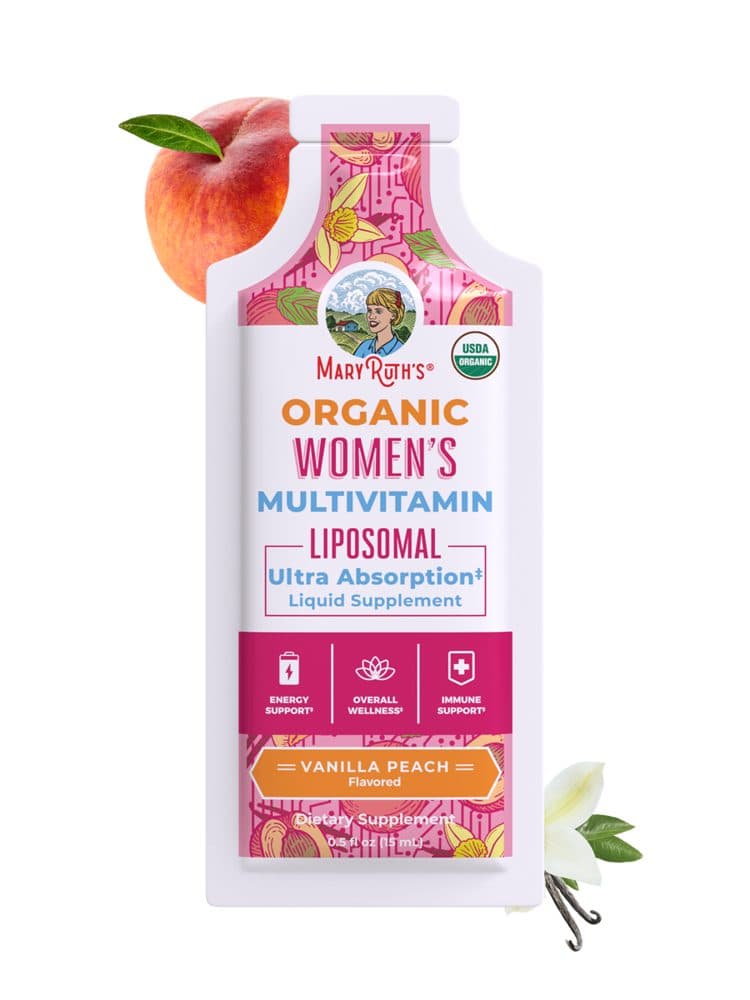
Photo: MaryRuth's 1MaryRuth'sLiquid in single-serve pouchesWomen's Organic Multivitamin Liposomal Pouches
- USDA Organic
- Clean Label Project
- Certified B Corporation
A liquid multivitamin sold in single-serve pouches for adults 18 and over. The product page shows USDA Organic, Clean Label Project certification and B Corp Certified badges, and describes the formula as vegan and made in a GMP facility.
Good to know: Clean Label Project is a private testing program, not a government standard. The page's absorption claims for the liposomal format are the brand's own.
Checked against: maryruthorganics.com
View at MaryRuth'smaryruthorganics.com
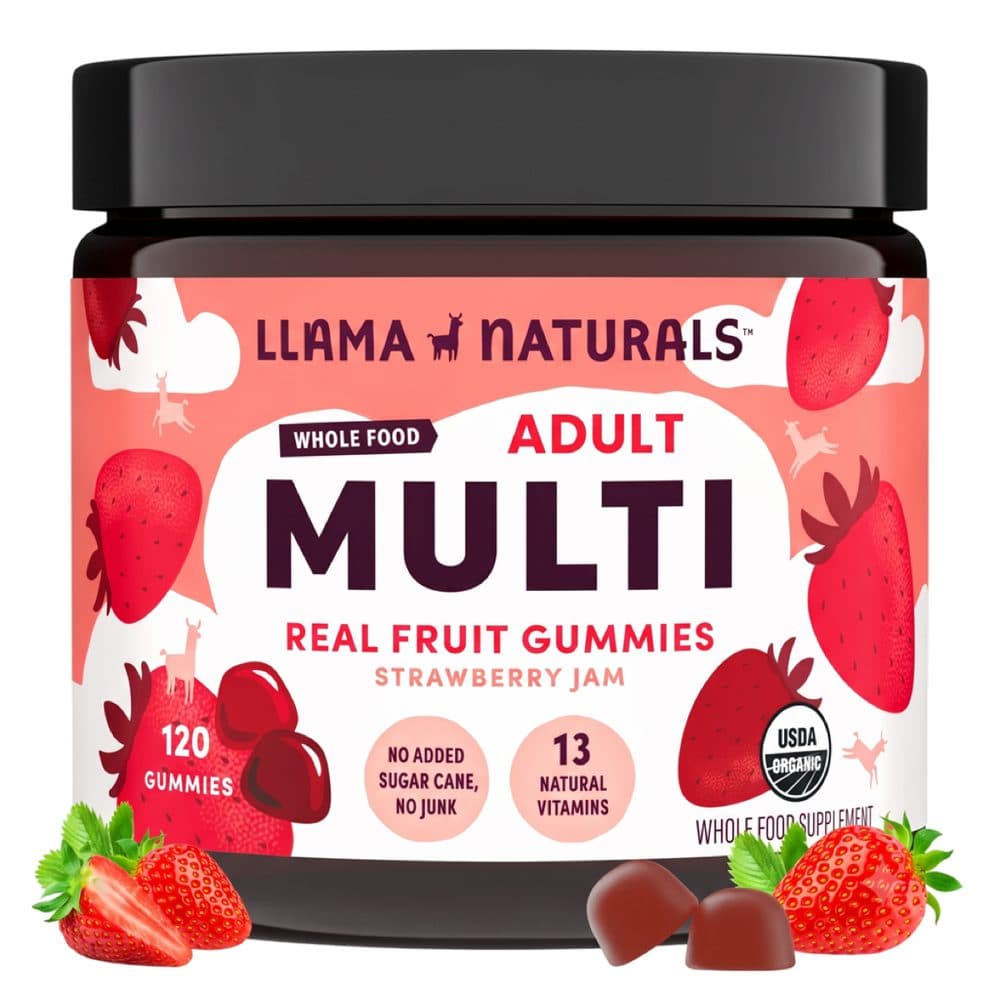
Photo: Llama Naturals 2Llama NaturalsFruit-based gummy, no added cane sugarAdult Multivitamin Gummies
A vegan gummy that the brand describes as USDA Organic certified and made with organic fruits and vegetables, with no added cane sugar or sweeteners. The page says it is made in a GMP facility and third-party tested for heavy metals, microbial contaminants and potency.
Good to know: The page does not name the outside lab or a certification program for its testing. Fruit-based gummies still contain the sugar that is naturally in the fruit.
Checked against: llamanaturals.com
View at brand sitellamanaturals.com
- 3SmartyPantsGummy with several outside certifications
Women's Organic Multi & Omegas
- USDA Organic
- NSF Certified
- Clean Label Project
- Non-GMO Project Verified
A vegetarian gummy multivitamin for adult women. The product page lists it as Certified USDA Organic by QAI, NSF Contents Certified, Non-GMO Project Verified and a Clean Label Project Purity Award holder, and says it includes omega-3 ALA from organic flaxseed oil.
Good to know: The ingredient list includes organic cane sugar and organic tapioca syrup. NSF Contents Certified checks what is in the bottle against the label; it is not a statement that you need the product.
Checked against: smartypantsvitamins.com
View at SmartyPantssmartypantsvitamins.com
Products with a photo are shown first; otherwise the order says nothing about quality. Certifications can lapse: check the certifier’s database before you buy.
What the USDA Organic seal covers on a multivitamin
The USDA Organic seal works the same way on a supplement as on a box of cereal. A product sold as organic must contain at least 95 percent organic ingredients, not counting salt and water. A product with at least 70 percent can say "made with organic" and name up to three ingredients, but it may not show the seal.
That is a statement about farming and processing. It is not a test of how much vitamin D is in the tablet or whether the formula makes sense for your age. Our guide on how to read a USDA organic label explains the tiers, and organic vs natural vs non-GMO covers the words that sound similar and are not.
How supplements are regulated
The FDA says it does not have the authority to approve dietary supplements for safety and effectiveness, or to approve their labeling, before they are sold. Companies are responsible for making sure their own products meet the law. The agency's work mostly starts after a product is on the shelf.
The NIH Office of Dietary Supplements notes there is no standard multivitamin. Companies choose which vitamins and minerals to include and how much, so two bottles with the same name on the front can be quite different inside.
What third-party testing adds
Organic certifiers audit ingredients and handling. They do not verify the amounts on the Supplement Facts panel. For that you need a separate program. The NIH Office of Dietary Supplements names ConsumerLab.com, NSF and U.S. Pharmacopeia as organizations that offer quality testing.
According to the NIH, a seal from one of these groups indicates the product was properly manufactured, contains the ingredients listed on the label and does not contain harmful levels of contaminants. The NIH is also plain that these seals do not mean a product is safe or effective.
Where a brand says only "third-party tested" without naming the lab or the program, we say so in the caveat. See how we choose for the full method.
Do you need one at all
The NIH Office of Dietary Supplements says multivitamins cannot take the place of eating a variety of foods, and that people should get most of their nutrients from food and beverages. It adds that most studies have found multivitamins have little or no effect on the risk of heart disease, cancer and several other health outcomes.
The same fact sheet says some people may be advised to take one, including people who avoid certain foods or have certain medical problems. That is a conversation for you and your doctor, not something a label can settle. If you are pregnant or planning to be, see the page on organic prenatal vitamins.
Questions people ask
Is an organic multivitamin more effective than a regular one?
Nothing in the organic rules addresses that. USDA Organic certifies how the ingredients were grown and handled. It does not measure potency or how a vitamin acts in the body. The NIH Office of Dietary Supplements says companies decide which nutrients go into a multivitamin and how much, so compare Supplement Facts panels and ask your doctor which formula, if any, fits you.
Does the FDA check a multivitamin before it is sold?
No. The FDA states it does not have the authority to approve dietary supplements for safety and effectiveness, or to approve their labeling, before they are sold. The agency inspects manufacturers, reviews labels and tracks adverse event reports after products are on the market, and it can act against products that are unsafe or break the law.
Can a multivitamin give me too much of something?
It can. The NIH Office of Dietary Supplements says a basic multivitamin is unlikely to harm your health, but taking one alongside fortified foods or other supplements can push your intake of some nutrients above the upper limits. It notes that too much vitamin A during pregnancy may raise the risk of birth defects. Go through your full list with your doctor or pharmacist.
What is the difference between "organic" and "made with organic" on a vitamin?
They are two tiers in the USDA rules. "Organic" requires at least 95 percent organic ingredients and may carry the USDA Organic seal. "Made with organic" requires at least 70 percent, may name up to three ingredients or ingredient categories, and may not show the seal anywhere. Both labels name the certifier, so the certifier line alone does not tell you the tier.
Are gummy multivitamins certified the same way as tablets?
Yes, the organic rules do not change with the format. What does change is the ingredient list. Gummies need a sweetener and a gelling agent, so read the "other ingredients" line for sugars. Gummies also look like candy, so store them out of the reach of children, and ask your pediatrician before giving any vitamin to a child.
Sources
Each page was opened and read on October 11, 2026.
Keep reading
 SupplementsOrganic Prenatal VitaminsPrenatal vitamins with a stated organic certification, and the questions to take to your ob-gyn.
 SupplementsOrganic Kids VitaminsUSDA Organic kids multivitamins, plus the AAP's view that most healthy children do not need one.
 SupplementsOrganic Greens & Superfood PowdersUSDA Organic greens and superfood powders, with what each brand says about testing.