Reading labels
Organic vs natural vs non-GMO: what each word promises
Organic is the only one of the three written into federal regulations and checked by government-accredited certifiers. Natural has no formal FDA definition and says nothing about how a crop was grown. Non-GMO Project Verified is a private, third-party standard for avoiding genetically modified ingredients. Organic already prohibits genetic engineering, but the reverse is not true.
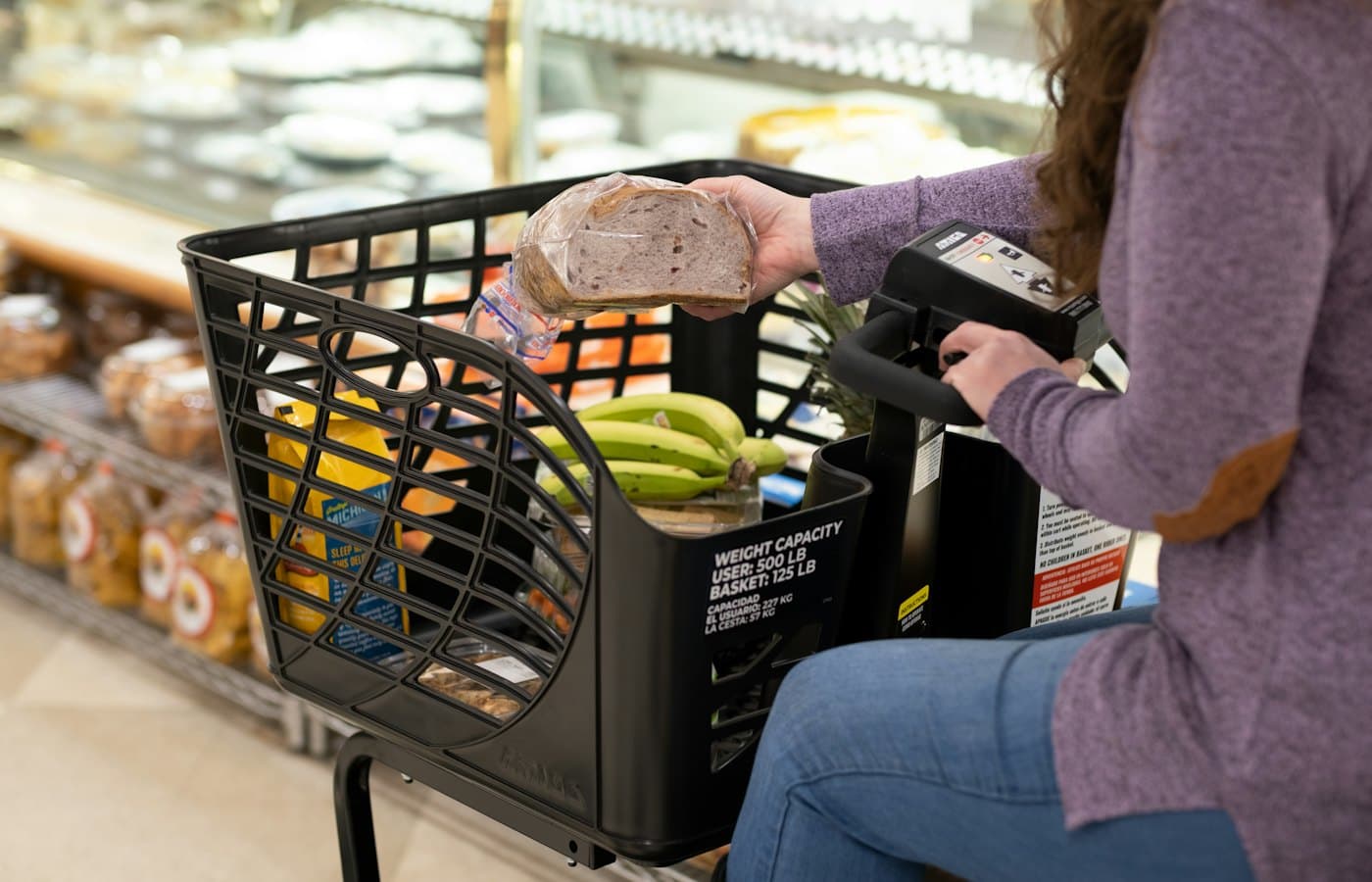
What does organic promise that the other two do not?
Organic is a production standard with federal rules behind it. USDA says organic products must be overseen by a certifying agent authorized by the National Organic Program, produced without excluded or prohibited methods such as genetic engineering, ionizing radiation or sewage sludge, and produced using allowed substances.
It also comes with label rules. A product called "organic" must contain at least 95 percent organic ingredients, and one labeled "made with organic" at least 70 percent. Those tiers are explained in our guide to reading a USDA Organic label, and the seal itself on the USDA Organic label page.
Neither of the other two words covers that much ground. Natural, as the FDA uses it, is about what was added to a food. Non-GMO is about one kind of ingredient. Organic is the only one of the three that sets rules for the farm.
What does natural mean on a food label?
Very little that you can check. The FDA says it has not engaged in rulemaking to establish a formal definition for the term natural. What it has is a longstanding policy: it has considered natural to mean that nothing artificial or synthetic, including all color additives regardless of source, has been included in or added to a food that would not normally be expected to be in that food.
The FDA is direct about what that policy leaves out. It was not intended to address food production methods, such as the use of pesticides. It did not explicitly address food processing or manufacturing methods. And the agency did not consider whether natural should describe any nutritional or other health benefit.
The FDA asked the public for comments on the use of the term, and that comment period closed in May 2016. The agency's page on the subject, which we read in October 2026, still describes the same policy and no formal definition.
Meat and poultry are regulated by a different agency, the USDA Food Safety and Inspection Service, and it does have a definition. A natural meat or poultry product contains no artificial ingredient or added color and is only minimally processed, meaning it was processed in a way that does not fundamentally alter the product. The label must include a statement explaining the term, such as "no artificial ingredients; minimally processed."
Notice what is missing from that definition: anything about how the animal was raised, what it was fed or whether it received antibiotics. Those are covered by the organic rules, which is why the picks on our organic meat page are chosen by the seal and not by the word natural.
What does Non-GMO Project Verified mean?
The butterfly seal belongs to the Non-GMO Project, a private organization, not a government agency. The Project says its Verified mark appears on products that have been evaluated by third-party technical administrators to confirm they meet the Non-GMO Project Standard. The Standard is revised periodically, and the Project states that Version 17 was published on October 1, 2026.
The method is traceability plus testing of ingredients. The Project says its Standard requires testing of individual ingredients or precursors, not finished products, and that ongoing testing is required for all major ingredients derived from high-risk crops. Verified products are reviewed annually to renew the verification.
The Project is also clear about a limit. In its own words, the butterfly label is not a GMO-free claim, because "GMO free" claims are not legally or scientifically defensible given the limits of testing and the risk of contamination. The seal means the product complies with a standard for avoiding GMOs.
That is the whole scope. The butterfly certifies GMO avoidance. It is not a claim about pesticides, additives or how animals were raised. Our Non-GMO Project Verified label page goes through the standard in more detail.
Is organic food always non-GMO?
Organic rules prohibit genetic engineering as a method. A certified organic farmer may not plant genetically engineered seed, and an organic product may not use ingredients produced that way. In that sense organic includes non-GMO.
The two standards check it differently, though. The Non-GMO Project points out that the USDA National Organic Program does not require testing for GMOs, while its own Standard does require testing of major high-risk ingredients. That is the Project describing its own advantage, so read it as one standard owner's view, but the underlying difference is real: organic is a rule about practices, and the butterfly adds a testing requirement for certain ingredients.
This is why some products carry both seals, including staples on our organic grains, rice and pasta page. It does not work the other way around. The butterfly sets no organic farming rules, so a non-GMO product is not required to be grown organically.
Organic, natural and non-GMO side by side
| Organic | Natural | Non-GMO Project Verified | |
|---|---|---|---|
| Who sets the rule | USDA, in federal regulations | No formal FDA definition. USDA defines it for meat and poultry | The Non-GMO Project, a private standard |
| Who checks it | USDA-accredited certifying agents | No certifier | Third-party technical administrators |
| Covers farming methods | Yes | No | Only the use of GMOs |
| Genetic engineering | Prohibited method | Not addressed | Avoided, with ingredient testing |
| Renewal | Certifier oversight under USDA rules | None | Reviewed annually |
What about the "bioengineered" label?
This is a fourth term, and it works in the opposite direction. The National Bioengineered Food Disclosure Standard, announced by USDA in December 2018, requires food manufacturers, importers and certain retailers to disclose foods that are or may be bioengineered. It is a required notice that something is present, not a voluntary claim that something is absent.
USDA says the Standard defines bioengineered foods as those that contain detectable genetic material that has been modified through certain lab techniques and cannot be created through conventional breeding or found in nature. Disclosure can be made with text, a symbol, an electronic or digital link, or a text message option.
The word "detectable" matters. The disclosure rule is written around what can be detected in the food, and it is not a verification program, so the absence of a bioengineered disclosure is not the same as a non-GMO verification. If avoiding genetically engineered crops is your goal for something like organic cooking oils, the organic seal or the butterfly tells you more than a missing disclosure does.
Which label should you look for?
- If you care about how the crop was grown or the animal was raised, look for the USDA Organic seal. It is the only one of the three that regulates the farm.
- If your only concern is genetically engineered ingredients, either the organic seal or the Non-GMO Project butterfly addresses it. The butterfly adds ingredient testing. Organic adds everything else.
- If the package only says natural, turn it over and read the ingredient list. On most foods the word has no formal definition and no certifier.
- If a label stacks several of these words with no seal and no certifier's name, that is a pattern covered in our guide to spotting greenwashing.
Questions people ask
Is natural the same as organic?
No. Organic is defined in federal regulations and verified by USDA-accredited certifiers. The FDA has no formal definition of natural. Its longstanding policy is only that nothing artificial or synthetic has been added that would not normally be expected in the food, and the FDA says that policy was not intended to address production methods such as pesticide use.
Does non-GMO mean no pesticides were used?
No. Non-GMO Project Verified is a standard for GMO avoidance. The Project describes it as verification that a product was made according to its practices for avoiding genetically modified ingredients, with testing of major high-risk ingredients. It is not an organic certification. Rules on which substances a farmer may use belong to the USDA organic regulations.
If a product is USDA Organic, does it also need the non-GMO butterfly?
It does not need it. The organic rules already prohibit genetic engineering as a production method. Some brands add the butterfly because the Non-GMO Project Standard requires testing of major high-risk ingredients, which the Project says the National Organic Program does not. Both seals on one package means both sets of rules were met.
Does "no hormones added" on chicken or pork mean anything?
Not much. USDA's Food Safety and Inspection Service says hormones are not allowed in raising hogs or poultry. For that reason the claim "no hormones added" cannot be used on pork or poultry labels unless it is followed by a statement that federal regulations prohibit the use of hormones. Every chicken on the shelf meets that claim.
Sources
Each page was opened and read on October 11, 2026.
- USDA Agricultural Marketing Service: Labeling Organic Products
- FDA: Use of the Term Natural on Food Labeling
- USDA Food Safety and Inspection Service: Meat and Poultry Labeling Terms
- Non-GMO Project: What is Non-GMO Project Verified?
- Non-GMO Project: Verification FAQ
- Non-GMO Project: The Non-GMO Project Standard
- USDA Agricultural Marketing Service: BE Disclosure (National Bioengineered Food Disclosure Standard)
Product pages this guide supports
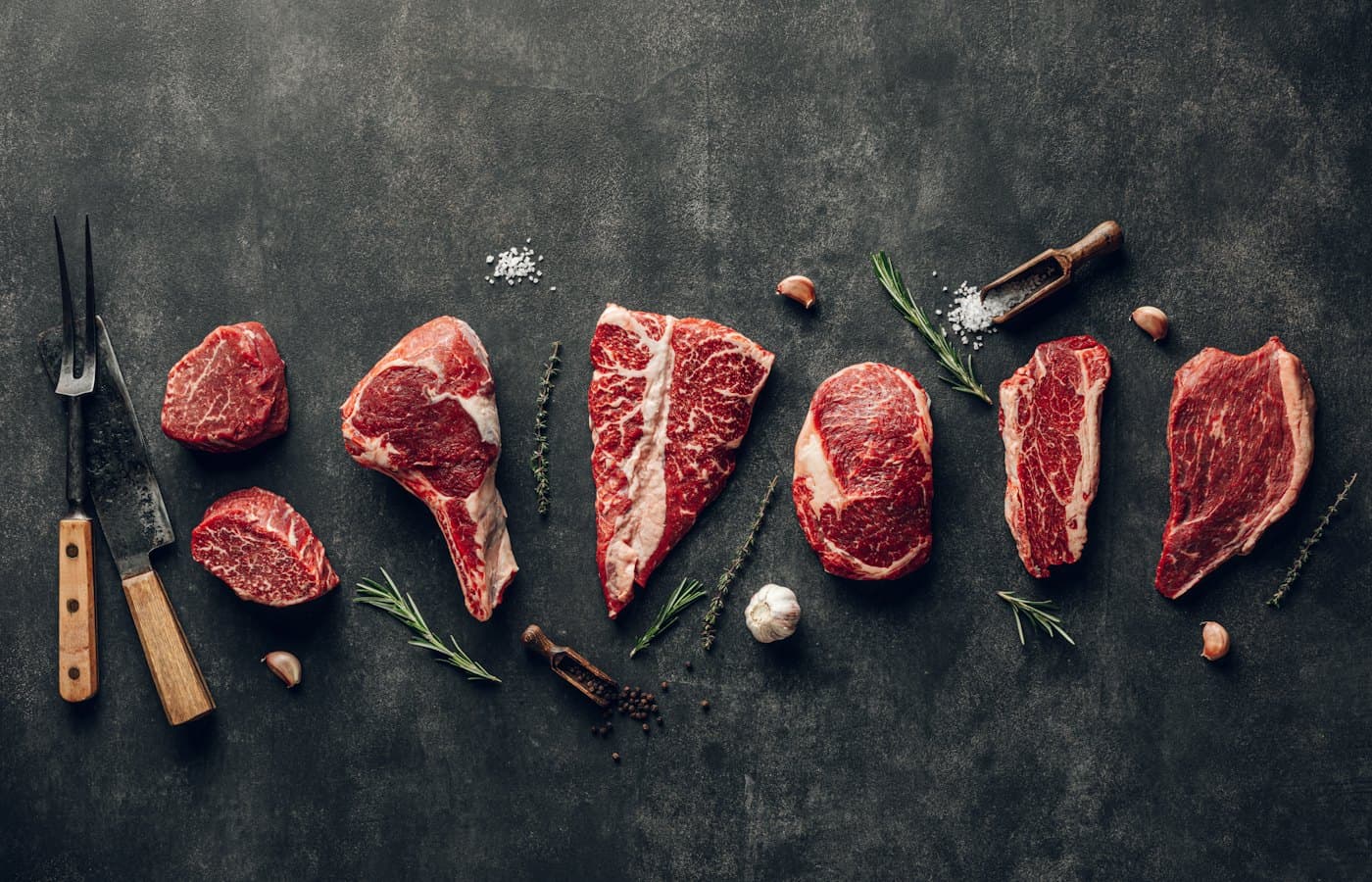 Food & PantryOrganic Meat & PoultryWhat USDA Organic requires for beef, pork and poultry, and how it differs from natural, free-range and grass-fed.
 Food & PantryOrganic Grains, Rice & PastaWhat the USDA Organic seal means on rice, grains and pasta, and why gluten-free and whole grain are separate claims.
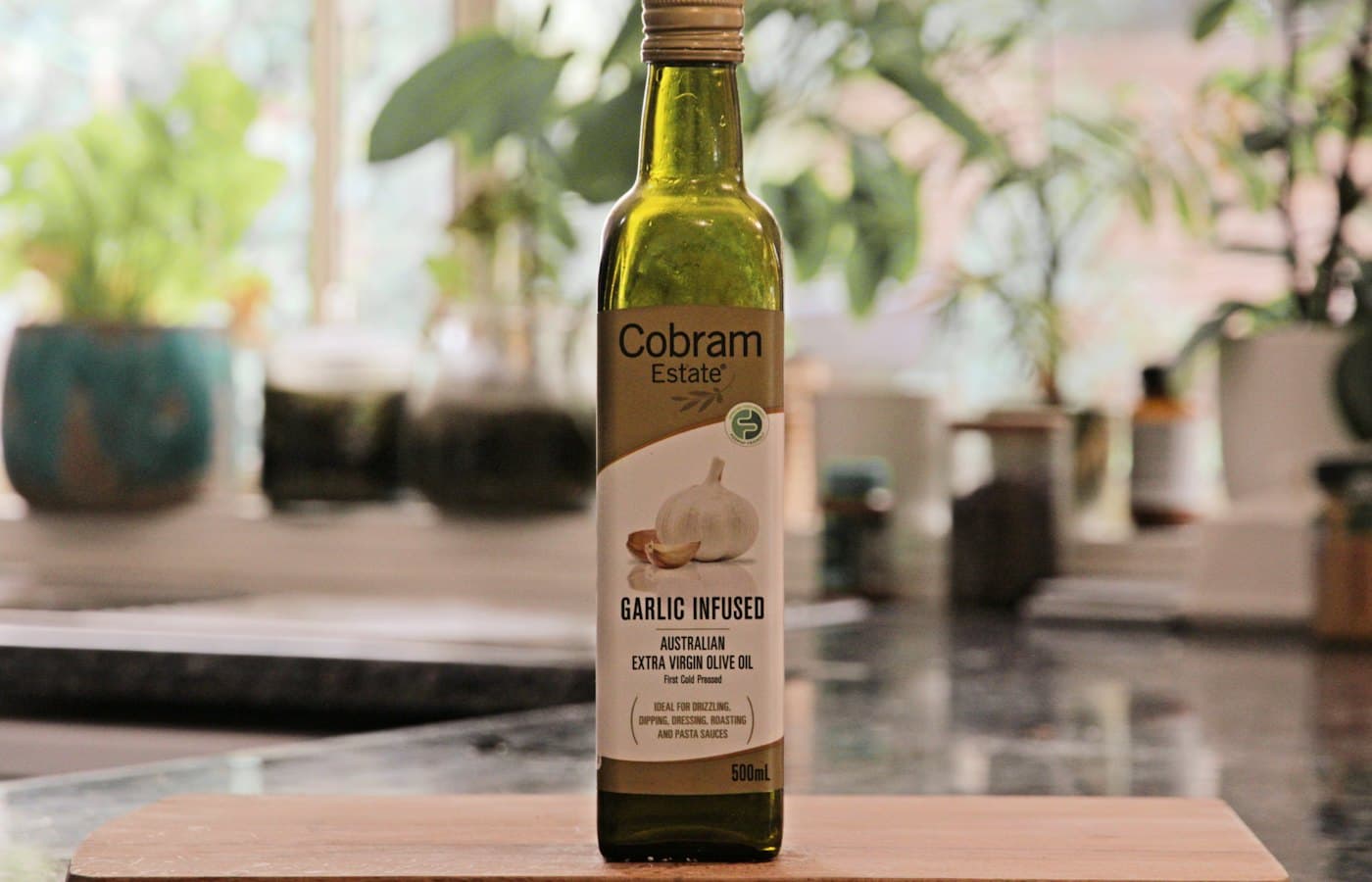 Food & PantryOrganic Cooking Oils & VinegarsWhat organic means on olive oil, coconut oil and vinegar, and why extra virgin and cold-pressed are separate claims.