Reading labels
What "organic" legally means on food, clothing, cosmetics and everything else
In the United States, "organic" is a legally defined word only for agricultural products: crops, livestock and the foods and ingredients made from them. The USDA National Organic Program writes the rules and accredited certifiers check them. On cosmetics, clothing, mattresses and cleaners the word has less law behind it, so the certification named beside it matters more.
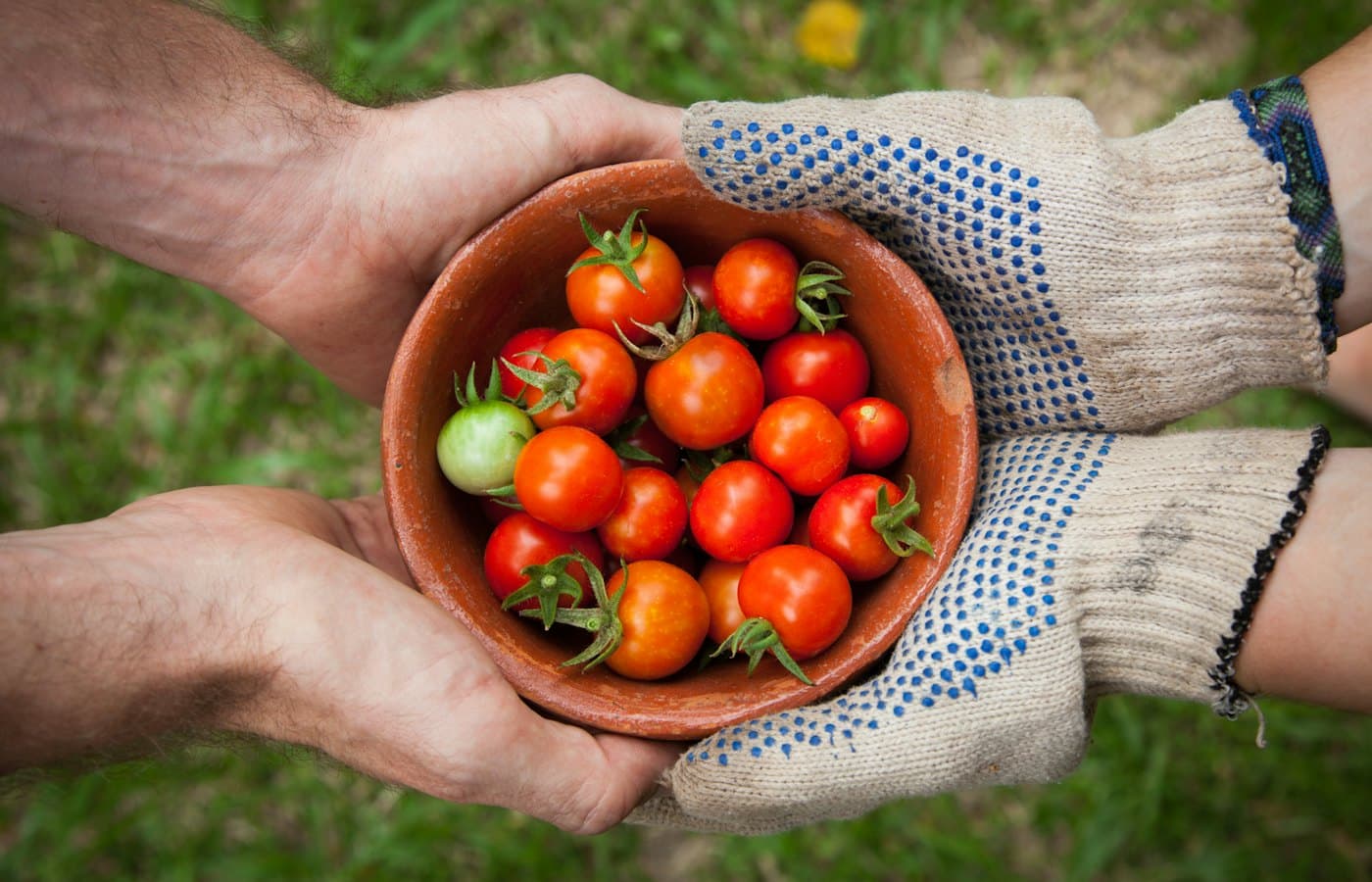
What does organic legally mean on food?
On food, organic is a claim about process: how a crop was grown, how an animal was raised and how the product was handled afterward. The USDA Agricultural Marketing Service says organic products must be made with farming practices that foster resource cycling, promote ecological balance, maintain and improve soil and water quality, minimize the use of synthetic materials and conserve biodiversity.
Three conditions sit under that. The product must be overseen by a certifying agent authorized by the USDA National Organic Program. It must be produced without excluded or prohibited methods, and USDA gives genetic engineering, ionizing radiation and sewage sludge as examples. And it must be produced using allowed substances.
That last condition is worth reading twice. The rule is a list of what may and may not be used, not a promise that nothing was used. Organic does not mean pesticide-free, and it is not a nutrition or safety grade. Whether organic food is better for you is a separate question, covered in is organic food healthier.
The rules apply the same way to an apple and to a box of crackers. For packaged foods such as organic snacks, the label also has to say how much of the product is organic, which is where the four label tiers come in. Our guide to reading a USDA Organic label walks through them.
Can a product say organic without being certified?
Mostly no. USDA says that if you make a product and want to claim that it or its ingredients are organic, the final product probably needs to be certified. A company that is not certified must not make any organic claim on the front of the package and must not use the USDA Organic seal anywhere on it. It may only identify certified organic ingredients as organic in the ingredient list, along with the percentage of organic ingredients.
There is one exemption, for very small farms and businesses whose yearly organic sales fall under a dollar threshold set in the regulations. They do not have to apply for certification, but they still have to follow the organic production and handling rules and keep records for at least three years. Their products cannot display the seal and cannot be used as organic ingredients in another company's product.
The seal itself is protected. USDA describes it as an official mark protected by federal regulation and by trademark law, and says people who knowingly sell or label a product as organic when it does not meet USDA standards can be assessed a financial penalty for each violation.
What does organic mean on cosmetics and skin care?
Less than most people assume. The FDA, which regulates cosmetics, says the term organic is not defined in the laws or regulations it enforces for cosmetics. USDA's fact sheet on the subject says the same thing from the other side: the FDA does not define or regulate the term as it applies to cosmetics, body care or personal care products.
USDA does step in when a cosmetic is made of agricultural ingredients and claims to meet the organic standards. In that case the farms that grew the ingredients, the handlers and the manufacturer of the final product must all be certified, and the product is eligible for the same four labeling categories as food. A jar of organic face care with the USDA Organic seal has met the same content rule as a jar of jam.
The gap is everything else. USDA states that it has no authority over the production and labeling of cosmetics that are not made up of agricultural ingredients or that make no claim to meeting USDA organic standards. It also notes that cosmetics may be certified to other, private standards and marketed to those standards in the United States, and that the National Organic Program does not regulate those labels.
One more point from the FDA: an ingredient's source does not determine its safety. Many plants, organic or not, contain substances that can be toxic or allergenic.
What does organic mean on clothing, sheets and mattresses?
Cotton, wool and flax are crops and animal products, so the raw fiber falls under the USDA organic rules. What happens next does not. A USDA policy memo on textiles, first issued in 2011, says the National Organic Program regulations do not include specific processing or manufacturing standards for textile products. Spinning, dyeing and finishing are outside its rulebook.
Two routes are allowed. A textile produced in full compliance with the USDA regulations may be labeled organic and display the seal, which is rare for finished goods. More often, a product is certified to the Global Organic Textile Standard. USDA says textiles produced in accordance with GOTS may be sold as organic in the U.S. but may not refer to National Organic Program certification or display the USDA Organic seal.
A label may also name specific organic fibers and state their percentage, as long as every fiber called organic was grown and certified under the USDA rules. That is a claim about the fiber only. It tells you nothing about dyes or finishes on a set of organic sheets. The GOTS label page and our comparison of GOTS and OEKO-TEX cover what the textile labels add.
What about toys, cookware, cleaners and everything else?
USDA regulates the word organic as it applies to agricultural products. A stainless steel pan, a silicone teether or a synthetic cleaner is not an agricultural product, so there is no organic certification for it to earn.
The Federal Trade Commission polices deceptive environmental marketing through its Green Guides, but when it revised them in 2012 it said the Guides do not address the terms "sustainable," "natural" and "organic," in part to avoid duplicating or contradicting other agencies. It pointed to the National Organic Program for organic claims on textiles and other products derived from agricultural products.
In practice, that leaves the word without a specific definition on goods that were never grown. On those products, look for what can be verified instead: the material, the ingredient list and any third-party certification that names what it tested.
| Product | Who defines "organic" | What to look for |
|---|---|---|
| Food and drinks | USDA National Organic Program | USDA Organic seal and "Certified organic by" plus the certifier's name |
| Cosmetics and body care | USDA, only if the product claims its standards. The FDA does not define the term | USDA Organic seal, or a named private standard |
| Clothing and bedding | USDA for the raw fiber. GOTS is accepted for the finished textile | GOTS logo with label grade, certifier and certification number |
| Goods not made from crops | No organic standard applies | Materials, disclosed ingredients, named third-party tests |
How do you check an organic claim yourself?
- 1
Find the certifier
On certified organic food, the information panel carries the statement "Certified organic by" followed by the name of the certifying agent, below the name of the company that made or distributed the product. No certifier named usually means no certification.
- 2
Read which words are used
"Organic" on the front, "made with organic oats" on the front and "organic oats" only in the ingredient list are three different legal categories with three different minimum contents.
- 3
Look the company up
USDA runs a public Organic Integrity Database, linked from the National Organic Program's pages, where you can search for an operation by name.
- 4
On textiles, read the whole GOTS label
GOTS says every product label must include its logo, the label grade, a reference to the certification body and the certification number of the certified company. GOTS also publishes a searchable database of certified suppliers.
- 5
On everything else, ask what was certified
A seal should tell you who issued it and what it covers. Our labels directory explains the common ones, and how we choose explains which we accept for each department.
Questions people ask
Does organic mean no pesticides were used?
No. USDA's description of the organic rules says products must be produced using allowed substances and with practices that minimize the use of synthetic materials. That is a restricted list, not a ban on every pest control product. Organic also bars genetic engineering, ionizing radiation and sewage sludge. If your main concern is residues, the research on that question is summarized in our guide on whether organic food is healthier.
Is "made with organic ingredients" the same as organic?
No. Under the USDA rules a product labeled "organic" must contain at least 95 percent organic ingredients, not counting salt and water. A "made with organic" product needs at least 70 percent, may name up to three organic ingredients or ingredient categories on the front, and must not display the USDA Organic seal anywhere on the package.
Can shampoo or lotion carry the USDA Organic seal?
Yes, if it is made of agricultural ingredients and meets the same production, handling and labeling standards as organic food, with the ingredient growers, handlers and the final manufacturer all certified. USDA says such products are eligible for the same four labeling categories. A cosmetic that does not meet those standards may not state or imply that it is USDA-certified organic.
Why do some organic cotton products not have the USDA seal?
Because the USDA organic rules cover how the fiber is grown and have no specific standards for textile processing. Most finished organic textiles are certified to GOTS instead. USDA allows GOTS products to be sold as organic in the United States, but they may not display the USDA Organic seal or refer to National Organic Program certification.
Is an organic product safer than a conventional one?
The organic rules are about how something is produced. They are not a safety rating. For cosmetics, the FDA says plainly that an ingredient's source does not determine its safety and that all cosmetics must be safe for consumers under labeled or customary conditions of use, organic or not. For food, see the evidence in our guide on organic food and health.
Sources
Each page was opened and read on October 11, 2026.
- USDA Agricultural Marketing Service: Labeling Organic Products
- USDA Agricultural Marketing Service: The Organic Seal
- USDA National Organic Program: Cosmetics, Body Care Products, and Personal Care Products (fact sheet)
- USDA National Organic Program: Policy Memo 11-14, Labeling of Textiles That Contain Organic Ingredients
- FDA: "Organic" Cosmetics
- Federal Trade Commission: FTC Issues Revised "Green Guides" (October 1, 2012)
- Global Organic Textile Standard: Labelling
- USDA Agricultural Marketing Service: National Organic Program
- USDA: Organic Integrity Database
Product pages this guide supports
 Food & PantryOrganic SnacksCertified organic bars, crackers and popcorn, and what the seal does not tell you about sugar, salt and allergens.
 Skincare & BeautyOrganic Face CareFace oils and creams sorted by what they are certified to: USDA Organic, COSMOS Organic, NSF/ANSI 305 or MADE SAFE.
 Bedding & BathOrganic SheetsSheet sets whose brands state GOTS certification, and how that differs from OEKO-TEX Standard 100.