Skincare & Beauty
Organic Face Care
The FDA does not define organic on a face cream, so the word alone tells you little. A face product is certified organic only when a named certifier stands behind it: the USDA Organic seal for formulas made of farm ingredients, or NSF/ANSI 305 or COSMOS Organic for formulas that cannot meet the food-style rule. Look for the certifier's name.
What organic means here
This page lists face oils and moisturizers whose brand states a third-party certification on its own page: USDA Organic, COSMOS Organic, NSF/ANSI 305 or MADE SAFE. Each pick names the tier it meets. MADE SAFE screens ingredients and is not an organic certification. We list what a product is certified for, not what it does for skin.
Look for
- The USDA Organic seal with a "Certified organic by" line naming the certifier
- "Contains organic ingredients" with the NSF mark and an exact organic percentage
- COSMOS ORGANIC printed under a certifier's logo, with the organic percentage
- A full ingredient list, in descending order, with organic ingredients marked
Be wary of
- "Organic" in a brand or product name with no certifier named anywhere on the pack
- "Made with organic rosehip" on the front when one ingredient is organic and the rest are not
- "Hypoallergenic", which the FDA says has no federal standard or definition
- Claims to treat acne, eczema or wrinkles: those are drug claims, not cosmetic ones
Products that carry the certification
We have not tested these products. Each one was checked against the brand’s own page and the certifier’s records. Product links may be affiliate links: if you buy through one we may earn a commission, at no extra cost to you. How we choose.
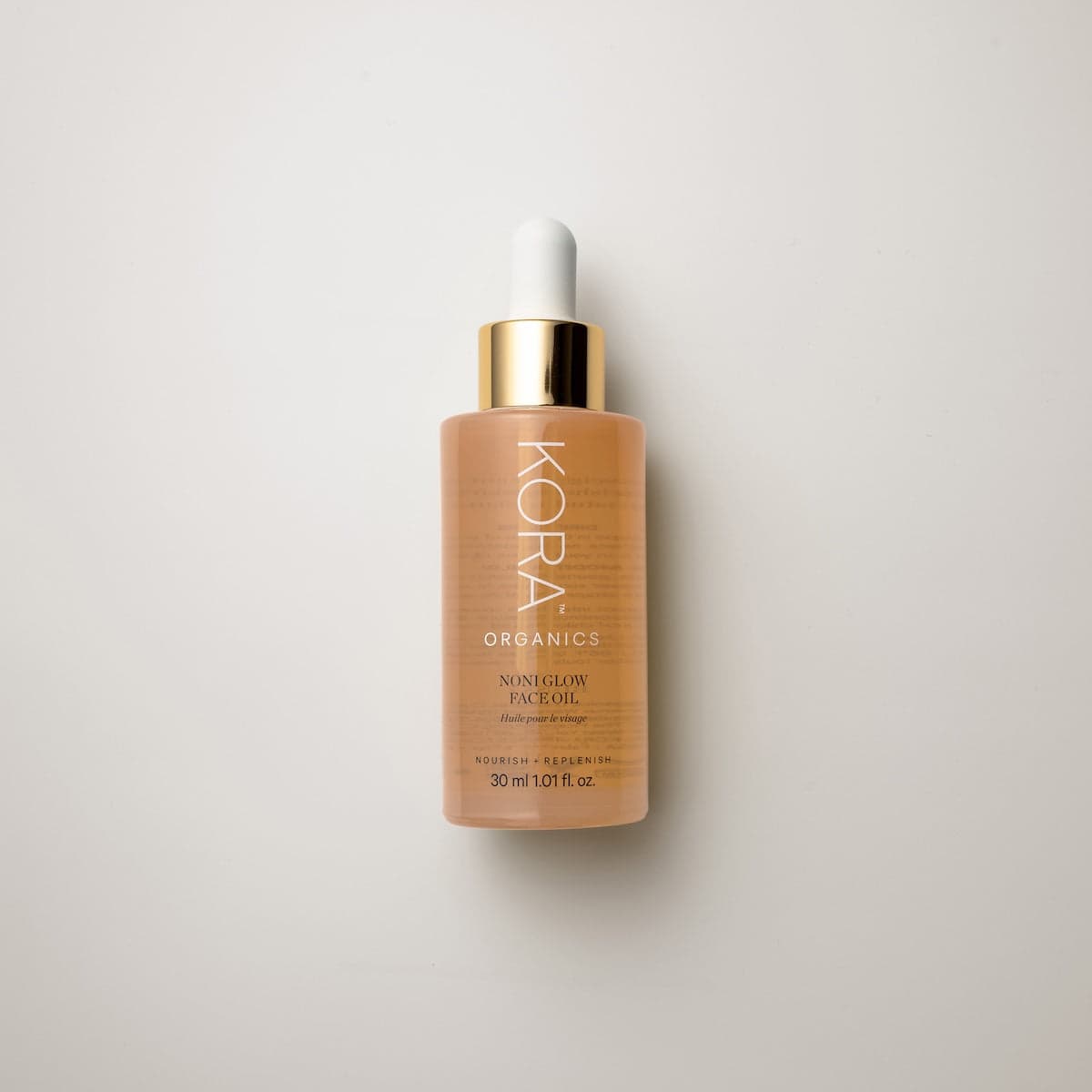
Photo: KORA Organics 1KORA OrganicsOrganic percentage printed on the pageNoni Glow Face Oil
- COSMOS Organic
- ECOCERT
A face oil built on noni fruit with rosehip, jojoba, sunflower, seabuckthorn and pomegranate seed oils. The ingredient panel states it is COSMOS ORGANIC certified by ECOCERT Greenlife and that 97.7 percent of the total ingredients are from organic farming.
Good to know: The ingredient list flags components that come from essential oils, so it is scented. COSMOS Organic is a private standard and is not the USDA Organic seal.
Checked against: us.koraorganics.com
View at brand siteus.koraorganics.com
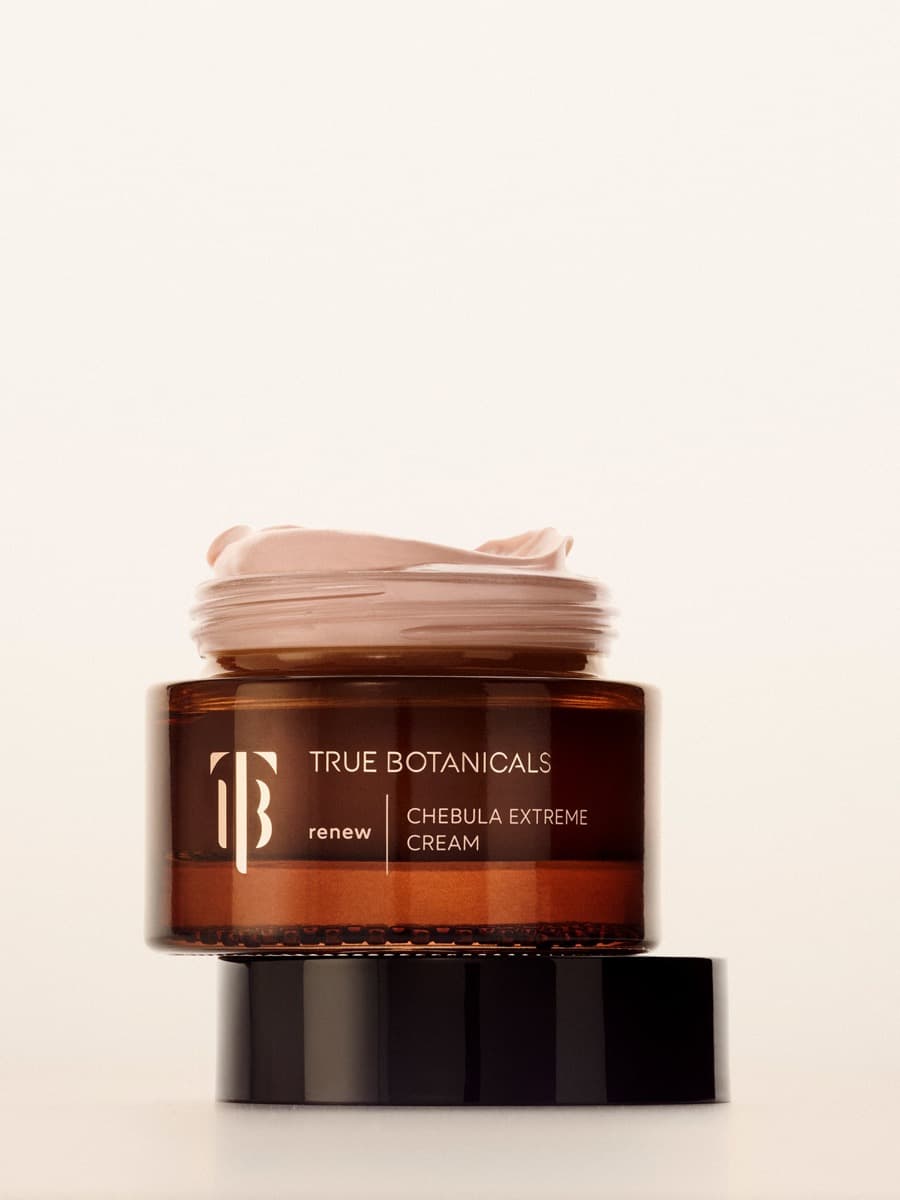
Photo: True Botanicals 2True BotanicalsMADE SAFE certified moisturizerChebula Extreme Cream
A daily face moisturizer that the brand states is MADE SAFE certified. It also appears by name in the MADE SAFE certified products index. It is listed here for ingredient screening by an outside program, which is a different thing from organic farming.
Good to know: MADE SAFE is not an organic certification and this cream carries no organic seal. The brand makes appearance claims for it that we have not checked and do not repeat.
Checked against: truebotanicals.com · index.madeworks.com
View at brand sitetruebotanicals.com
- 3BadgerNine ingredients, all organic
Rose Beauty Oil
A face oil the brand describes as USDA Certified Organic, with nine ingredients that are each listed as organic: jojoba, baobab and pomegranate oils, lavender, rosehip, seabuckthorn, rose, Roman chamomile and calendula. It comes in a glass bottle. This is the food-style tier, the same standard that applies to organic groceries.
Good to know: Scented with rose, lavender and chamomile essential oils, which some people react to. The certification covers how the ingredients were grown and handled, not how your skin responds.
Checked against: badgerbalm.com
View at Badgerbadgerbalm.com
- 4Pai SkincareRosehip fruit and seed oil
Rosehip Bioregenerate Rejuvenating Overnight Face Oil
- COSMOS Organic
- Leaping Bunny
A rosehip face oil made by CO2 extraction of the whole fruit and seed. The product page states it is certified organic and natural by COSMOS, certified cruelty-free by Leaping Bunny and verified vegan. COSMOS is the private cosmetics tier, not the USDA seal.
Good to know: The page does not print the organic percentage. Check the box for the COSMOS ORGANIC signature under the certifier's logo, which is where the standard says the percentage appears.
Checked against: paiskincare.com
View at brand sitepaiskincare.com
- 5Avalon OrganicsNSF/ANSI 305 cream
Vitamin C Renewal Crème Riche
A face cream with aloe leaf juice and sunflower seed oil at the top of the ingredient list, both marked as certified organic. The product page states it is certified by QAI to NSF/ANSI 305, the American National Standard for personal care products containing organic ingredients.
Good to know: NSF/ANSI 305 is the "contains organic ingredients" tier, so it does not carry the USDA Organic seal. The ingredient list includes limonene and linalool, so expect a scent.
Checked against: avalonorganics.com
View at brand siteavalonorganics.com
Products with a photo are shown first; otherwise the order says nothing about quality. Certifications can lapse: check the certifier’s database before you buy.
What organic can mean on a face product
The FDA says the term organic is not defined in the laws or regulations it enforces for cosmetics. The USDA regulates the word only for agricultural products. So a face oil made entirely of pressed plant oils can be certified under the National Organic Program, the same program that covers food, while a cream that needs emulsifiers and preservatives usually cannot reach that bar.
That leaves three kinds of certified organic claim on a face product, plus ingredient-screening marks that are not about farming at all. Our guide to what organic legally means covers the wider picture.
| Label | Who sets it | What it requires |
|---|---|---|
| USDA Organic seal | USDA National Organic Program | At least 95 percent organic ingredients, not counting water and salt |
| "Made with organic" ingredients | USDA National Organic Program | At least 70 percent organic ingredients. No USDA seal allowed |
| NSF/ANSI 305 | NSF, an American National Standard | At least 70 percent organic content by weight, exact percentage on the label |
| COSMOS Organic | COSMOS, through its certification bodies | The organic percentages set in the COSMOS-standard, printed on the label |
How to read the label on a jar or bottle
Start with the certifier, not the front panel. A USDA certified product must display the certifying agent's name. NSF says products certified to its standard must state the exact percentage of organic content. COSMOS says its ORGANIC or NATURAL signature always appears right below the logo of the certifier, along with the organic percentage of the whole product.
Then read the ingredient list. FDA labeling rules require ingredients in descending order of predominance, though anything at 1 percent or less may follow in any order. Fragrance may be declared as the single word fragrance. If a face cream is mostly water, the first organic ingredient may sit well down the list.
Claims that sound regulated and are not
Hypoallergenic is the common one. The FDA says there are no federal standards or definitions governing the term, and that manufacturers are not required to submit proof of the claim. It means whatever the company wants it to mean.
Organic is not a safety claim either. The FDA says an ingredient's source does not determine its safety and that many plants, organic or not, contain substances that may be toxic or allergenic. Essential oils are a frequent example on face oils, which is why we flag scent in each caveat. EWG Verified and MADE SAFE look at ingredients, not farming.
Questions people ask
Is organic face care regulated by the FDA?
The product is, the word is not. The FDA regulates cosmetics for safety and labeling but states that organic is not defined in the laws or regulations it enforces. The USDA's National Organic Program defines the term for agricultural ingredients. A face product that makes a USDA organic claim has to follow the USDA rules and the FDA's cosmetic rules at the same time.
Is USDA Organic the same as COSMOS Organic on face care?
No. The USDA seal applies the food standard: at least 95 percent organic ingredients, not counting water and salt, certified under the National Organic Program. COSMOS is a private standard written for cosmetics. It sets its own required organic percentages and says the percentage for the whole product appears on the label. A product that falls short of those percentages can only carry COSMOS NATURAL, so read which signature is printed.
Does certified organic face oil suit sensitive skin?
Not necessarily. The FDA says many plants, whether or not they are organically grown, contain substances that may be allergenic, and that an ingredient's source does not determine its safety. Organic face oils often contain essential oils for scent. If your skin reacts easily, look for an unscented formula, read the whole ingredient list and ask a dermatologist before changing your routine.
What does "contains organic ingredients" mean on a moisturizer?
It is the wording used by NSF/ANSI 305. NSF says a product certified to that standard has been reviewed by an independent organic certifier and contains at least 70 percent organic content by weight, with the exact percentage stated on the label. The standard allows some processing that the food-style USDA rules do not. It is a real certification, one tier below the USDA seal.
How can I check that a face cream is really certified?
Find the certifier's name on the pack, then look the product up with that certifier. COSMOS keeps a public directory of certified products on its website. NSF points shoppers to the QAI listings for NSF/ANSI 305. For the USDA seal, the label must name the certifying agent. If no certifier is named anywhere, treat the organic claim as marketing.
Sources
Each page was opened and read on October 11, 2026.
- FDA: "Organic" Cosmetics
- USDA National Organic Program: Cosmetics, Body Care Products, and Personal Care Products fact sheet
- NSF: Personal Care Products Containing Organic Ingredients
- COSMOS: COSMOS Certification, Organic and Natural
- FDA: Is It a Cosmetic, a Drug, or Both? (Or Is It Soap?)
- FDA: "Hypoallergenic" Cosmetics
- FDA: Cosmetics Labeling Guide
Keep reading
 Skincare & BeautyOrganic Body Lotion & OilBody lotions and oils that name their certifier: USDA Organic, NSF/ANSI 305 or MADE SAFE, with the tier stated.
 Skincare & BeautyMineral SunscreenZinc oxide sunscreens with a named third-party certification, and what the FDA and NOAA actually say about them.
 Personal CareOrganic Lip BalmLip balms that state USDA Organic certification on the brand's own page, and how to read the tube.
 GuideProduct scanner apps explainedHow Yuka, EWG and Think Dirty turn a barcode into a score, and why a score and a certification can disagree.
 GuideWhat "organic" legally meansWhere "organic" is a legal term, where it is only marketing, and which certification to look for on each product type.