Personal Care
Organic Lip Balm
Lip balm is one of the few personal care products that can readily earn the USDA Organic seal, because a balm can be made entirely of oils, waxes and butters. The FDA does not define "organic" for cosmetics, so look for the seal and a named certifier. Certification covers farming, not how a balm feels on chapped lips.
What organic means here
This page lists lip balms whose own product pages state USDA Organic certification. That means at least 95 percent organic ingredients, not counting salt and water, audited by a USDA-accredited certifier. Other marks are noted where the brand's page shows them. The seal does not tell you whether a flavor or essential oil will suit sensitive lips.
Look for
- The USDA Organic seal and the line "Certified organic by" with a certifier's name
- A short ingredient list of oils, waxes and butters, each one marked organic
- The wax: beeswax, or a plant wax such as candelilla if you want a vegan balm
- If you want sun protection, an SPF number stated on the label
Be wary of
- "Made with organic oils" and no seal: that is a lower tier than USDA Organic
- Mint, citrus and cinnamon flavors if your lips are already chapped
- "Natural" on the tube: it is not a certification
- An organic balm assumed to protect from the sun: without an SPF claim it is not a sunscreen
Products that carry the certification
We have not tested these products. Each one was checked against the brand’s own page and the certifier’s records. Product links may be affiliate links: if you buy through one we may earn a commission, at no extra cost to you. How we choose.
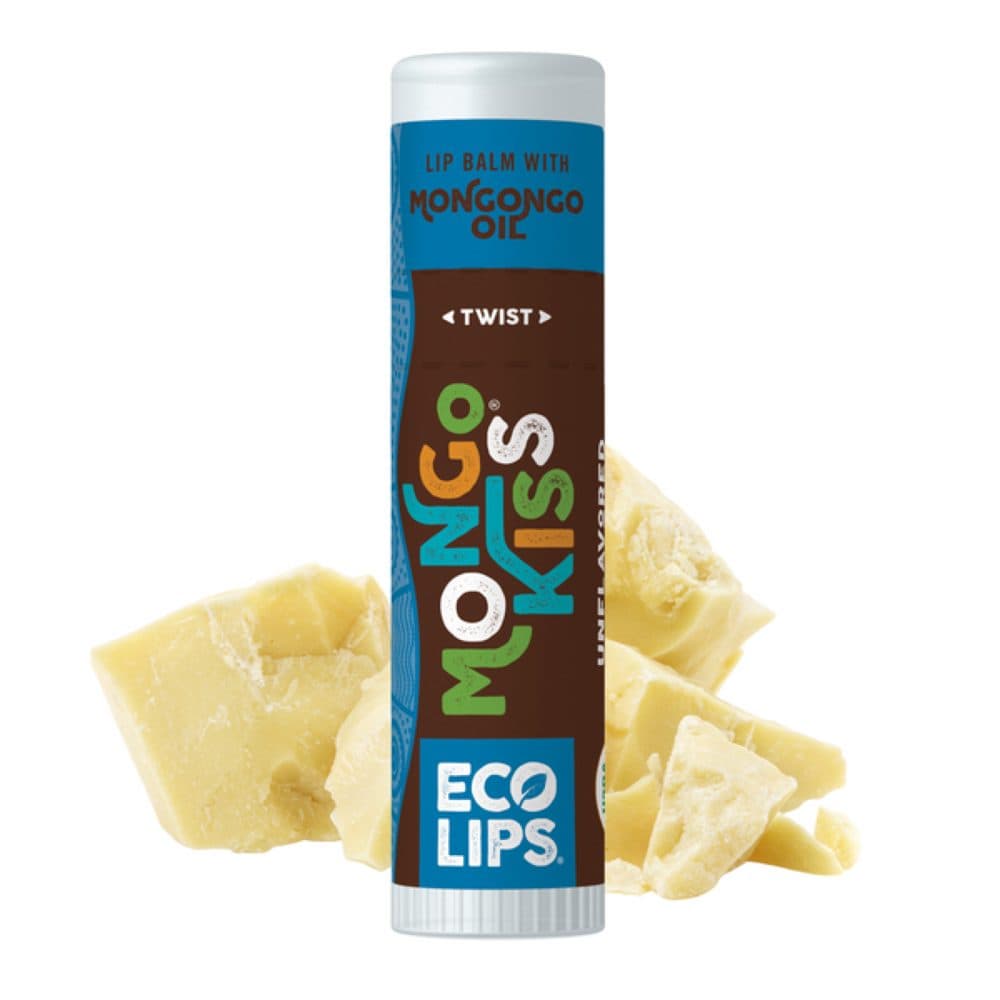
Photo: Eco Lips 1Eco LipsUnflavored, larger tubeMongo Kiss Unflavored Organic Lip Balm
- USDA Organic
- Non-GMO Project Verified
- Fair Trade Certified
- Leaping Bunny
- Certified B Corporation
An unflavored balm made with organic mongongo oil and Fair Trade Certified cocoa butter. The product page lists its attributes as USDA Organic, Non-GMO Project Verified, Fair Trade Certified, gluten-free and Leaping Bunny certified, and says the company is a certified B Corporation.
Good to know: Comes in a recyclable plastic tube. The page carries a nut and seed warning because of the mongongo seed oil. Fair Trade applies to marked ingredients, and B Corp is a company-level mark.
Checked against: ecolips.com
View at Eco Lipsecolips.com
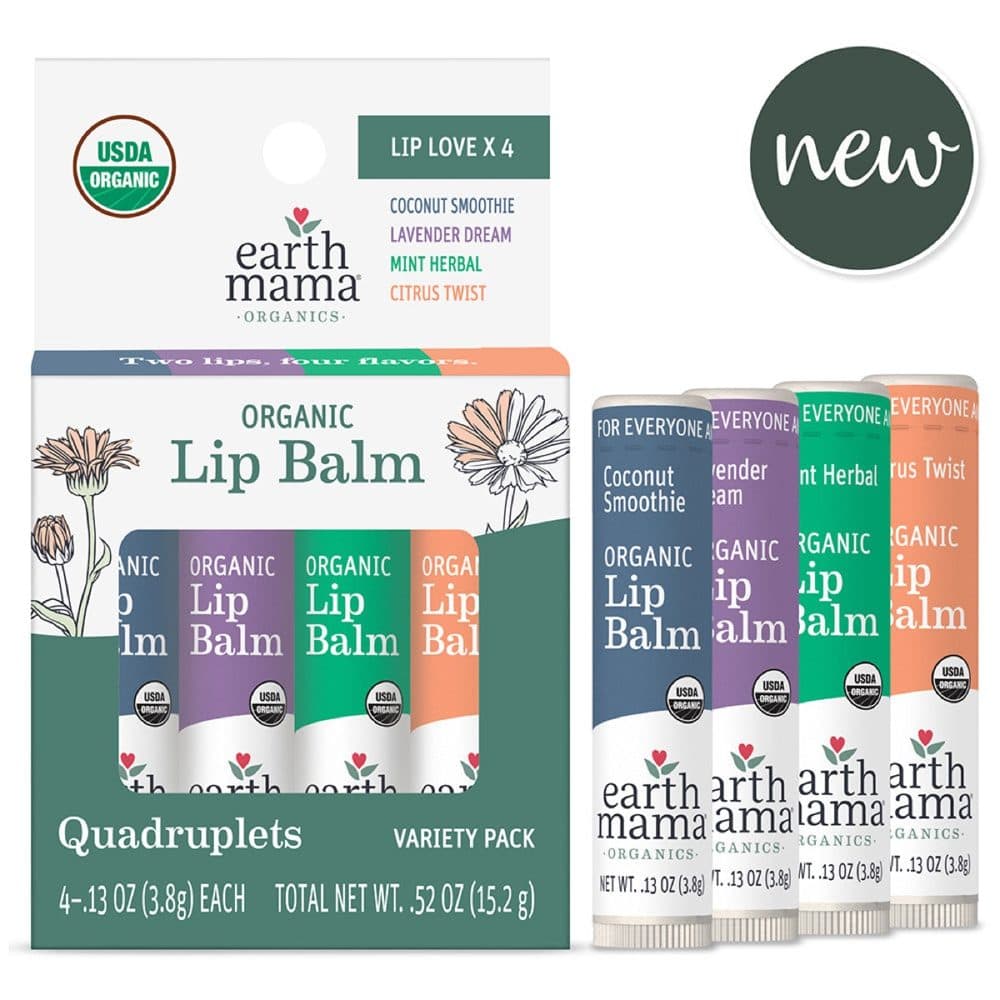
Photo: Earth Mama 2Earth MamaVegan flavors availableEarth Mama Organic Lip Balms
- USDA Organic
- Leaping Bunny
A line of four flavored balms. The product page lists the certifications as USDA Organic, certified by Oregon Tilth, and Leaping Bunny Certified, and says the balms are made without petrolatum or artificial preservatives, colors or flavors. Three flavors use candelilla wax and are vegan.
Good to know: The Citrus Twist flavor contains organic beeswax, so check the flavor if you want a vegan balm. All four are flavored, and one is mint.
Checked against: earthmamaorganics.com
View at Earth Mamaearthmamaorganics.com
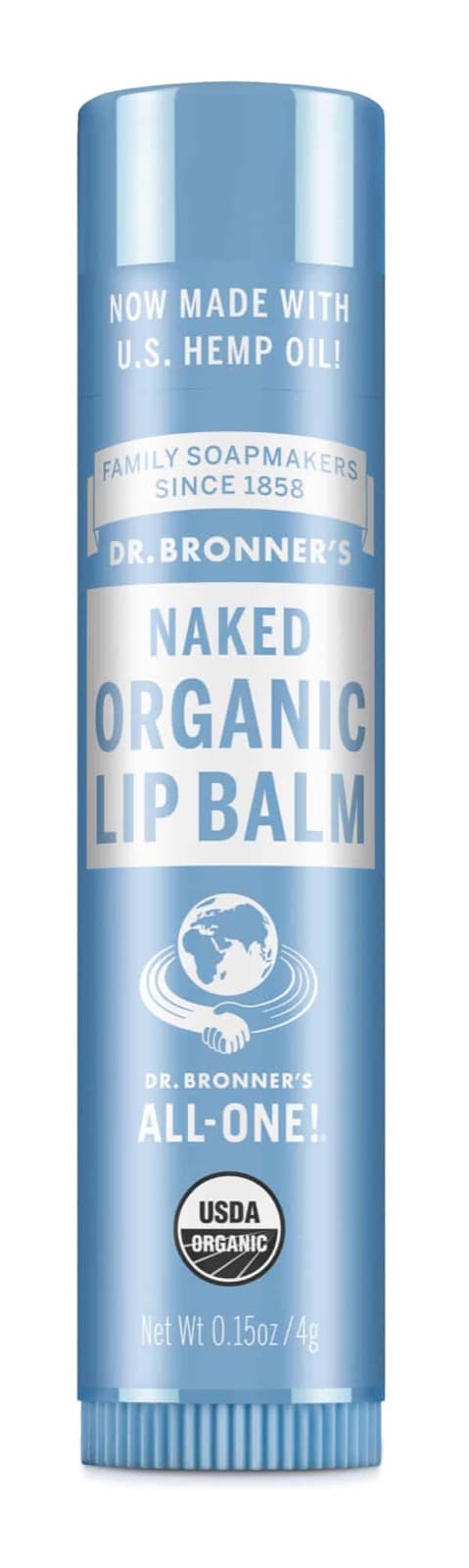
Photo: Dr. Bronner's press kit 3Dr. Bronner'sUnscented, five ingredientsNaked Unscented Organic Lip Balms
An unscented balm with five ingredients: organic avocado oil, organic beeswax, organic jojoba seed oil, organic hemp seed oil and tocopherol. The product page states it is certified organic to USDA National Organic Program standards and marks the avocado oil as a certified fair trade ingredient.
Good to know: Contains beeswax, so it is not vegan. No SPF. The fair trade note on the page applies to one ingredient.
Checked against: drbronner.com
View at brand sitedrbronner.com
- 4BadgerUnscented, olive oil and beeswax
Classic Lip Balm - Unscented
An unscented stick balm built on extra virgin olive oil and beeswax with rosemary extract. The product page states it is USDA Certified Organic and gluten free, and that it is never made with petroleum, artificial colors or sweeteners.
Good to know: Contains beeswax, so it is not vegan. It has no SPF and is not a sunscreen.
Checked against: badgerbalm.com
View at Badgerbadgerbalm.com
Products with a photo are shown first; otherwise the order says nothing about quality. Certifications can lapse: check the certifier’s database before you buy.
Why lip balm can earn the USDA seal
The USDA says a body care product made of agricultural ingredients can be certified under the National Organic Program, as long as the farms, the ingredient handlers and the final manufacturer are all certified. A balm of plant oils, butters and wax fits that description closely. There is no water to dilute the formula and little need for the additives that keep a lotion or wash stable.
To use the USDA Organic seal, a product needs at least 95 percent organic ingredients, not counting salt and water. A balm labeled "made with organic" oils sits in the tier below, at 70 percent or more, and must not show the seal. Our guide on how to read a USDA organic label walks through the tiers.
What dermatologists say about chapped lips
Organic certification and lip comfort are separate questions. The American Academy of Dermatology lists ingredients to stop using while lips are chapped, and several are common in natural balms. It also lists ingredients that can help, and says it helps to choose products that are fragrance free.
| AAD: can help chapped lips heal | AAD: avoid while lips are chapped |
|---|---|
| Castor seed oil | Camphor, eucalyptus, menthol |
| Shea butter | Flavoring such as cinnamon, citrus, mint and peppermint |
| Hemp seed oil | Fragrance |
| Petrolatum, mineral oil, dimethicone, ceramides | Lanolin, phenol, salicylic acid |
SPF turns a lip balm into a drug
A plain lip balm is a cosmetic. The FDA explains that products marketed with sun-protection claims are both cosmetics and drugs, and must meet the requirements for both. So an organic balm with SPF on the label is regulated more tightly than one without.
None of the picks on this page is a sunscreen. The American Academy of Dermatology advises a non-irritating lip balm with SPF 30 or higher before going outdoors, reapplied every 2 hours, and names titanium oxide and zinc oxide as the sun-protective ingredients to look for. The mineral sunscreen page covers that side.
How to check a lip balm's organic claim
- 1
Look for the seal
A USDA Organic balm shows the round seal and names its certifier on the label.
- 2
Read the asterisks
Organic ingredients are marked in the ingredient list. If only one or two are, the balm is not in the organic tier.
- 3
Check the other logos
Marks such as Leaping Bunny or Non-GMO Project Verified answer different questions and do not make a balm organic.
- 4
Match the flavor
Brands sell many flavors under one name. Certification and ingredients can differ between them, so read the tube you are buying.
Questions people ask
Can lip balm really be USDA Organic?
Yes. The USDA says personal care products made of agricultural ingredients can be certified under the National Organic Program and labeled in the same categories as food. A lip balm made of plant oils, butters and wax can reach the organic category, which requires at least 95 percent organic ingredients, and carry the seal. The label must name the certifier.
Is organic lip balm better for chapped lips?
Not necessarily. The seal covers how the ingredients were farmed. The American Academy of Dermatology says flavorings such as citrus, mint and peppermint, along with menthol, camphor and fragrance, can irritate chapped lips, and those appear in many organic balms. It recommends fragrance-free products. If your lips burn or sting after applying a balm, stop using it.
Is beeswax lip balm organic?
It can be. Beeswax is an agricultural product and can be certified organic, and several picks on this page list organic beeswax. It is an animal product, so a beeswax balm is not vegan. Vegan organic balms use a plant wax instead. One brand above states that its vegan flavors use candelilla wax.
Does organic lip balm protect against the sun?
Only if it says so with an SPF number. The FDA treats products marketed with sun-protection claims as drugs as well as cosmetics. A plain organic balm makes no such claim. The American Academy of Dermatology advises a lip balm with SPF 30 or higher before you go outdoors, reapplied every 2 hours, even in winter.
What does made with organic mean on a lip balm?
It is the tier below organic in the USDA rules. The product contains at least 70 percent organically produced ingredients, not counting salt and water, and a certifier audits it. It may name up to three organic ingredients or categories on the front. It must not use the USDA Organic seal or call the finished balm organic.
Sources
Each page was opened and read on October 11, 2026.
- USDA Agricultural Marketing Service: Cosmetics, Body Care, and Personal Care Products
- USDA Agricultural Marketing Service: Labeling Organic Products
- FDA: "Organic" Cosmetics
- FDA: Is It a Cosmetic, a Drug, or Both? (Or Is It Soap?)
- American Academy of Dermatology: 7 dermatologists' tips for healing dry, chapped lips
Keep reading
 Skincare & BeautyOrganic Face CareFace oils and creams sorted by what they are certified to: USDA Organic, COSMOS Organic, NSF/ANSI 305 or MADE SAFE.
 Skincare & BeautyMineral SunscreenZinc oxide sunscreens with a named third-party certification, and what the FDA and NOAA actually say about them.
 Maternity & PostpartumOrganic Nipple BalmUSDA Organic nipple balms with short ingredient lists, and what the seal does not tell you.