Maternity & Postpartum
Organic Nipple Balm and Nipple Butter
A nipple balm made only of plant oils, butters and beeswax can carry the USDA Organic seal, and several do. The seal covers how those ingredients were grown and handled. It does not test whether a balm heals sore nipples, and lasting pain is a reason to see a lactation consultant, not a reason to switch balms.
Not medical advice. This page describes labels and certifications. It is general information, and it does not replace your pediatrician, doctor or midwife, who know you and your child.
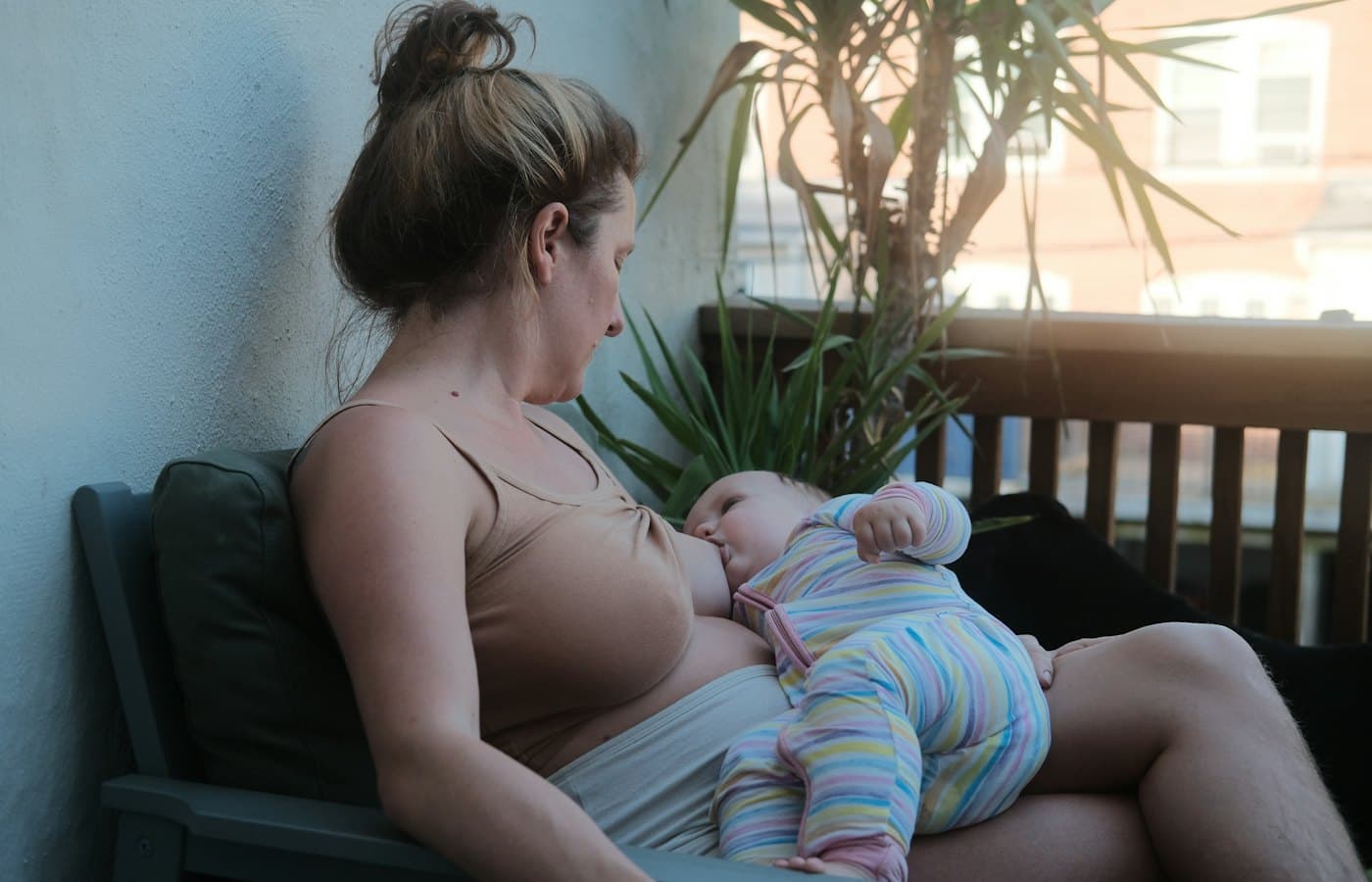
What organic means here
Every pick on this page is certified under the USDA National Organic Program, with the certification stated on the brand's own product page. A balm is something a nursing baby may swallow traces of, so we also list every ingredient the brand discloses. Organic certification is not a medical claim, and none of these picks is listed as a treatment.
Look for
- The USDA Organic seal and a named certifier, such as Oregon Tilth or Quality Assurance International
- A complete ingredient list short enough to read in one glance
- Whether it contains lanolin, beeswax, coconut oil or nut butters, if you or your baby react to any of them
- The brand's own instruction on whether to wipe it off before a feed
Be wary of
- "Organic" on the front with no USDA seal and no certifier named
- "Heals cracked nipples": no certification reviews that claim, and ongoing pain usually points to latch
- Added fragrance or flavor in a product that sits where your baby feeds
- "Safe to swallow" presented as a certification: it is the brand's statement
Products that carry the certification
We have not tested these products. Each one was checked against the brand’s own page and the certifier’s records. Product links may be affiliate links: if you buy through one we may earn a commission, at no extra cost to you. How we choose.
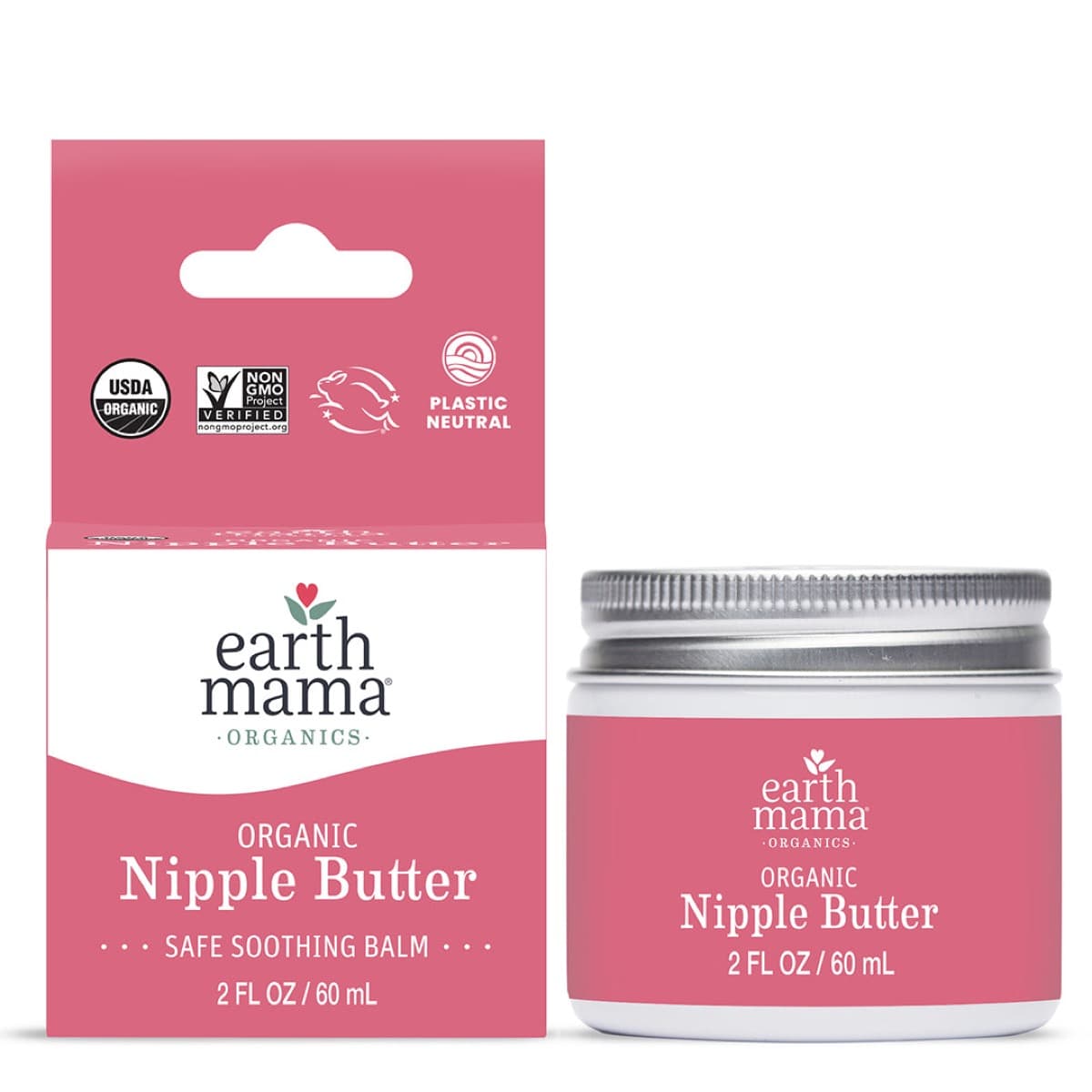
Photo: Earth Mama 1Earth MamaLanolin-free, no coconut oil listedOrganic Nipple Butter
- USDA Organic
- Non-GMO Project Verified
- Leaping Bunny
Earth Mama states this balm is Certified Organic by Oregon Tilth, Non-GMO Project Verified and Leaping Bunny certified. The six ingredients listed are olive oil, beeswax, cocoa butter, shea butter, mango butter and calendula extract, each marked organic. The brand describes it as lanolin-free.
Good to know: Contains beeswax, so it is not vegan. The brand says it does not need to be washed off before nursing: that is the brand's instruction, not part of the organic certification.
Checked against: earthmamaorganics.com · earthmamaorganics.com
View at Earth Mamaearthmamaorganics.com
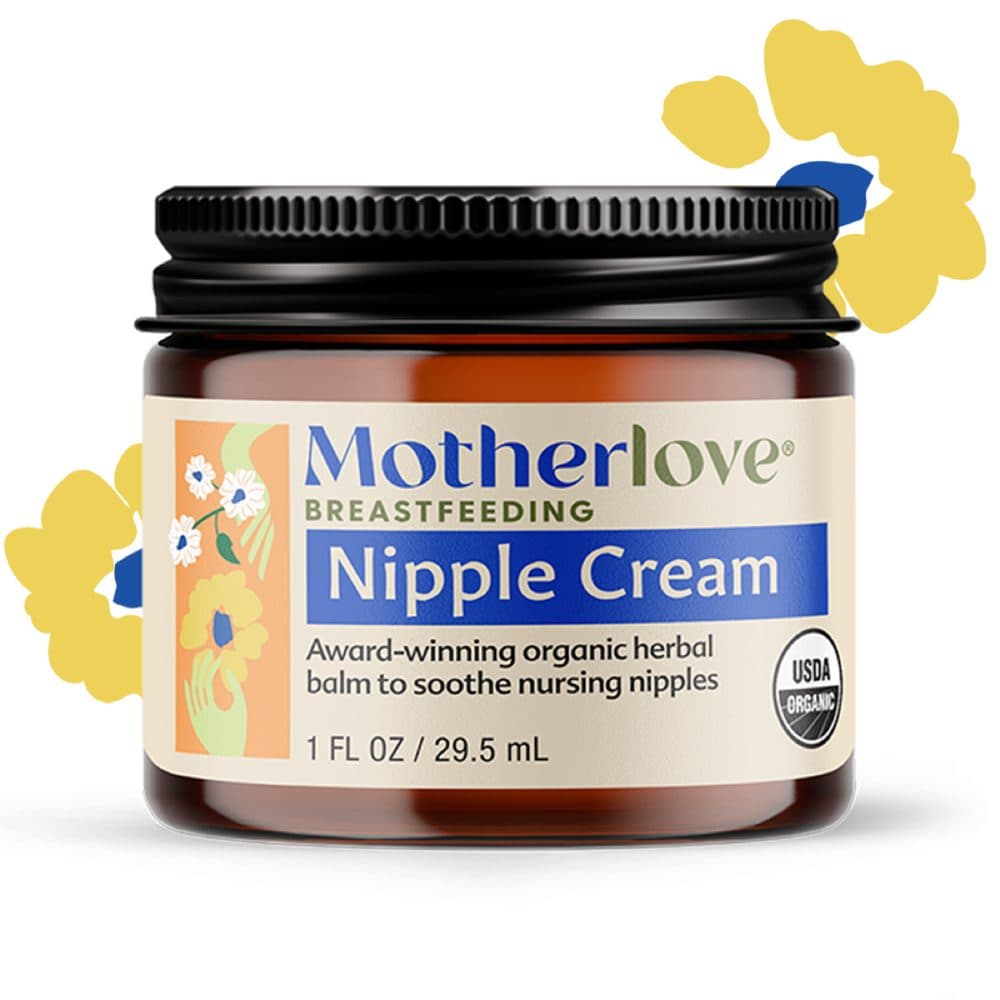
Photo: Motherlove 2MotherloveFive ingredientsNipple Cream
- USDA Organic
- Leaping Bunny
Motherlove's page shows the USDA Organic seal and states the cream is Certified Organic by Oregon Tilth and certified cruelty free by Leaping Bunny. The listed ingredients are extra virgin olive oil, beeswax, shea butter, marshmallow root and calendula flower, each marked organic. It is described as lanolin-free.
Good to know: Contains beeswax. The page also says "Non-GMO", but does not name the Non-GMO Project, so we have not listed that certification.
Checked against: motherlove.com
View at Motherlovemotherlove.com
- 3LansinohCertifier named in the product FAQ
Organic Nipple Balm
Lansinoh states the balm is USDA certified organic and names Quality Assurance International (QAI) as the certifier. The seven ingredients the brand lists are sunflower oil, olive oil, beeswax, coconut oil, shea butter, calendula flower extract and argan oil.
Good to know: Contains beeswax and coconut oil. This is a different product from Lansinoh's lanolin nipple cream, which is not an organic product.
Checked against: lansinoh.com
View at Lansinohlansinoh.com
- 4BamboobiesNo lanolin, no added fragrance
Organic Nipple Balm
Bamboobies describes this balm as USDA Organic. The ingredients on the product page are sunflower seed oil, olive fruit oil, beeswax, shea butter and calendula oil extract, each marked organic. The brand lists it as made with no lanolin, parabens, phthalates or synthetic fragrances.
Good to know: Contains beeswax. The product page does not name the organic certifier, so look for the certifier's name on the package when it arrives.
Checked against: bamboobies.com
View at Bamboobiesbamboobies.com
Products with a photo are shown first; otherwise the order says nothing about quality. Certifications can lapse: check the certifier’s database before you buy.
What the USDA Organic seal means on a nipple balm
The USDA does not write special rules for body care. A balm made of farm ingredients, such as olive oil, shea butter and beeswax, can be certified under the same National Organic Program rules as food. To use the USDA Organic seal, at least 95 percent of the ingredients, not counting salt and water, must be certified organic, and a USDA-accredited certifier must approve the label.
That is a statement about farming and handling. The FDA says the source of an ingredient does not determine its safety, and that products with organic claims still have to meet FDA safety and labeling rules. So the seal narrows down how the ingredients were produced. It does not tell you the balm will work, or that your baby will not react to it.
Most certified balms are also lanolin-free, because they are built on plant butters. If a second claim such as non-GMO matters to you, check that it names the program. Our page on Non-GMO Project Verified explains what that one covers.
What the evidence says about balms and sore nipples
The Office on Women's Health, part of the U.S. Department of Health and Human Services, says nipples often feel tender at first and that a good latch is the key. Its tips for cracked nipples are to rub a few drops of expressed milk on them after a feed, to let them air dry, and to use purified lanolin made for breastfeeding. It also says to get help from your doctor or lactation consultant before using creams.
The research on lanolin itself is mixed. The NIH LactMed record on lanolin says it appears to be effective for nipple pain, but that studies have not found it consistently different from applying breast milk or other measures, and that good studies are lacking. LactMed also says even highly purified lanolin should be avoided by anyone with a known wool allergy.
We did not find an NIH review of the plant-butter balms listed here. That is worth knowing: organic certification is well documented for these products, and clinical evidence is not.
Ingredients to check for
| Ingredient | Why to check |
|---|---|
| Lanolin | Comes from sheep's wool. LactMed says to avoid it with a known wool allergy. |
| Beeswax | In all four picks. Not vegan. |
| Coconut oil, cocoa, shea or mango butter | Check if you or your baby have a related allergy, and ask your pediatrician if unsure. |
| Fragrance or flavor | Not needed in a balm. Certified organic balms here list none. |
When a balm is not the answer
ACOG says nipple pain can be improved with proper breastfeeding technique and tells patients to talk with their ob-gyn or a lactation consultant to learn how. The Office on Women's Health puts it more bluntly: if you are putting off feeds because breastfeeding hurts, get help from a lactation consultant, because delaying feeds can cause more pain and affect supply.
It also advises changing nursing pads often so moisture is not trapped against cracked skin. Our page on organic nursing pads covers what those are made of. If you are also weighing herbal teas sold for nursing, read the evidence on our pregnancy and nursing teas page first.
Questions people ask
Do I have to wipe organic nipple balm off before breastfeeding?
Follow the directions on the product you bought. Several brands state on their own pages that their balm does not need to be removed before a feed. That is the manufacturer's instruction, not something the USDA Organic seal certifies. If your baby has allergies, or was born early, show the ingredient list to your pediatrician or lactation consultant and ask.
Is organic nipple balm better than lanolin?
There is no head-to-head answer from NIH for these products. LactMed says purified lanolin appears to be effective for nipple pain, though studies are inconsistent, and that people with a wool allergy should avoid it. Plant-based organic balms avoid wool, and their ingredients are certified for how they were grown. Which one suits you is a question for your lactation consultant.
Can a nipple balm be 100 percent organic?
Yes, if every ingredient is certified organic. USDA rules allow the 100 percent organic claim only when all ingredients, not counting salt and water, are certified organic. Balms made only of organic oils, butters and beeswax can meet that. The plain word organic, with the seal, requires at least 95 percent. Either way, the certifier must be named on the package.
Does a nipple balm treat cracked or bleeding nipples?
A balm is a moisturizer. No organic certification reviews a healing claim. The Office on Women's Health says to get help from your doctor or lactation consultant before using creams on sore nipples, because the cause is often the latch. See your doctor promptly for bleeding, fever, a hot or red area on the breast, or pain that does not improve.
Can I use nipple balm when pumping?
Some brands describe their balm as suitable for pump flanges on the product page, and Earth Mama, Motherlove and Lansinoh each say so for the picks above. Check your pump maker's instructions as well. If pumping hurts, ask a lactation consultant to check your flange size before adding more balm.
Sources
Each page was opened and read on October 11, 2026.
- Office on Women's Health (U.S. Department of Health and Human Services): Common breastfeeding challenges
- National Institutes of Health, Drugs and Lactation Database (LactMed): Lanolin
- American College of Obstetricians and Gynecologists: Postpartum Pain Management (FAQ)
- U.S. Food and Drug Administration: "Organic" Cosmetics
- USDA Agricultural Marketing Service: Labeling Organic Products
Keep reading
 Maternity & PostpartumOrganic Nursing PadsNursing pads made with GOTS certified organic cotton or wool, and which layer the claim covers.
 Maternity & PostpartumOrganic Pregnancy & Nursing TeasUSDA Organic pregnancy and nursing teas, what is in them, and what NIH says about the herbs.
 Personal CareOrganic Lip BalmLip balms that state USDA Organic certification on the brand's own page, and how to read the tube.