Maternity & Postpartum
Organic Pregnancy and Nursing Teas
An herbal tea can carry the USDA Organic seal when at least 95 percent of its ingredients are certified organic. That is a statement about farming, not evidence that a tea supports pregnancy or increases milk supply. NIH says the research on fenugreek, common in nursing teas, is mixed. Ask your doctor or midwife first.
Not medical advice. This page describes labels and certifications. It is general information, and it does not replace your pediatrician, doctor or midwife, who know you and your child.
What organic means here
Every tea on this page carries the USDA Organic seal, confirmed on the brand's own product page, and we list the herbs it contains. No tea is listed as safe in pregnancy or as a way to make more milk. Those are medical questions that organic certification does not address, and the pick caveats repeat what the brand's own label says about who should not use it.
Look for
- The USDA Organic seal and the name of the certifier on the box
- A complete ingredient list naming every herb, not a "proprietary blend"
- The label's own warnings: several nursing teas say not to use them during pregnancy
- The words "herbal supplement" and a Supplement Facts panel, which tell you it is sold under supplement rules
Be wary of
- "Increases milk supply" stated as fact: NCCIH says it is uncertain whether fenugreek does
- "Safe for pregnancy" on the front: NCCIH says many supplements have not been tested in pregnant women
- Fenugreek in a tea you plan to drink while pregnant: NCCIH says it is not safe in pregnancy in amounts greater than those found in food
- Fennel or anise if you or your baby are allergic to carrots, celery or related plants
Products that carry the certification
We have not tested these products. Each one was checked against the brand’s own page and the certifier’s records. Product links may be affiliate links: if you buy through one we may earn a commission, at no extra cost to you. How we choose.
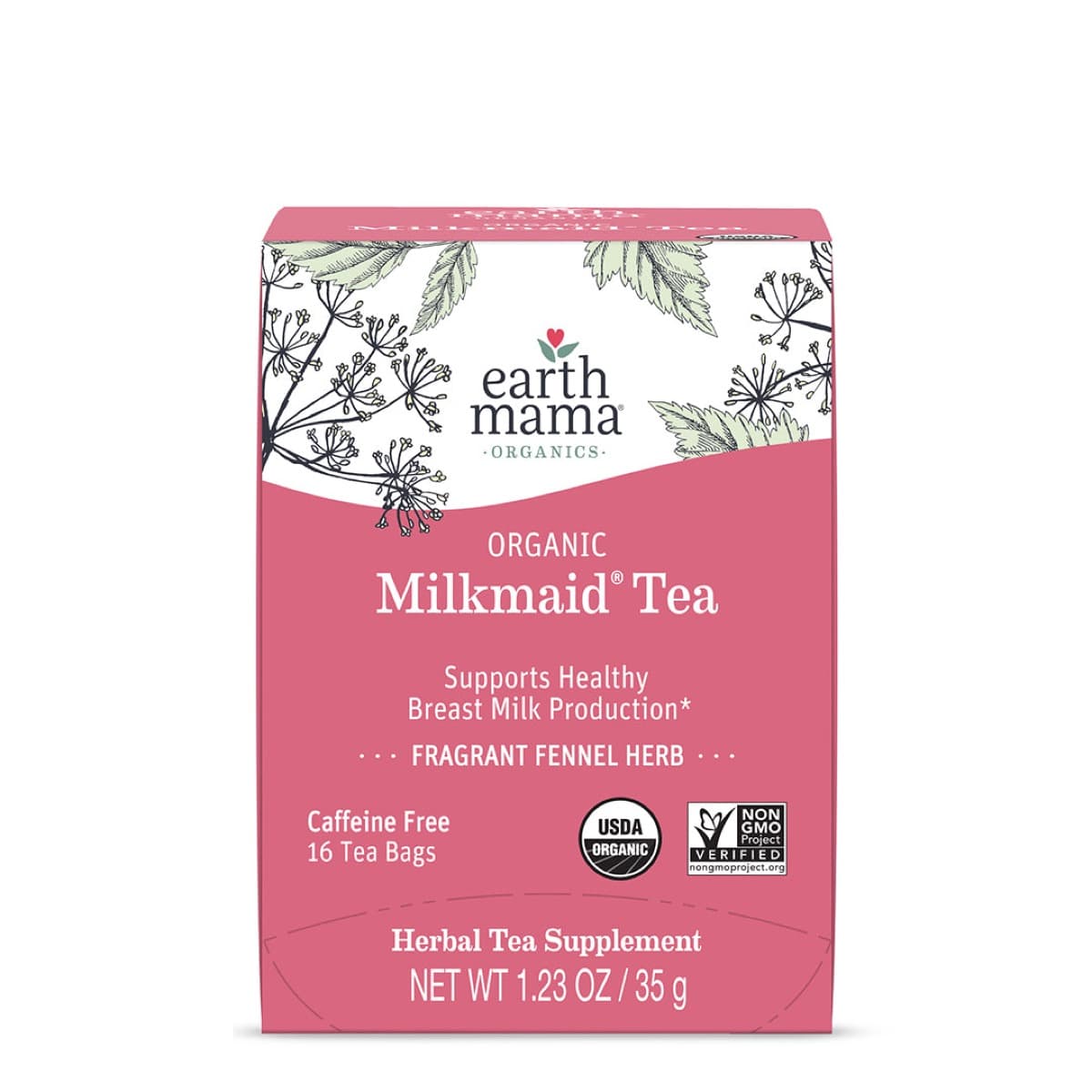
Photo: Earth Mama 1Earth MamaNursing tea with fenugreek and fennelOrganic Milkmaid Tea
Earth Mama states this tea is Certified Organic by Oregon Tilth and Non-GMO Project Verified, and shows the USDA Certified Organic logo. The nine herbs listed, each marked organic, are fenugreek, fennel, red raspberry leaf, stinging nettle, milk thistle, orange peel, anise, caraway and alfalfa.
Good to know: Earth Mama says this tea is not for use during pregnancy. It contains fenugreek, fennel and anise: see what NIH says about each below, and ask your lactation consultant or doctor first.
Checked against: earthmamaorganics.com · earthmamaorganics.com
View at Earth Mamaearthmamaorganics.com
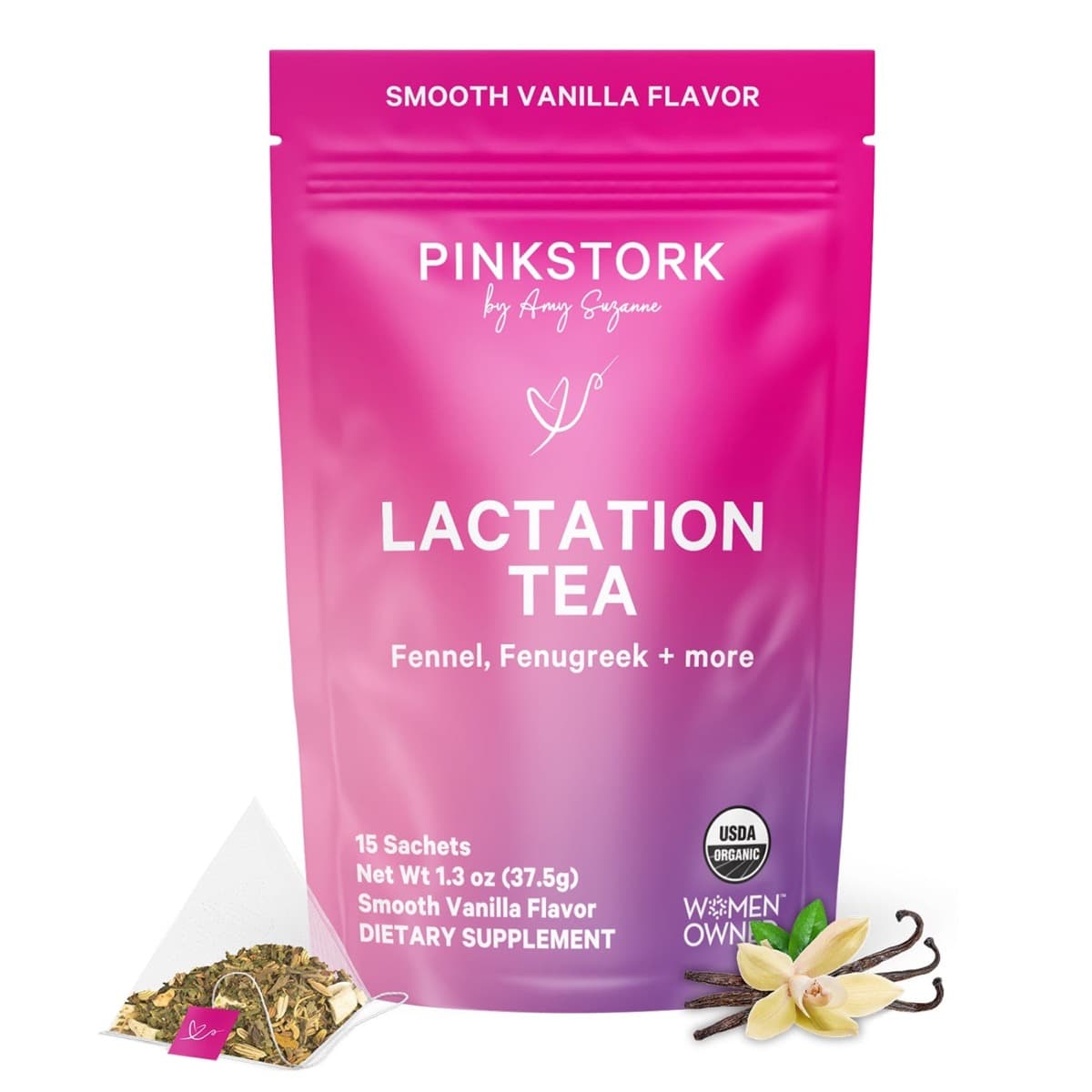
Photo: Pink Stork 2Pink StorkWhole-leaf nursing tea, vanilla flavorLactation Tea - Smooth Vanilla
Pink Stork describes this as a whole-leaf USDA Organic herbal tea blend made with seven USDA Organic herbs, and the package shown carries the USDA Organic label. The herbs the page names are fenugreek, fennel, milk thistle, anise, stinging nettle and blessed thistle.
Good to know: The brand says it is not for use during pregnancy. The product page does not name all seven herbs or the certifier, so read the box. Its milk supply claims are the brand's and are not evaluated by the FDA.
Checked against: pinkstork.com
View at Pink Storkpinkstork.com
- 3Traditional MedicinalsRaspberry leaf blend, every herb listed
Pregnancy Tea
- USDA Organic
- Certified B Corporation
Traditional Medicinals shows the USDA Organic and B Corp marks on this tea's product page. The ingredients listed are organic raspberry leaf, stinging nettle leaf, spearmint leaf, fennel fruit, rose hip, alfalfa and lemon verbena leaf. It is sold in tea bags as an herbal supplement.
Good to know: The label says to consult your doctor before use if you are pregnant or breastfeeding, and not to use it if you are allergic to plants of the parsley family. The brand's pregnancy support claim has not been evaluated by the FDA.
Checked against: traditionalmedicinals.com
View at brand sitetraditionalmedicinals.com
Products with a photo are shown first; otherwise the order says nothing about quality. Certifications can lapse: check the certifier’s database before you buy.
What the USDA Organic seal covers on a tea
Herbs are crops, so tea is one of the simpler products to certify. The USDA Organic seal means at least 95 percent of the ingredients, not counting salt and water, were grown and handled under the National Organic Program, and that a USDA-accredited certifier approved the label. A blend can say 100 percent organic only if every ingredient is.
The seal does not cover what the tea does. Most pregnancy and nursing teas are sold as herbal supplements. The FDA says it does not have the authority to approve dietary supplements before they are marketed, and it advises talking to a doctor, pharmacist or other health care professional before using one.
So you are reading two separate things on the box. The organic seal is verified by a certifier. The words about pregnancy or lactation are the brand's own. For everyday herbal and black teas with no pregnancy or nursing claims, see our organic tea page.
What NIH says about the herbs in nursing teas
The National Institutes of Health publishes two useful references here: LactMed, a database on drugs and herbs during breastfeeding, and the fact sheets of the National Center for Complementary and Integrative Health (NCCIH). Neither supports a promise of more milk.
LactMed repeats one sentence in each of these records: galactogogues should never replace evaluation and counseling on modifiable factors that affect milk production. In plain terms, see a lactation consultant about latch and feeding frequency before you rely on a tea.
| Herb | Evidence for milk supply | Safety notes from NIH |
|---|---|---|
| Fenugreek | NCCIH: uncertain, with mixed study results. LactMed cites two meta-analyses that disagree. | NCCIH: not safe in pregnancy above food amounts. Can cause allergic reactions. LactMed: possible cross-reaction with chickpeas and peanuts. |
| Fennel | LactMed: two small studies found increases in some measures. | LactMed: avoid if you or your baby are allergic to carrots, celery or related plants. |
| Raspberry leaf | LactMed: no scientifically valid clinical trials support this use. | LactMed: generally without side effects as a tea, but no safety data in nursing mothers or infants. |
Herbal teas during pregnancy
The evidence is thinner still for pregnancy. NCCIH says many dietary supplements have not been tested in pregnant women, nursing mothers or children, and that natural does not always mean safe. We did not find an NIH or ACOG page that reviews raspberry leaf tea for use in pregnancy, which is why this page makes no statement about it either way.
One herb does have a clear federal warning. NCCIH says fenugreek is not safe for use during pregnancy in amounts greater than those found in food, and that its use has been linked to increased risks of birth defects. Fenugreek is common in nursing teas, and both nursing teas listed here say on their own pages that they are not for use during pregnancy. Do not carry a nursing tea over from a previous baby into a new pregnancy.
Bring the box, or a photo of the ingredient panel, to your doctor or midwife. The same goes for capsules and tinctures, which are covered on our organic herbal supplements page, and for organic prenatal vitamins.
How to read the box
- 1
Find the seal and the certifier
The USDA seal is usually on the front. The certifier's name is on the side or back panel, in a line such as "Certified Organic by" followed by the certifier.
- 2
Read every herb
A full list lets your provider check each one. Our guide to reading a USDA organic label explains how organic ingredients are marked.
- 3
Read the warnings
Look for lines about pregnancy, allergies and when to stop. They are often in small print near the Supplement Facts panel.
- 4
Treat the name as a name
A tea called a pregnancy tea or a lactation tea has not been approved for that purpose by anyone.
Questions people ask
Does lactation tea increase milk supply?
It has not been shown to. NCCIH says it is uncertain whether fenugreek, a common herb in nursing teas, can increase milk supply, because studies have had mixed results. LactMed says no scientifically valid clinical trials support raspberry leaf for this use. If supply is a worry, see a lactation consultant, who can check latch, feeding frequency and your baby's weight.
Is organic pregnancy tea safe to drink while pregnant?
The organic seal cannot answer that. It certifies how the herbs were grown. NCCIH says many dietary supplements have not been tested in pregnant women, and one tea listed here tells buyers on its own label to consult a doctor before use if pregnant. Take the ingredient list to your doctor or midwife and ask about each herb.
Can I drink a nursing tea while I am pregnant?
The two nursing teas listed here both say on their product pages that they are not for use during pregnancy. Many nursing teas contain fenugreek, and NCCIH says fenugreek is not safe in pregnancy in amounts greater than those found in food. Ask your doctor or midwife before drinking any herbal tea sold for nursing while you are pregnant.
Are pregnancy and nursing teas approved by the FDA?
No. Teas sold as herbal supplements fall under dietary supplement rules, and the FDA says it does not have the authority to approve dietary supplements before they are marketed. Manufacturers are responsible for the safety and labeling of their own products. The FDA advises consumers to talk with a doctor or other health care professional before using a supplement.
Who should avoid fenugreek or fennel teas?
NCCIH says fenugreek can cause allergic reactions, including serious ones, and LactMed notes possible cross-reaction with chickpeas, peanuts and other legumes. LactMed says to avoid fennel if you or your baby are allergic to carrots, celery or other plants in the same family. Anyone pregnant should ask a doctor first, given NCCIH's warning on fenugreek.
Sources
Each page was opened and read on October 11, 2026.
- National Center for Complementary and Integrative Health (NIH): Fenugreek: Usefulness and Safety
- National Institutes of Health, Drugs and Lactation Database (LactMed): Fenugreek
- National Institutes of Health, Drugs and Lactation Database (LactMed): Fennel
- National Institutes of Health, Drugs and Lactation Database (LactMed): Raspberry
- National Center for Complementary and Integrative Health (NIH): Using Dietary Supplements Wisely
- U.S. Food and Drug Administration: Questions and Answers on Dietary Supplements
- USDA Agricultural Marketing Service: Labeling Organic Products
Keep reading
 DrinksOrganic TeaUSDA Organic black, green, oolong and herbal teas, with fair trade labels noted where confirmed.
 SupplementsOrganic Herbal SupplementsSingle-herb extracts and capsules with a stated organic certification, and the cautions that come with herbs.
 SupplementsOrganic Prenatal VitaminsPrenatal vitamins with a stated organic certification, and the questions to take to your ob-gyn.