Supplements & Wellness
Organic Herbal Supplements
An organic herbal supplement is one whose herb was certified under the USDA organic rules, which cover how the plant was grown and processed. That tells you nothing about whether the herb does anything, or whether it is safe with your medicines. The FDA does not approve supplements before sale. Ask your doctor or pharmacist first.
Not medical advice. This page describes labels and certifications. It is general information, and it does not replace your pediatrician, doctor or midwife, who know you and your child.
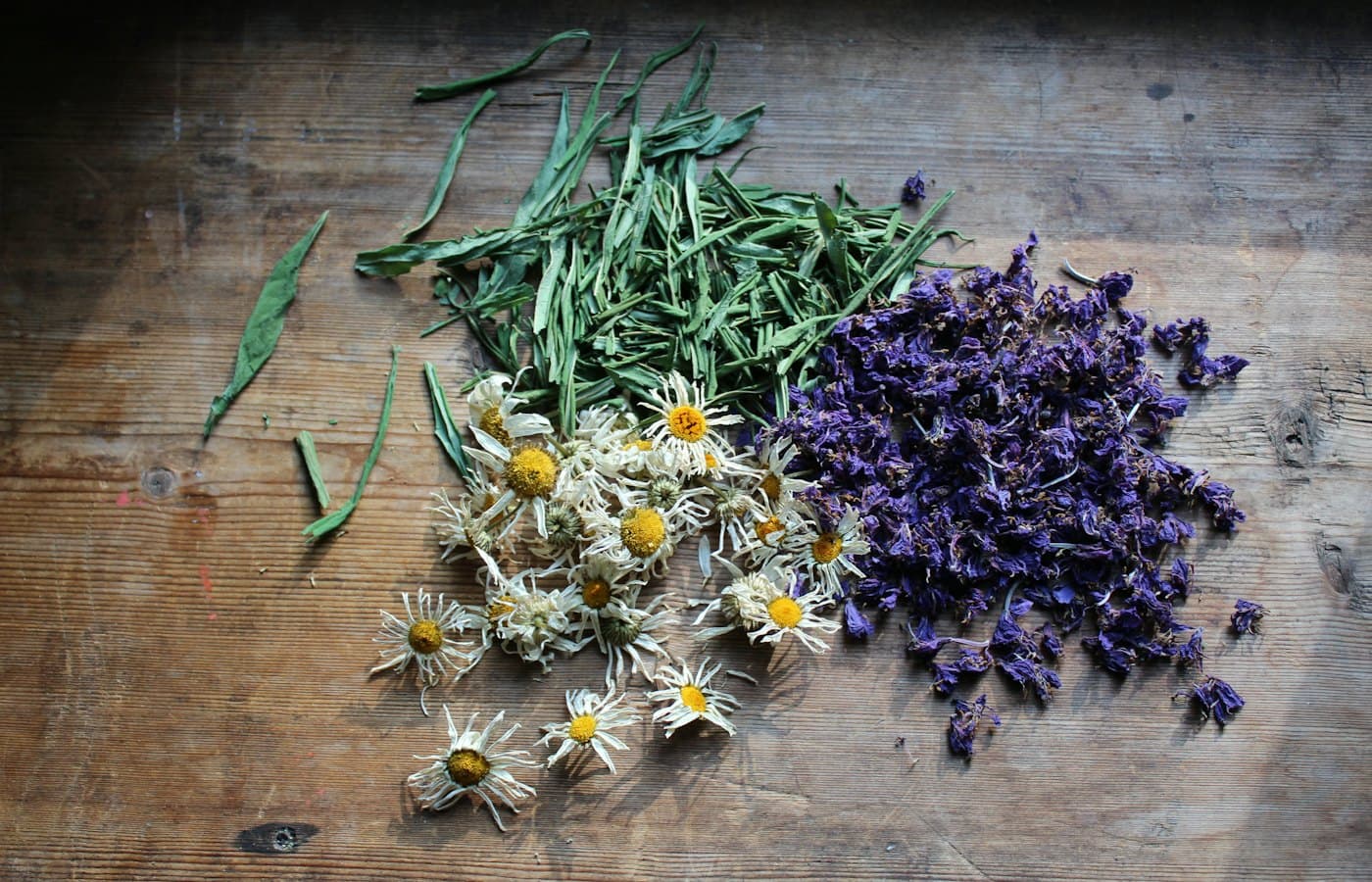
What organic means here
This page lists single-herb products whose brand page states USDA Organic or certified organic status, and notes Regenerative Organic Certified where the brand claims it. We name the herb and the form. We do not describe what any herb is used for, because those are health claims. Ask your doctor before taking any herb.
Look for
- The USDA Organic seal or "Certified organic by" with a certifier's name
- The plant's Latin name and the part used, such as root or leaf
- The extract's solvent and strength, including the alcohol content of a liquid
- The brand's own cautions for pregnancy, nursing, children and medication
Be wary of
- Any herb sold with a promise to treat, prevent or ease a condition
- Multi-herb formulas where you cannot tell how much of each herb you are getting
- "Wildcrafted" or "natural" used as if it meant certified organic
- Herbs for children, pregnancy or nursing bought without asking a doctor first
Products that carry the certification
We have not tested these products. Each one was checked against the brand’s own page and the certifier’s records. Product links may be affiliate links: if you buy through one we may earn a commission, at no extra cost to you. How we choose.
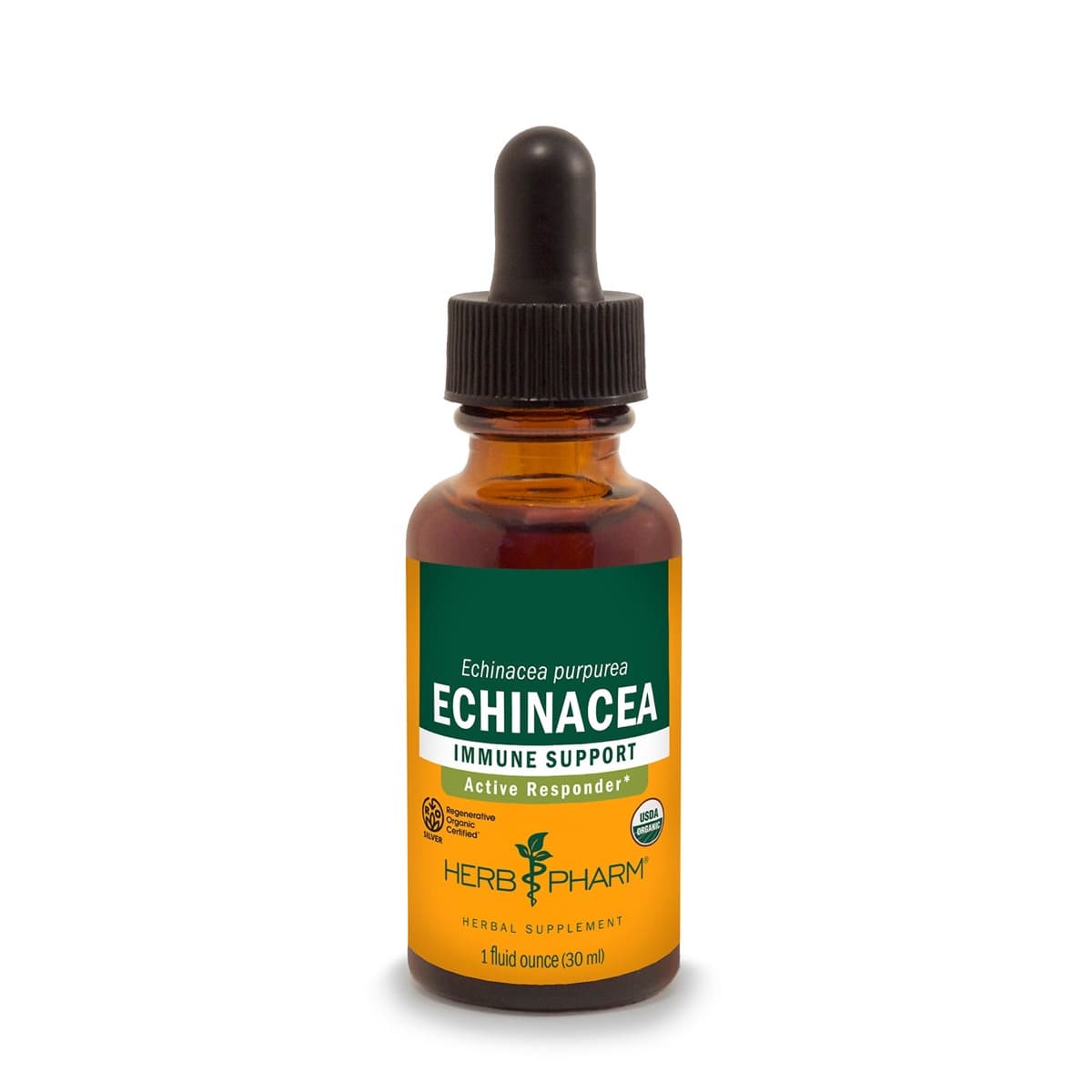
Photo: Herb Pharm 1Herb PharmLiquid extract, herb grown in the USEchinacea
A liquid extract of fresh Echinacea purpurea root. The product page lists the root as Regenerative Organic Certified and Certified Organic with the United States as country of origin, and the cane alcohol in the extract as certified organic as well.
Good to know: The page says "Certified Organic" without picturing the USDA seal. The extract lists 45 to 55 percent cane alcohol and adult directions only. The page makes immune claims that we do not repeat.
Checked against: herb-pharm.com
View at Herb Pharmherb-pharm.com
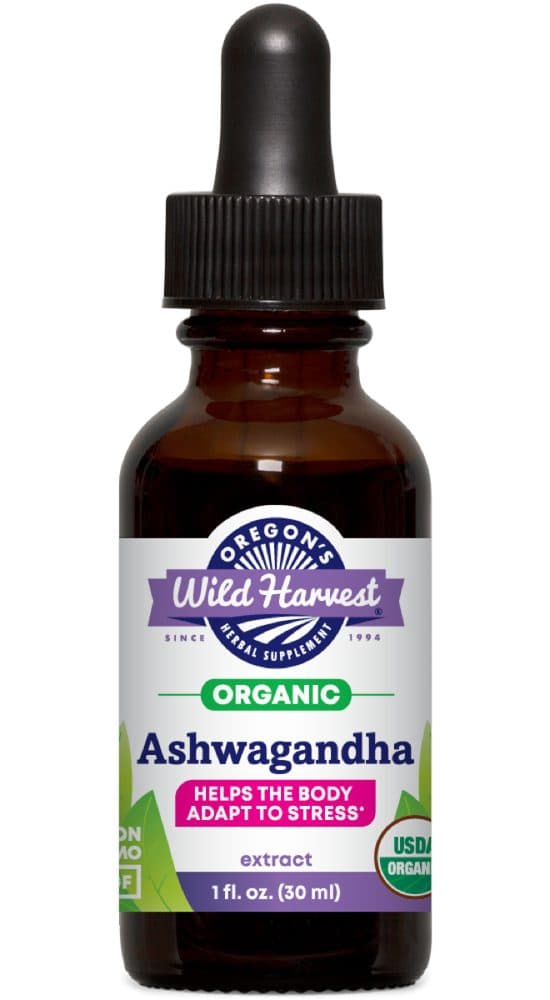
Photo: Oregon's Wild Harvest 2Oregon's Wild HarvestCertifier named on the pageAshwagandha, Organic Extract
A liquid ashwagandha extract made with certified organic alcohol. The product page states it is USDA Certified Organic by Oregon Tilth, vegetarian, and free from gluten, dairy and soy allergens, with no excipients, stearates or binders.
Good to know: The label says do not take if pregnant or nursing, and to consult a health care professional if taking medication. Contains alcohol.
Checked against: oregonswildharvest.com
View at brand siteoregonswildharvest.com
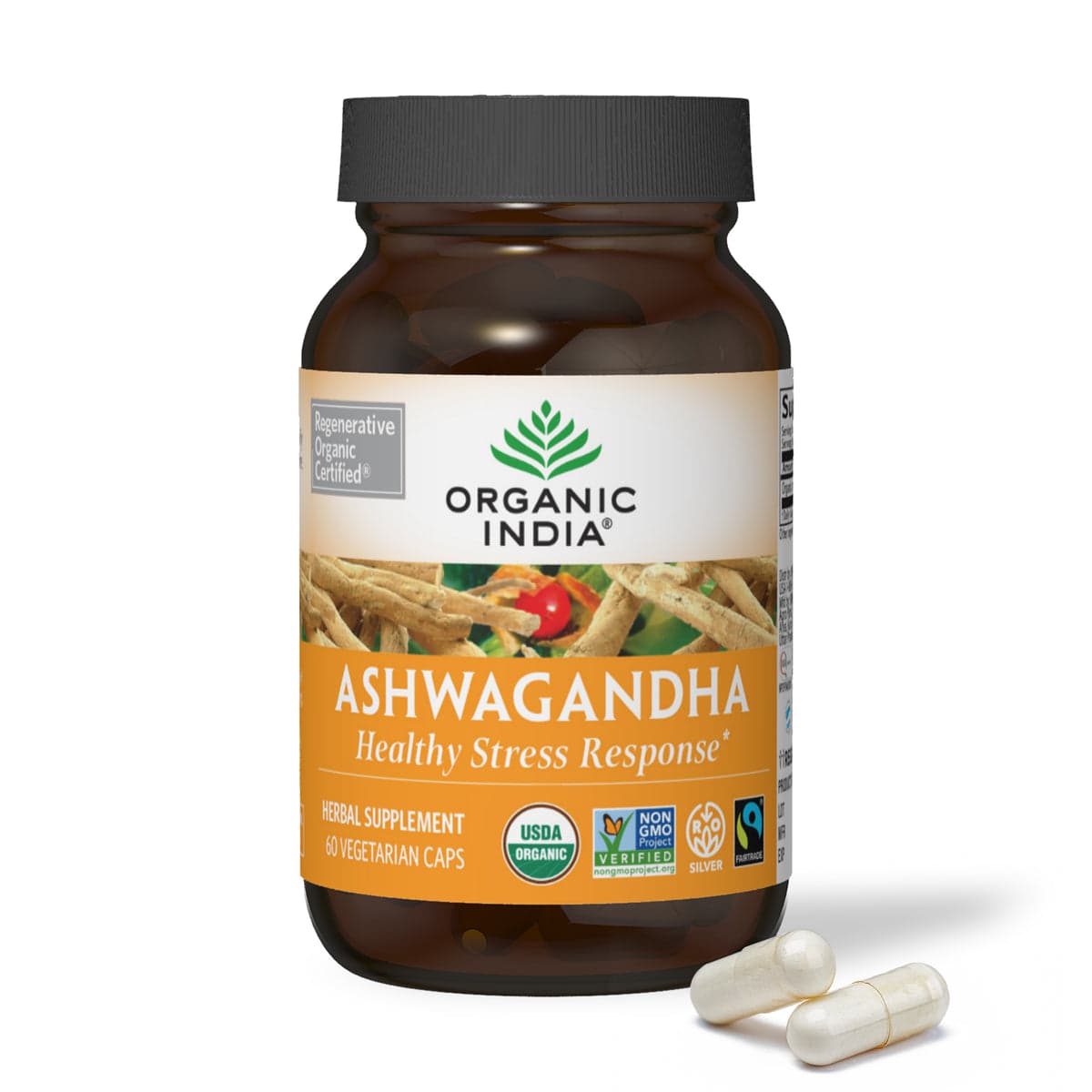
Photo: Organic India 3Organic IndiaWhole-root capsules, no alcoholAshwagandha Capsules
- USDA Organic
- Regenerative Organic Certified
- Non-GMO Project Verified
- Certified B Corporation
Capsules of organic ashwagandha root in organic pullulan capsules, with no other ingredients listed. The product page cites USDA Organic, Non-GMO Project Verified, kosher and Certified B Corporation standards and describes the herb as Regenerative Organic Certified.
Good to know: The page also says Fairtrade, which is a different program from Fair Trade Certified, so we do not list it. It makes sleep and stress claims that we do not repeat. Ask your doctor, especially if pregnant, nursing or on medication.
Checked against: shop.organicindiausa.com
View at brand siteshop.organicindiausa.com
- 4Gaia HerbsSingle-herb liquid, purity-tested badge
Valerian Root, Certified Organic
A liquid extract of organic valerian root. The product page shows USDA Organic and Purity-Tested badges and lists the product as vegan and free of soy, gluten and dairy. The brand says its site shows where ingredients were grown and the quality tests they passed.
Good to know: The label says it is not for use during pregnancy or lactation and tells people with a medical condition or on medication to consult a health care practitioner. The page notes shipping limits for this product.
Checked against: gaiaherbs.com
View at Gaia Herbsgaiaherbs.com
Products with a photo are shown first; otherwise the order says nothing about quality. Certifications can lapse: check the certifier’s database before you buy.
What organic certification means for an herb
Herbs are crops, so the USDA Organic rules apply to them directly. A product sold as organic must contain at least 95 percent organic ingredients, not counting salt and water. In a liquid extract, the alcohol or glycerin is an ingredient too, which is why some labels state that the alcohol is certified organic.
Regenerative Organic Certified is a separate program that builds on organic certification with soil, animal welfare and farmworker requirements. Neither label tests whether an herb has any effect on the body.
Herbs can act like drugs, and interact with them
The NIH Office of Dietary Supplements says many supplements contain active ingredients that can have strong effects on the body. It gives St. John's wort as an example: it can speed the breakdown of many medicines and reduce their effectiveness, including some antidepressants, birth control pills and heart medications.
The same fact sheet says some supplements can increase the risk of bleeding or change your response to anesthesia if taken before surgery. And it reminds readers that natural does not always mean safe, naming comfrey and kava as botanicals that can harm the liver.
How herbal supplements are regulated
The FDA says it does not have the authority to approve dietary supplements for safety and effectiveness, or to approve their labeling, before they are sold. The National Center for Complementary and Integrative Health, part of the NIH, adds that the rules for making and distributing supplements are less strict than those for prescription or over-the-counter drugs.
Supplement labels cannot claim to diagnose, treat or prevent a disease. They can describe an effect on the body's structure or function, and the NIH explains that such statements must carry a disclaimer that the FDA has not evaluated them. When you see that disclaimer, the claim above it is the company's own.
Reading an herbal label
- Latin name and plant part: "Echinacea purpurea root" tells you more than "echinacea".
- Form: a liquid extract, a powder in a capsule and a tea are different preparations of the same plant. Teas are covered on our organic tea page.
- Other ingredients: alcohol, glycerin, capsule material and any fillers.
- Certifier: the "Certified organic by" line. Our guide on how to read a USDA organic label explains the tiers.
- Cautions: brands often print pregnancy, nursing and medication warnings on the label. Read them, then ask your doctor anyway.
Questions people ask
Does organic certification mean an herbal supplement is safe?
No. Organic certification covers how the herb was grown and processed. The NIH Office of Dietary Supplements says a supplement's safety depends on its chemical makeup, how it works in the body, how it is prepared and the amount you take, and that natural does not always mean safe. Ask your doctor or pharmacist about any herb before you take it.
Does the FDA approve herbal supplements?
No. The FDA states it does not have the authority to approve dietary supplements for safety and effectiveness, or to approve their labeling, before they are sold. The FDA can act against adulterated or misbranded supplements once they are on the market. Companies are responsible for having evidence that their products are safe.
Can I take herbal supplements with prescription medicine?
Not without checking. The NIH Office of Dietary Supplements says supplements can interact with medicines in ways that might cause problems, and advises getting your health care provider's approval before taking a supplement in place of, or in combination with, prescribed medicines. Your pharmacist can check a specific herb against your medication list.
Are herbal supplements appropriate during pregnancy or while nursing?
Ask your doctor or midwife before taking any. The NIH says many supplements have not been well tested for safety in women who are pregnant or nursing, and advises caution with anything beyond a standard prenatal. Two of the products on this page state on their own labels that they are not to be taken during pregnancy or nursing.
What is the difference between USDA Organic and Regenerative Organic Certified?
USDA Organic is the federal standard for how crops are grown and processed. Regenerative Organic Certified is a private program that starts from organic certification and adds requirements for soil health, animal welfare and social fairness for farmworkers. Neither one evaluates whether an herb works or is safe for you, so the questions for your doctor stay the same.
Sources
Each page was opened and read on October 11, 2026.
- NIH Office of Dietary Supplements: Dietary Supplements: What You Need to Know
- NIH National Center for Complementary and Integrative Health: Using Dietary Supplements Wisely
- FDA: FDA 101: Dietary Supplements
- USDA Agricultural Marketing Service: Labeling Organic Products
- Regenerative Organic Alliance: Regenerative Organic Certified
Keep reading
 DrinksOrganic TeaUSDA Organic black, green, oolong and herbal teas, with fair trade labels noted where confirmed.
 Maternity & PostpartumOrganic Pregnancy & Nursing TeasUSDA Organic pregnancy and nursing teas, what is in them, and what NIH says about the herbs.
 SupplementsOrganic Essential OilsCertified organic essential oils for scent, with the safety rules for children, pets and swallowing.