Food and fiber
Regenerative Organic Certified: what the seal adds to organic
Regenerative Organic Certified is an add-on to organic, not a replacement for it. A farm must already hold USDA Organic certification or a recognized international equivalent, then meet extra requirements in three areas: soil health and land management, animal welfare, and fairness for farmers and workers. Farms certify at Bronze, Silver or Gold.
What it certifies
- USDA Organic certification, or a recognized international equivalent, as the entry requirement
- Soil health and land management practices on the farm
- Animal welfare, where the operation raises animals
- Fairness for farmers and farmworkers
- A certification level (Bronze, Silver or Gold) checked by annual recertification audits
- The share of certified content needed before a product may show the seal
What it does not
- The word "regenerative" on its own: without the full seal name, that word is not this certification
- The whole farm at Bronze or Silver: those levels can start with part of the land certified
- Any health or nutrition claim about the food
- Products with less than 70% certified content, which may not show the seal anywhere on the package
How to check a claim
Look for the full name, Regenerative Organic Certified, and the seal, which may be plain or marked Bronze, Silver or Gold. Then check the brand in the product directory and the farm in the certified farm and ranch directory on the Regenerative Organic Alliance website.
What Regenerative Organic Certified requires
The program is overseen by the Regenerative Organic Alliance, a nonprofit. Its rulebook is the Framework for Regenerative Organic Certified. The edition posted in the Alliance's resource library is Version 4.1, effective June 27, 2023. A revised framework went out for public consultation from March 11 to May 15, 2026, so expect a newer version.
The starting point is USDA Organic. The framework says an operation is not eligible at any level until it holds USDA organic certification or an international equivalent formally recognized by the National Organic Program. Everything sold as regenerative organic must also comply with the USDA organic regulations.
On top of that sit three pillars: Soil Health and Land Management, Animal Welfare, and Farmer and Worker Fairness. Each pillar lists required practices for each level, and an operation must meet 100% of the required practices for the level it claims.
Bronze, Silver and Gold levels
The level describes the farm, not the recipe. The framework calls Bronze the beginning level and Gold the highest achievable level. Practices that are optional at Bronze become required as a farm moves up. Annual recertification audits are required at all levels.
- Bronze: at least 10% of the operation's fiber or food producing land is certified at first, reaching at least 50% by year five. The certified share may instead be measured as at least 10% of revenue from food or fiber.
- Silver: at least 50% of that land or revenue is certified at first, reaching at least 75% by year five.
- Gold: 100% of the operation's fiber or food producing land is certified, representing 100% of its revenue from food or fiber.
How much certified content a product needs
A separate document, the Labeling Guidelines and Terms of Use (Version 3.4, effective July 2, 2025), sets what a package may say. Percentages are figured by weight or volume, leaving out water and salt. A Gold claim must be marked as Gold. Bronze and Silver may use the plain seal. When levels are mixed in one product, the claim drops to the lowest level or names no level.
| Claim on the package | Certified content | Seal allowed |
|---|---|---|
| 100% Regenerative Organic Certified | 100% | Yes |
| Regenerative Organic Certified | At least 95% | Yes |
| Made with Regenerative Organic Certified (up to three named ingredients or food groups) | At least 70% and under 95% | No |
| Named in the ingredient list only | Under 70% | No |
Who audits, and how it compares with other labels
Audits are done by third-party certifying bodies approved by the Alliance. To avoid repeat inspections, the framework lets a farm show compliance through certifications it already holds, and it names Animal Welfare Approved and Demeter Biodynamic as examples. Auditors then check only the requirements those certifications do not already cover.
Compared with USDA Organic alone, the seal adds soil, animal welfare and labor criteria that the organic regulations do not set in the same way. Compared with an uncertified "regenerative" claim, it has a published rulebook and a yearly audit behind it. The guidelines do not allow the bare phrase "regenerative organic" on a package without the full certified name.
Where you will see the seal
The framework covers farms and ranches plus transport, slaughter and certain processing facilities that produce food, fiber and botanicals. On this site, the places you are most likely to run into it are pantry staples and drinks: grains, rice and pasta, cooking oils and coffee.
It also appears on textiles, with its own content rules. For a textile claim, every processor in the supply chain must be certified to GOTS or to Textile Exchange's Organic Content Standard.
Questions people ask
Is Regenerative Organic Certified the same as USDA Organic?
No. It is built on top of it. A farm has to be certified organic under the USDA National Organic Program, or a recognized international equivalent, before it can apply. Regenerative Organic Certified then adds its own requirements for soil health, animal welfare and fairness to farmers and workers, checked by a separate annual audit.
What is the difference between Bronze, Silver and Gold?
The levels measure how much of the farm is in the program and how many practices are required. Bronze can start with 10% of the land or revenue certified, Silver with 50%, and Gold requires 100%. Bronze and Silver farms must raise their share by year five. Practices that are optional at a lower level become required at the next one.
Does a product labeled "regenerative" meet this standard?
Only if it carries the full Regenerative Organic Certified name or seal. "Regenerative" by itself is not this certification. Under the Alliance's labeling guidelines, a product needs at least 95% certified content to use the name and seal, or 70% for a "Made with" statement that cannot show the seal.
Does Gold mean every ingredient in the product is Gold?
For a "100% Regenerative Organic Certified Gold" claim, yes: the guidelines require 100% Gold material. When a product mixes Gold with Silver or Bronze ingredients, the claim has to drop to the lowest level present or use the plain seal with no level. Up to 5% of a product with the standard claim can be uncertified material that still meets USDA organic rules for nonorganic ingredients.
Sources
Each page was opened and read on October 11, 2026.
- Regenerative Organic Alliance: home page and program overview
- Regenerative Organic Alliance: Framework for Regenerative Organic Certified, Version 4.1 (PDF)
- Regenerative Organic Alliance: Labeling Guidelines & Terms of Use, Version 3.4 (PDF)
- Regenerative Organic Alliance: Certification Resource Library
- Regenerative Organic Alliance: ROC Framework Revision
Where this label matters most
 Food & PantryOrganic Grains, Rice & PastaWhat the USDA Organic seal means on rice, grains and pasta, and why gluten-free and whole grain are separate claims.
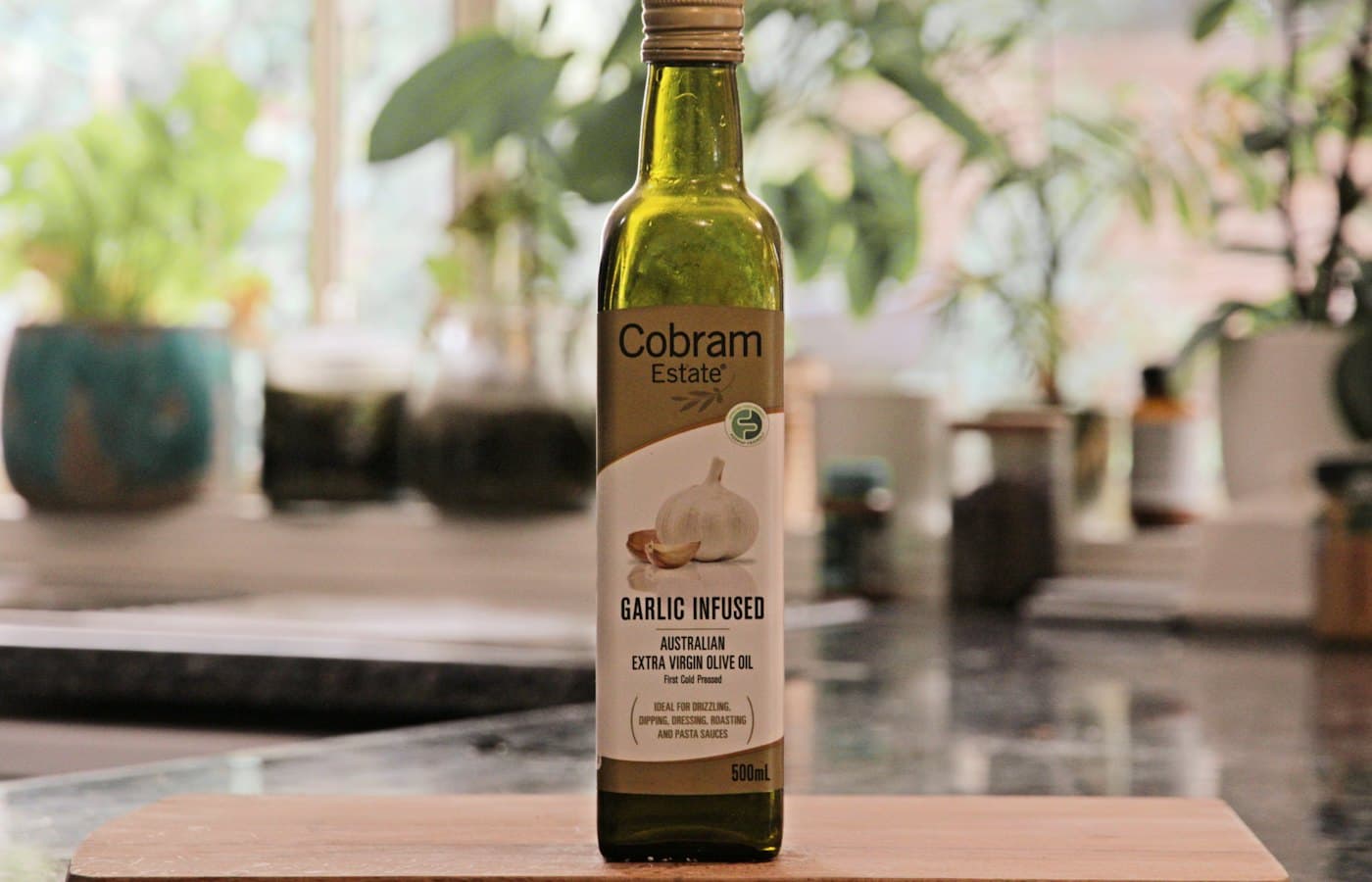 Food & PantryOrganic Cooking Oils & VinegarsWhat organic means on olive oil, coconut oil and vinegar, and why extra virgin and cold-pressed are separate claims.
 DrinksOrganic CoffeeUSDA Organic coffee, and what Fair Trade, Bird Friendly and the frog seal add or leave out.