Organic Food & Pantry
Organic Grains, Rice & Pasta
Organic rice, grains and pasta are grown on land kept free of prohibited substances for three years, without genetic engineering, and handled so they never mix with conventional grain. Look for the USDA Organic seal and the certifier's name. The seal says nothing about gluten, whole grain content or nutrition.
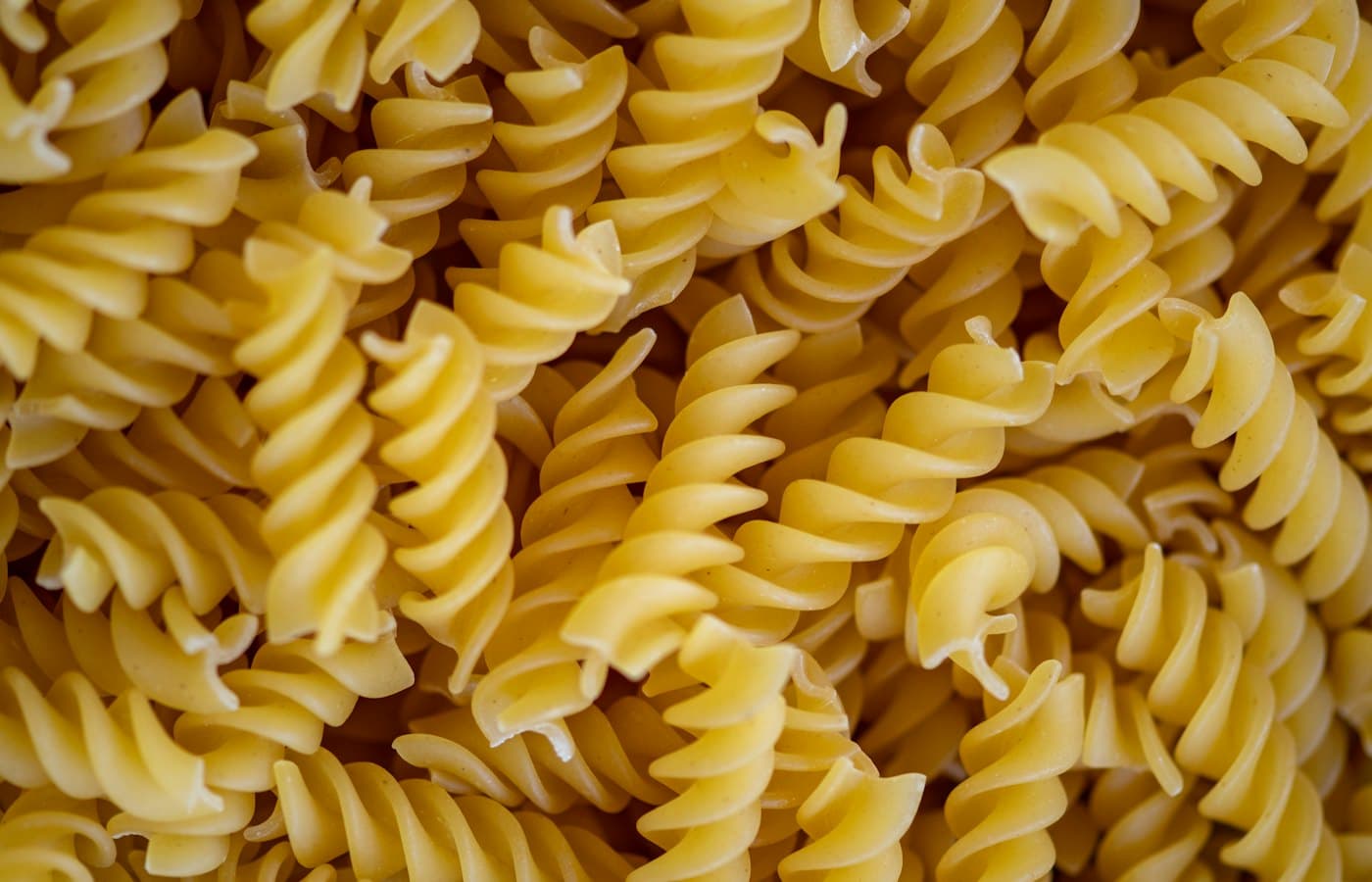
What organic means here
Grains, rice and pasta are farm products, so the standard is the USDA Organic seal, which requires at least 95 percent organic ingredients. Regenerative Organic Certified is accepted too, because that program requires products to hold USDA organic certification or an approved equivalent first. "Made with organic" products are not listed.
Look for
- The USDA Organic seal and the "Certified organic by" line on the back or side panel
- A short ingredient list: plain rice, grains and dry pasta are often a single organic ingredient
- A separate gluten-free certification if you need one, since organic does not cover gluten
- The words whole grain or whole wheat in the ingredient list if that is what you want
Be wary of
- "Made with organic wheat" or "made with organic grains", a lower tier that cannot carry the seal
- "Non-GMO" alone, which is not an organic claim and does not cover how the crop was grown
- "Natural" or "ancient grains" used as if they meant organic
Products that carry the certification
We have not tested these products. Each one was checked against the brand’s own page and the certifier’s records. Product links may be affiliate links: if you buy through one we may earn a commission, at no extra cost to you. How we choose.
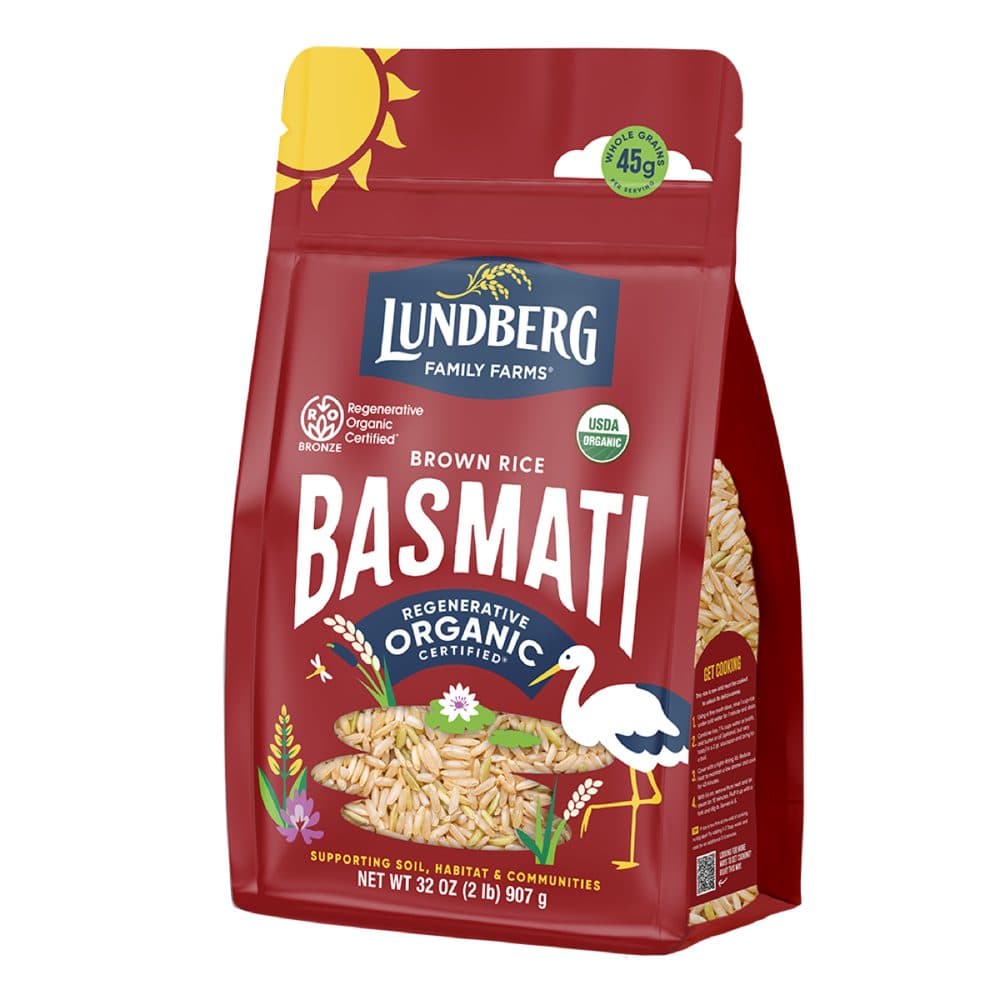
Photo: Lundberg Family Farms 1Lundberg Family FarmsCalifornia-grown whole grain riceOrganic Brown Basmati Rice
- USDA Organic
- Regenerative Organic Certified
- Non-GMO Project Verified
- Certified Gluten-Free
A brown basmati rice that the brand lists as USDA Organic, Regenerative Organic Certified, Non-GMO Project Verified and Certified Gluten-Free. The product page says it is California grown and describes the regenerative organic practices used to grow it.
Good to know: Not every Lundberg product carries all four certifications. Check each package, especially the seasoned and ready-to-heat rice.
Checked against: lundberg.com
View at brand sitelundberg.com
- 2Lotus FoodsROC Gold level white basmati
Regenerative Organic White Basmati Rice
A white basmati rice whose single ingredient is listed as Regenerative Organic Certified white rice. The brand states that it is certified at the program's Gold level. Regenerative Organic Certified products must also hold USDA organic certification or an approved international equivalent.
Good to know: The product page names Regenerative Organic Certified but does not show the USDA Organic seal in its text, so confirm the seal and certifier on the bag. Other Lotus Foods rice is organic without the regenerative certification.
Checked against: lotusfoods.com · regenorganic.org
View at Lotus Foodslotusfoods.com
- 3JovialWhole grain einkorn wheat pasta
Organic Einkorn Whole Wheat Spaghetti
A dry spaghetti made from einkorn, which the brand calls the original wheat, using 100% of the whole grain. The product page displays the USDA Organic seal and lists 5 grams of fiber and 8 grams of protein per serving.
Good to know: Einkorn is wheat, so this pasta contains gluten and is not suitable for a gluten-free diet. The brand sells separate gluten-free pastas.
Checked against: jovialfoods.com
View at Jovialjovialfoods.com
Products with a photo are shown first; otherwise the order says nothing about quality. Certifications can lapse: check the certifier’s database before you buy.
What the USDA Organic seal covers on grains
For a crop such as rice, wheat or oats, the USDA Organic rules start in the field. The land must have had no prohibited substances applied for at least three years before harvest. Fertility is managed through crop rotation, cover crops and approved inputs. Genetic engineering, ionizing radiation and sewage sludge are prohibited.
The rules then follow the grain through the mill and the pasta plant. Handlers must keep organic products from mixing with non-organic ones and protect them from contact with prohibited substances. That chain of custody is what separates a certified product from one that simply says it started with organic wheat.
Some rice and grain brands add Regenerative Organic Certified. That program sits on top of organic certification and adds requirements for soil health and farmworker fairness.
How to read the label tiers
A bag of plain rice is usually one ingredient, so it either is organic or is not. Pasta, grain blends and seasoned rice have more room for mixed claims. USDA recognizes four label categories, and our guide to reading a USDA organic label covers each in detail.
| Label wording | Organic content | USDA seal allowed |
|---|---|---|
| 100 percent organic | All ingredients organic, not counting salt and water | Yes |
| Organic | At least 95 percent organic ingredients | Yes |
| Made with organic (named ingredients) | At least 70 percent organic ingredients | No |
| Organic named only in the ingredient list | Less than 70 percent | No |
Gluten-free and non-GMO are separate claims
Organic certification does not test for gluten. In the United States, the FDA sets the meaning of gluten-free on a label: the food must contain less than 20 parts per million of gluten, and it cannot contain an ingredient that is any type of wheat, rye or barley. Einkorn is a type of wheat, however traditional it sounds.
Rice is a different plant, but if you need to avoid gluten, look for a gluten-free claim on the package and do not rely on the organic seal. If you have celiac disease, your doctor or dietitian is the right person to ask about specific products.
Non-GMO overlaps with organic in one direction only. Organic rules prohibit genetic engineering, so an organic product already meets that bar. A product with only a Non-GMO Project Verified mark has made no claim about pesticides, fertilizers or soil.
What organic does not tell you
Organic is not a whole grain claim. White rice and refined semolina pasta can be certified organic, and so can their whole grain versions. If you want whole grain, read the ingredient list for the word whole.
It is also not a nutrition or freshness claim. Protein, fiber and cooking time depend on the grain and how it is milled. For flour and baking mixes, see our page on organic flour and baking.
Questions people ask
Is organic pasta gluten-free?
Not unless it says so. Most organic pasta is made from wheat, which contains gluten. Under the FDA's rule, a food labeled gluten-free must contain less than 20 parts per million of gluten and cannot contain any type of wheat, rye or barley as an ingredient. Organic certification does not address gluten at all.
Is organic rice non-GMO?
Yes, in the sense that the USDA organic regulations prohibit genetic engineering, along with ionizing radiation and sewage sludge. A certified organic rice has been produced without those methods. Some brands add Non-GMO Project verification as well, which is a separate program with its own testing and paperwork.
What does made with organic wheat mean?
It is the third USDA label tier. A product labeled "made with organic" wheat or another named ingredient must contain at least 70 percent organic ingredients. It may not display the USDA Organic seal anywhere on the package, and it may not be represented as an organic product overall.
Is Regenerative Organic Certified rice also organic?
Yes. The Regenerative Organic Alliance requires certified products to maintain current certification to the USDA National Organic Program or an approved international equivalent. The regenerative program then adds its own requirements, which it groups under soil health, animal welfare and farmworker fairness.
Does organic mean whole grain?
No. Organic describes how a grain was grown and handled, not how much of the kernel is left after milling. Organic white rice and organic refined pasta are common. To find a whole grain product, look for whole wheat, brown rice or another whole grain named first in the ingredient list.
Sources
Each page was opened and read on October 11, 2026.
Keep reading
 Food & PantryOrganic Flour & BakingCertified organic flours for bread, cookies and everyday baking, and how to read the bag.
 Food & PantryOrganic Canned Beans, Tomatoes & BrothCertified organic canned beans, tomatoes and broth, with what each brand says about its can lining.
 Food & PantryOrganic Cooking Oils & VinegarsWhat organic means on olive oil, coconut oil and vinegar, and why extra virgin and cold-pressed are separate claims.
 GuideOrganic on a budgetThe USDA Organic seal means the same thing at every price. Here is where to spend first and how to pay less for it.
 GuideOrganic vs natural vs non-GMOThree words that sit side by side on the shelf. One is federal law, one is barely defined, one is a private standard.