Organic Food & Pantry
Organic Cooking Oils & Vinegars
An organic oil or vinegar starts with a certified organic crop and is processed under rules that prohibit volatile synthetic solvents. Look for the USDA Organic seal or a named certifier such as CCOF. Extra virgin, cold-pressed, unrefined and raw describe grade or processing. They are not organic claims, and organic is not a quality grade.
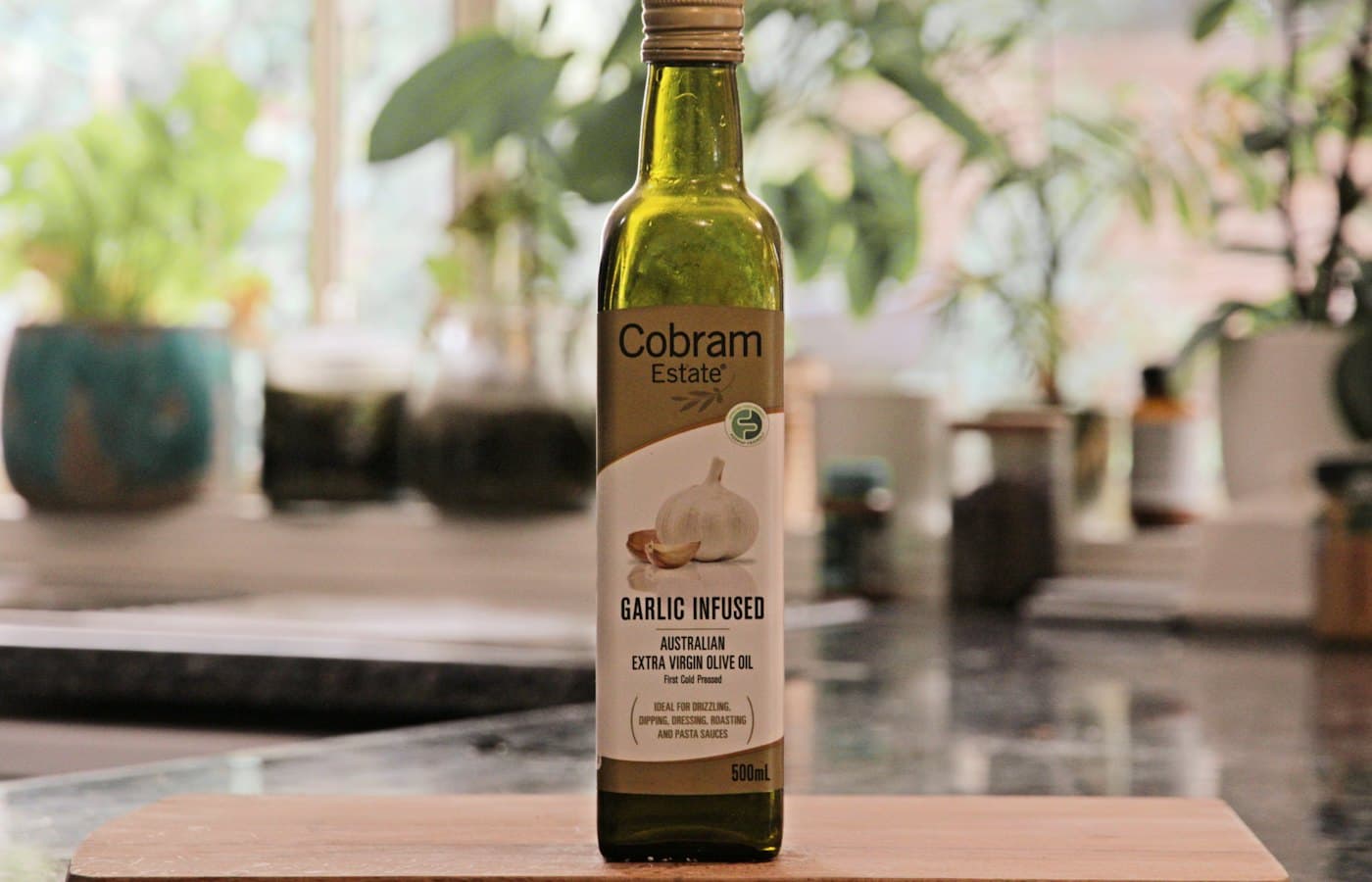
What organic means here
Olives, coconuts, seeds and apples are crops, so oils and vinegars made from them can be certified to the USDA organic regulations. This page lists products whose brand pages state that they are certified organic or Regenerative Organic Certified, which requires organic certification first. Quality terms such as extra virgin are noted separately.
Look for
- The USDA Organic seal or a certifier's mark, plus the "Certified organic by" line
- The grade or method you want stated separately: extra virgin, virgin, expeller-pressed, refined
- One ingredient on a plain oil, and a short list on a vinegar
- For flavored oils and blends, whether the whole product or only the base oil is certified
Be wary of
- "Extra virgin" or "cold-pressed" presented as if it meant organic
- "Made with organic olive oil" on a blend or dressing that does not carry the seal
- "Pure", "natural" and "light", which say nothing about how the crop was grown
Products that carry the certification
We have not tested these products. Each one was checked against the brand’s own page and the certifier’s records. Product links may be affiliate links: if you buy through one we may earn a commission, at no extra cost to you. How we choose.
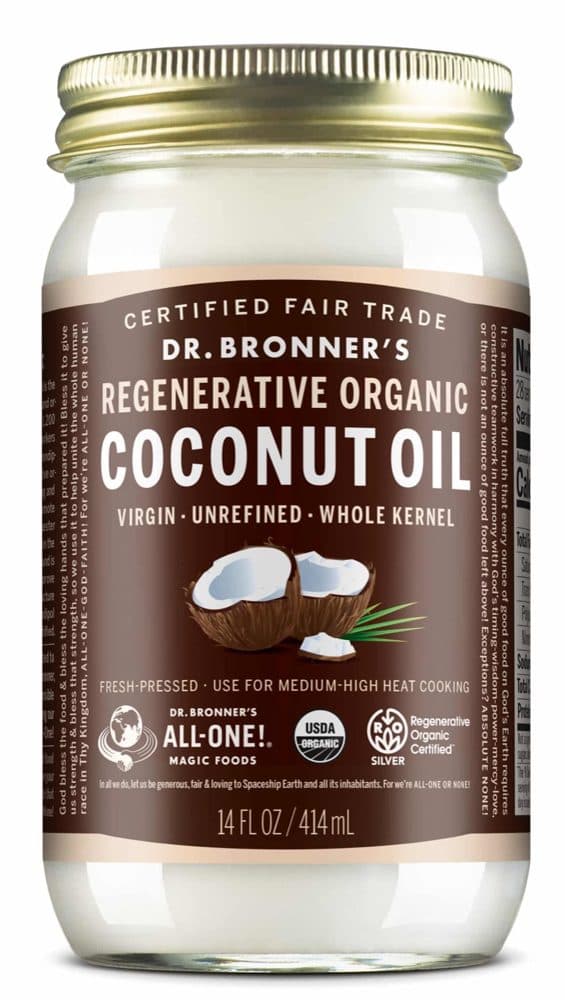
Photo: Dr. Bronner's press kit 1Dr. Bronner'sSingle-ingredient coconut oil in glassOrganic Whole Kernel Virgin Coconut Oil
An expeller-pressed virgin coconut oil with one ingredient, which the brand lists as Regenerative Organic Certified virgin coconut oil and a certified fair trade ingredient. Regenerative Organic Certified products must also hold USDA organic certification or an approved equivalent. It is sold in a glass jar.
Good to know: The page does not name the fair trade certifier, so we have not listed a fair trade certification here.
Checked against: drbronner.com · regenorganic.org
View at brand sitedrbronner.com
- 2McEvoy RanchEstate-grown California olive oil
Certified Organic Extra Virgin Olive Oil
An extra virgin olive oil that the ranch describes as certified organic, estate grown and cold-pressed, made from olives grown at its ranch in Petaluma, California. The olive oil page displays a CCOF Certified Organic mark, which names the certifier.
Good to know: The same page sells small-batch flavored oils. Check each bottle for the certified organic statement instead of assuming it carries over.
Checked against: mcevoyranch.com
View at brand sitemcevoyranch.com
- 3BraggRaw, unfiltered apple cider vinegar
Organic Apple Cider Vinegar
- USDA Organic
- Non-GMO Project Verified
- Certified B Corporation
A raw, unfiltered, naturally fermented apple cider vinegar made from two ingredients, organic apples and water. The product page lists it as USDA organic and Non-GMO Project verified, and the site carries a Certified B Corp badge.
Good to know: The brand's page describes the vinegar in wellness terms. Organic certification covers how the apples were grown and processed, not any health effect. We list it as a cooking ingredient.
Checked against: bragg.com
View at Braggbragg.com
Products with a photo are shown first; otherwise the order says nothing about quality. Certifications can lapse: check the certifier’s database before you buy.
What organic means for oils and vinegars
Two things have to be true for an oil or vinegar to carry the USDA Organic seal. The crop has to be certified organic, which means land free of prohibited substances for three years and no genetic engineering. And the mill, press or bottler has to follow the organic handling rules.
Those handling rules allow mechanical and biological methods, a list that includes pressing, heating, distilling, extracting and fermenting. They prohibit volatile synthetic solvents in products sold as organic or 100 percent organic. So an oil sold as organic cannot be extracted with one, whatever the crop.
There is one gap worth knowing. In a product labeled "made with organic" ingredients, the non-organic ingredients are not subject to the solvent rule. That is another reason to look for the seal and not only the word.
Organic, extra virgin and cold-pressed are different claims
Organic is about farming and handling. Extra virgin is a quality grade. USDA's grade standards define U.S. Extra Virgin Olive Oil as virgin olive oil with excellent flavor and odor and a free fatty acid content of not more than 0.8 grams per 100 grams. An oil can meet that grade without being organic, and an organic olive oil can be a lower grade.
| Term on the bottle | What it describes | Is it an organic claim |
|---|---|---|
| USDA Organic | How the crop was grown and how the oil or vinegar was processed, verified by a certifier | Yes |
| Extra virgin | A flavor and acidity grade for olive oil | No |
| Cold-pressed, expeller-pressed | How the oil was extracted | No |
| Unrefined, virgin, raw | How much processing followed extraction | No |
| Regenerative Organic Certified | Organic certification plus added soil, welfare and fairness standards | Yes, and more |
Vinegar: fermentation, the mother and what is certified
Vinegar is a fermented product, and fermenting is one of the methods the organic handling rules allow. An organic apple cider vinegar is made from organic apples. An organic wine or balsamic vinegar starts with organic grapes.
Raw, unfiltered and "with the mother" describe how a vinegar was finished. They are not regulated organic terms, and they appear on conventional vinegars too. Treat health statements on vinegar labels with the same caution as any other, and see our guide to spotting greenwashing for the general pattern.
How to check a bottle
- 1
Find the seal or certifier mark
Look for the USDA Organic seal or a certifier's logo such as CCOF on the front or back label.
- 2
Read the certified-by line
Packaged products sold as organic must name their certifier below the company's name and address. If you cannot find it, treat the organic claim as unverified.
- 3
Check blends and flavored oils
Infused oils, dressings and oil blends are multi-ingredient products. The seal means at least 95 percent organic ingredients. "Made with organic" means at least 70 percent and no seal.
- 4
Look up the company
Search the brand or bottler in the USDA Organic Integrity Database to see its certifier and status. Then season with organic spices held to the same standard.
Questions people ask
Is extra virgin olive oil organic?
Not automatically. Extra virgin is a quality grade based on flavor, odor and free fatty acid content. Organic is a certification of how the olives were grown and how the oil was handled. A bottle can be one, both or neither, so look for the USDA Organic seal or a named certifier in addition to the grade.
Can organic oils be extracted with hexane or other solvents?
The USDA organic handling rules prohibit the use of a volatile synthetic solvent in products sold as organic or 100 percent organic. They allow mechanical and biological methods such as pressing and extracting. The exception is the non-organic portion of a product labeled "made with organic" ingredients, which is not subject to that requirement.
Does cold-pressed mean organic?
No. Cold-pressed and expeller-pressed describe how the oil was squeezed from the fruit or seed. They say nothing about whether the crop was grown under organic rules. A cold-pressed oil from conventionally farmed olives is not organic, and the phrase is not verified by an organic certifier.
Is Regenerative Organic Certified oil also USDA organic?
Yes. The Regenerative Organic Alliance requires certified products to maintain current certification to the USDA National Organic Program or an approved international equivalent. The label then adds the program's own standards, which it describes as covering soil health, animal welfare and farmworker fairness.
Is organic apple cider vinegar different from regular?
The difference is in the apples and the handling. Organic apple cider vinegar is made from certified organic apples and processed under the organic rules. Whether a vinegar is raw, unfiltered or sold with the mother is a separate choice the maker makes, and conventional vinegars can be made that way as well.
Sources
Each page was opened and read on October 11, 2026.
- USDA Agricultural Marketing Service: Organic Standards
- eCFR: 7 CFR 205.270, Organic handling requirements
- USDA Agricultural Marketing Service: Olive Oil and Olive-Pomace Oil Grades and Standards
- USDA Agricultural Marketing Service: Labeling Organic Products
- eCFR: 7 CFR 205.303, Packaged products labeled "100 percent organic" or "organic"
- Regenerative Organic Alliance: Regenerative Organic Certified
Keep reading
 Food & PantryOrganic Spices & SeasoningsWhat the USDA Organic seal means on spices and seasoning blends, including the ban on irradiation.
 Food & PantryOrganic Canned Beans, Tomatoes & BrothCertified organic canned beans, tomatoes and broth, with what each brand says about its can lining.
 Food & PantryOrganic Nut Butters & SpreadsCertified organic peanut and almond butters, and what the jar's label does and does not promise.
 GuideOrganic vs natural vs non-GMOThree words that sit side by side on the shelf. One is federal law, one is barely defined, one is a private standard.