Organic Food & Pantry
Organic Spices & Seasonings
Organic spices are grown without prohibited substances or genetic engineering and cannot be treated with ionizing radiation, a step the FDA permits for conventional spices. Look for the USDA Organic seal and the certifier's name on the jar. On blends, check that the whole product is certified, not only one ingredient.
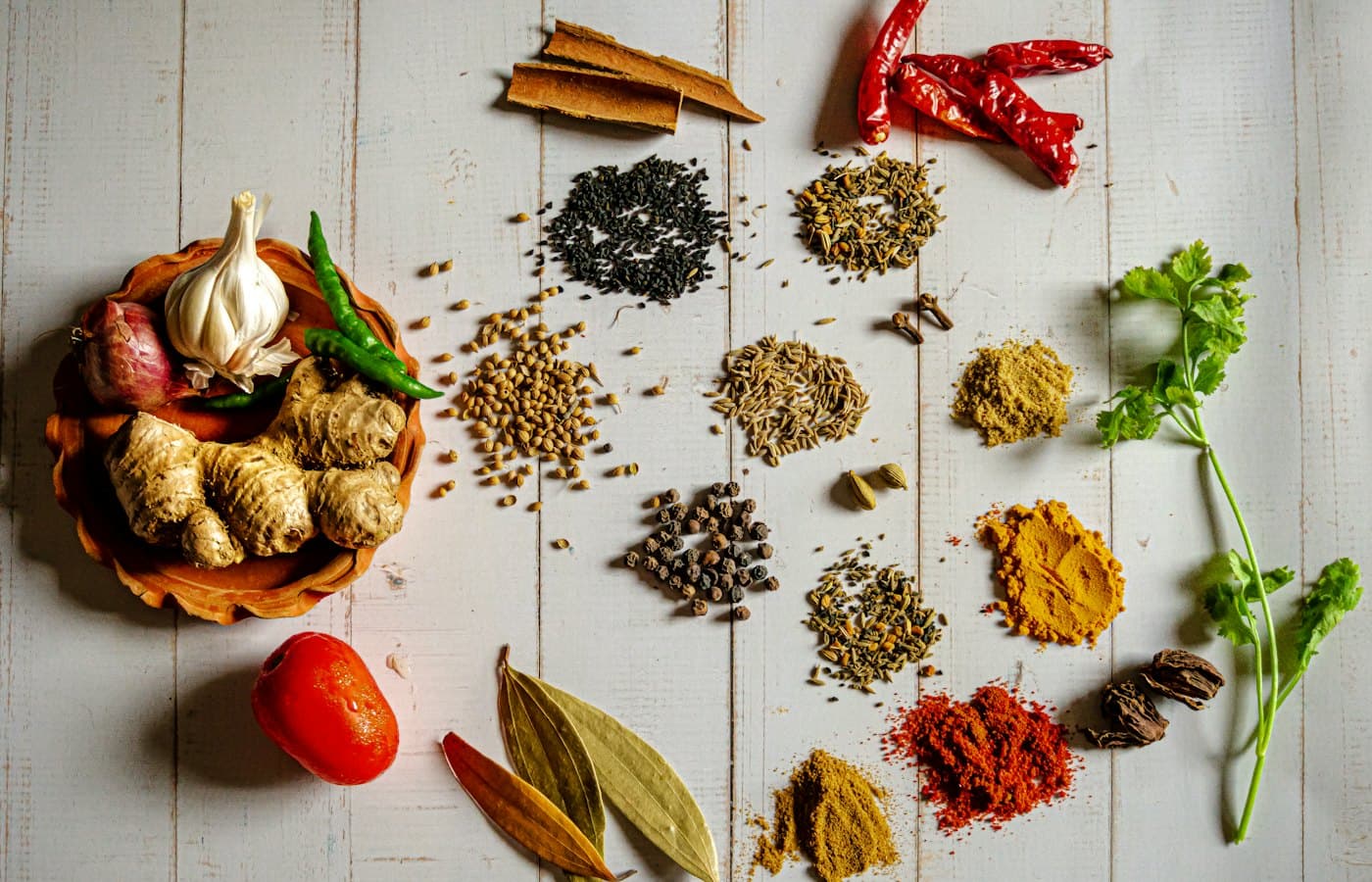
What organic means here
Spices and dried herbs are crops, so the standard is USDA Organic certification: at least 95 percent organic ingredients, not counting salt and water. Regenerative Organic Certified is noted where a spice also carries it. Blends labeled "made with organic" spices fall below that line and are not listed.
Look for
- The USDA Organic seal and a "Certified organic by" line naming the certifier
- On blends, every herb and spice marked organic in the ingredient list
- The full ingredient list on seasoning mixes, which can include sugar, starch and flavors
- A packed-on or use-by date, since certification says nothing about freshness
Be wary of
- "Made with organic spices" on a blend that does not carry the seal
- "Natural flavors" or "spices" listed without naming what they are
- "Organic sea salt" or "organic salt": under USDA rules, salt cannot be identified as organic
- "Non-irradiated" used alone as if it meant organic
Products that carry the certification
We have not tested these products. Each one was checked against the brand’s own page and the certifier’s records. Product links may be affiliate links: if you buy through one we may earn a commission, at no extra cost to you. How we choose.
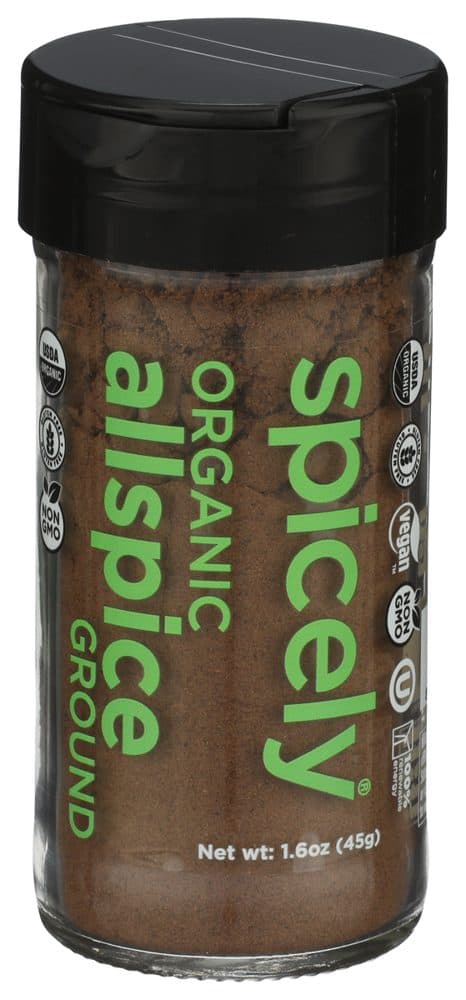
Photo: Spicely Organics 1Spicely OrganicsStated free of several allergensOrganic Ground Allspice
Ground allspice that the brand describes as organic, gluten free, non-GMO, kosher and vegan, with independent third-party certifications listed as organic and kosher. The page states the product does not contain irradiation, artificial coloring, preservatives, MSG, soy, tree nuts or peanuts.
Good to know: The page does not name the organic certifier, and the gluten-free and non-GMO statements are the brand's own. Check the package for the "Certified organic by" line.
Checked against: spicely.com
View at brand sitespicely.com
- 2Simply OrganicSingle ingredient, glass jar
Ground Cumin Seed
Ground cumin with one ingredient, organic cumin. The product page states that it is certified organic by QAI and kosher certified by KSA, and that it contains no GMOs, is not irradiated and is not treated with ETO. It is sold in a glass jar.
Good to know: The same brand sells seasoning mixes and sauces with longer ingredient lists. Read each one separately.
Checked against: simplyorganic.com
View at brand sitesimplyorganic.com
- 3Frontier Co-opCeylon cinnamon from Sri Lanka
Ceylon Cinnamon, Ground, Regenerative Organic Certified
Ground Ceylon cinnamon with one ingredient, organic Ceylon cinnamon, grown in Sri Lanka. The product page lists it as organic, Regenerative Organic Certified, fair trade, non-irradiated and non-ETO, and says it is packed in a glass bottle with a metal cap.
Good to know: The page marks the product as fair trade without naming the certifier, so we have not listed a fair trade certification. Frontier Co-op also sells spices that are not organic.
Checked against: frontiercoop.com
View at brand sitefrontiercoop.com
- 4Mountain Rose HerbsBlends from a certified processor
Organic Seasoning Blends
A range of organic seasoning blends, including bottled garlic pepper and garlic salt. The company states that it is a certified organic processor through Oregon Tilth Certified Organic, which is accredited with the USDA National Organic Program, and it offers its organic certificate on request.
Good to know: The company's catalog also includes items that are not certified organic. Its Non-GMO Project verification covers only a selection of products, so check each listing.
Checked against: mountainroseherbs.com · mountainroseherbs.com
View at brand sitemountainroseherbs.com
Products with a photo are shown first; otherwise the order says nothing about quality. Certifications can lapse: check the certifier’s database before you buy.
What the USDA Organic seal covers on spices
Spices are dried seeds, bark, roots and fruit, so the crop rules apply. Under the USDA Organic regulations, the land must have had no prohibited substances applied for three years before harvest, and genetic engineering, ionizing radiation and sewage sludge are prohibited.
The rules also cover every company that grinds, blends or repacks them: handlers must keep organic products from mixing with non-organic ones and protect them from prohibited substances. A spice that carries Regenerative Organic Certified has met the organic standard first and then added requirements.
Irradiation: allowed for conventional spices, prohibited for organic
The FDA lists spices and seasonings among the foods it has approved for irradiation. Irradiated foods must carry the Radura symbol and a statement such as "Treated with radiation", but the FDA does not require individual ingredients in multi-ingredient foods, such as spices, to be labeled.
That means a conventional seasoning mix can contain an irradiated spice without saying so. Organic rules prohibit ionizing radiation outright, so the organic seal is the one label that settles the question. Some brands also state that their spices are not treated with ethylene oxide (ETO). That is a brand statement, so look for it on the product page.
Reading a blend or seasoning mix
A jar of ground cumin has one ingredient. A taco seasoning or curry blend may have ten, and the label tier matters. The USDA Organic seal means at least 95 percent of the ingredients are organic. "Made with organic" spices means at least 70 percent, and the seal is not allowed.
Salt and water are left out of that percentage, and salt can never be identified as organic in the ingredient list. So a blend that is mostly salt can still carry the seal if everything else qualifies. On an organic product, each organic ingredient must be marked with the word organic or an asterisk.
For the oils and vinegars you cook them in, see organic cooking oils and vinegars.
How to check a spice jar
- 1
Find the seal and the certifier
Look for the USDA Organic seal, then the "Certified organic by" line near the company address. QAI, Oregon Tilth and CCOF are examples of certifier names you may see.
- 2
Read the whole ingredient list
On a blend, each organic ingredient should be marked. Anything unmarked is part of the non-organic share.
- 3
Look up the company
Search the brand or packer in the USDA Organic Integrity Database to confirm its status and certifier.
- 4
Buy amounts you will use
Certification does not keep a spice fresh. Smaller jars used sooner are a simple fix.
Questions people ask
Are organic spices irradiated?
No. The USDA organic regulations prohibit ionizing radiation, along with genetic engineering and sewage sludge, for any product sold as organic. Conventional spices and seasonings are among the foods the FDA has approved for irradiation, and the FDA does not require irradiated spices used as ingredients in other foods to be labeled.
Can salt be organic?
No. Salt is a mineral, not an agricultural product. Under the USDA labeling rules, water and salt are excluded when the organic percentage of a product is calculated, and neither can be identified as organic in the ingredient statement. A seasoning salt can carry the seal only because its other ingredients are organic.
What does made with organic spices mean on a blend?
It means the product contains at least 70 percent organically produced ingredients, not counting salt and water. It may name up to three organic ingredients or ingredient categories on the front. It may not display the USDA Organic seal and may not be represented as an organic product.
Does organic mean a spice has been tested for lead?
No. Organic certification verifies farming and handling practices. It is not a heavy metal test. The FDA handles lead in food separately, and in 2024 it issued an alert about elevated lead in certain ground cinnamon products. The FDA alert page lists the product names.
Are organic spices fresher or stronger?
Not because of the seal. Organic certification does not measure flavor, aroma or age. Freshness depends on when the spice was ground, how it was stored and how long it has been open in your kitchen. Whole spices generally keep their flavor longer than ground ones.
Sources
Each page was opened and read on October 11, 2026.
- USDA Agricultural Marketing Service: Organic Standards
- USDA Agricultural Marketing Service: Labeling Organic Products
- eCFR: 7 CFR 205.303, Packaged products labeled "100 percent organic" or "organic"
- FDA: Food Irradiation: What You Need to Know
- FDA: Alert Concerning Certain Cinnamon Products Due to Presence of Elevated Levels of Lead
Keep reading
 Food & PantryOrganic Cooking Oils & VinegarsWhat organic means on olive oil, coconut oil and vinegar, and why extra virgin and cold-pressed are separate claims.
 Food & PantryOrganic Flour & BakingCertified organic flours for bread, cookies and everyday baking, and how to read the bag.
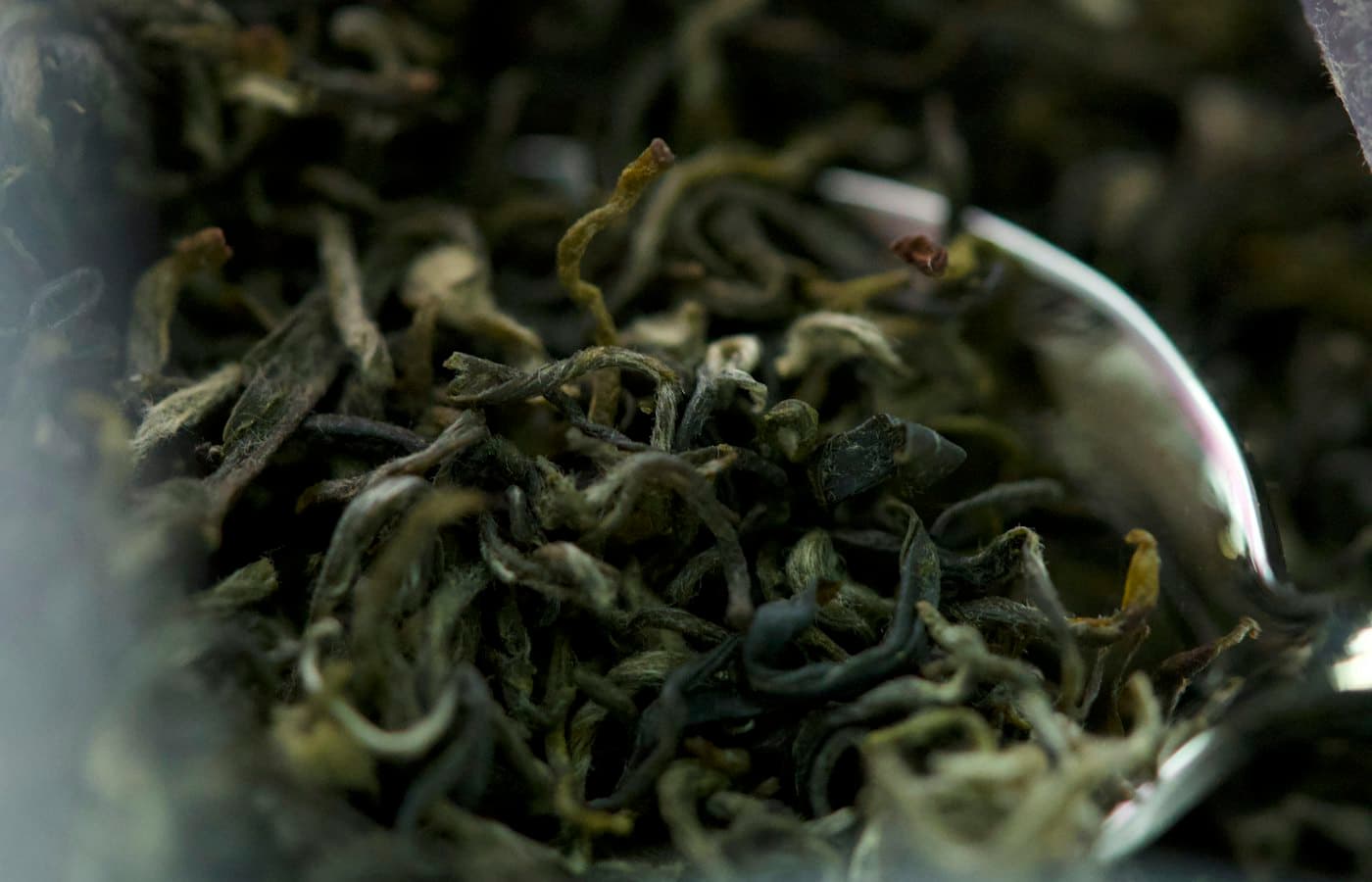 DrinksOrganic TeaUSDA Organic black, green, oolong and herbal teas, with fair trade labels noted where confirmed.