Organic Food & Pantry
Organic Flour & Baking
Organic flour is flour milled from grain grown and handled under the USDA organic rules, with the mill itself certified. Look for the USDA Organic seal or the words 'certified organic' plus a certifier's name on the bag. Unbleached, unbromated and non-GMO are separate claims, so check for each one you care about.
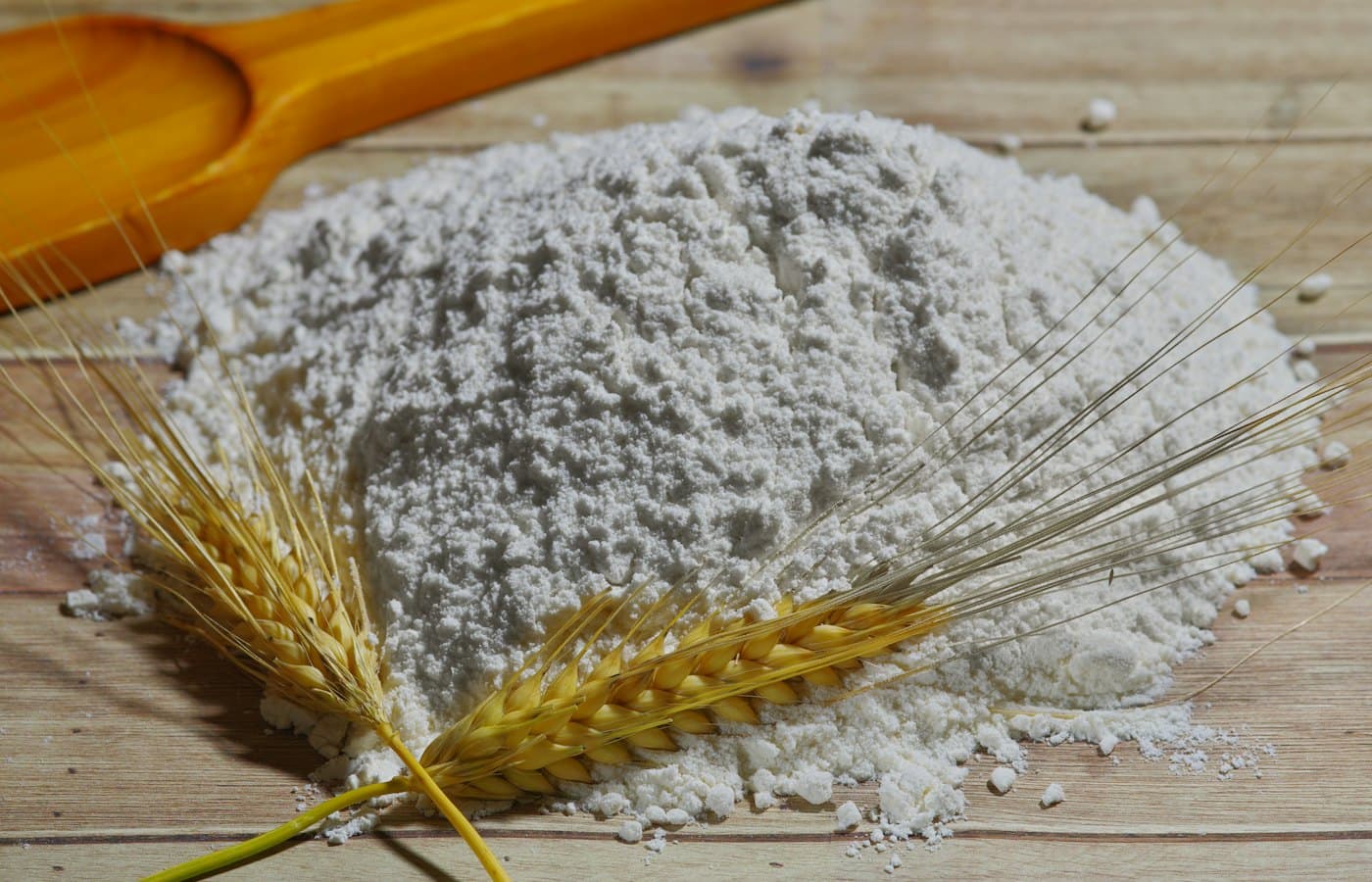
What organic means here
Flour is a farm product, so it can carry the USDA Organic seal, and that is what this page accepts. A single-ingredient flour is either certified or it is not. Non-GMO Project verification and glyphosate residue testing are noted where the brand shows them, but neither one replaces organic certification.
Look for
- The USDA Organic seal, or 'certified organic by' followed by a certifier's name near the ingredient list
- An ingredient list that names organic grain and nothing you did not expect
- 'Unbleached' and 'unbromated' stated on the bag if you want to avoid those treatments
- The allergen line: wheat is a major allergen, and some mills also handle soy or tree nuts
Be wary of
- 'Natural' or 'non-GMO' flour with no organic seal and no certifier named
- Baking mixes that say 'made with organic flour': that is a lower label tier and may not carry the seal
- Assuming an ancient grain such as einkorn or spelt is gluten free: both are wheat
Products that carry the certification
We have not tested these products. Each one was checked against the brand’s own page and the certifier’s records. Product links may be affiliate links: if you buy through one we may earn a commission, at no extra cost to you. How we choose.
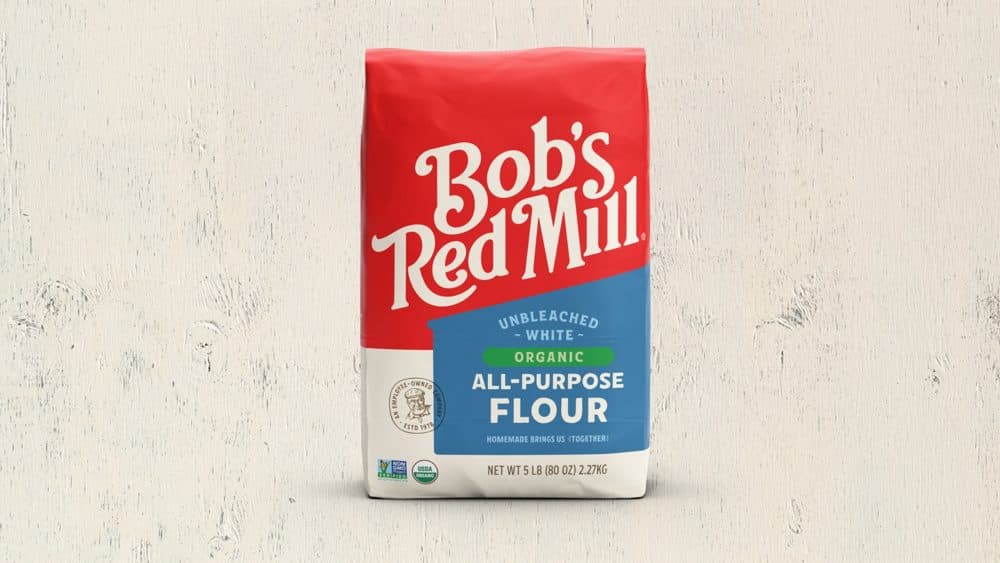
Photo: Bob's Red Mill press kit 1Bob's Red MillUnbleached all-purpose flourOrganic Unbleached White All Purpose Flour
An all-purpose wheat flour that the brand's product page describes as Certified Organic, Non-GMO Project Verified and kosher. The same page says it is unbleached, unenriched and never bromated, which covers the three questions most bakers ask about white flour.
Good to know: Unenriched means no added iron or B vitamins, unlike most conventional white flour. Contains wheat.
Checked against: bobsredmill.com
View at brand sitebobsredmill.com
- 2Central MillingMalted bread flour
Organic Artisan Bakers Craft Plus Flour
An unbleached, malted bread flour. The Certifications section of the product page lists it as 100% Organic, certified by the Utah Department of Agriculture and Food, and names the kosher certifier as well. The certifier is printed on the page, which makes the claim easy to check.
Good to know: The page says 'Non-GMO' without naming the Non-GMO Project, so we do not list that verification. This is a bread flour, not an all-purpose flour. Contains wheat.
Checked against: centralmilling.com
View at brand sitecentralmilling.com
- 3Arrowhead MillsOne ingredient: organic wheat flour
Organic Unbleached All-Purpose Flour
An unbleached all-purpose flour whose ingredient list is a single line, organic wheat flour, milled from hard wheat according to the product page. The brand's standards page tells shoppers to look for the USDA Certified Organic label on Arrowhead Mills products.
Good to know: The product page itself does not name a certifier, so confirm the seal and the certifier on the bag. Contains wheat.
Checked against: arrowheadmills.com · arrowheadmills.com
View at brand sitearrowheadmills.com
- 4JovialEinkorn wheat, one ingredient
Organic Einkorn All-Purpose Flour
- USDA Organic
- Glyphosate Residue Free
A flour made from einkorn, an old variety of wheat. The product page lists one ingredient, organic einkorn flour, and shows the USDA Organic seal and the Glyphosate Residue Free seal next to it.
Good to know: Einkorn is wheat. The brand states that it contains gluten and is not suitable for people with celiac disease. It also behaves differently from modern wheat in recipes.
Checked against: jovialfoods.com
View at Jovialjovialfoods.com
Products with a photo are shown first; otherwise the order says nothing about quality. Certifications can lapse: check the certifier’s database before you buy.
What the USDA Organic seal covers on flour
The seal on a bag of flour covers two things: how the grain was grown and how it was handled afterward. According to the USDA Agricultural Marketing Service, organic crops must come from land that has had no prohibited substances applied for at least 3 years before harvest, and genetic engineering, ionizing radiation and sewage sludge are prohibited.
The handling rules matter just as much for flour. Mills must keep organic grain from mixing with non-organic grain and protect it from contact with prohibited substances. Our page on USDA Organic explains who checks this and how often.
The seal says nothing about protein level, how finely the flour is milled, or how it bakes. Those are choices the miller makes.
Organic, non-GMO, unbleached: three different claims
Because the organic rules already prohibit genetic engineering, a certified organic flour does not need a second seal to cover that point. We explain the overlap on our Non-GMO Project Verified page.
| Claim on the bag | What it tells you | What it does not |
|---|---|---|
| USDA Organic | Grain grown and milled under the federal organic rules, checked by a certifier | Whether the flour is bleached, enriched or whole grain |
| Non-GMO Project Verified | The product met that program's standard for avoiding genetically engineered inputs | How the grain was farmed |
| Unbleached, unbromated | No bleaching agent or bromate was added at the mill | Anything about farming or certification |
How to check a flour claim yourself
- 1
Find the certifier
On a certified product the phrase 'certified organic by' and the certifier's name appear on the information panel, usually under the company's address.
- 2
Look up the mill
The USDA Organic Integrity Database is a public list of certified operations. Search the brand or mill name and confirm the status is current.
- 3
Read the tier
A baking mix has several ingredients, so the label tier matters. Our guide to reading a USDA organic label covers the four tiers.
Organic flour is still a raw food
Organic certification does not change food safety advice. The FDA describes flour as a raw food: milling grain into flour does not kill harmful bacteria, and cooking is the only way to be sure foods made with flour are safe.
The FDA's advice is plain. Never eat or taste raw flour, dough or batter, do not let children play with raw dough, and do not try to heat treat flour at home. That applies to every flour on this page.
Questions people ask
Is organic flour the same as unbleached flour?
No. Organic describes how the grain was grown and handled, and it is verified by a certifier. Unbleached describes one step at the mill. A flour can be unbleached without being organic. If both matter to you, look for both words on the bag, as on the picks above.
Does organic flour need a Non-GMO Project seal too?
It does not need one. The USDA organic standards prohibit genetic engineering, so a certified organic flour already excludes it. Some brands carry both seals, and the second one tells you the product also went through the Non-GMO Project's own verification. It is extra paperwork, not extra organic.
Is einkorn or spelt flour gluten free?
No. Einkorn and spelt are types of wheat. Jovial, which sells the einkorn flour listed here, states on its product page that einkorn contains gluten and is not suitable for people with celiac disease. Wheat is also one of the major food allergens named in US law.
What does 'made with organic flour' mean on a baking mix?
It is a lower label tier. The USDA says a 'made with organic' product must contain at least 70 percent organic ingredients and may not show the USDA Organic seal. A mix labeled simply 'organic' must contain at least 95 percent organic ingredients, not counting salt and water.
How do we choose the flours on this page?
We read the brand's own product page and its certification statements, and we list a flour only when the organic certification is stated there. We do not bake with them or compare results. The full method is on our how we choose page, and whole grains are covered under organic grains, rice and pasta.
Sources
Each page was opened and read on October 11, 2026.
Keep reading
 Food & PantryOrganic Grains, Rice & PastaWhat the USDA Organic seal means on rice, grains and pasta, and why gluten-free and whole grain are separate claims.
 Food & PantryOrganic SweetenersCertified organic cane sugar, maple syrup, coconut sugar and honey, and what the seal covers.
 Food & PantryOrganic Nut Butters & SpreadsCertified organic peanut and almond butters, and what the jar's label does and does not promise.