Organic Food & Pantry
Organic Sweeteners
An organic sweetener comes from a crop, a tree or a hive managed under the USDA organic rules, and the company that processes and packs it is certified too. Look for the USDA Organic seal and a named certifier. Organic changes how the sweetener was produced. It does not change how your body counts it: it is still added sugar.
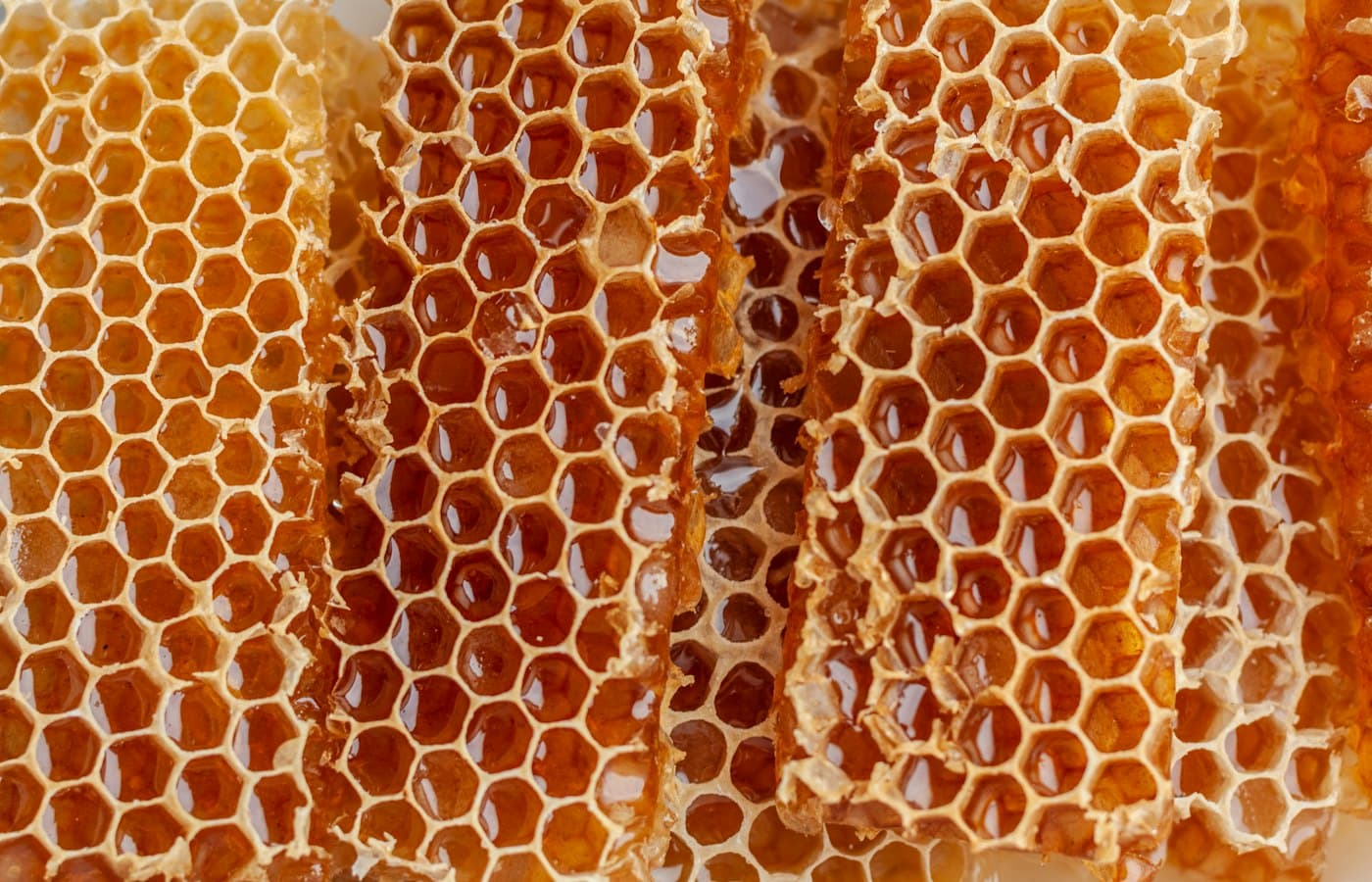
What organic means here
Cane sugar, maple syrup, coconut sugar, agave and honey are all farm products, so they can carry the USDA Organic seal, and that is what this page accepts. Regenerative Organic Certified is noted where a product carries it, since that program requires USDA organic certification as its base. Fair trade claims are noted separately.
Look for
- The USDA Organic seal and 'certified organic by' with a certifier's name
- A one-line ingredient list: organic cane sugar, organic maple syrup, organic honey
- Country of origin on honey and cane sugar, where the brand states it
- Which fair trade program is named, since several different ones exist
Be wary of
- 'Raw', 'pure' and 'natural' on sugar or honey: none of these is an organic claim
- Pancake syrup that says 'made with organic' something: check that maple syrup is the only ingredient if that is what you want
- Any suggestion that an organic sweetener is not added sugar: the FDA counts sugar, syrups and honey alike
Products that carry the certification
We have not tested these products. Each one was checked against the brand’s own page and the certifier’s records. Product links may be affiliate links: if you buy through one we may earn a commission, at no extra cost to you. How we choose.
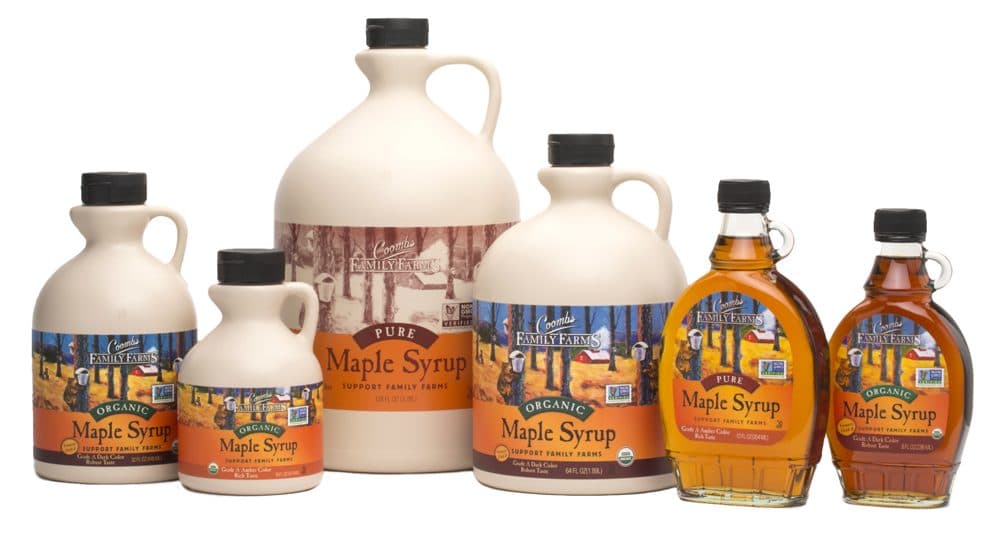
Photo: Coombs Family Farms press kit 1Coombs Family FarmsMaple syrup with a named certifierOrganic Maple Syrup
The brand states that its organic maple products are certified by Quality Assurance International and carry the USDA organic seal. It describes the certifier inspecting the forest, the sap collection system and the sugarhouse, including a check that trees are not over-tapped.
Good to know: The brand also sells maple syrup that is not organic under the name Pure Maple Syrup, so look for the word organic on the bottle.
Checked against: coombsfamilyfarms.com · coombsfamilyfarms.com
View at brand sitecoombsfamilyfarms.com
- 2WholesomeGranulated cane sugar for baking
Organic Fair Trade Cane Sugar
- USDA Organic
- Fair Trade Certified
A granulated cane sugar with one ingredient, organic cane sugar. The product page says the cane is grown and harvested at farms in South and Central America that follow organic standards, and it displays the organic and Fair Trade Certified seals alongside the product.
Good to know: The seals appear on the page as images under the line 'Many Wholesome products are qualified to use the following', so confirm both on the bag itself.
Checked against: wholesomesweet.com
View at Wholesomewholesomesweet.com
- 3Big Tree FarmsCoconut sugar, one ingredient
Brown Coconut Sugar
A granulated sugar made from a single ingredient, coconut blossom nectar, which the product page lists as Regenerative Organic Certified. The page says the nectar comes from the brand's farmer partners in Indonesia and is fair trade certified under the Fair for Life standard.
Good to know: The page names Regenerative Organic Certified, not the USDA seal, so we list only that. Fair for Life is a different program from Fair Trade Certified.
Checked against: bigtreefarms.com
View at brand sitebigtreefarms.com
- 4MadhavaHoney with stated origin
Organic Golden Honey
- USDA Organic
- Clean Label Project
A honey with one ingredient, organic honey. The product page shows the USDA Organic and Clean Label Project badges, says the honey was independently tested by the Clean Label Project, and states where it comes from: Mexico, Brazil and Argentina, bottled in the USA.
Good to know: This is imported honey. The page shows a 'Non-GMO' badge without naming a program, so we do not list one. Honey is not for babies under 12 months.
Checked against: madhavafoods.com
View at Madhavamadhavafoods.com
Products with a photo are shown first; otherwise the order says nothing about quality. Certifications can lapse: check the certifier’s database before you buy.
What the seal means on sugar, syrup and honey
For cane and coconut sugar, the seal covers the farm and every processor after it. The USDA organic crop standards require land free of prohibited substances for at least 3 years before harvest and prohibit genetic engineering, ionizing radiation and sewage sludge. Mills and packers must keep organic sugar from mixing with conventional sugar.
Maple syrup comes from a forest, not a field, but the same system applies: a certifier inspects the operation and the syrup maker's handling. Our USDA Organic page explains how certification and inspection work.
What the seal does not cover: flavor, color, grade, or how the workers who cut the cane were paid. Fair trade programs address that last point, and they are separate from organic.
Organic sugar is still added sugar
The FDA's definition of added sugars includes table sugar, sugars from syrups and honey, and sugars from concentrated fruit or vegetable juices. It makes no exception for organic versions.
The Dietary Guidelines for Americans recommend keeping added sugars below 10 percent of total daily calories, and the FDA sets the Daily Value at 50 grams a day based on a 2,000 calorie diet. Single-ingredient sweeteners such as maple syrup and honey show their percent Daily Value for added sugars on the Nutrition Facts label, so you can compare them directly.
The other seals you will see
See our pages on Regenerative Organic Certified and Non-GMO Project Verified for what each program checks.
| Seal or claim | What it adds | Is it organic? |
|---|---|---|
| Regenerative Organic Certified | Soil health, animal welfare and farmworker fairness requirements on top of organic | Yes: USDA organic certification is required first |
| Fair Trade Certified, Fair for Life | Standards for how farmers and workers are treated and paid | No: a separate question from farming method |
| Non-GMO Project Verified | Verification that genetically engineered inputs were avoided | No, though organic rules already prohibit them |
Honey and babies: the one safety rule
Honey can carry botulism spores. The American Academy of Pediatrics recommends that you do not give honey to a baby younger than 12 months, and that applies to organic, raw and pasteurized honey alike. If you are sweetening food for a baby or toddler, talk to your pediatrician first.
Questions people ask
Is organic sugar better for you than regular sugar?
Nutritionally, it counts the same. The FDA treats table sugar, syrups and honey as added sugars regardless of how they were produced, and the Daily Value is 50 grams a day on a 2,000 calorie diet. Organic certification tells you about farming and handling, not about the sugar in your cup.
Can maple syrup really be certified organic?
Yes. Maple syrup is an agricultural product, so producers can be certified under the USDA National Organic Program. One brand listed here, Coombs Family Farms, describes its certifier inspecting the forest, the sap lines and the sugarhouse. Look for the USDA Organic seal and the certifier's name on the bottle.
What is the difference between Fair Trade Certified and Fair for Life?
They are two different fair trade programs, each with its own standard and seal. Neither one is an organic certification. A sweetener can carry a fair trade seal without being organic, or be organic without one. We name the exact program each brand states.
Does Regenerative Organic Certified mean the product is also USDA organic?
Yes, in the sense that USDA organic certification is the starting point. The Regenerative Organic Alliance requires certified product to hold current certification to the USDA National Organic Program or an approved international equivalent, and then adds its own requirements for soil health, animal welfare and farmworker fairness.
Where should I start if I bake a lot?
Sugar is one ingredient among several. Our page on organic flour and baking covers flour, and the guide to eating organic on a budget helps you decide where organic is worth the extra cost in your kitchen.
Sources
Each page was opened and read on October 11, 2026.
Keep reading
 Food & PantryOrganic Flour & BakingCertified organic flours for bread, cookies and everyday baking, and how to read the bag.
 Food & PantryOrganic Nut Butters & SpreadsCertified organic peanut and almond butters, and what the jar's label does and does not promise.
 DrinksOrganic TeaUSDA Organic black, green, oolong and herbal teas, with fair trade labels noted where confirmed.