Baby & Family
Organic Maternity and Postpartum
Organic certification can tell you how the olive oil in a balm, the cotton in a nursing bra or the herbs in a tea were grown and processed. It cannot tell you that a product prevents stretch marks, heals anything or makes more milk. This department keeps those two questions apart, and sends the second to your doctor or midwife.
Not medical advice. This page describes labels and certifications. It is general information, and it does not replace your pediatrician, doctor or midwife, who know you and your child.

This department covers what you put on your skin, wear and drink through pregnancy and the months after birth. Balms, oils and teas made from farm ingredients can carry the USDA Organic seal, and the picks on our organic nipple balm and pregnancy and nursing teas pages do. Clothing and pads are textiles, so the label to look for there is GOTS, as on our maternity and nursing clothing page.
Some things cannot be certified organic at all. The wood pulp core of a disposable pad, the waterproof layer in a washable one and the elastane in a nursing bra are not crops. For those we say which part of the product the certification covers and list what the brand discloses about the rest. Our organic nursing pads page shows how narrow a true claim can be.
The larger limit is medical. The FDA says an ingredient's source does not determine its safety. ACOG says there is no proof that any product prevents stretch marks. NIH's NCCIH says it is uncertain whether fenugreek increases milk supply and that it is not safe in pregnancy in amounts greater than those found in food. So every page here describes what a product is and what it is certified for, cites what those bodies say, and leaves the health decision with you and your doctor, midwife or lactation consultant. Start with organic belly oil and butter to see how that works in practice.
Categories
 4 picksOrganic Belly Oil & ButterCertified organic belly oils and butters, and what ACOG says moisturizers can and cannot do.
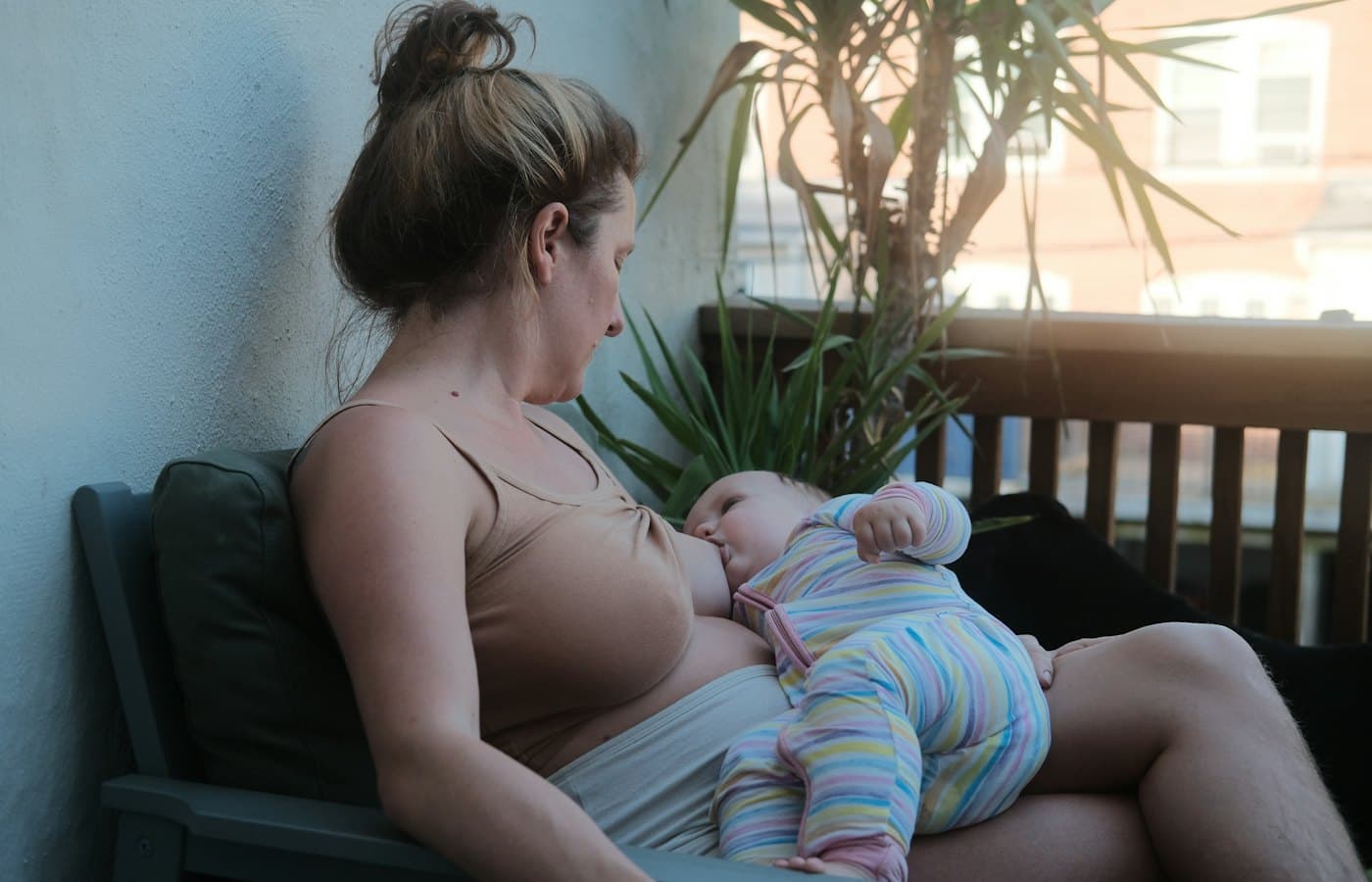 4 picksOrganic Nipple BalmUSDA Organic nipple balms with short ingredient lists, and what the seal does not tell you.
 4 picksOrganic Postpartum CareCertified organic perineal balms, sprays and postpartum pads, with ACOG's own recovery tips.
 4 picksOrganic Maternity & Nursing ClothingMaternity leggings and nursing bras with a GOTS claim you can check, fiber percentages included.
 3 picksOrganic Nursing PadsNursing pads made with GOTS certified organic cotton or wool, and which layer the claim covers.
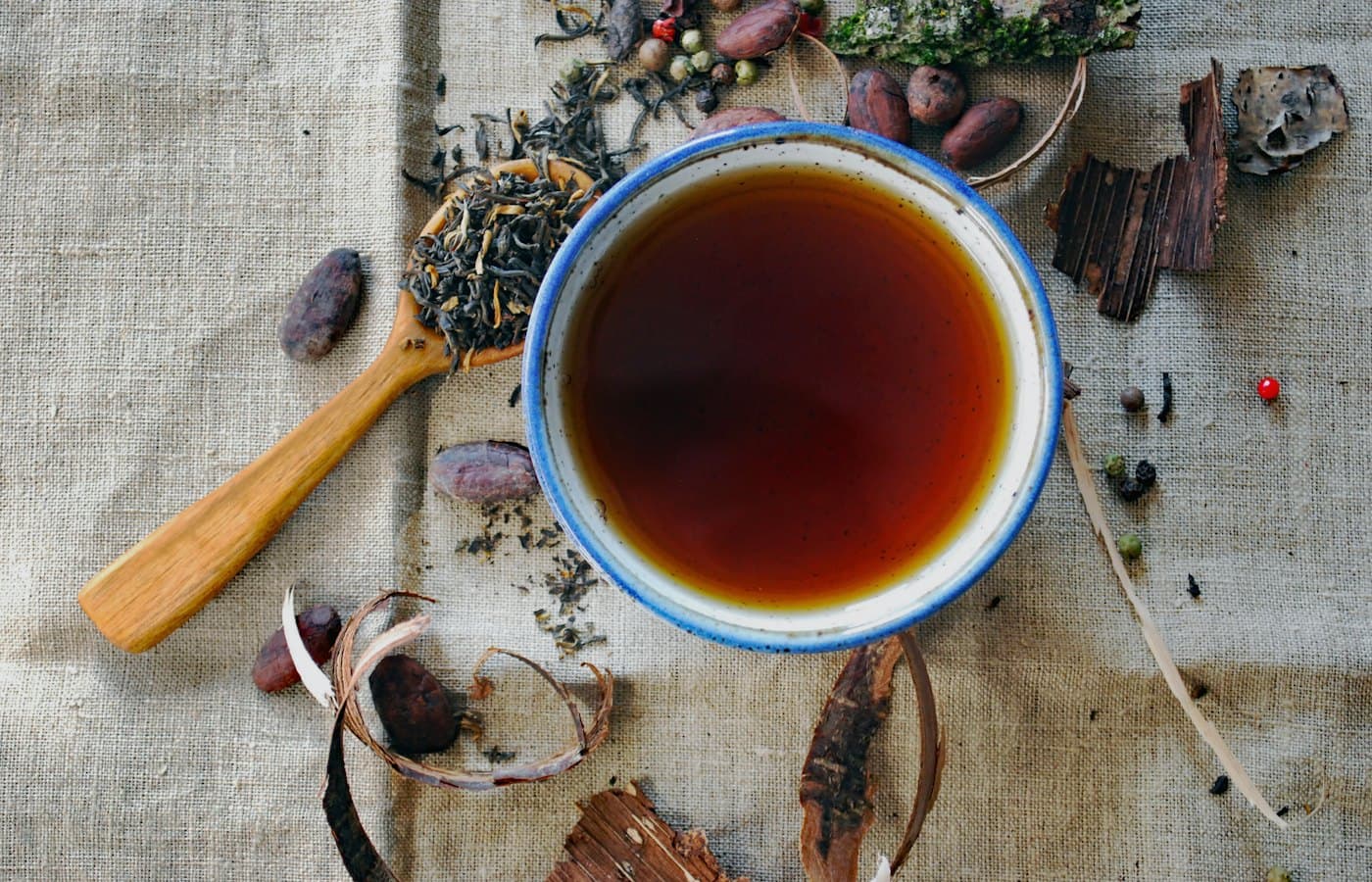 3 picksOrganic Pregnancy & Nursing TeasUSDA Organic pregnancy and nursing teas, what is in them, and what NIH says about the herbs.
Questions people ask
Are organic products safer during pregnancy?
Organic certification is not a safety rating. The FDA says an ingredient's source does not determine its safety, and that many plants contain substances that may be toxic or allergenic whether or not they are organically grown. Certification tells you how ingredients were farmed and handled. For questions about a specific ingredient or herb, ask your doctor or midwife.
Which organic label should I look for on maternity and postpartum products?
It depends on what the product is made of. Balms, oils and teas made from farm ingredients can carry the USDA Organic seal. Some lotions are certified to NSF/ANSI 305 instead. Clothing, cloth pads and the cotton in disposable pads fall under GOTS, the textile standard. In every case, look for a named certifier, not only the word organic.
Do you recommend herbal teas or supplements for pregnancy or milk supply?
No. We list teas that are certified organic and say what is in them. NIH's NCCIH says many dietary supplements have not been tested in pregnant women or nursing mothers, and that the evidence on fenugreek for milk supply is mixed. Whether to drink one is a question for your doctor, midwife or lactation consultant.
Have you tried these products?
No. We have not bought or used any product on this site. We read the brand's own product page and its certification claims on the date shown, and we say which part of the product each certification covers. Where a brand makes a comfort or health claim, we do not repeat it as fact.
Sources
Each page was opened and read on October 11, 2026.
- U.S. Food and Drug Administration: "Organic" Cosmetics
- American College of Obstetricians and Gynecologists: Skin Conditions During Pregnancy (FAQ)
- National Center for Complementary and Integrative Health (NIH): Fenugreek: Usefulness and Safety
- National Center for Complementary and Integrative Health (NIH): Using Dietary Supplements Wisely
- USDA Agricultural Marketing Service: Labeling Organic Products