Maternity & Postpartum
Organic Belly Oil and Belly Butter
A belly oil or butter is a moisturizer. It can carry the USDA Organic seal when at least 95 percent of its ingredients are certified organic, and that seal tells you how the plants were grown, not what the product does for your skin. ACOG says there is no proof that any product prevents stretch marks.
Not medical advice. This page describes labels and certifications. It is general information, and it does not replace your pediatrician, doctor or midwife, who know you and your child.

What organic means here
This page lists belly oils and butters certified under the USDA National Organic Program or to NSF/ANSI 305, with the certification stated on the brand's own product page. The word organic on a cosmetic is not defined by the FDA, so a certifier's name is the only part of the claim you can check. No pick here is listed for preventing stretch marks.
Look for
- The USDA Organic seal, or the words "certified to NSF/ANSI 305", on the package itself
- The certifier's name near the ingredient list, for example "Certified Organic by Oregon Tilth"
- A full ingredient list with each organic ingredient marked
- Whether the product is scented with essential oils, if you want to ask your doctor or midwife about them first
Be wary of
- "Prevents stretch marks" or "erases stretch marks": ACOG says there is no proof any product does this
- "Organic" in the product name with no seal and no certifier named anywhere on the label
- Retinol or retinoids in any stretch mark product: the American Academy of Dermatology says to check with your doctor first if you are pregnant or breastfeeding
- "Pregnancy safe" as a label claim: it is the brand's own statement, not a certification
Products that carry the certification
We have not tested these products. Each one was checked against the brand’s own page and the certifier’s records. Product links may be affiliate links: if you buy through one we may earn a commission, at no extra cost to you. How we choose.
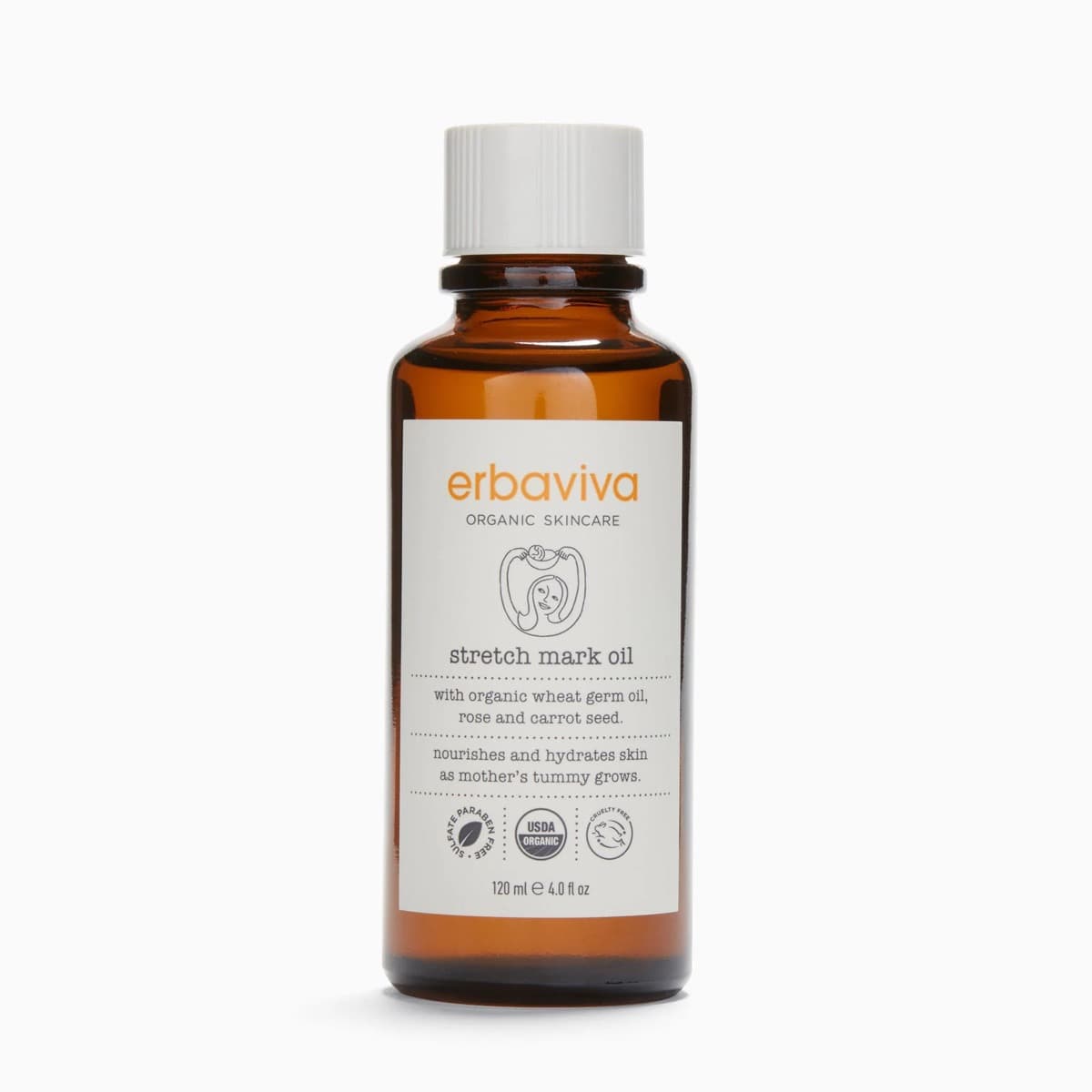
Photo: Erbaviva 1ErbavivaVegan oil scented with essential oilsStretch Mark Oil
Erbaviva states that this body oil is vegan and certified USDA Organic, and marks each certified organic ingredient on its ingredient list. The list starts with organic sunflower, sweet almond, wheat germ and rosehip oils, followed by rosemary extract and lavender, mandarin, sandalwood, carrot seed, geranium and rose oils.
Good to know: Contains sweet almond oil and wheat germ oil. The product name is the brand's: ACOG says there is no proof any product prevents stretch marks. Ask your doctor or midwife if you have questions about essential oils in pregnancy.
Checked against: erbaviva.com
View at Erbavivaerbaviva.com
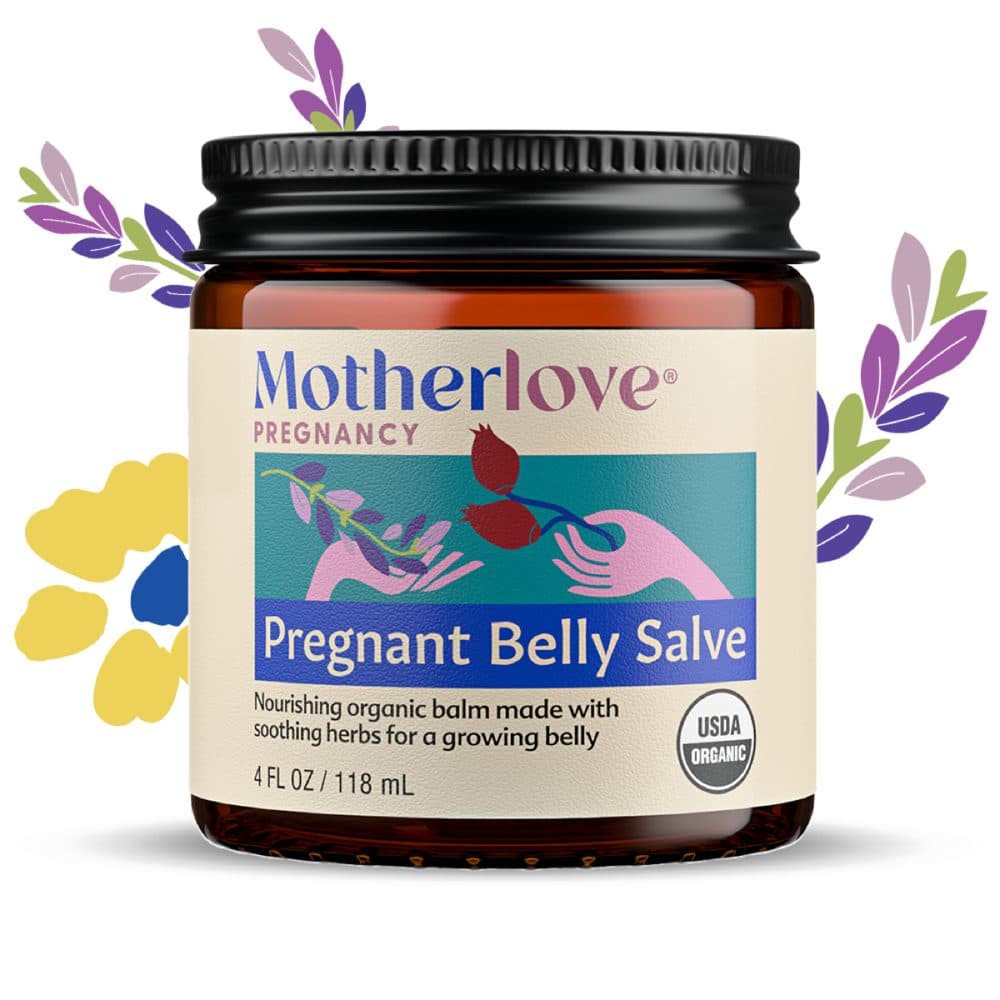
Photo: Motherlove 2MotherloveThick salve, no waterPregnant Belly Salve
- USDA Organic
- Leaping Bunny
Motherlove's page shows the USDA Organic seal and states the salve is Certified Organic by Oregon Tilth and Leaping Bunny certified. Ingredients listed are sunflower oil, beeswax, shea butter, marshmallow root, rosehips, lavender, chamomile and calendula flowers, and rosemary extract, each marked organic.
Good to know: Contains beeswax. Motherlove notes it is moving its base oil from non-GMO to organic, and that gift boxes and bundles may still hold the earlier version.
Checked against: motherlove.com
View at Motherlovemotherlove.com
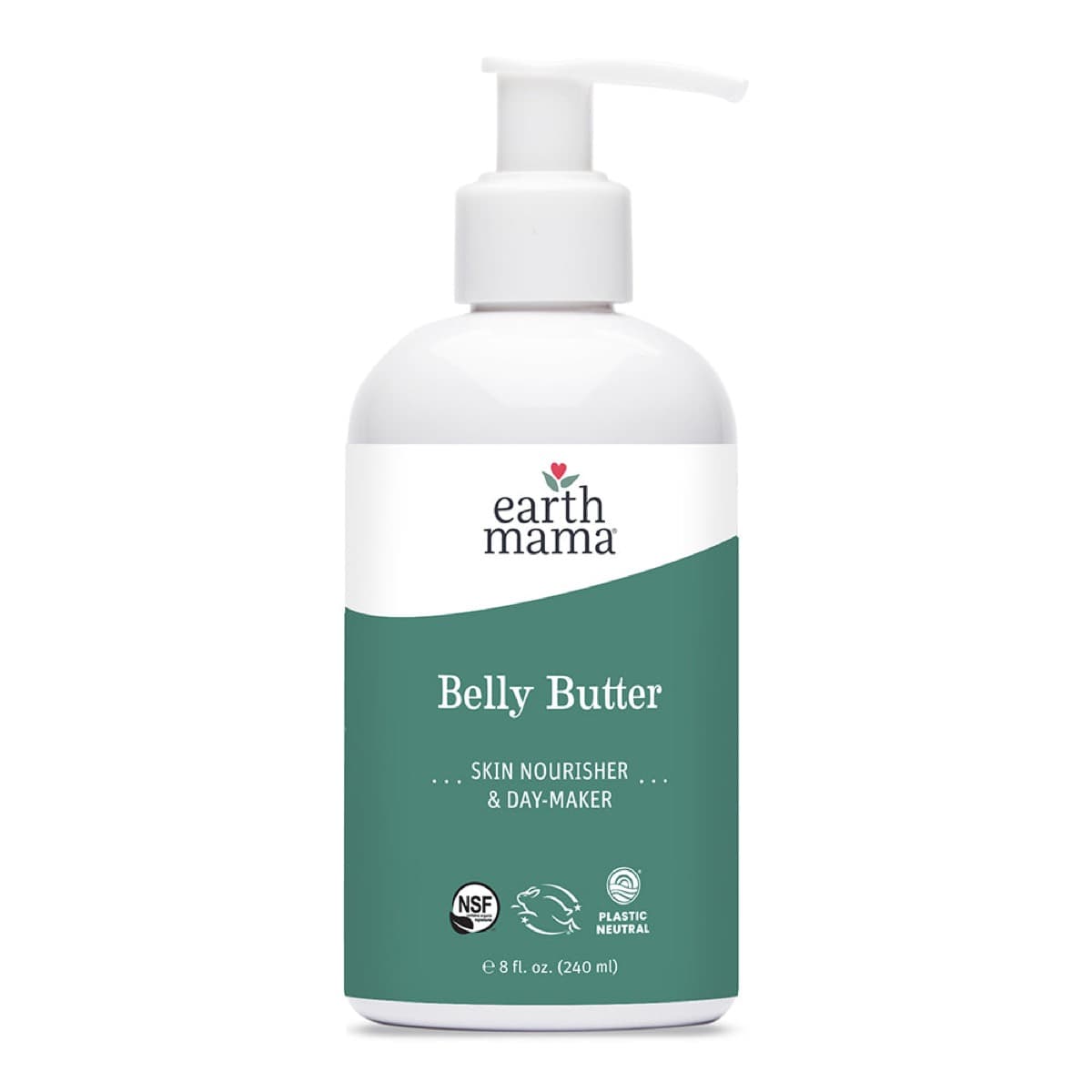
Photo: Earth Mama 3Earth MamaWater-based lotionBelly Butter
- NSF/ANSI 305
- Leaping Bunny
Earth Mama states that this lotion is certified to the NSF/ANSI 305 standard for personal care products and is Leaping Bunny certified. The ingredient list starts with water, organic aloe leaf juice, organic olive and sunflower oils, organic glycerin and organic shea butter.
Good to know: NSF/ANSI 305 is not the USDA Organic seal, and this product does not carry that seal. It is scented with sweet orange peel oil and neroli extract.
Checked against: earthmamaorganics.com · earthmamaorganics.com
View at Earth Mamaearthmamaorganics.com
- 4BadgerNo added fragrance
Belly Butter
Badger lists this balm as USDA Certified Organic. The ten ingredients on the product page are organic olive, sunflower, coconut, castor and jojoba oils, organic beeswax, cocoa butter and carnauba wax, sunflower vitamin E and organic calendula extract. The brand says no fragrance is added.
Good to know: Contains beeswax and coconut oil. The Fair Trade certification on the page applies to the cocoa butter and coconut oil only. The organic seal says nothing about stretch marks.
Checked against: badgerbalm.com
View at Badgerbadgerbalm.com
Products with a photo are shown first; otherwise the order says nothing about quality. Certifications can lapse: check the certifier’s database before you buy.
What organic certification covers on a belly oil
The FDA regulates cosmetics, and it says plainly that it has no definition for the word organic. The USDA does. A body care product made of agricultural ingredients can be certified under the USDA National Organic Program, and it then follows the same four labeling categories as food. The USDA Organic seal is allowed only on the top two.
Some lotions cannot meet the food rules because they need ingredients such as emulsifiers. Those products may instead be certified to NSF/ANSI 305, a separate standard for personal care products that contain organic ingredients. It is a real certification, but it is not the USDA seal, and the label should say which one applies.
Neither certification is a safety rating. The FDA states that an ingredient's source does not determine its safety, and that many plants, organically grown or not, contain substances that can be toxic or cause allergies.
| Words on the label | Organic content required | USDA seal allowed |
|---|---|---|
| 100 percent organic | 100 percent, not counting salt and water | Yes |
| Organic | At least 95 percent, not counting salt and water | Yes |
| Made with organic (named ingredients) | At least 70 percent | No |
| Organic ingredients named in the list only | Under 70 percent | No |
What ACOG and dermatologists say about stretch marks
The American College of Obstetricians and Gynecologists (ACOG) is direct about this. Its patient FAQ says many products claim to prevent stretch marks and there is no proof that any of them work. It adds that a heavy moisturizer may help keep your skin soft, but will not get rid of stretch marks, and that most marks fade after the baby is born.
The American Academy of Dermatology reports the same pattern from studies: almond oil, cocoa butter, olive oil and vitamin E did not prevent stretch marks. So buy a belly oil because you like how it feels on dry, tight skin. That is the job it can do.
How to read the label before you buy
- 1
Find the seal or the standard
Look for the USDA Organic seal or a sentence naming NSF/ANSI 305. A leaf drawing or the word natural is not a certification. Our guide to reading a USDA organic label shows where each claim may appear.
- 2
Find the certifier
Certified products name the certifying body, usually near the ingredient list or the company address. If no certifier is named, treat the organic claim as unverified.
- 3
Read the full ingredient list
Organic ingredients are marked, often with an asterisk. Check for nut oils, beeswax, lanolin or essential oils if you are allergic to them or avoid them.
- 4
Ignore the promise in the product name
A name such as stretch mark oil is marketing. It is not reviewed by the certifier and it does not change what ACOG says about the evidence.
When itchy skin is a reason to call your doctor
Dry, stretched skin often itches, and ACOG's tip for itchy skin is a heavy moisturizer twice a day. Some itching is different. ACOG describes intrahepatic cholestasis of pregnancy as severe itching with no rash, often on the palms of the hands and soles of the feet and typically worse at night. That needs a call to your ob-gyn or midwife, not a new lotion.
Tell your doctor about any new rash or bumps as well. If a product stings, burns or causes redness, stop using it. Plain, unscented options sold for babies are covered on our baby lotion and oil page, and everyday body moisturizers are on the organic body lotion page.
Questions people ask
Does organic belly oil prevent stretch marks?
No product has been shown to. ACOG says there is no proof that any of the products claiming to prevent stretch marks work, and the American Academy of Dermatology reports that almond oil, cocoa butter, olive oil and vitamin E did not prevent them in studies. An organic seal describes how the ingredients were farmed and processed. It makes no statement about results on skin.
Is an organic belly butter safer to use in pregnancy?
Organic certification is not a safety test. The FDA says an ingredient's source does not determine its safety, and that plants can contain substances that are toxic or allergenic whether or not they are organically grown. If you have questions about a specific ingredient, such as an essential oil, bring the ingredient list to your doctor or midwife and ask.
What is the difference between USDA Organic and NSF/ANSI 305 on a lotion?
USDA Organic means the product meets the National Organic Program rules written for food and farm products, with at least 95 percent organic ingredients. NSF/ANSI 305 is a separate standard written for personal care products that contain organic ingredients but cannot meet the food rules. A product certified to NSF/ANSI 305 may not use the USDA seal. Both are checked by an independent certifier.
Can I use a regular organic body oil on my belly?
A belly oil is a body oil with a different name on the front. Nothing in the organic rules or in FDA cosmetic law sets a special formula for pregnancy products. Compare the ingredient lists. If you want to avoid fragrance or a particular essential oil while pregnant, check for it in both, and ask your doctor or midwife if you are unsure.
Should I worry if my belly itches a lot?
Mild itching from dry, stretching skin is common, and ACOG suggests a heavy moisturizer twice a day. Call your ob-gyn or midwife if the itching is severe, if it is on your palms and the soles of your feet, if it is worse at night, or if you see a rash or bumps. ACOG lists these as signs of conditions that need medical care.
Sources
Each page was opened and read on October 11, 2026.
- American College of Obstetricians and Gynecologists: Skin Conditions During Pregnancy (FAQ)
- American Academy of Dermatology: Stretch marks: Why they appear and how to get rid of them
- U.S. Food and Drug Administration: "Organic" Cosmetics
- USDA Agricultural Marketing Service: Cosmetics, Body Care, and Personal Care Products
- USDA Agricultural Marketing Service: Labeling Organic Products
Keep reading
 Maternity & PostpartumOrganic Nipple BalmUSDA Organic nipple balms with short ingredient lists, and what the seal does not tell you.
 Diapers & Baby CareOrganic Baby Lotion & OilA plain baby oil can be USDA Organic. A lotion is harder to certify. What each seal on the bottle covers.
 Skincare & BeautyOrganic Body Lotion & OilBody lotions and oils that name their certifier: USDA Organic, NSF/ANSI 305 or MADE SAFE, with the tier stated.