Skincare & Beauty
Organic Body Lotion & Oil
A body lotion is certified organic only if a named certifier says so. A few lotions and most plain body oils can meet the USDA Organic food standard and carry the seal. Many lotions cannot, and are certified to NSF/ANSI 305 as containing organic ingredients. The FDA does not define organic on cosmetics, so check for the certifier.
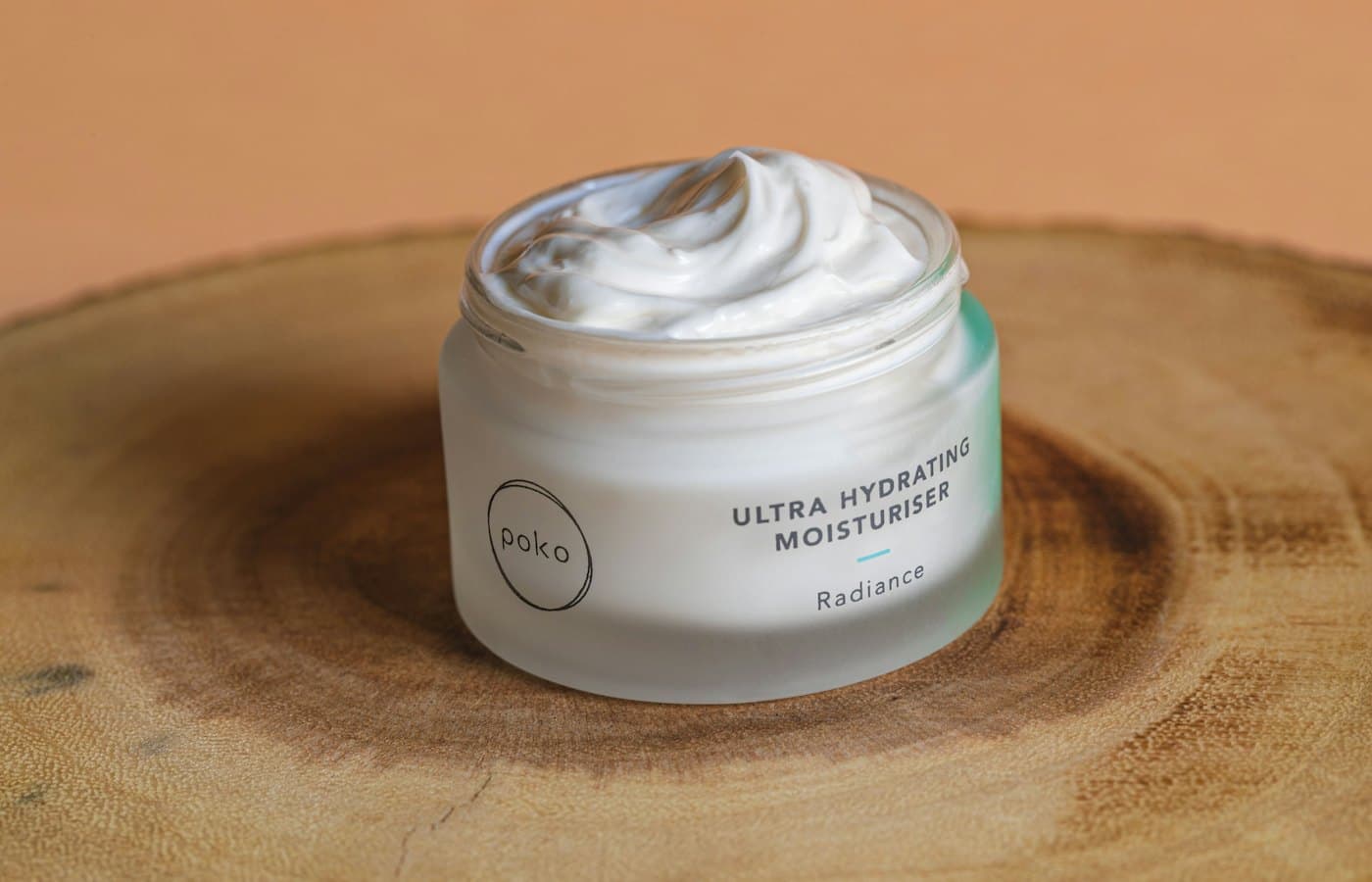
What organic means here
We list body lotions and oils whose brand states a third-party certification on its own page: USDA Organic, NSF/ANSI 305 or MADE SAFE. Each pick says which one. MADE SAFE screens ingredients and is not an organic certification. We describe what is in the bottle and what it is certified for, not what it does for skin.
Look for
- The USDA Organic seal plus the certifier's name, such as Oregon Tilth or QAI
- "Contains organic ingredients" with an exact organic percentage for NSF/ANSI 305
- An ingredient list that marks which ingredients are certified organic
- "Fragrance-free" if you want no scent, and no "fragrance" on the ingredient list
Be wary of
- "Organic" on the front with no certifier and no organic percentage anywhere
- "Unscented" lotions that still list fragrance, which the FDA says can happen
- "Made with organic aloe" when water is the main ingredient and little else is organic
Products that carry the certification
We have not tested these products. Each one was checked against the brand’s own page and the certifier’s records. Product links may be affiliate links: if you buy through one we may earn a commission, at no extra cost to you. How we choose.
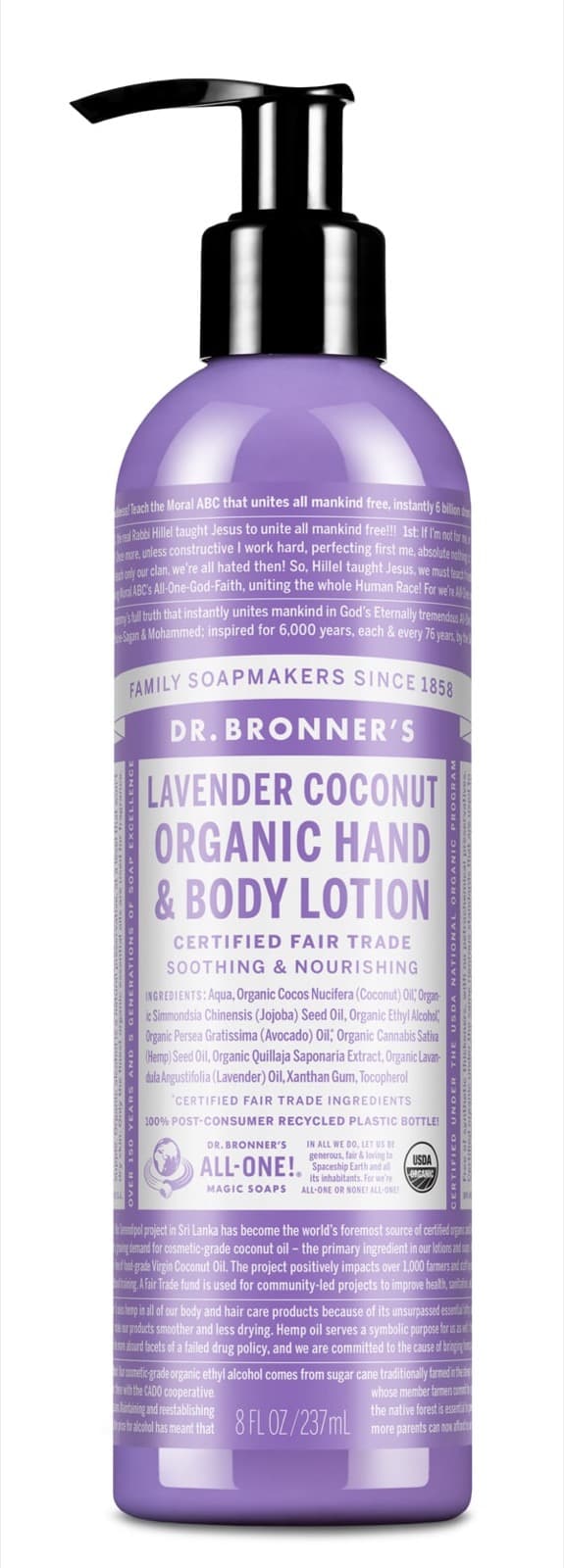
Photo: Dr. Bronner's press kit 1Dr. Bronner'sShort list of organic plant oilsOrganic Lotions (Lavender Coconut)
A pump lotion of water, organic coconut, jojoba, avocado and hemp seed oils, organic alcohol and lavender oil. The product page shows the USDA Organic and Oregon Tilth marks, and the brand states its products are certified to National Organic Program standards by Oregon Tilth.
Good to know: Scented with lavender oil and contains organic ethyl alcohol. The page says it is for children above 3 years old. Three other scents are separate products.
Checked against: drbronner.com · drbronner.com
View at brand sitedrbronner.com
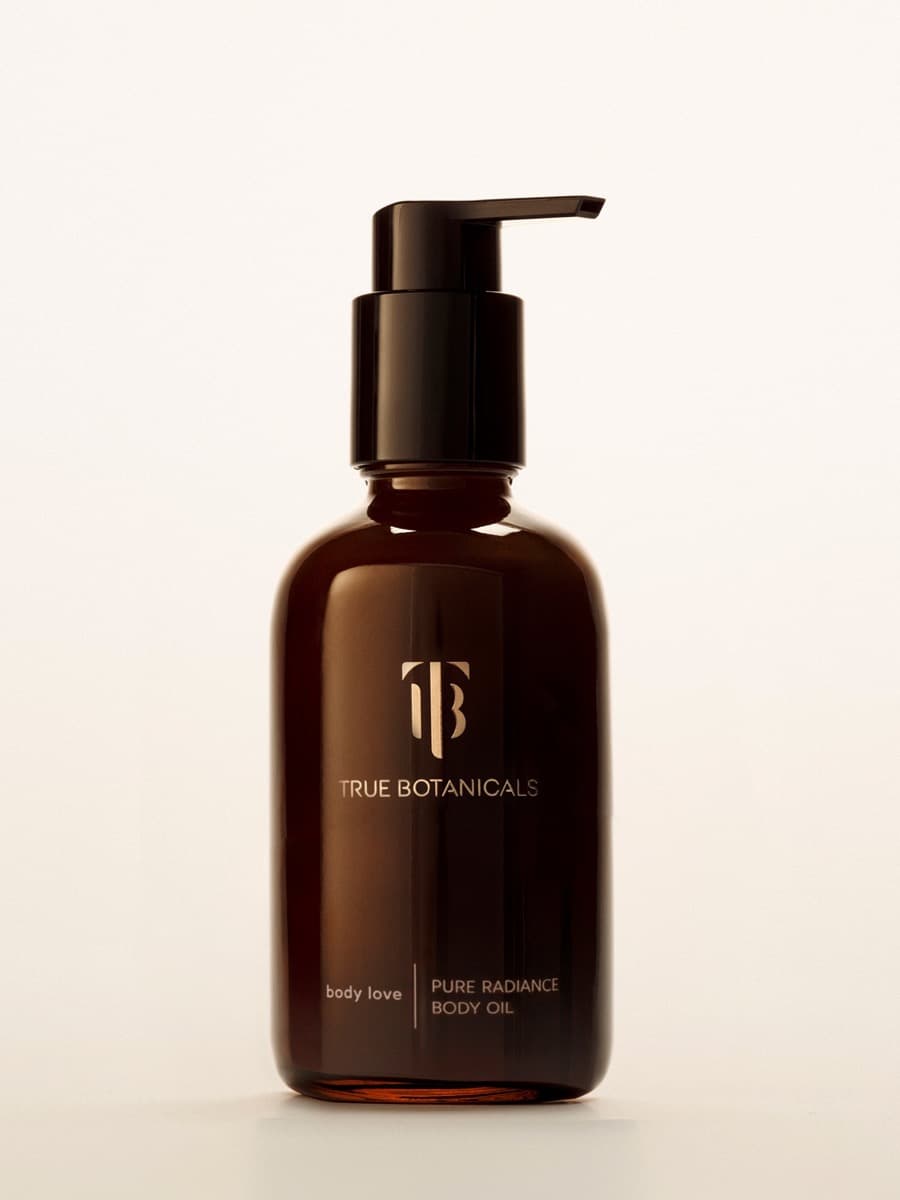
Photo: True Botanicals 2True BotanicalsMADE SAFE certified body oilPure Radiance Body Oil
A moisturizing body oil blend. The brand's page states it is MADE SAFE certified, and it appears by name in the MADE SAFE certified products index. It is listed for outside ingredient screening, which is a separate question from organic farming.
Good to know: MADE SAFE is not an organic certification, and this oil carries no organic seal. The page lists sandalwood oil for its woodsy scent, so it is not fragrance-free.
Checked against: truebotanicals.com · index.madeworks.com
View at brand sitetruebotanicals.com
- 3Nourish OrganicUnscented, 98 percent organic content
Pure Unscented Hydrating Body Lotion
An unscented lotion with aloe juice, shea butter, coconut oil and cocoa butter, each marked certified organic. The product page shows the USDA Organic mark and states 98 percent organic content. That puts it in the food-style tier.
Good to know: Contains ethyl alcohol, coconut oil and shea butter. The brand says some of its products meet the NSF standard instead of the USDA one, so confirm the USDA seal on the tube you buy.
Checked against: nourishorganic.com
View at brand sitenourishorganic.com
- 4Avalon OrganicsUnscented NSF/ANSI 305 lotion
Aloe Unscented Hand & Body Lotion
A hand and body lotion with aloe, shea butter and calendula. The product page states it is certified by QAI to NSF/ANSI 305, the American National Standard for personal care products containing organic ingredients, and the ingredient list marks which ingredients are certified organic.
Good to know: This is the "contains organic ingredients" tier, so there is no USDA Organic seal. Water is the first ingredient, and the formula is preserved with sodium benzoate.
Checked against: avalonorganics.com
View at brand siteavalonorganics.com
Products with a photo are shown first; otherwise the order says nothing about quality. Certifications can lapse: check the certifier’s database before you buy.
Why so few body lotions carry the USDA Organic seal
The USDA Organic rules were written for food. A cosmetic can be certified under them only if it is made of agricultural ingredients and meets the same production, handling and labeling standards. The USDA says the farms, the ingredient handlers and the manufacturer of the final product must all be certified.
A plain body oil is pressed plant oil, so it fits. A lotion is oil and water held together, and it usually needs ingredients the food rules were never built for. NSF puts it this way: organic regulations designed for food cannot be applied to some personal care products like soaps and lotions, which have non-food ingredients and different manufacturing processes. NSF/ANSI 305 was created in 2009 to cover that gap.
What the organic percentage on a lotion counts
Both USDA tiers leave water and salt out of the math. A product sold as organic needs at least 95 percent organic ingredients after water and salt are set aside. "Made with organic" ingredients needs at least 70 percent and may not show the seal. Below 70 percent, the word organic may appear only in the ingredient list.
So a lotion that is mostly water can still be 98 percent organic by the USDA's method. NSF/ANSI 305 measures at least 70 percent organic content by weight and requires the exact figure on the label. Our guide on how to read a USDA organic label walks through the tiers.
Scent, fragrance and the word unscented
Under FDA labeling rules, a company may list a scent blend as the single word fragrance. The FDA also warns that some products labeled unscented may contain fragrance ingredients, added to cover the smell of other ingredients without giving the product a noticeable scent.
The FDA says some fragrance components can cause allergic reactions or sensitivities in some people, and that the law treats ingredients from plants the same as ingredients from any other source. An organic lavender oil is still a fragrance ingredient. If you want none, read the list instead of the front.
How to check a lotion's claim yourself
- 1
Find the certifier
Turn the bottle over. A USDA certified product must display the certifying agent's name. No name means no certification.
- 2
Match the tier to the wording
The USDA seal means the 95 percent tier. "Contains organic ingredients" with a percentage is NSF/ANSI 305. MADE SAFE is an ingredient screen.
- 3
Read the ingredient list
Ingredients run in descending order. Look for which ones are marked organic and whether fragrance appears.
- 4
Buy the right variant
Scents and sizes can be certified separately. Check the label on the one in your hand, and see our pages on baby lotion and belly oil for those uses.
Questions people ask
Can body lotion be USDA certified organic?
Yes, though not many are. The USDA says a body care product made of agricultural ingredients can be certified under the National Organic Program if it meets the same standards as food and every operation in the chain is certified. A lotion with at least 95 percent organic ingredients, not counting water and salt, may display the USDA Organic seal and must name its certifier.
What does 70 percent organic mean on a lotion?
It depends on the wording beside it. Under USDA rules, a product with at least 70 percent organic ingredients may say made with organic ingredients and name up to three of them, but may not show the seal. Under NSF/ANSI 305, at least 70 percent organic content by weight earns the phrase contains organic ingredients. Either way a certifier must be named.
Is organic body oil different from organic lotion?
Mainly in how easily it can be certified. A body oil is a blend of plant oils, which are agricultural ingredients, so it can often meet the USDA standard. A lotion contains water and the ingredients that keep oil and water mixed. NSF notes that food-based organic rules cannot be applied to some lotions, which is why many are certified to NSF/ANSI 305 instead.
Does unscented mean a lotion has no fragrance?
Not always. The FDA says some products labeled unscented may contain fragrance ingredients, because a manufacturer may add just enough to mask the smell of other ingredients. Fragrance can be declared on the label as the one word fragrance. If you are avoiding it, the FDA suggests choosing fragrance-free products and reading the ingredient list carefully.
Is organic lotion safer for sensitive skin?
The FDA says no such rule holds. An ingredient's source does not determine its safety, and many plants, organic or not, contain substances that may be toxic or allergenic. Organic lotions and oils often include essential oils or nut and seed oils. If your skin reacts easily, read every ingredient and ask a dermatologist before you switch products.
Sources
Each page was opened and read on October 11, 2026.
- FDA: "Organic" Cosmetics
- USDA Agricultural Marketing Service: Cosmetics, Body Care, and Personal Care Products
- USDA National Organic Program: Cosmetics, Body Care Products, and Personal Care Products fact sheet
- NSF: Personal Care Products Containing Organic Ingredients
- FDA: Fragrances in Cosmetics
- FDA: Cosmetics Labeling Guide
Keep reading
 Skincare & BeautyOrganic Face CareFace oils and creams sorted by what they are certified to: USDA Organic, COSMOS Organic, NSF/ANSI 305 or MADE SAFE.
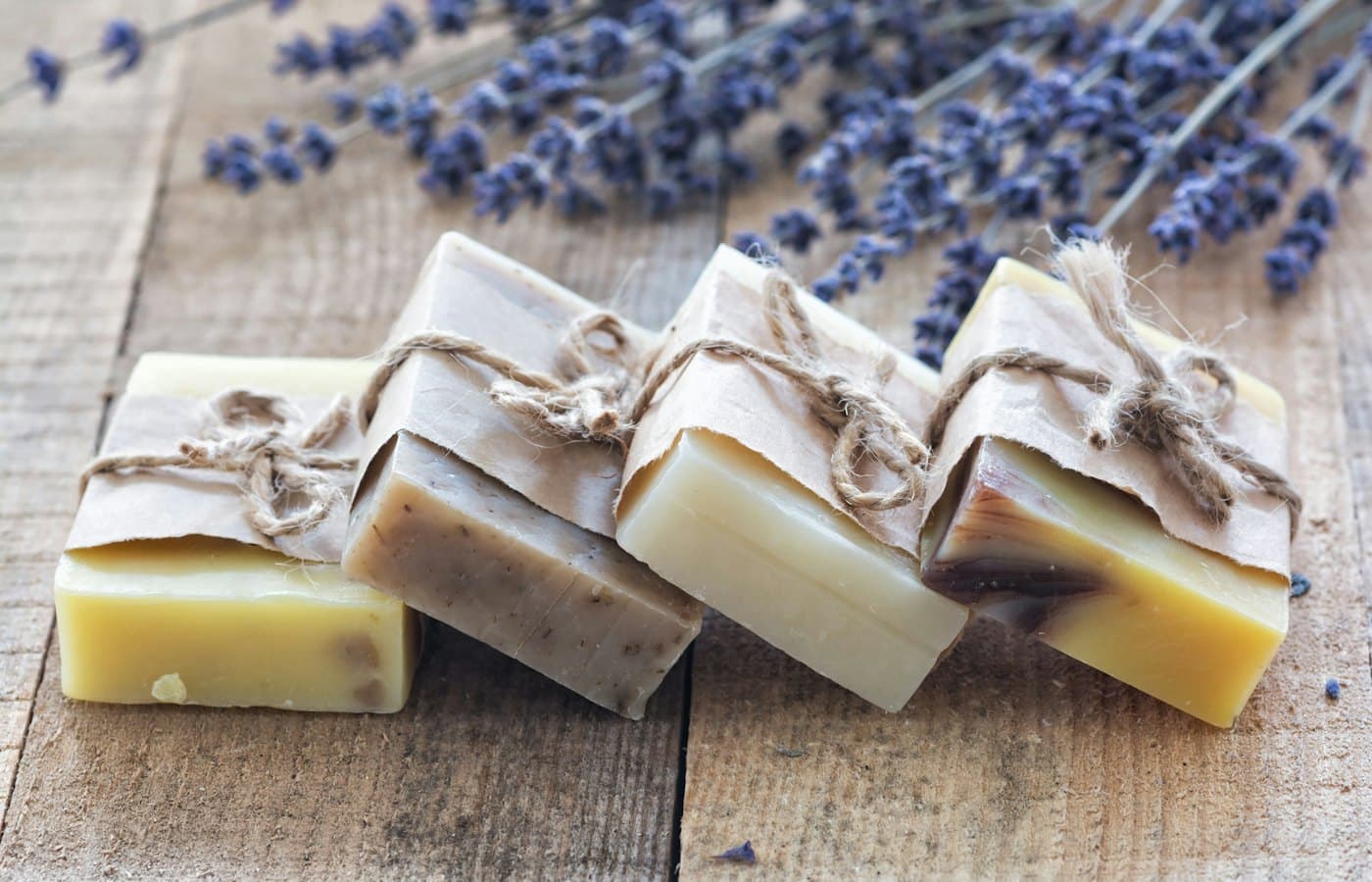 Personal CareOrganic Soap & Body WashBar soap, castile soap and body wash with a named organic certifier or an ingredient-screening seal.
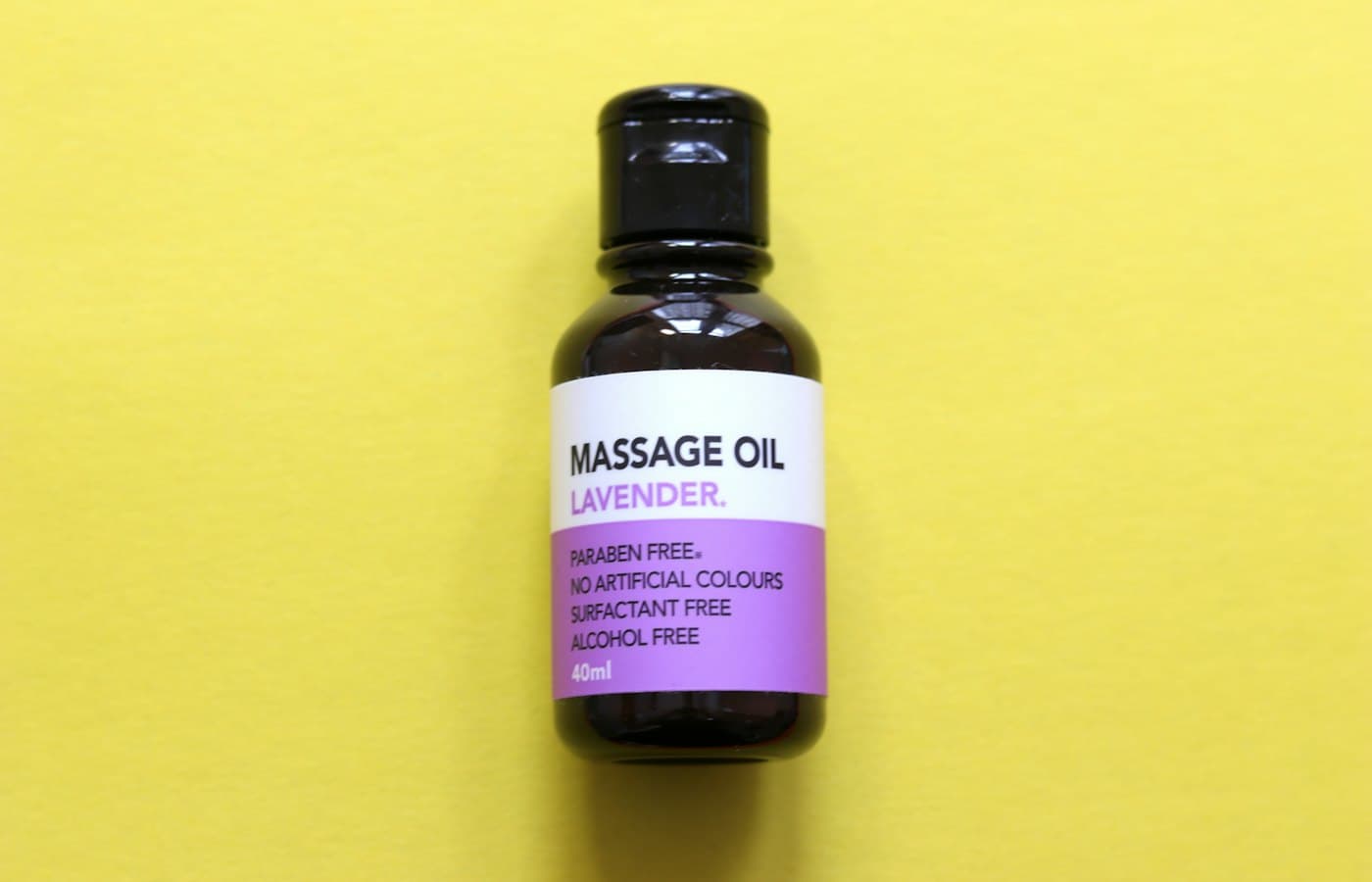 Diapers & Baby CareOrganic Baby Lotion & OilA plain baby oil can be USDA Organic. A lotion is harder to certify. What each seal on the bottle covers.
 GuideHow to read a USDA Organic labelThe four USDA organic label tiers, which ones may carry the seal, and where the certifier's name is printed.