Household and personal products
MADE SAFE: what the seal means
MADE SAFE is an ingredient screening seal for household and personal products. Each certified product is checked against a banned list of more than 15,000 substances, then reviewed for harm to people, water, soil and wildlife. It is not an organic certification, and it does not rate how well a product works.
What it certifies
- Screening of every submitted substance against the MADE Banned List of more than 15,000 substances
- A second review, the Ecosystem Approach, for effects on people, air, water, soil and wildlife
- Disclosure by the maker of each substance and process used in the formulation
- Materials as well as formulas: mattresses, furniture and textiles can be certified
- A product by product decision: the seal belongs to a named product, not a brand
What it does not
- Organic farming or organic content
- How well the product cleans, moisturizes or performs
- A promise of zero trace content: the program allows some category specific or technically unavoidable content, with testing or thresholds
- Every product a brand sells: uncertified items from the same company are not covered
How to check a claim
Search the MADE Index, the public catalog the MADE SAFE website now opens to. It lists certified products by company and category. Match the exact product name, not just the brand, because a company may have only one or two certified items.
What MADE SAFE requires
The process has two steps. First, the product is screened against the MADE Banned List, which the program says holds more than 15,000 substances. The categories on that list include carcinogens, endocrine disruptors, heavy metals, toxic flame retardants, fluorinated and PFAS compounds, phthalates, parabens, formaldehyde releasers, high-risk pesticides and harmful VOCs.
Second comes what the program calls its Ecosystem Approach. The maker has to disclose each substance and process involved in the formulation, beyond the ingredient list printed on the package. Reviewers then look at persistence, bioaccumulation, reproductive toxicity and endocrine disruption, and at effects on air, water, soil, sediment and aquatic and land life.
The approach is hazard-based. In the program's words, ingredients are considered harmful until proven safe, and a substance with too little data is not certified until a safety review is done. Every substance must pass for the seal to be granted.
The standard, its version and who reviews products
MADE SAFE is now part of MADEWORKS, and the MADE SAFE website forwards to its catalog. MADEWORKS Intelligence, the nonprofit program that maintains the standards, lists the current document as the MADE SAFE Standard 2025, Version 1.3, and says it reviews each standard annually.
The review is done by the program's own science and research team, working from documents and specifications the company submits, with outside scientists consulted where data is missing. The program says additional lab testing is requested occasionally. Going by that description, it is mainly a document-based ingredient review, not routine lab testing of every finished product.
MADEWORKS also runs a second seal, MADE WISE. Both are screened against the same banned list. MADE SAFE then adds the Ecosystem Approach screening, and the program states that the banned list is a starting point for MADE SAFE, not the full set of what it prohibits.
How MADE SAFE compares with similar labels
The closest neighbor is EWG Verified, which also reviews ingredients but against a different organization's lists. GREENGUARD Gold measures what a product gives off, not what it is made of, so a mattress can reasonably carry both. And none of them is USDA Organic: a MADE SAFE lotion can be made with conventionally grown plant oils.
| Label | What it checks | How |
|---|---|---|
| MADE SAFE | Ingredients and materials, for human and ecosystem hazard | Document review against a banned list and further screening |
| EWG Verified | Ingredients, label disclosure and manufacturing practices | Document review against EWG's ingredient lists and ratings |
| GREENGUARD Gold | Chemical emissions into indoor air | Chamber testing of the finished product |
| USDA Organic | How farm ingredients were grown and handled | Yearly inspection by an accredited certifier |
Where you will see it
The catalog groups certified products into apparel, baby and child, bedding, cosmetics, furniture, household, period care, personal care, pets, sexual health and supplements. For babies and new parents that mostly means organic crib mattresses, organic baby lotion and oil and organic nipple balm. Around the house it shows up on all-purpose cleaners.
It is most useful where no organic standard applies. A crib mattress or a sofa cannot be certified organic as a whole product, so an ingredient and materials review is one of the few third-party checks available.
Questions people ask
Is MADE SAFE the same as organic?
No. MADE SAFE reviews what a product is made of for known or suspected hazards to people and ecosystems. It does not certify that plant ingredients were grown organically. A product can be MADE SAFE Certified with no organic content at all, and an organic product can lack the seal.
What is on the MADE SAFE banned list?
The program says the MADE Banned List contains more than 15,000 substances. Its published categories include carcinogens, endocrine disruptors, neurotoxicants, heavy metals, toxic flame retardants, PFAS compounds, bisphenols, phthalates, parabens, formaldehyde releasers, synthetic musks, toxic fragrance ingredients, high-risk pesticides and harmful VOCs. The program compiled it by cross-referencing authoritative lists from around the world.
What is the difference between MADE SAFE and MADE WISE?
Both seals come from MADEWORKS and both require screening against the MADE Banned List. MADE SAFE goes further: after the banned list, products go through the Ecosystem Approach, which looks at endocrine disruption, persistence, bioaccumulation and effects on air, water, soil and wildlife. MADE SAFE is the stricter of the two.
How do I check that a product is really MADE SAFE Certified?
Look it up in the MADE Index, the public catalog of MADE SAFE Certified and MADE WISE Certified products. You can filter by brand or browse by category. Check the specific product and variant, because certification is granted to individual products and a brand's other items may not be listed.
Sources
Each page was opened and read on October 11, 2026.
- MADE SAFE (MADEWORKS Index): Certification Process
- MADE SAFE (MADEWORKS Index): Banned / Restricted List
- MADE SAFE (MADEWORKS Index): Ecosystem Approach
- MADE SAFE (MADEWORKS Index): Certified products catalog
- MADE SAFE (MADEWORKS Index): Product categories
- Environmental Working Group: EWG Verified criteria for personal care products
- UL Solutions: What Does "GREENGUARD Certified" Mean?
Where this label matters most
 Nursery & SleepOrganic Crib MattressesCrib mattresses certified to GOTS as a finished product, with each component label explained.
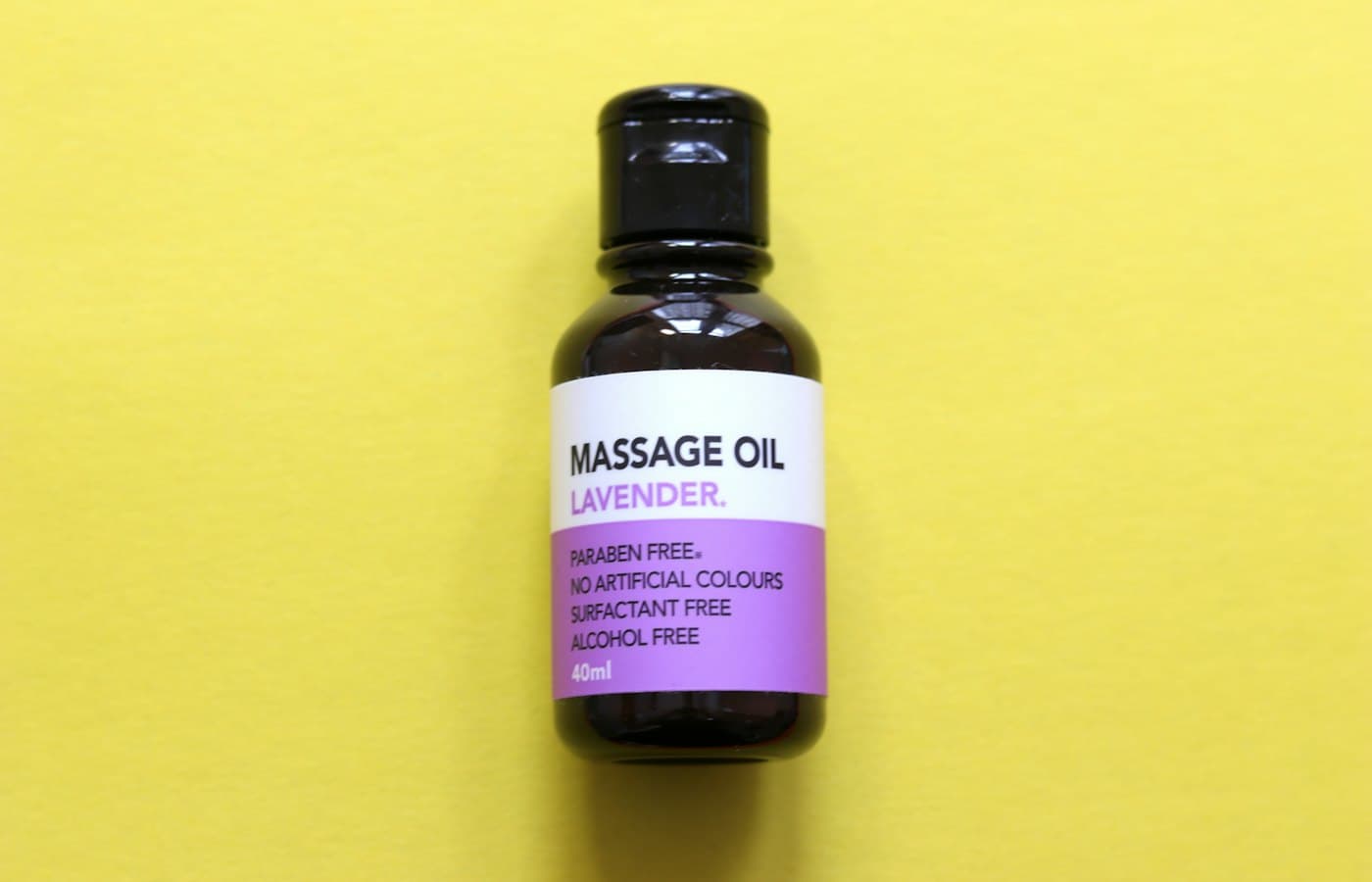 Diapers & Baby CareOrganic Baby Lotion & OilA plain baby oil can be USDA Organic. A lotion is harder to certify. What each seal on the bottle covers.
 Maternity & PostpartumOrganic Nipple BalmUSDA Organic nipple balms with short ingredient lists, and what the seal does not tell you.
 Cleaning & LaundryAll-Purpose CleanersOne USDA Organic spray, plus Safer Choice, EWG Verified and MADE SAFE picks, with what each seal covers.