Personal care, cleaning, baby products
EWG Verified: what the mark means
EWG Verified is a mark licensed by the Environmental Working Group to products that avoid its list of unacceptable ingredients, disclose every intentionally added ingredient including fragrance components, and follow good manufacturing practices. It covers personal care, cleaners, pet grooming, diapers and mattresses. It is an ingredient review, not an organic certification.
What it certifies
- No ingredients from EWG's list of unacceptable ingredients for that product type
- Restricted ingredients only with documents showing the stated conditions are met
- A green rating, a score of 1 or 2, in EWG's Skin Deep database for personal care products
- Disclosure of all intentionally added ingredients, including those inside fragrance and flavor mixtures
- Good manufacturing practices and a microbial challenge test for the current formula
- Extra rules by product type, such as lead testing for lip products
What it does not
- Organic farming or organic content
- An independent standard: EWG writes the criteria, reviews the application and licenses the mark
- A promise that a product suits your skin: fragrance allergens are allowed if they are disclosed
- A brand's full range: the mark is granted to a specific formulation
How to check a claim
Use "Find Verified Products" on the EWG Verified website and search for the exact product. Every licensed personal care product is also listed in EWG's Skin Deep database. A changed formula has to be resubmitted, so match the product name and variant, not only the brand.
What EWG Verified requires
The Environmental Working Group launched the program in 2015. Its 2026 criteria for personal care products set three conditions: the product must be formulated to avoid EWG's ingredients of concern, must disclose all intentionally added ingredients, and must follow good manufacturing practices.
In practice that means no ingredient from EWG's list of unacceptable ingredients. That list draws on outside evaluations, including California's Proposition 65 list, the European Union's list of substances banned in cosmetics and International Agency for Research on Cancer classifications. A second list of restricted ingredients may be used only with documents showing that concentration or contamination limits are met.
The product must also rate green in EWG's Skin Deep database, which scores products from 1 to 10. Green means a score of 1 or 2. EWG notes that the rating is not an average, so individual ingredients in a verified product need not each rate green.
The disclosure rules and product-specific limits
Disclosure is where the mark goes further than US labeling law. The criteria require companies to list on their websites every ingredient in a fragrance or flavor mixture above 100 parts per million. Any of 26 named fragrance allergens must appear in the ingredient list when present above 0.01 percent in rinse-off products or 0.001 percent in leave-on products.
Some product types carry their own limits. A few that matter for this site's categories are below.
| Product type | Added requirement in the 2026 criteria |
|---|---|
| Lip products | Product-level lead test: less than 0.1 ppm, or 0.5 ppm for SPF lip products |
| Toothpaste and mouthwash | Product-level lead test: less than 0.5 ppm |
| Sunscreen | Green rating in EWG's Guide to Sunscreens, SPF 15 to 50+, no aerosol or powder form |
| Wipes | Substrate disclosed, and tested for pesticides, dioxins and furans |
Who reviews products and how often the rules change
EWG does the review itself. A company applies, pays an evaluation fee, submits its formula and supporting documents such as certificates of analysis, and signs a licensing agreement if approved. The criteria describe a review of submitted documents. EWG reserves the right to test products randomly, including through outside labs, to confirm that labels disclose all ingredients.
EWG says it reviews its unacceptable and restricted lists at least once a year. When a change affects a licensed product, the company has 18 months to reformulate or remove the mark. Diapers, mattresses, cleaners and pet grooming products each have their own criteria document.
How it compares, and where you will see it
EWG Verified and MADE SAFE are the two ingredient-review marks you will meet most often, each working from its own lists. Neither is USDA Organic. The FDA does not define "organic" for cosmetics, and EWG Verified does not ask how plant ingredients were grown.
The mark is also not the same thing as a good Skin Deep score. Anyone can look a product up in Skin Deep. Only products whose makers applied, disclosed their full formulas and signed a license carry the mark. Our guide to product scanner apps explains how database scores like that are built.
Expect it on baby wipes, disposable diapers, mineral sunscreen and face care.
Questions people ask
Is EWG Verified the same as organic?
No. EWG Verified is about which ingredients are in a product and whether they are all disclosed. It does not require organic ingredients. For wipes, the criteria accept either pesticide testing or an organic certification for the material, but that is one input, not an organic claim for the product.
Can an EWG Verified product contain fragrance?
Yes. Fragrance is allowed if its ingredients are disclosed. Companies must list fragrance ingredients above 100 parts per million on their websites, and 26 named fragrance allergens must be shown in the ingredient list above set thresholds. If you avoid fragrance altogether, read the ingredient list as well as the mark.
Is EWG Verified an independent third-party certification?
It is run by one organization. EWG, a nonprofit, writes the criteria, reviews the applications and licenses the mark, and companies pay an evaluation fee to apply. EWG publishes its criteria and its lists of unacceptable and restricted ingredients, so you can read exactly what a product was checked against.
What does a green Skin Deep rating mean for an EWG Verified product?
Skin Deep scores products on a scale of 1 to 10, with 1 the lowest hazard. Green means a score of 1 or 2, and a personal care product must rate green to be verified. EWG says the score is calculated with a weight-of-evidence approach and is not an average of ingredient ratings.
Sources
Each page was opened and read on October 11, 2026.
- Environmental Working Group: EWG Verified criteria for personal care products (2026)
- Environmental Working Group: What is EWG Verified?
- Environmental Working Group: Get EWG Verified, Personal Care Products
- Environmental Working Group: Get EWG Verified, Baby Care Products (diapers)
- U.S. Food and Drug Administration: "Organic" Cosmetics
- MADE SAFE (MADEWORKS Index): Banned / Restricted List
Where this label matters most
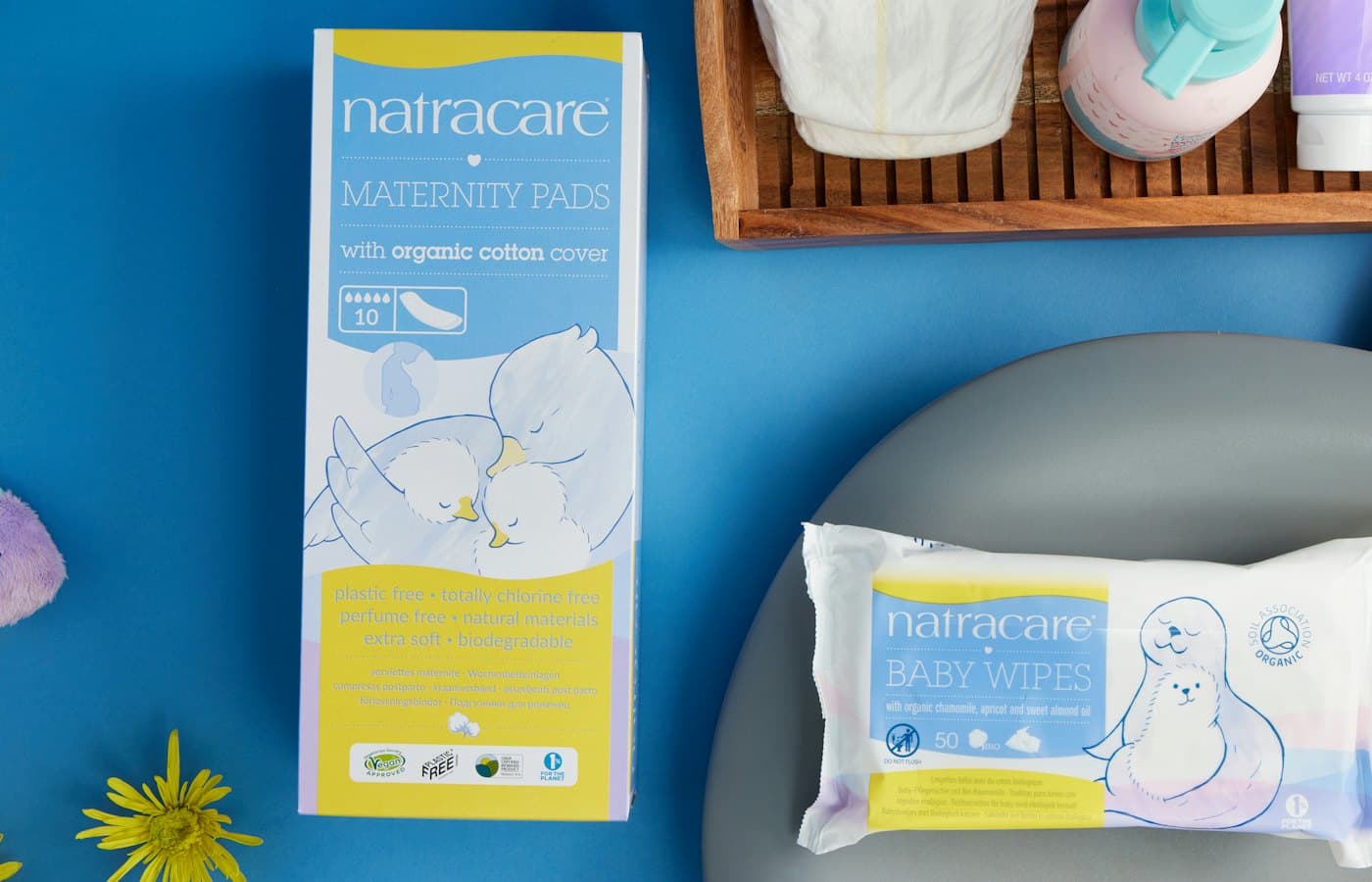 Diapers & Baby CareBaby WipesA wipe is a cloth plus a lotion. See which part a brand's certification covers, and four checked picks.
 Diapers & Baby CareCleaner Disposable DiapersNo disposable diaper is certified organic. Here is what the seals on the box do cover.
 Skincare & BeautyMineral SunscreenZinc oxide sunscreens with a named third-party certification, and what the FDA and NOAA actually say about them.
 Skincare & BeautyOrganic Face CareFace oils and creams sorted by what they are certified to: USDA Organic, COSMOS Organic, NSF/ANSI 305 or MADE SAFE.