Diapering & Baby Care
Cleaner Disposable Diapers
No disposable diaper is certified organic, because most of it is wood pulp, absorbent polymer and plastic film. What you can check is narrower: whether the finished diaper was tested for harmful substances, whether the pulp comes from certified forests, and whether the maker lists every material. These picks do that.

What organic means here
USDA organic rules cover agricultural products, so a disposable diaper cannot carry the seal as a whole. This page accepts diapers with a named third-party mark, such as OEKO-TEX Standard 100 or EWG Verified, plus a full published materials list. Where a brand mentions organic cotton, we say which layer it is and whether a certifier is named.
Look for
- A named third-party mark on the finished diaper: OEKO-TEX Standard 100 or EWG Verified
- A full materials list, layer by layer, including the absorbent core and the adhesives
- FSC named for the wood pulp, with the understanding that it covers the pulp only
- No added fragrance or lotion stated in writing
Be wary of
- "Organic diaper" with no explanation of which layer is organic and who certified it
- "USDA Certified Biobased" read as organic: it is a different USDA label about renewable content
- "Plant-based" or "bamboo" with no percentage and no materials list
- "Hypoallergenic" used as if it were a certification
Products that carry the certification
We have not tested these products. Each one was checked against the brand’s own page and the certifier’s records. Product links may be affiliate links: if you buy through one we may earn a commission, at no extra cost to you. How we choose.
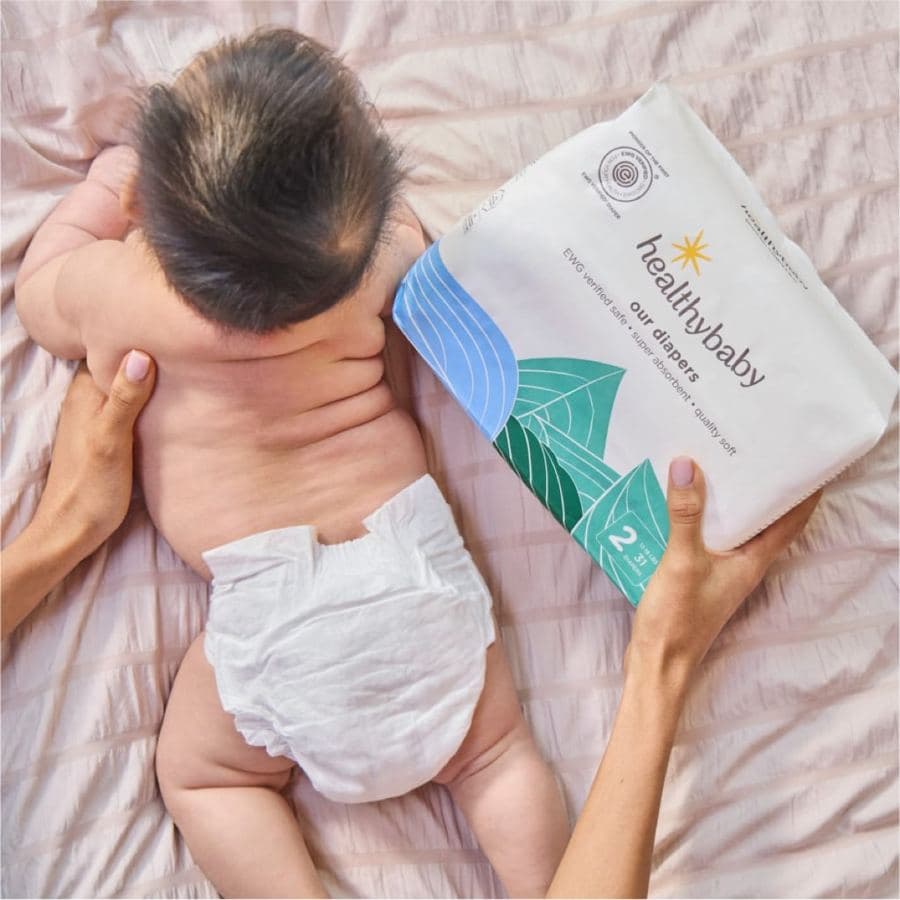
Photo: HealthyBaby 1HealthyBabyEWG Verified, some organic cottonOur Diaper
The brand states this diaper is EWG Verified, with a totally chlorine free wood pulp core that is FSC certified and an outer cover that contains 15% organic cotton. The product page lists it as made without fragrance, lotion, latex, parabens, phthalates or optical brighteners.
Good to know: The organic cotton is 15% of the outer cover and the page names no organic certifier for it. FSC applies to the pulp only. The core contains superabsorbent polymer, as the brand says all disposables do.
Checked against: healthybaby.com
View at HealthyBabyhealthybaby.com
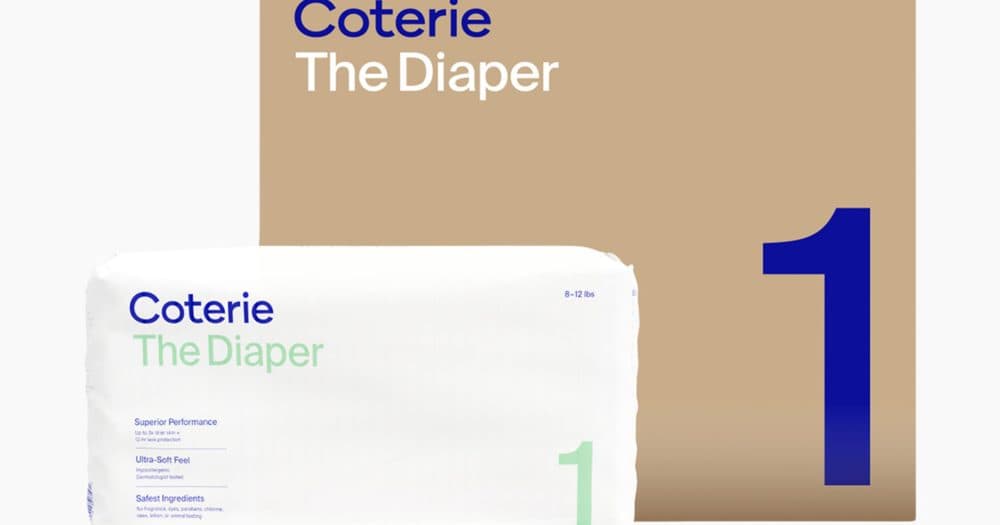
Photo: Coterie 2CoterieEWG Verified, published lab reportsThe Diaper
Coterie states The Diaper is EWG Verified, made with totally chlorine free wood pulp and without fragrance, lotion, latex or parabens. The product page says it is dermatologist tested and tested by independent labs, and it links to the safety reports the brand publishes.
Good to know: No organic material is claimed. The brand describes the diaper as 25% plant-based, so most of it is not. EWG Verified is the only third-party mark we confirmed on the page.
Checked against: coterie.com
View at Coteriecoterie.com
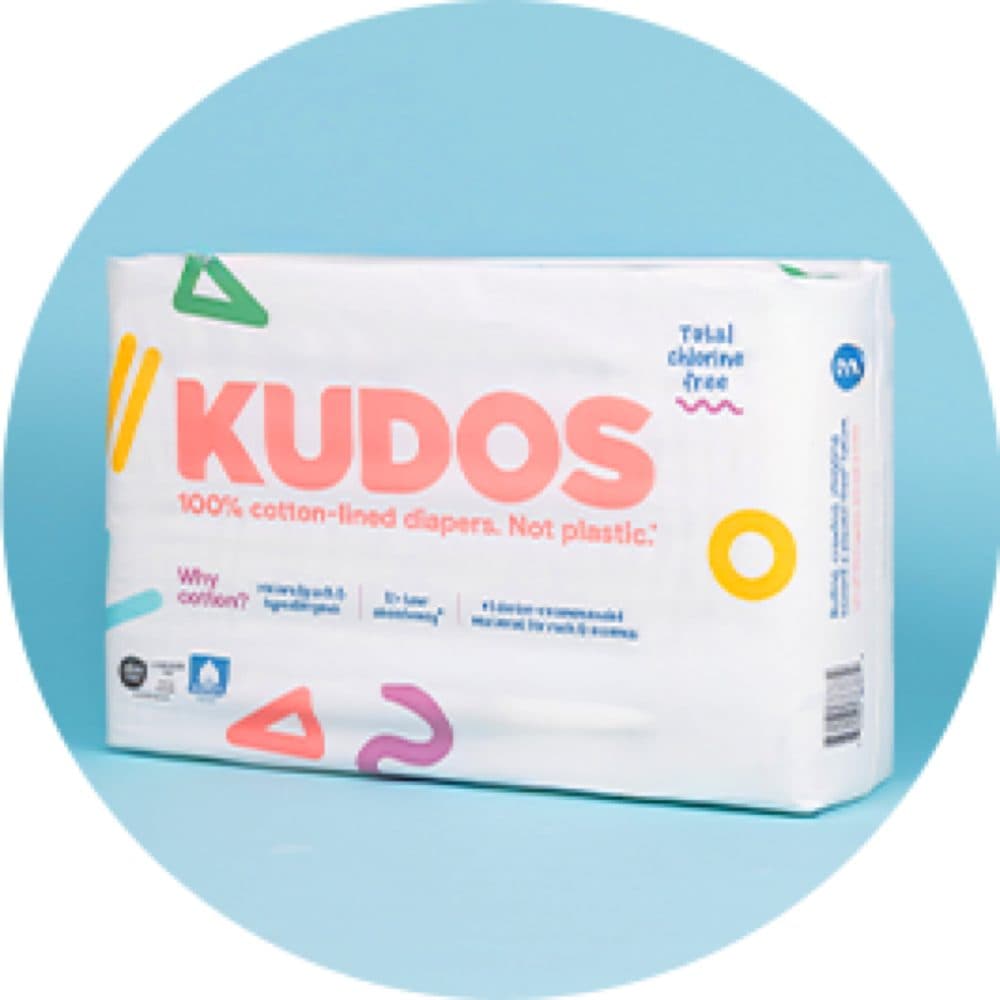
Photo: Kudos 3KudosCotton layer against the skin100% Cotton Liner, Total Chlorine Free Diapers
The layer that touches skin is 100% cotton sourced in the United States, according to the product page, which lists OEKO-TEX STANDARD 100 and FSC among the diaper's certifications. The page gives a layer-by-layer materials list and says the diaper is made without lotions, fragrances, natural latex, parabens or phthalates.
Good to know: The cotton is not described as organic. FSC covers the wood pulp. The outer cover and film are polyethylene and polypropylene, which the brand states openly.
Checked against: mykudos.com
View at Kudosmykudos.com
- 4DYPERBamboo viscose liner
Monthly Diaper Box
DYPER describes the topsheet and backsheet as bamboo viscose, with an absorbent core of FSC certified chlorine-free pulp and sodium polyacrylate. The product page states the diaper is OEKO-TEX Standard 100 certified and has no added fragrance, lotion, latex, dyes or parabens.
Good to know: The "USDA certified 55% biobased" claim on the page is not an organic certification. Bamboo viscose is a processed fiber. The brand's composting service is offered in a limited list of cities.
Checked against: dyper.com
View at DYPERdyper.com
Products with a photo are shown first; otherwise the order says nothing about quality. Certifications can lapse: check the certifier’s database before you buy.
Why a disposable diaper cannot be certified organic
The USDA regulates the word "organic" for agricultural products. A disposable diaper is a manufactured article: a wood pulp and polymer core, a liner, a waterproof film, elastics and adhesives. Only some of those started on a farm or in a forest.
So when a diaper box says organic, it is talking about one ingredient, most often a share of cotton in one layer. That can be true and still describe a small part of the product. One of our picks states the figure outright: 15 percent of the outer cover. That kind of plain number is what to look for.
If you want a diaper that can be certified as an organic textile from fiber to finished product, that is a cloth diaper, and even there full certification is rare.
What the seals on a diaper box cover
| Mark | What it covers | What it does not |
|---|---|---|
| OEKO-TEX Standard 100 | The article was lab tested for harmful substances. Baby items, including diapers, fall in its strictest product class. | How any fiber was grown. It is not an organic label. |
| EWG Verified | The product met the Environmental Working Group's criteria for that product type, per the brands that carry it. | Organic content, absorbency or fit. |
| FSC | The forest source of the wood pulp. | Every other layer of the diaper. |
| USDA Certified Biobased | A verified amount of renewable biological content. | Organic farming. It is a separate USDA program. |
Claims that are not certifications
None of these is bad news. They are simply the brand's own words, so weigh them below a mark that an outside body awards. Our guide to spotting greenwashing goes through more of them.
- Totally chlorine free (TCF): a statement about how the pulp was bleached. It is a process claim made by the brand.
- Plant-based: meaningful only with a percentage and a materials list. Viscose made from bamboo counts as plant-based and is still a processed fiber.
- Dermatologist tested: says a test was done, not what the result was or who set the pass mark.
- Hypoallergenic: on cosmetics, the FDA says there are no federal standards for the word. Treat it the same way on a diaper box.
Diaper rash has more to do with changing than with the brand
The American Academy of Pediatrics says the main cause of diaper rash is skin sitting in contact with urine and stool. Its advice is to change diapers often, clean gently, let skin air-dry and coat it with a thick barrier paste.
The AAP also says a more absorbent diaper does a better job of keeping skin dry, and that there is no current evidence showing which type of diaper prevents rash most effectively. A diaper that is fastened too tightly can rub. If a rash does not clear, or comes with fever, blisters or open sores, call your pediatrician. Our page on diaper cream covers barrier products.
Questions people ask
Are there any certified organic disposable diapers?
No. We did not find a disposable diaper certified organic as a whole product, and the USDA organic rules are written for agricultural products, not for a multi-layer article made mostly of pulp, polymer and film. Brands that use the word are describing one material, usually cotton in one layer. Look for the layer, the percentage and the name of the certifier.
What does OEKO-TEX Standard 100 mean on a diaper?
It means the finished article was tested in a lab against OEKO-TEX's list of harmful substances and passed. OEKO-TEX puts products for babies and children up to 3 years, including diapers, in Product Class 1, which has its strictest limits. It does not say anything about organic farming, and it is not a claim about how well the diaper works.
Is USDA Certified Biobased the same as USDA Organic?
No. They are two different USDA programs. The Certified Biobased label, run by the BioPreferred Program, verifies how much of a product comes from renewable biological ingredients. It says nothing about whether those ingredients were grown under organic rules. A diaper can be more than half biobased and contain no organic material at all.
Do all disposable diapers contain plastic?
The ones we looked at do, and their makers say so. Each pick on this page lists a superabsorbent polymer, usually sodium polyacrylate, in the core, and some list polyethylene or polypropylene in the film, cover or fastenings. A brand that publishes this layer by layer is giving you more to go on than one that only says plant-based.
Are cloth diapers better for diaper rash?
The AAP does not say so. It notes that cloth diapers are typically less absorbent than most disposable brands and need changing more often, and it suggests cloth diaper users consider disposables until a rash heals. It also says there is no current evidence showing which type of diaper prevents rash most effectively. Frequent changes matter more than the type.
Sources
Each page was opened and read on October 11, 2026.
- USDA Agricultural Marketing Service: Cosmetics, Body Care, and Personal Care Products (scope of the organic rules)
- OEKO-TEX: STANDARD 100 and its product classes
- USDA BioPreferred Program: About the Certified Biobased Product label
- HealthyChildren.org (American Academy of Pediatrics): Common Diaper Rashes & Treatments
- HealthyChildren.org (American Academy of Pediatrics): Diapers: Disposable or Cloth?
- FDA: "Hypoallergenic" Cosmetics
Keep reading
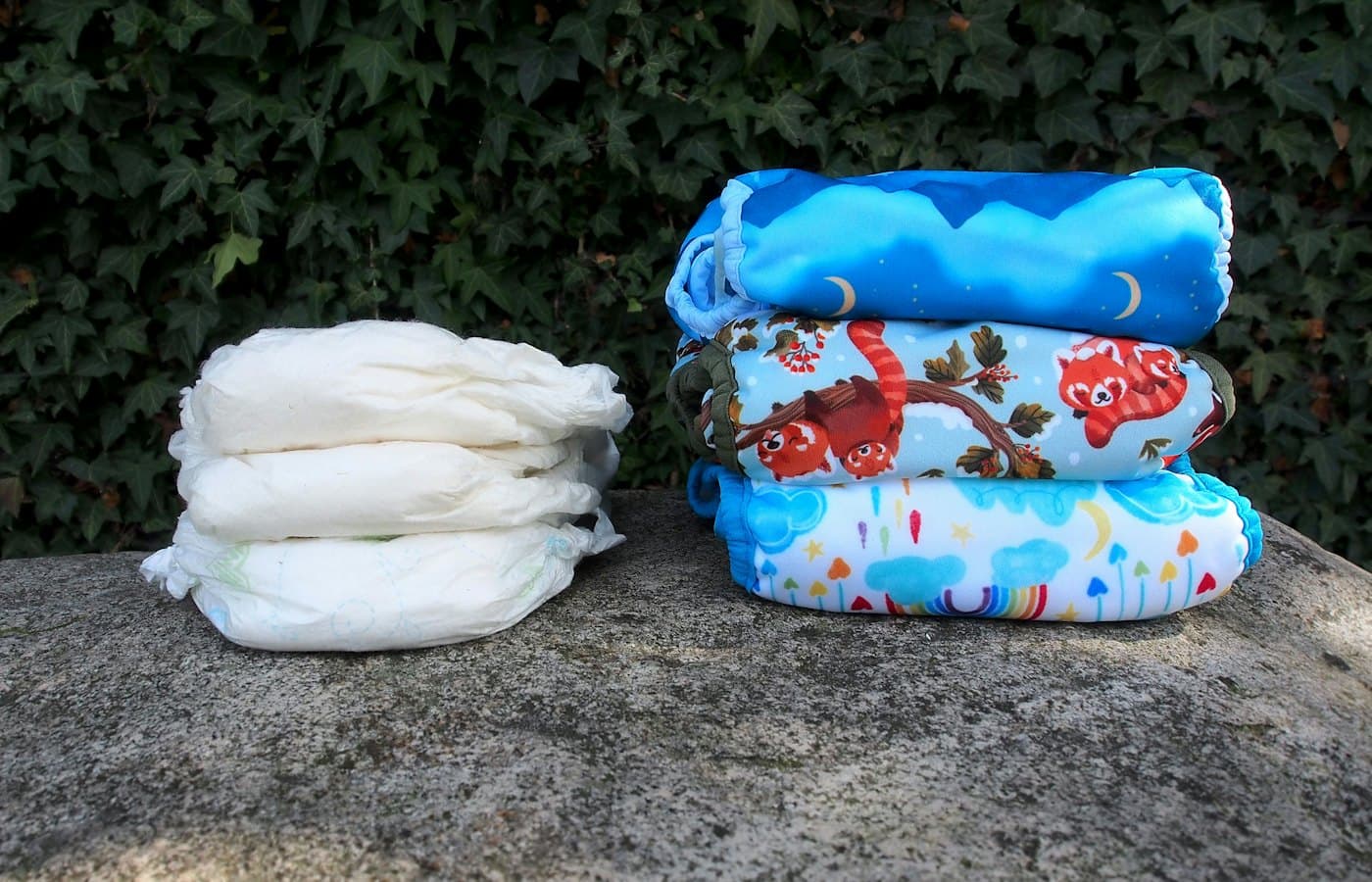 Diapers & Baby CareOrganic Cloth DiapersGOTS is the organic label for cloth diapers, and few brands hold it. What each pick's claim covers.
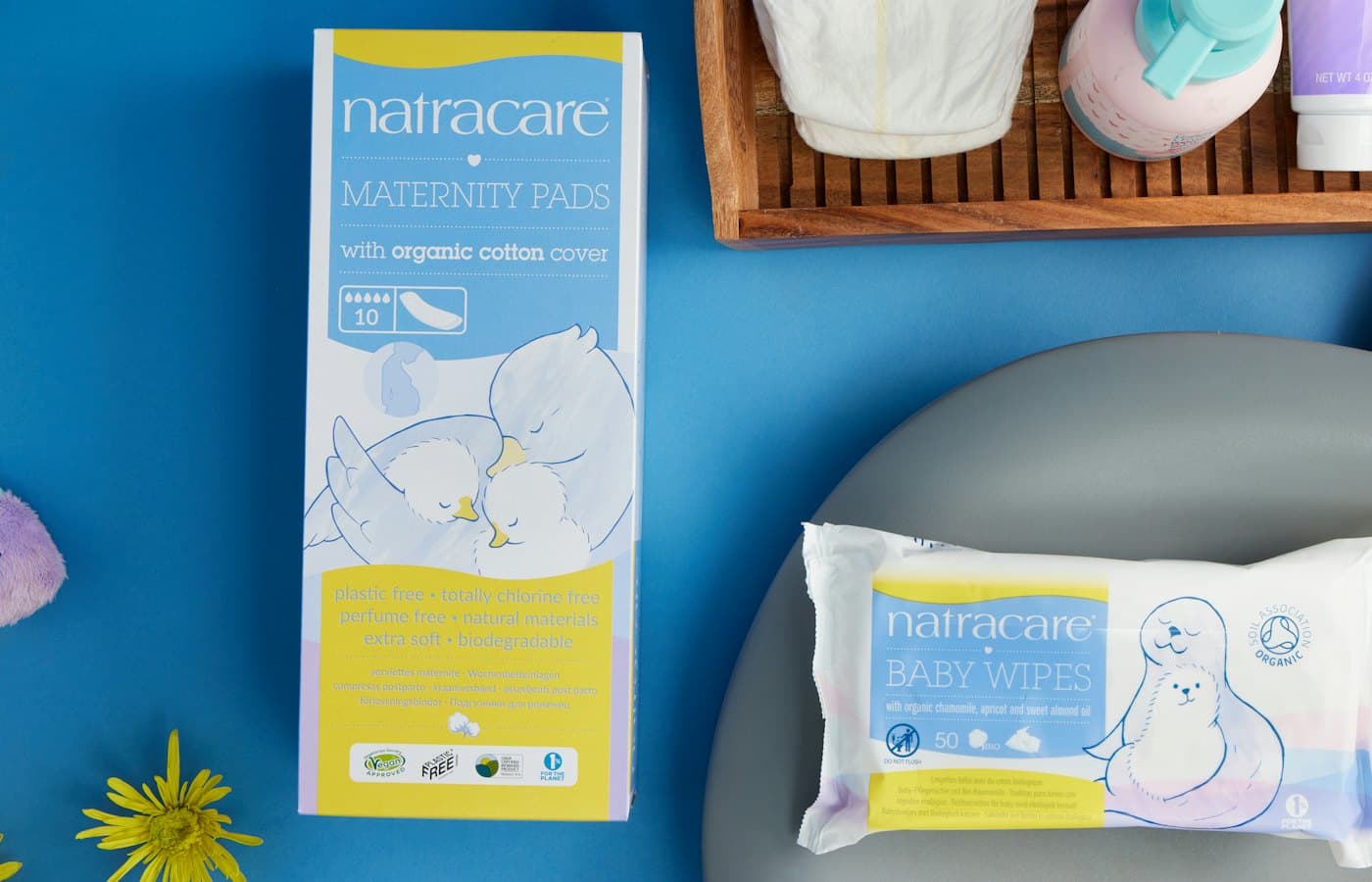 Diapers & Baby CareBaby WipesA wipe is a cloth plus a lotion. See which part a brand's certification covers, and four checked picks.
 Diapers & Baby CareOrganic Diaper CreamUSDA Organic balms and zinc oxide creams are different products. What each label covers, with four picks.