Diapering & Baby Care
Organic Diaper Cream
A diaper balm made of plant oils and beeswax can carry the USDA Organic seal. A zinc oxide cream usually cannot, because zinc oxide is a mineral and takes up too much of the formula. Both have a place. Check the seal and the certifier's name, and check whether the product contains zinc.
What organic means here
The FDA does not define "organic" for cosmetics, so this page accepts the USDA Organic seal with a named certifier for balms, and EWG Verified for zinc oxide creams that cannot reach the USDA threshold. Each pick says whether it contains zinc oxide and whether it is fragrance free, because the American Academy of Pediatrics names both.
Look for
- The USDA Organic seal and the certifying agent's name on a balm
- Zinc oxide listed as the active ingredient if you want a barrier paste
- "Fragrance free", and no essential oils in the ingredient list, if you want no scent
- A full ingredient list, including the source of any oils if your child has a nut allergy
Be wary of
- "Organic" on a zinc cream with no certifier: the mineral alone rules out a 95 percent organic formula
- "Made with organic ingredients" read as fully organic: that tier starts at 70 percent
- Talc-based baby powder, which the AAP says parents should not use
- "Natural fragrance" on a product you expected to be scent free
Products that carry the certification
We have not tested these products. Each one was checked against the brand’s own page and the certifier’s records. Product links may be affiliate links: if you buy through one we may earn a commission, at no extra cost to you. How we choose.
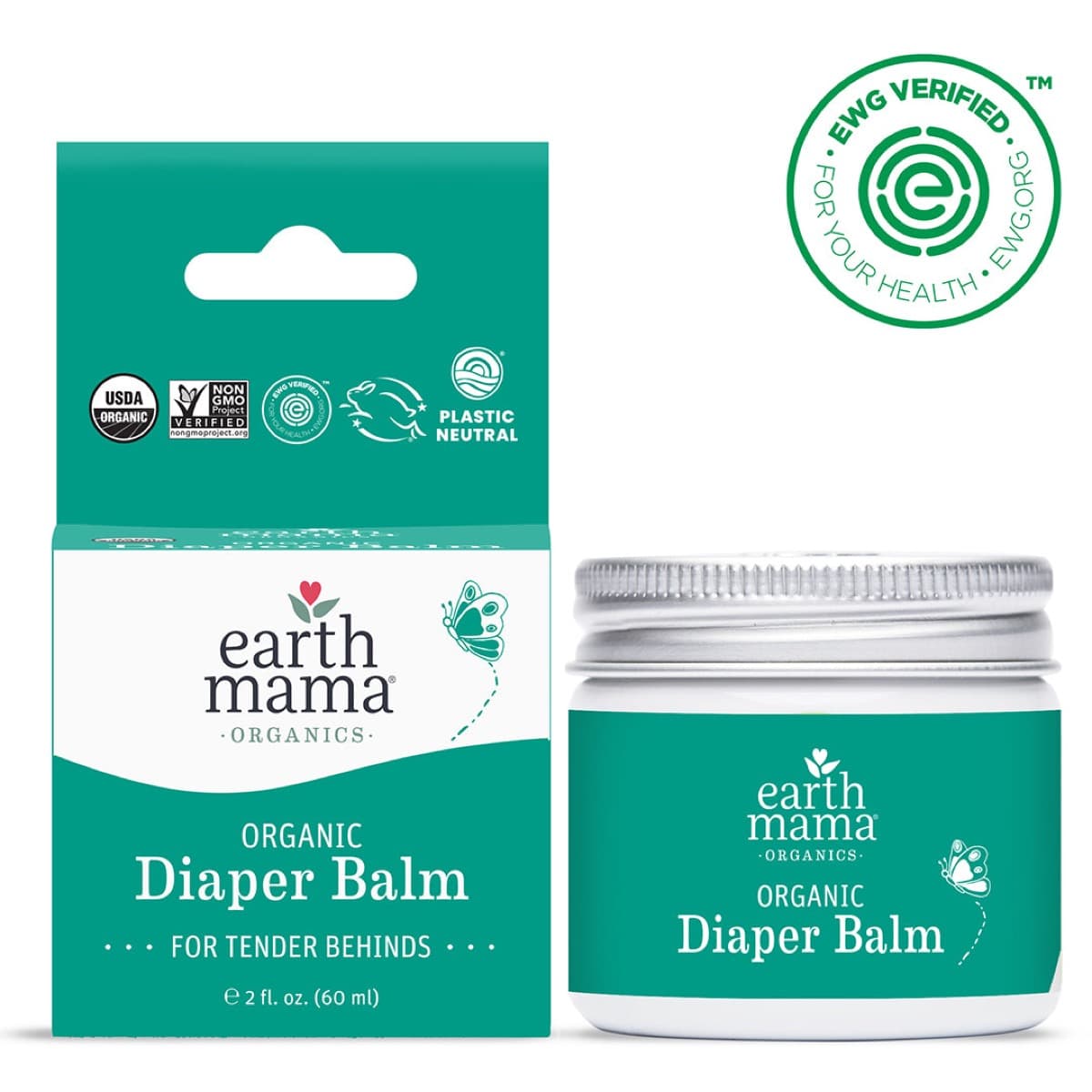
Photo: Earth Mama 1Earth MamaUSDA Organic, no zinc or petroleumOrganic Diaper Balm
- USDA Organic
- Non-GMO Project Verified
- Leaping Bunny
- EWG Verified
This balm of organic olive oil, shea butter, beeswax and herbs is Certified Organic by Oregon Tilth, and the product page shows the USDA Certified Organic, Non-GMO Project Verified, Leaping Bunny and EWG Verified marks. The brand says it contains no zinc, petroleum or preservatives and can be used with cloth diapers.
Good to know: Not fragrance free: it contains lavender and tea tree essential oils. It has no zinc oxide, so it is a balm and not a zinc barrier paste. Contains beeswax.
Checked against: earthmamaorganics.com · earthmamaorganics.com
View at Earth Mamaearthmamaorganics.com
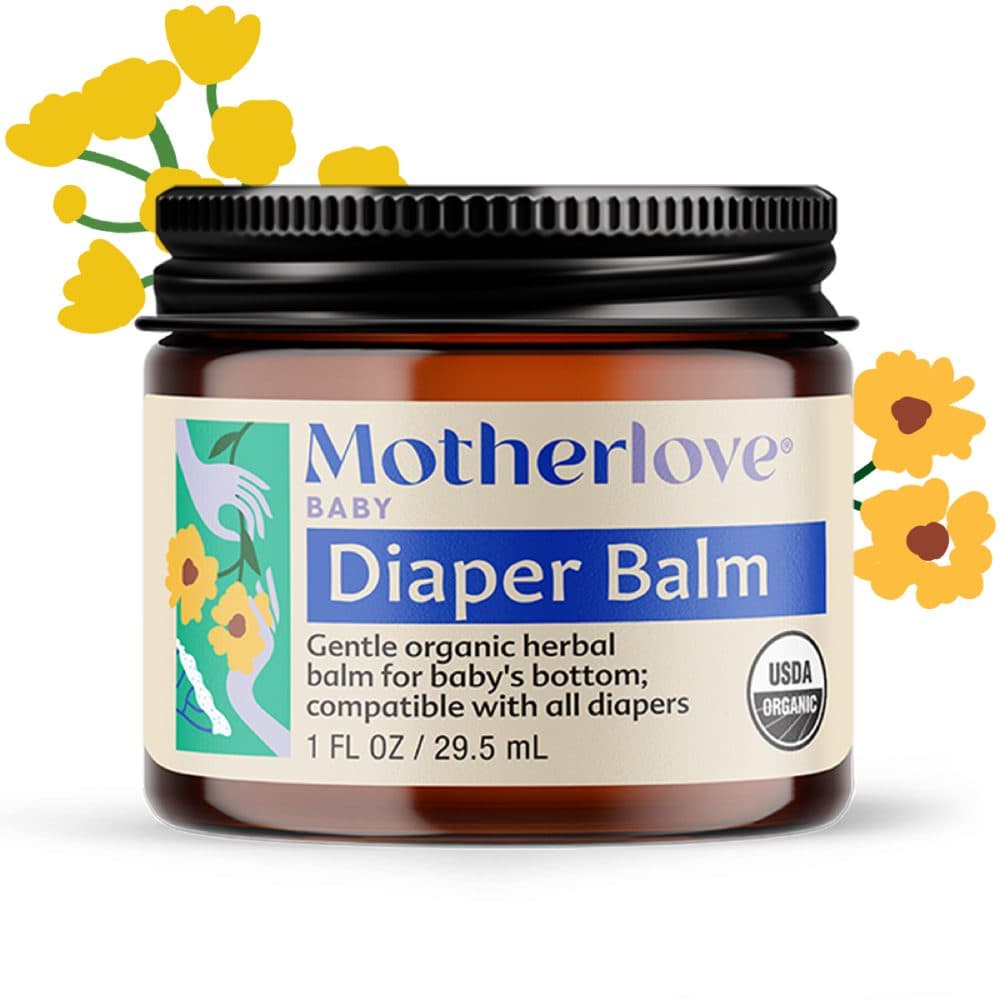
Photo: Motherlove 2MotherloveSix organic ingredientsDiaper Balm
- USDA Organic
- Leaping Bunny
Motherlove lists six ingredients, all marked organic: extra virgin olive oil, beeswax, Oregon grape root, myrrh gum, yarrow and calendula. The product page states it is Certified Organic by Oregon Tilth and Leaping Bunny certified, shows the USDA Organic logo, and describes the balm as free of zinc oxide and petroleum.
Good to know: No zinc oxide or petrolatum, the two barrier ingredients the AAP names. It is an herbal balm, so ask your pediatrician before using it on a rash that is not clearing. Contains beeswax.
Checked against: motherlove.com
View at Motherlovemotherlove.com
- 3Babo Botanicals25% zinc oxide, fragrance-free
Sensitive Baby Zinc Diaper Rash Cream
A zinc oxide cream that the brand states is EWG Verified and fragrance-free, with 25% zinc oxide plus shea butter and coconut oil. Babo Botanicals describes it as pediatrician tested and suitable for use with cloth diapers.
Good to know: Not certified organic. Only the brand's herbal blend is described as certified organic, and the page names no certifier for it. Contains coconut oil.
Checked against: babobotanicals.com
View at brand sitebabobotanicals.com
- 4ATTITUDEUnscented zinc stick, cardboard tube
Baby Diaper Cream
ATTITUDE marks this unscented zinc oxide stick EWG VERIFIED and dermatologically tested. The brand describes it as vegan, enriched with castor oil, and packaged in a plastic-free cardboard tube that you push up from the bottom.
Good to know: Not certified organic and no organic content is claimed. It contains almond oil. The AAP advises avoiding nut-based oils if your child has a nut allergy.
Checked against: attitudeliving.com
View at ATTITUDEattitudeliving.com
Products with a photo are shown first; otherwise the order says nothing about quality. Certifications can lapse: check the certifier’s database before you buy.
Why a balm can be USDA Organic and a zinc cream usually cannot
The FDA does not define "organic" for cosmetics. The USDA does regulate the word for agricultural products, and a body care product made of agricultural ingredients can be certified under the same rules as food. To use the USDA Organic seal, at least 95 percent of the ingredients, not counting water and salt, must be organically produced.
Olive oil, shea butter, beeswax and herbs are agricultural, so a balm made only of those can qualify. Zinc oxide is a mineral. One zinc cream on this page is a quarter zinc oxide by its own label, which leaves no room for a 95 percent organic formula. That is arithmetic, not a flaw in the product.
Some personal care products are certified to NSF/ANSI 305 instead, a private standard for products containing organic ingredients. The USDA says private standards like this are allowed and are not regulated by its National Organic Program. Our guide to reading a USDA organic label covers the tiers.
What the AAP recommends for diaper rash
The American Academy of Pediatrics says the brand matters less than the ingredients. It names zinc oxide and petrolatum as good choices for a barrier paste and prefers fragrance-free products. It suggests a thick layer, and says that if the paste is not soiled you can leave it on and add more at the next change.
That guidance points toward zinc. The organic balms here contain neither zinc oxide nor petrolatum, and both include botanical ingredients. Which to use on your baby, and when, is a question for your pediatrician.
Zinc paste and organic balm compared
| Organic balm | Zinc oxide cream | |
|---|---|---|
| Base | Plant oils and beeswax | Zinc oxide in oils or butters |
| Can carry the USDA Organic seal | Yes, if certified | Not at 95 percent organic |
| Named by the AAP as a barrier | No | Yes |
| Picks on this page | Earth Mama, Motherlove | Babo Botanicals, ATTITUDE |
Cloth diapers, wipes and powder
If you use cloth diapers, read the maker's statement about cloth. Not every cream is described as suitable, so look for the words on the product page or tube. The AAP also suggests that cloth users consider disposable diapers until a rash heals.
For cleaning before the cream goes on, the AAP advises fragrance-free baby wipes or plain water. It says not to use talc-based baby powder, and notes that cornstarch powder can still irritate the airways if a baby breathes it in.
When to call the pediatrician
These signs come from the AAP. A yeast or bacterial rash needs different treatment, and no balm or cream on this page is a substitute for that.
- The rash does not clear with frequent changes and barrier paste, or gets worse after two to three days.
- It has pimples, blisters, peeling skin, or sores that ooze or crust.
- Your baby is taking an antibiotic and develops a bright pink or red rash with red spots at the edges.
- The rash is very painful, or your baby also has a fever.
Questions people ask
Can diaper cream be USDA Organic?
Yes, if it is made of agricultural ingredients and at least 95 percent of them, not counting water and salt, are organic. Balms made of plant oils, beeswax and herbs can meet that. The label must name the certifying agent. Two picks on this page are certified by Oregon Tilth and show the USDA seal on their product pages.
Is zinc oxide organic?
No. Zinc oxide is a mineral, and organic rules apply to things that are grown or raised. A zinc cream can use organic oils around the zinc, but a formula that is a quarter zinc oxide cannot also be 95 percent organic ingredients. For zinc creams, look at the full ingredient list and for a mark such as EWG Verified.
Which is better for diaper rash, a balm or a zinc cream?
The AAP names zinc oxide and petrolatum as good choices for a barrier paste and says fragrance-free products are preferable. Organic herbal balms contain neither, so they are not what that guidance describes. Ask your pediatrician which to use, especially if a rash has lasted more than two or three days or has blisters or sores.
Are essential oils in diaper balm a problem?
They are a scent, and the AAP advises fragrance-free diaper products. The FDA notes that an ingredient's source does not determine its safety and that plants can be allergenic whether or not they are organic. If you want no scent, read the ingredient list for flower, peel and leaf oils. Ask your pediatrician if your baby has sensitive skin or eczema.
Can I use diaper cream with cloth diapers?
It depends on the product. Three of the picks on this page are described by their makers as suitable for cloth diapers. For any other cream, check the product page or the tube before you buy, and do not assume. The diaper maker's care instructions may also say which creams to avoid.
Sources
Each page was opened and read on October 11, 2026.
- FDA: "Organic" Cosmetics
- USDA National Organic Program: Cosmetics, Body Care Products, and Personal Care Products fact sheet (PDF)
- HealthyChildren.org (American Academy of Pediatrics): Common Diaper Rashes & Treatments
- HealthyChildren.org (American Academy of Pediatrics): How to Choose Safer Personal Care Products
Keep reading
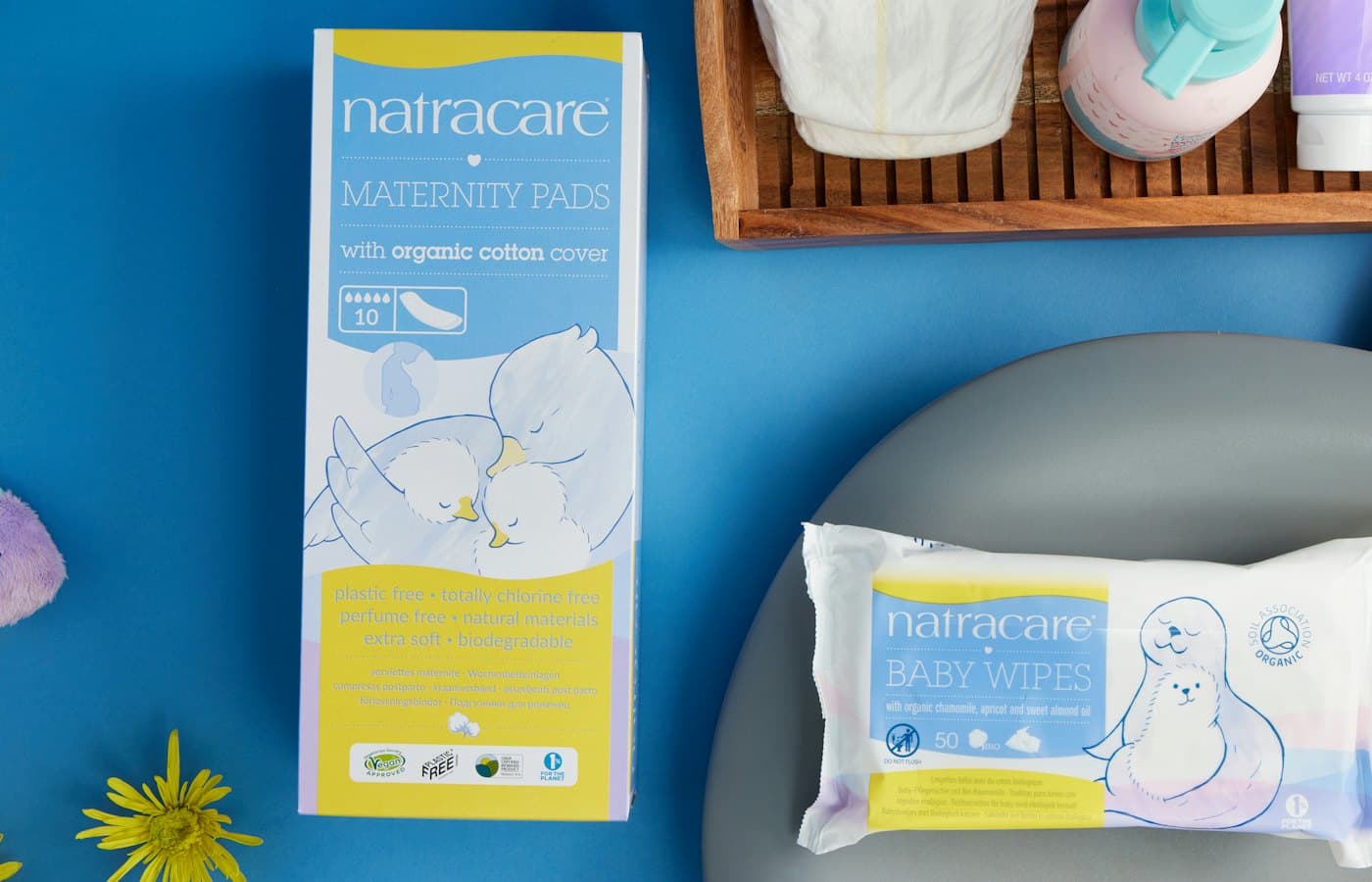 Diapers & Baby CareBaby WipesA wipe is a cloth plus a lotion. See which part a brand's certification covers, and four checked picks.
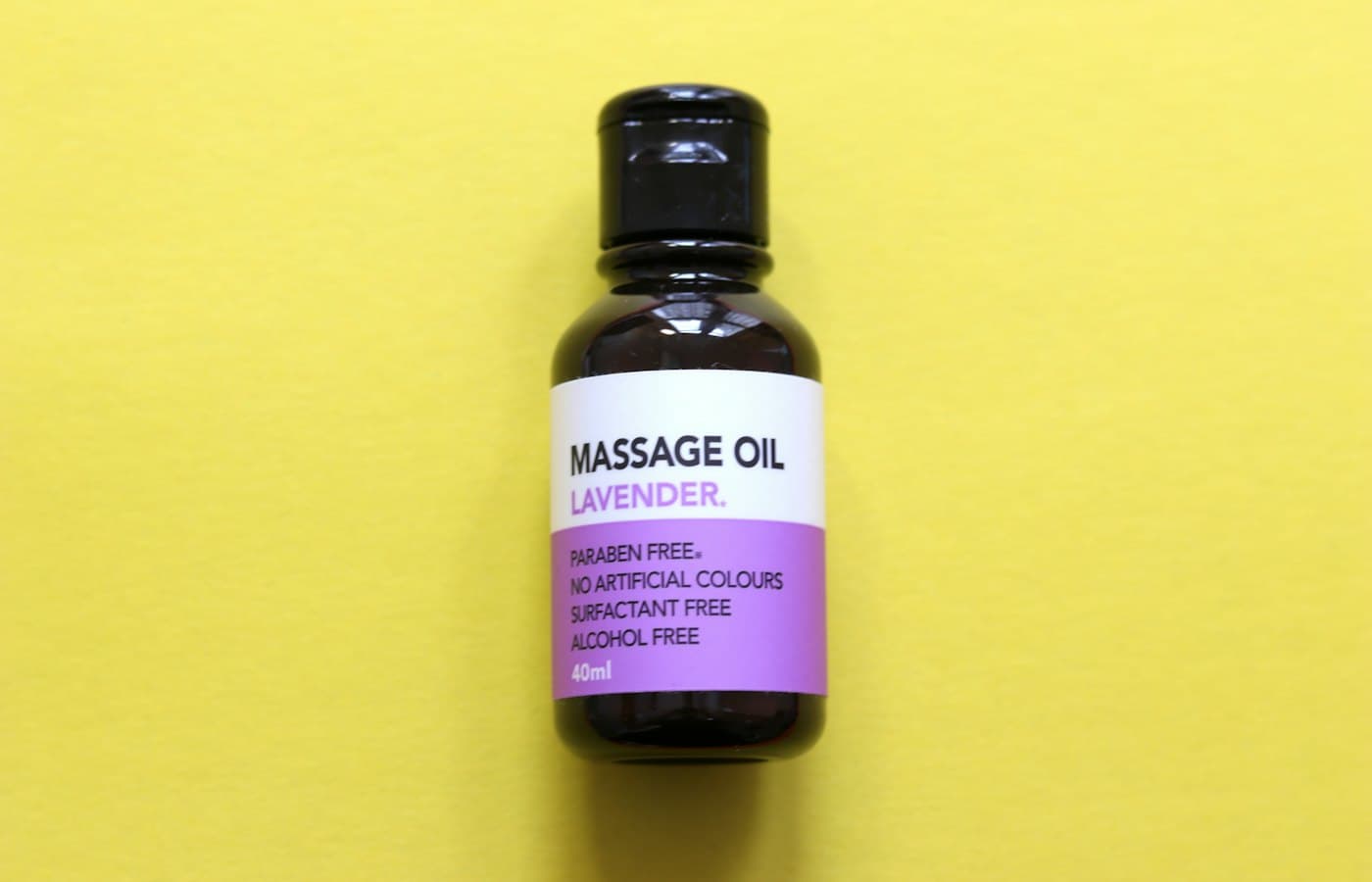 Diapers & Baby CareOrganic Baby Lotion & OilA plain baby oil can be USDA Organic. A lotion is harder to certify. What each seal on the bottle covers.
 Maternity & PostpartumOrganic Nipple BalmUSDA Organic nipple balms with short ingredient lists, and what the seal does not tell you.