Diapering & Baby Care
Organic Cloth Diapers
A cloth diaper is a textile, so the organic label that fits is GOTS, which certifies the fiber and every processing step after it. Few diaper brands hold it. Many buy organic cotton and stop there. Look for GOTS named on the absorbent part, and expect the waterproof cover to be a different material.
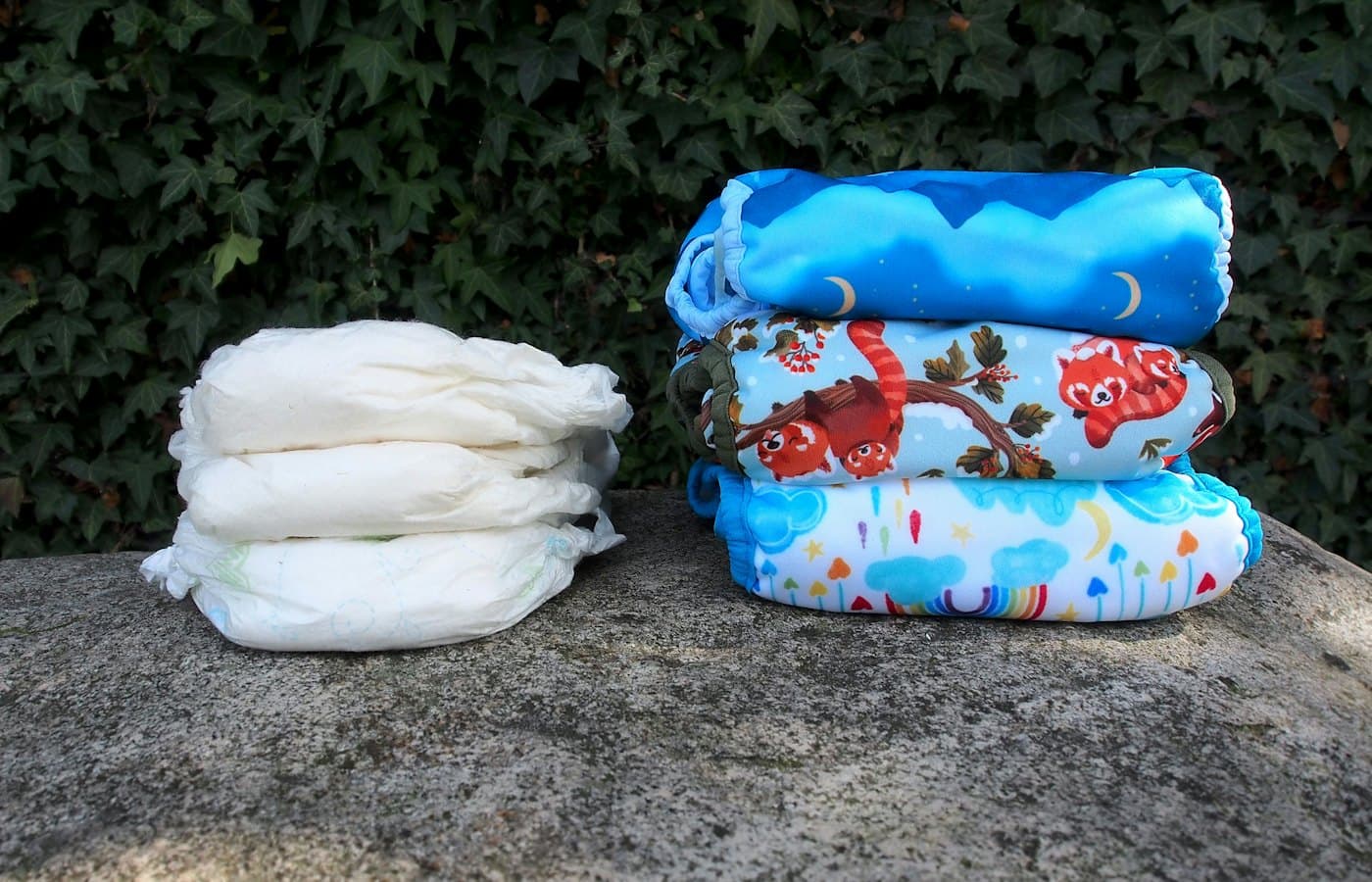
What organic means here
This page looks for GOTS on the absorbent cotton part of the diaper, as stated by the brand. Where a brand uses organic cotton but the finished diaper is not certified, we accept OEKO-TEX Standard 100 with a certificate number and say clearly that it is a harmful-substance test, not an organic certification. Waterproof covers are judged separately.
Look for
- GOTS named for the absorbent diaper itself, not only for the raw cotton
- A certificate or licence number you can look up
- OEKO-TEX Standard 100 as a second check, with its certificate number
- The cover's material listed separately from the inner's
Be wary of
- "Certified organic cotton" with no standard and no certifier named
- "OEKO-TEX certified" with no mention of which OEKO-TEX standard
- "Organic" in a product name when only the raw fiber was bought as organic
Products that carry the certification
We have not tested these products. Each one was checked against the brand’s own page and the certifier’s records. Product links may be affiliate links: if you buy through one we may earn a commission, at no extra cost to you. How we choose.
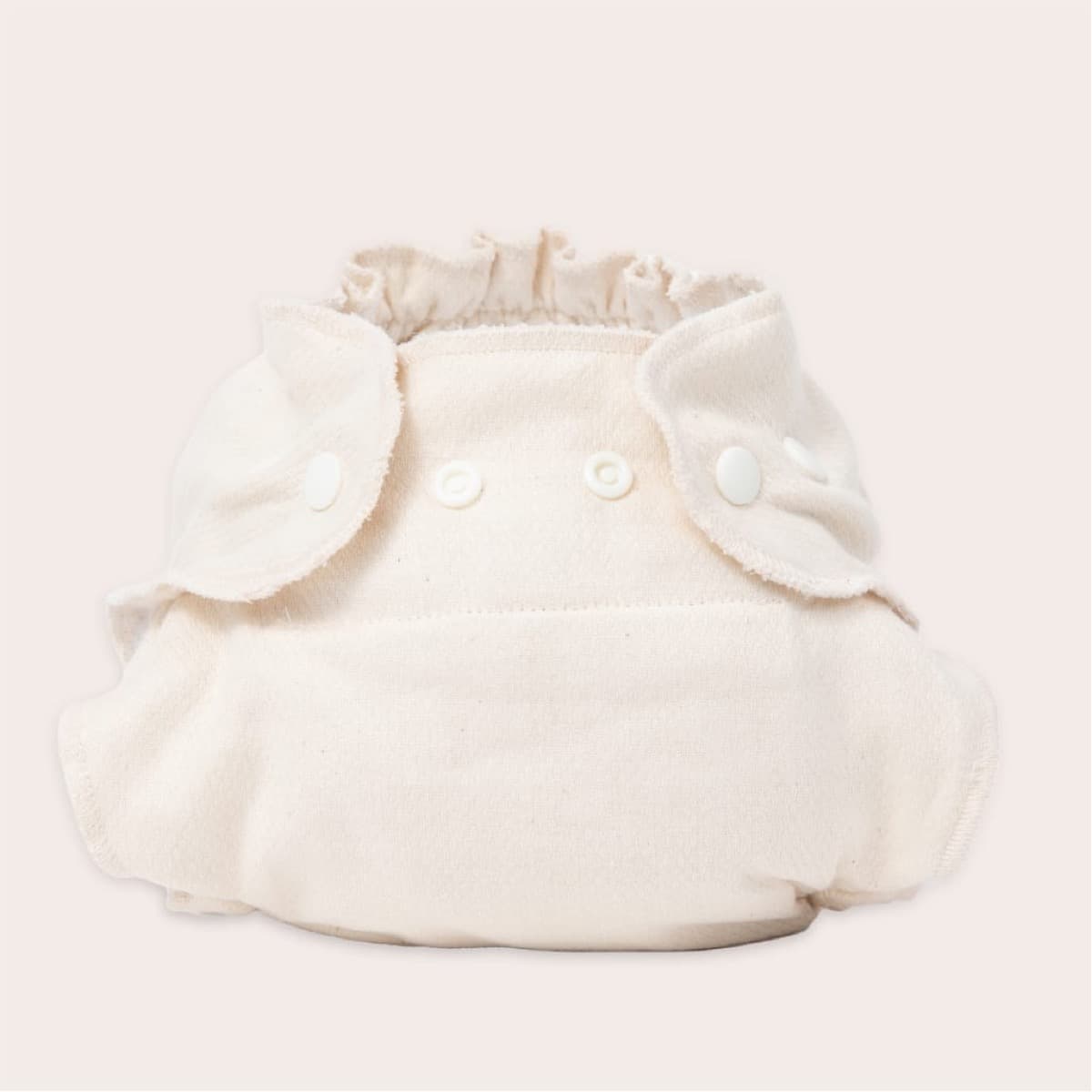
Photo: HealthyBaby 1HealthyBabyAdjustable fitted innerOur Cloth Inner Diaper
The brand describes this inner diaper as 100% unbleached, GOTS Certified Organic Cotton, made in the USA, with adjustable buttons for sizing. It is sold on its own or in a bundle with a waterproof cover made from recycled plastic bottles.
Good to know: The product page does not show a GOTS licence number, so check the sewn-in label. The GOTS claim is for the cotton inner. The cover is recycled polyester and is not organic.
Checked against: healthybaby.com · healthybaby.com
View at HealthyBabyhealthybaby.com
- 2Green Mountain DiapersPlain prefold, certificate number shown
Cloth-eez Prefold Diapers - Organic Natural Unbleached
These prefolds are woven from unbleached cotton that the company buys as certified organic. The finished diaper is certified to OEKO-TEX Standard 100, and the product page prints the certificate number so you can look it up. The trim thread is polyester.
Good to know: Not certified organic. The company says so itself: only the raw cotton it buys is organic, and the weaving and sewing are not certified. A prefold needs a separate cover.
Checked against: greenmountaindiapers.com · greenmountaindiapers.com
View at brand sitegreenmountaindiapers.com
- 3PopoliniGOTS cotton prefold, three sizes
Prefold organic
Popolini lists the material of this prefold as 100% organic cotton, GOTS, and describes it as made from 100% certified organic cotton. It comes in packs of five in three sizes and can be folded as a diaper or used as an insert.
Good to know: An Austrian brand selling through its own English-language store. The page does not show a GOTS licence number. Needs a separate waterproof cover.
Checked against: popolini.com
View at Popolinipopolini.com
Products with a photo are shown first; otherwise the order says nothing about quality. Certifications can lapse: check the certifier’s database before you buy.
GOTS is the organic label for a cloth diaper
GOTS, the Global Organic Textile Standard, requires certification of every processing stage, from the organic fiber to the finished product. A product must contain at least 70 percent certified organic fibers to be certified at all, and at least 95 percent to be labeled "organic". The standard says certified companies get annual on-site audits.
That whole-chain rule is the point. A mill can buy organic cotton, then weave, bleach and sew it in facilities nobody inspects. The cotton was organic. The diaper is not certified.
Why so few cloth diapers are fully certified
Certification costs money at each step, and many cloth diaper makers are small. One of our picks explains this on its own site: it buys certified organic raw cotton, but the processor, the sewing facility and its warehouse are not certified, so it does not call the finished diaper certified organic.
That is an honest answer, and it is more useful than a vague "certified organic cotton" line. When the finished diaper is not GOTS certified, OEKO-TEX Standard 100 is a reasonable second check. It means the article was lab tested for harmful substances. It does not tell you how the cotton was grown. Our guide to GOTS vs OEKO-TEX sets the two side by side.
The cover is a different product
The American Academy of Pediatrics notes that cloth diapers usually need to be worn with an overlying stay-dry cover. On the brand pages we read, covers are polyester with a waterproof laminate, often made from recycled bottles. That fabric can pass an OEKO-TEX test. It cannot be organic.
So read a cloth diaper system in two parts: the absorbent inner, where organic cotton and GOTS apply, and the cover, where they do not.
Absorbency, rash and washing
The AAP says cloth diapers are not as absorbent as disposables and need to be changed more often. For a baby with diaper rash, it suggests cloth users consider disposable diapers until the rash heals. Some zinc oxide creams are not meant for cloth: check the tube, and see our page on diaper cream.
Brands in this category tell you to wash new diapers before first use, and the AAP gives the same general advice for baby clothes. Follow the maker's washing instructions. Our baby laundry detergent page covers what detergent labels mean.
How to check a cloth diaper claim
- 1
Find the standard's name
The page or tag should say GOTS or OEKO-TEX Standard 100 in full. "Certified organic" alone names no standard.
- 2
Find the number
A certified product can show a licence or certificate number. Search it in the GOTS certified suppliers database or the OEKO-TEX label check.
- 3
Check what it applies to
See whether the claim is for the raw cotton, the fabric or the finished diaper, and whether the cover is included.
Questions people ask
Are cloth diapers certified organic?
Some are, most are not. A cloth diaper can be certified under GOTS, which covers the fiber and every processing step. Many brands use organic cotton without certifying the finished diaper. Of our three picks, two state GOTS for the cotton diaper and one says plainly that its product is not certified organic and carries OEKO-TEX Standard 100 instead.
What is the difference between GOTS and OEKO-TEX on a cloth diaper?
GOTS is an organic standard. It requires certified organic fiber, at least 70 percent of the product, and certification of each processing stage. OEKO-TEX Standard 100 is a lab test of the finished article for harmful substances. It applies to conventional and organic cotton alike and says nothing about farming. A diaper can hold one, both or neither.
Can the waterproof cover be organic?
Not the covers we read about for this page. They are made of polyester with a waterproof laminate, which is a synthetic fabric. Some are made from recycled plastic bottles and some are OEKO-TEX certified, both of which are worth knowing, but neither is an organic claim. The organic question applies to the absorbent cotton inner.
Do cloth diapers cause less diaper rash?
The AAP reports that cloth diaper supporters make that claim, and does not endorse it. It says cloth diapers are less absorbent and need more frequent changes, and that there is no current evidence showing which type of diaper prevents rash most effectively. Changing often and using a barrier paste matter more. Ask your pediatrician about a rash that does not clear.
Sources
Each page was opened and read on October 11, 2026.
- Global Organic Textile Standard: Key features of GOTS
- Global Organic Textile Standard: Certified suppliers database
- OEKO-TEX: STANDARD 100
- HealthyChildren.org (American Academy of Pediatrics): Diapers: Disposable or Cloth?
- HealthyChildren.org (American Academy of Pediatrics): Common Diaper Rashes & Treatments
- HealthyChildren.org (American Academy of Pediatrics): Cleaning Baby Clothes
Keep reading
 Diapers & Baby CareCleaner Disposable DiapersNo disposable diaper is certified organic. Here is what the seals on the box do cover.
 Diapers & Baby CareBaby Laundry DetergentDetergent is rarely organic. What Safer Choice, EWG Verified and MADE SAFE mean on a baby detergent.
- Nursery & SleepChanging pads and covers with GOTS certified organic cotton, and which parts the certification leaves out.Organic Changing Pads