Diapering & Baby Care
Baby Laundry Detergent
Laundry detergent is almost never certified organic, so the useful labels are different ones: EPA Safer Choice, EWG Verified and MADE SAFE, each with every ingredient disclosed. The American Academy of Pediatrics says most families do fine with their regular detergent, and to switch to a fragrance-free one if your baby's skin gets irritated.
What organic means here
Few detergents carry the USDA Organic seal, so this page accepts EPA Safer Choice, EWG Verified or MADE SAFE, as stated by the brand for that product, with a published ingredient list. We list liquids and powders only. Single-load packets are left out because of the poisoning risk the AAP describes for young children.
Look for
- A named mark: EPA Safer Choice, EWG Verified or MADE SAFE
- Every ingredient listed, including what makes up any scent
- "Fragrance free" or "unscented" stated for the exact version you are buying
- Liquid or powder in a bottle or box that closes tightly
Be wary of
- Single-load packets or pods in a home with children under 6
- "Baby" on the front as if it were a standard: no certification defines it
- "Plant-based" or "natural" with no ingredient list
- "Natural fragrance" in a product you expected to be scent free
Products that carry the certification
We have not tested these products. Each one was checked against the brand’s own page and the certifier’s records. Product links may be affiliate links: if you buy through one we may earn a commission, at no extra cost to you. How we choose.
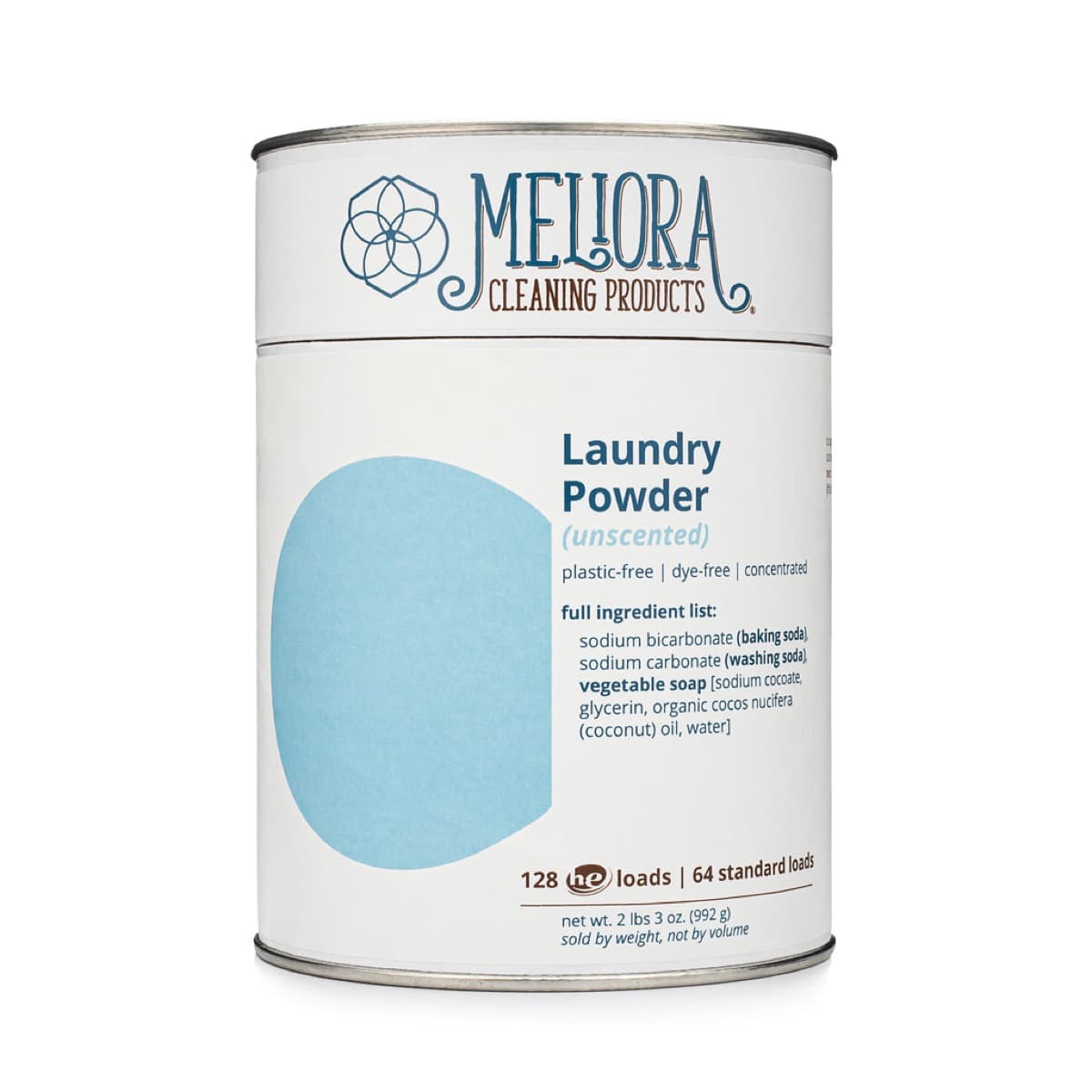
Photo: Meliora 1MelioraMADE SAFE powder, unscented optionLaundry Powder Detergent
- MADE SAFE
- Leaping Bunny
A powder of baking soda, washing soda and vegetable soap made with organic coconut oil. Meliora states it is MADE SAFE Certified and Leaping Bunny certified, lists every ingredient, and sells it in an unscented version in a refillable, plastic-free container.
Good to know: Not certified organic: only the coconut oil in the soap is described as organic. It contains soap, and the AAP notes that soap flakes can strip flame-retardant properties from sleepwear, so read sleepwear care labels. Scented versions use essential oils.
Checked against: meliorameansbetter.com
View at Meliorameliorameansbetter.com
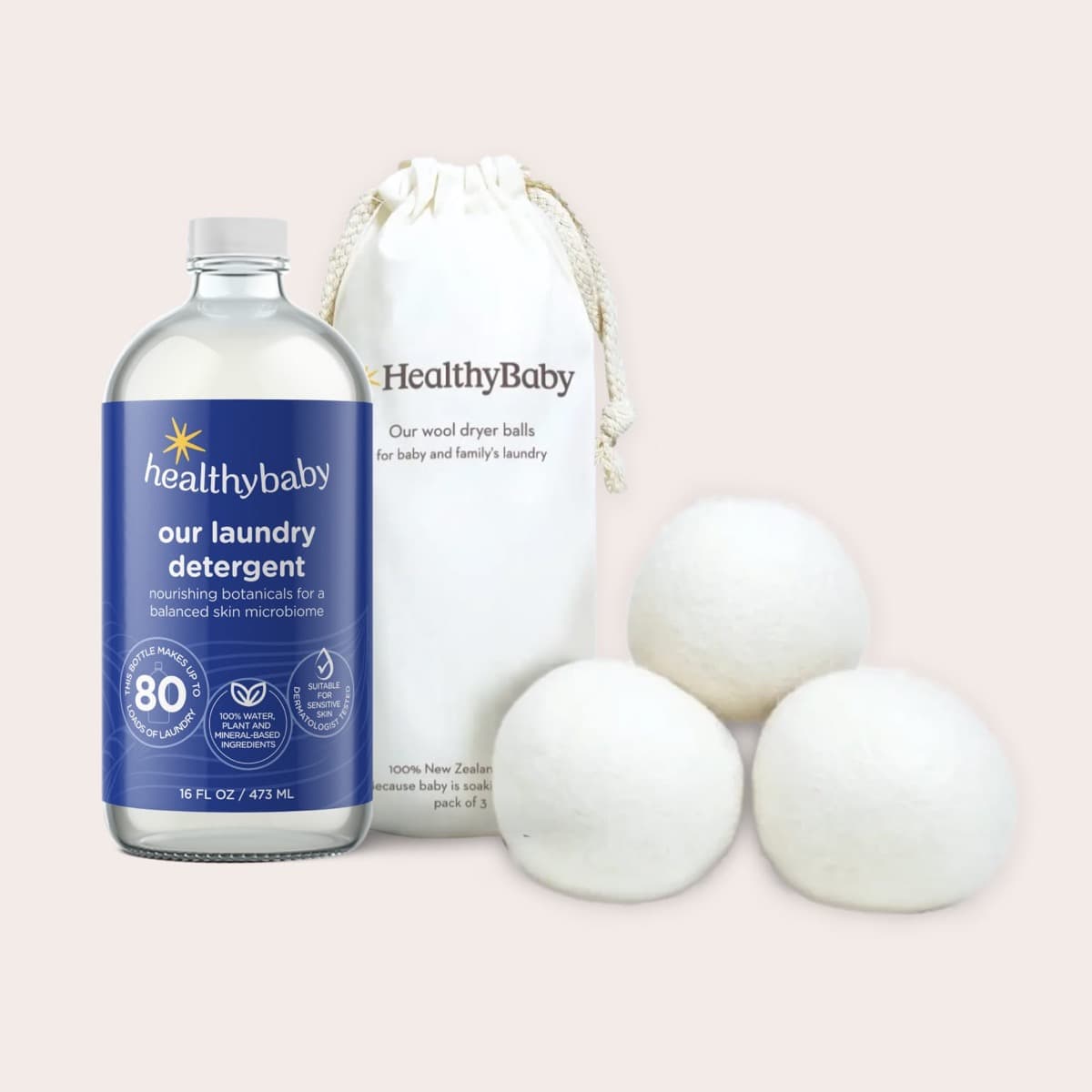
Photo: HealthyBaby 2HealthyBabyConcentrate with wool dryer ballsOur Laundry System
A laundry concentrate that the brand states is EWG VERIFIED and made from water, plant and mineral-derived ingredients, sold as a set with wool dryer balls. The product page publishes the full ingredient list.
Good to know: Not fragrance free: the list includes rosemary and bergamot oils, marked as certified organic ingredients, plus linalool and limonene. The detergent as a whole is not certified organic.
Checked against: healthybaby.com
View at HealthyBabyhealthybaby.com
- 3ATTITUDEUnscented, enzyme-free liquid
Baby Laundry Detergent
An unscented liquid that ATTITUDE marks EWG VERIFIED and vegan. The brand describes it as free of enzymes, made for high-efficiency and standard washers, and suitable for all fabrics including cloth diapers. The product page lists the ingredients by type and name.
Good to know: No organic content is claimed. EWG Verified is not an organic certification. The surfactants include sodium coco-sulfate.
Checked against: attitudeliving.com
View at ATTITUDEattitudeliving.com
- 4ECOSEPA Safer Choice, no dyes or scent
Hypoallergenic Laundry Detergent, Free & Clear
- EPA Safer Choice
- Leaping Bunny
ECOS states this liquid detergent is Safer Choice-certified by the U.S. Environmental Protection Agency and Leaping Bunny certified. The brand describes it as made without added dyes or fragrances, using a coconut-derived cleaner, and vegan.
Good to know: Not sold as a baby detergent, and no organic content is claimed. "Hypoallergenic" in the name is the brand's word, not a certification.
Checked against: ecos.com
View at ECOSecos.com
Products with a photo are shown first; otherwise the order says nothing about quality. Certifications can lapse: check the certifier’s database before you buy.
Detergent is not an organic product, so look at these labels
USDA organic rules are written for agricultural products. A detergent is mostly surfactants, minerals and water, and very few carry the seal. A detergent can contain an organic ingredient, such as the oil a soap was made from or an essential oil, and still not be organic as a whole.
The mark with a government body behind it is EPA Safer Choice. The EPA says it reviews every chemical ingredient in a labeled product, whatever its percentage, and also looks at performance, pH and packaging, with annual audits. It offers a separate fragrance-free version of the label.
EWG Verified and MADE SAFE are private marks that brands earn by meeting those organizations' ingredient criteria. None of the three is an organic certification.
Do you need a special baby detergent?
The American Academy of Pediatrics is relaxed about this. It says many parents wash baby clothes with the rest of the family's laundry without causing any problems, and that you only need to move to a milder "baby" detergent, or a hypoallergenic or fragrance-free adult one, if your baby shows signs of skin irritation.
It does recommend washing clothes before a newborn wears them, because newborn skin tends to be sensitive and you do not know who handled the clothing. No certification defines the word "baby" on a detergent. A fragrance-free family detergent with a third-party mark, like those on our general laundry detergent page, can do the same job.
Laundry packets and young children
This is the safety issue in this category, and it has nothing to do with ingredient lists. The AAP says that if children age 6 or younger live in or visit your home, you should consider traditional detergent in place of single-load packets. The detergent in packets is very concentrated, and the packets can look like candy.
Fragrance, enzymes and sleepwear
"Unscented" and "fragrance free" are the maker's words, so read the ingredient list for the version you are buying. Several brands sell scented and unscented detergents under one product name.
Makers also differ on enzymes: one pick here advertises being enzyme-free, and other baby detergents advertise enzymes for stains. No standard we found settles that. For stains specifically, see stain removers.
One sourced point on sleepwear: the AAP says detergents in general do not strip the flame-retardant properties of children's sleepwear, but soap flakes can. If you use cloth diapers, follow the diaper maker's washing instructions as well.
Questions people ask
Is there an organic laundry detergent for babies?
We did not find a baby detergent certified organic as a whole product. Detergents are mostly surfactants and minerals, which are not agricultural. Some contain organic ingredients, such as organic coconut oil in a soap base or organic essential oils. For the whole product, the labels to look for are EPA Safer Choice, EWG Verified or MADE SAFE.
Do I need to wash baby clothes separately?
The AAP says it is a common recommendation, and that in practice many if not most parents wash baby clothes with the family laundry without problems. Its advice is to pick a detergent that works for you and switch to a milder baby detergent or a fragrance-free one only if your baby develops signs of skin irritation.
Are laundry pods safe to use with a baby in the house?
The AAP advises families with children age 6 or younger to consider traditional liquid or powder detergent in place of single-load packets. Packet detergent is very concentrated, and biting a packet can shoot detergent into a child's mouth, throat or eyes. If you do use them, store them locked away, and call Poison Help at 1-800-222-1222 after any exposure.
What does EPA Safer Choice mean on a detergent?
It means the product met the EPA's Safer Choice Standard. The EPA says it reviews every chemical ingredient regardless of percentage, and also checks product performance, pH and packaging, then audits annually. It is a federal program about safer chemical ingredients. It is not an organic certification, and it does not mean a product is fragrance free unless it carries the fragrance-free version of the label.
Should I wash new baby clothes before use?
Yes, according to the AAP. It says it is generally a good idea to wash all clothes before your baby wears them, because newborns tend to have sensitive skin and you do not know who has handled the clothing. It makes an exception for outerwear such as coats, which have little contact with the skin.
Sources
Each page was opened and read on October 11, 2026.
- HealthyChildren.org (American Academy of Pediatrics): Cleaning Baby Clothes
- HealthyChildren.org (American Academy of Pediatrics): Laundry Room and Detergent Safety
- U.S. EPA: Learn About the Safer Choice Label
- USDA Agricultural Marketing Service: Cosmetics, Body Care, and Personal Care Products (scope of the organic rules)
Keep reading
 Cleaning & LaundryLaundry DetergentOne USDA Organic detergent and four screened ones, with the seal each holds and where to look it up.
 Cleaning & LaundryStain RemoversOxygen powders and a soap stick with a seal you can look up. None is certified organic.
 Diapers & Baby CareOrganic Cloth DiapersGOTS is the organic label for cloth diapers, and few brands hold it. What each pick's claim covers.