Cleaning & Laundry
Stain Removers
We did not find a laundry stain remover that carries the USDA Organic seal. The products with checkable seals are short-ingredient oxygen powders and soap sticks, screened under EPA Safer Choice, EWG Verified or MADE SAFE. These four picks list every ingredient, and each seal is confirmed on the brand's page or the certifier's list.
What organic means here
Stain removers are made of minerals, soap or enzymes, so USDA Organic rarely applies and no pick here holds it. This page accepts EPA Safer Choice, EWG Verified or MADE SAFE on the named product, with all ingredients disclosed. Oxygen-based powders are bleaching agents, not disinfectants, and we make no germ-killing claims.
Look for
- Safer Choice, EWG Verified or MADE SAFE on the package or product page
- A short, complete ingredient list with the active stain remover named
- Directions that say which fabrics to avoid, such as wool or silk
- A closed tub or box you can store high up
Be wary of
- "Organic stain remover" with no USDA seal and no certifier named
- "Kills bacteria" or "sanitizes" on a product that is not EPA registered
- "Enzyme" or "oxygen" on the front with no ingredient list behind it
Products that carry the certification
We have not tested these products. Each one was checked against the brand’s own page and the certifier’s records. Product links may be affiliate links: if you buy through one we may earn a commission, at no extra cost to you. How we choose.
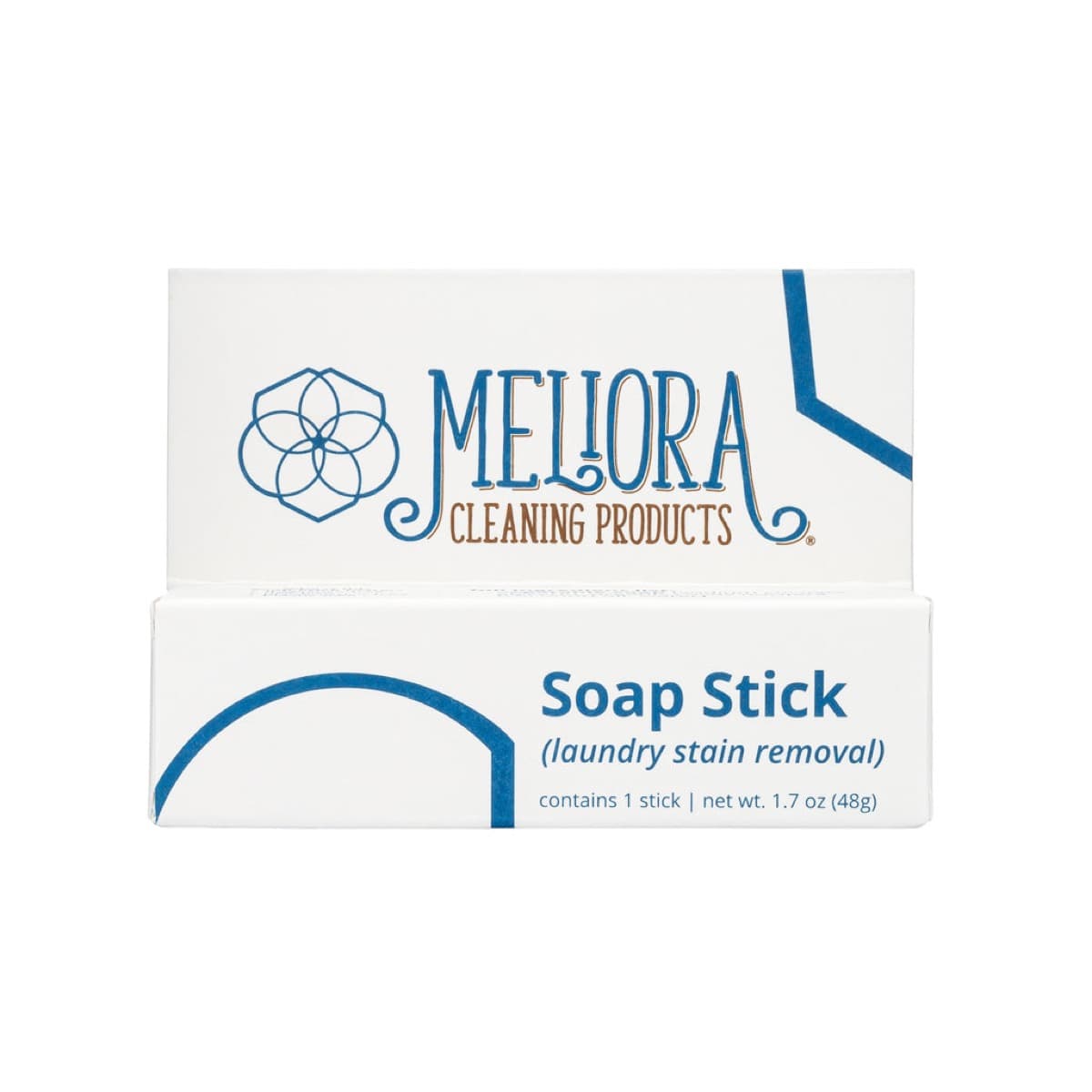
Photo: Meliora 1MelioraSolid stick, no bottleSoap Stick Stain Remover
- MADE SAFE
- Leaping Bunny
An unscented vegetable soap stick made with organic coconut oil that you rub on wet fabric before washing. Meliora says it is MADE SAFE Certified and Leaping Bunny certified and comes in a recyclable paperboard box. The MADE SAFE index lists the Soap Stick for Laundry Stain Removal.
Good to know: The coconut oil is described as organic. The stick is not certified organic. It is a true soap, and one university extension source advises against natural soap on coffee, tea and fruit juice stains.
Checked against: meliorameansbetter.com · index.madeworks.com
View at Meliorameliorameansbetter.com
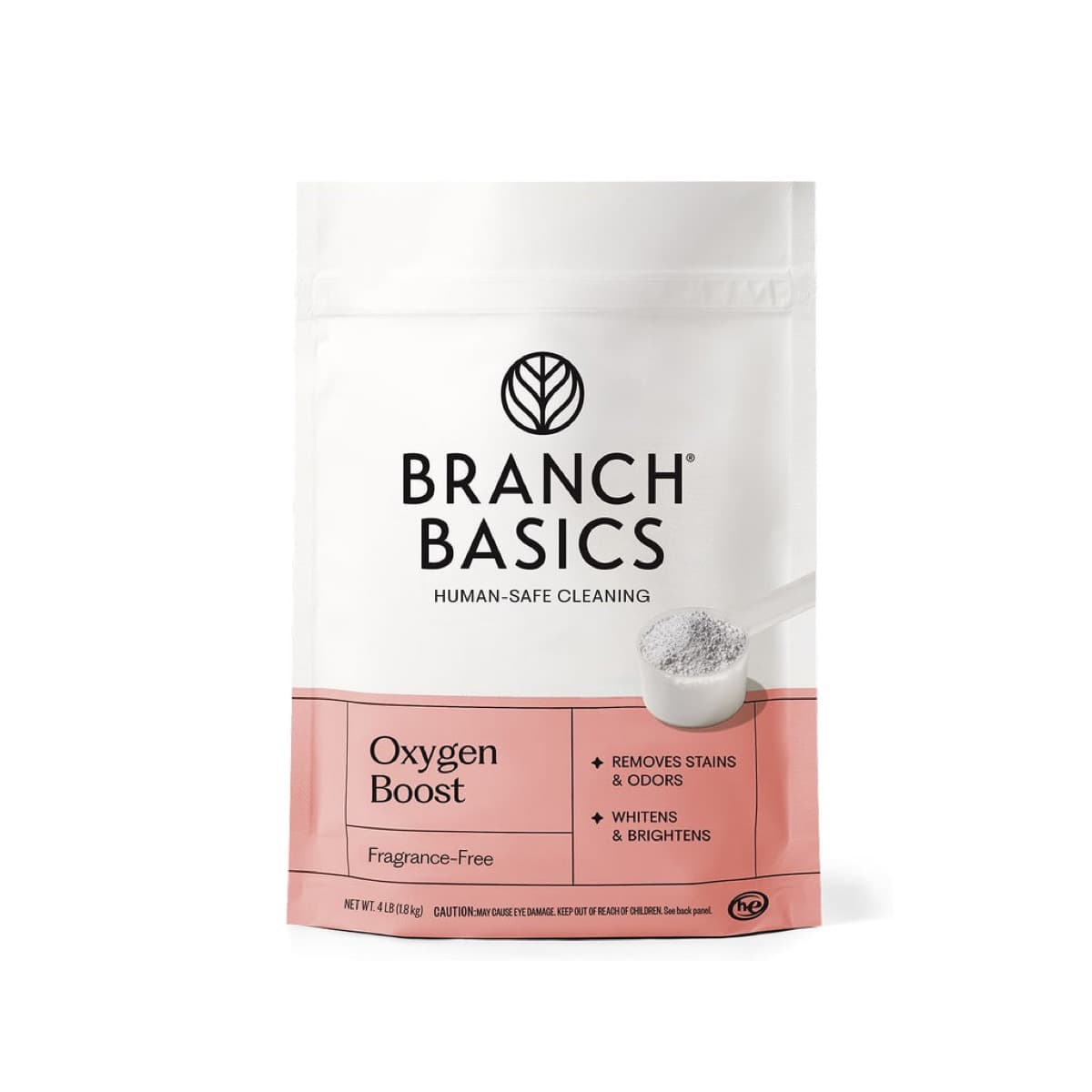
Photo: Branch Basics 2Branch BasicsFragrance-free laundry boosterOxygen Boost
A powder with two listed ingredients, sodium percarbonate and sodium bicarbonate, and no bleach, ammonia, dyes or fragrances, according to the brand. The MADE SAFE index lists Oxygen Boost under stain treatments, and Branch Basics states on its kit page that Oxygen Boost is its one EWG Verified product.
Good to know: Not organic. The brand says the formula is biodegradable but the pouch is not, and that it is not a disinfectant or sanitizer.
Checked against: branchbasics.com · index.madeworks.com · branchbasics.com
View at brand sitebranchbasics.com
- 3ECOSTwo-ingredient powder
OxoBrite Multi-Purpose Stain Remover Free & Clear
An oxygen-based powder with two listed ingredients: sodium carbonate peroxide and sodium carbonate. The EPA's Safer Choice product search lists ECOS OxoBrite Multi-Purpose Stain Remover, Free & Clear as a pre-treater and marks it fragrance free. ECOS says it is made without chlorine, dyes or added scents.
Good to know: Not organic: both ingredients are minerals. The product page itself does not show the Safer Choice badge, so we confirmed it in the EPA list and on the brand's Safer Choice page.
View at ECOSecos.com
- 4AspenCleanFive listed ingredients
Oxygen Bleach Powder and Stain Remover
- EWG Verified
- ECOCERT
- Leaping Bunny
A chlorine-free powder with five listed ingredients: sodium carbonate, sodium carbonate peroxide, sodium citrate, sodium silicate and hydrated silica. AspenClean states it is EWG Verified, ECOCERT certified and certified cruelty-free by Leaping Bunny, and sells it in packaging it describes as compostable.
Good to know: Not organic. The brand's FAQ mentions disinfection in general terms, but this product is not an EPA-registered disinfectant and we make no such claim for it.
Checked against: aspenclean.com · aspenclean.com
View at AspenCleanaspenclean.com
Products with a photo are shown first; otherwise the order says nothing about quality. Certifications can lapse: check the certifier’s database before you buy.
Why stain removers are not certified organic
The USDA Organic seal is for agricultural products. A product needs at least 95 percent organic ingredients, not counting water and salt, to use it. The working ingredient in three of these four picks is a mineral salt that releases oxygen in water. A mineral cannot be organic in the USDA sense.
So the useful question is a different one: has someone outside the company checked the ingredients? EPA Safer Choice means the EPA reviewed every chemical ingredient. MADE SAFE and EWG Verified are private programs with their own lists. A soap stick made with organic oil has one organic ingredient, and that is all the word tells you.
Oxygen powder is still a bleach: do not mix it
Oxygen-based powders are sold as an alternative to chlorine bleach. They are still reactive products. Use one treatment at a time, follow the directions on the label, and do not add a chlorine bleach or an acidic cleaner to the same soak.
How to treat a stain, per university extension advice
- 1
Act quickly
Colorado State University Extension says the first rule is speed. If you cannot treat a stain right away, blot it with cold water. Hot water and bar soap may set many stains.
- 2
Sort the stain
Protein stains such as milk, formula, egg and blood call for cold water. Tannin stains such as coffee, tea and fruit juice should not be treated with natural soap.
- 3
Test first
Try the stain remover on a hidden part of the garment, and check the care label to confirm the item is washable.
- 4
Start gentle
Use the gentlest method first and move to stronger products only if needed, rinsing or washing between treatments.
- 5
Keep it out of the dryer
Heat sets stains. Do not machine dry the item until the stain is completely gone.
Removing a stain is not disinfecting
The EPA defines cleaning as removing dirt and organic matter with soap or detergents. Disinfecting, which kills viruses and bacteria, is a claim reserved for products registered with the EPA as antimicrobial pesticides. None of these picks is registered, and Branch Basics says as much about its own products.
A stain remover works alongside your detergent, not in place of it. See our laundry detergent picks for the wash itself.
Questions people ask
Is there a certified organic stain remover?
We did not find a laundry stain remover with the USDA Organic seal among the brands we checked. Most are built on mineral salts, enzymes or soap. A stick made with organic coconut oil contains an organic ingredient, but its maker does not call the product certified organic. Look for a named screening label and a full ingredient list.
What is oxygen bleach?
On these picks it is a powder whose listed active ingredient is sodium carbonate peroxide, also written as sodium percarbonate, usually with sodium carbonate or baking soda. The brands sell it as a chlorine-free way to brighten laundry and lift stains. It is not chlorine bleach, and it is not an EPA-registered disinfectant on any pick here.
Can I use a stain remover together with chlorine bleach?
No. The CDC says never to mix bleach with ammonia or any other cleaner, and university extension advice is never to mix different stain removers. If one treatment does not work, rinse or launder the item before you try another. Work in a ventilated room and follow each label on its own.
Why did the stain set after I washed it?
Heat is the usual reason. Colorado State University Extension notes that heat sets stains, so a trip through the dryer can make a faint stain permanent. Hot water can do the same to protein stains like milk or blood, which should be soaked in cold water first. Check the item before it goes in the dryer.
Does a stain remover kill germs?
Not the ones on this page. The EPA says products that kill bacteria and viruses on surfaces are registered as antimicrobial pesticides, and none of these picks is. Branch Basics states that its products are not disinfectants or sanitizers. For a sick household, the CDC's laundry advice is to wash with detergent and dry items completely.
Sources
Each page was opened and read on October 11, 2026.
- USDA Agricultural Marketing Service: Labeling Organic Products
- US EPA: Learn About the Safer Choice Label
- Colorado State University Extension, Live Smart Colorado: How to Remove Clothing Stains
- CDC: How to Safely Clean and Sanitize with Bleach
- US EPA: What's the difference between products that disinfect, sanitize, and clean surfaces?
- CDC: When and How to Clean and Disinfect Your Home
Keep reading
 Cleaning & LaundryLaundry DetergentOne USDA Organic detergent and four screened ones, with the seal each holds and where to look it up.
 Cleaning & LaundryWool Dryer BallsWool can be GOTS certified. We found no dryer ball that names GOTS, so here is what brands do state.
 Diapers & Baby CareBaby Laundry DetergentDetergent is rarely organic. What Safer Choice, EWG Verified and MADE SAFE mean on a baby detergent.