Baby & Family
Diapering & Baby Care
Some baby care products can be certified organic and some cannot. A balm made of plant oils can carry the USDA Organic seal. A disposable diaper cannot, because it is mostly pulp, absorbent polymer and plastic film. This department says which certification applies to each product and what it covers.

The word "organic" is defined by the USDA for agricultural products. The FDA, which regulates cosmetics, does not define or regulate it. So a baby lotion or diaper balm is only organic in a checkable sense when a certifier stands behind it: the USDA Organic seal for products with at least 95 percent organic ingredients, or NSF/ANSI 305, a private standard for personal care products containing organic ingredients. That is the test we apply to diaper creams, washes, lotions and oils.
Other products here cannot be organic as a whole. A disposable diaper may have an organic cotton layer or pulp from certified forests, and a wipe may use an organic cotton cloth, but the certificate covers that one part. For these we list what each maker's certification applies to, such as OEKO-TEX Standard 100 testing or EWG Verified, and say plainly what it leaves out. Cloth diapers are textiles, so GOTS is the label to look for, and few brands hold it.
Two pages carry safety guidance that matters more than any seal. Baby sunscreen is a drug product, and the FDA and the American Academy of Pediatrics advise keeping babies under 6 months out of direct sun. Laundry detergent packets are a poisoning risk for young children. We have not used or tested any product in this department. We read labels and certifications.
Categories
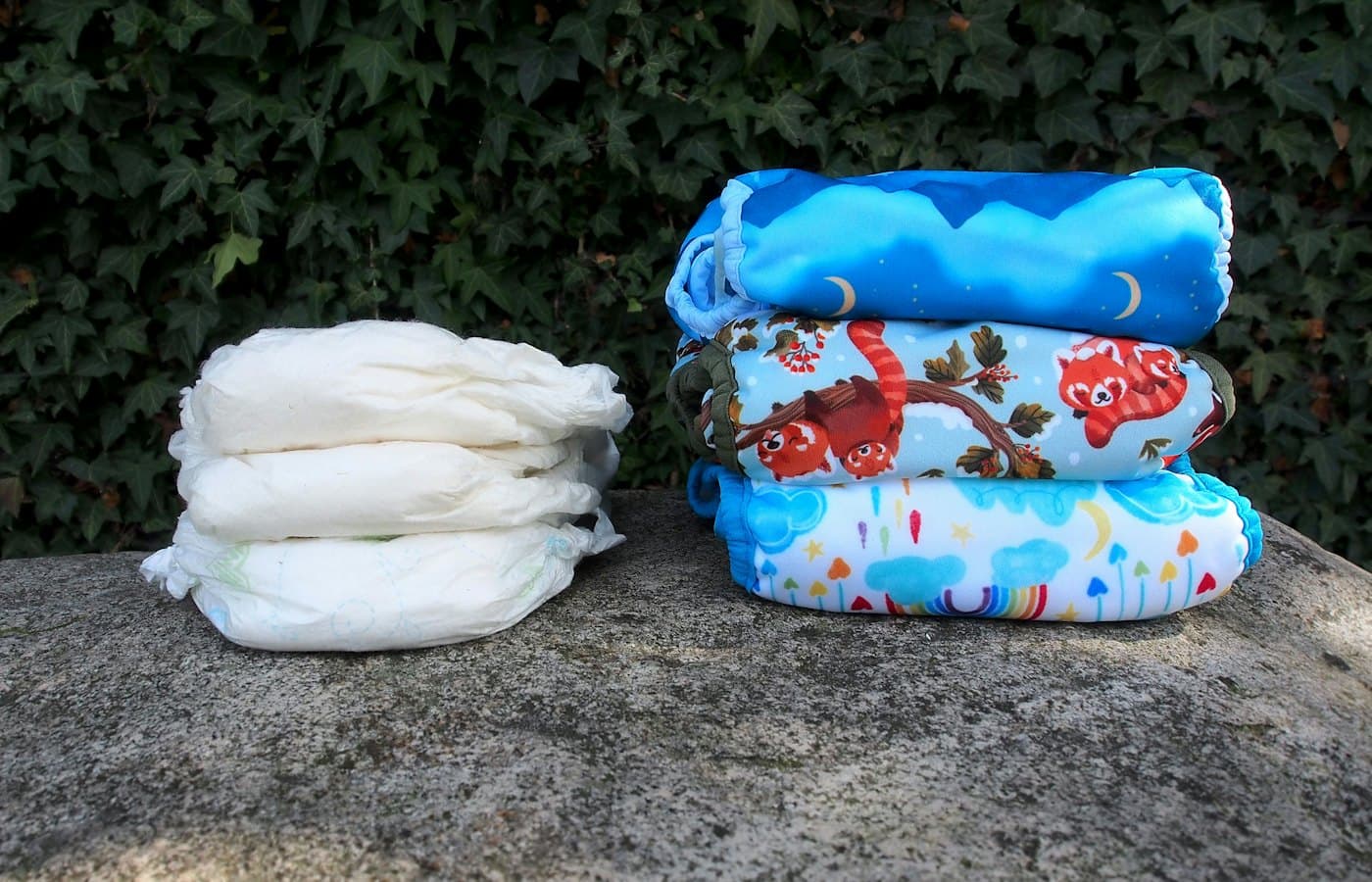
 4 picksCleaner Disposable DiapersNo disposable diaper is certified organic. Here is what the seals on the box do cover.
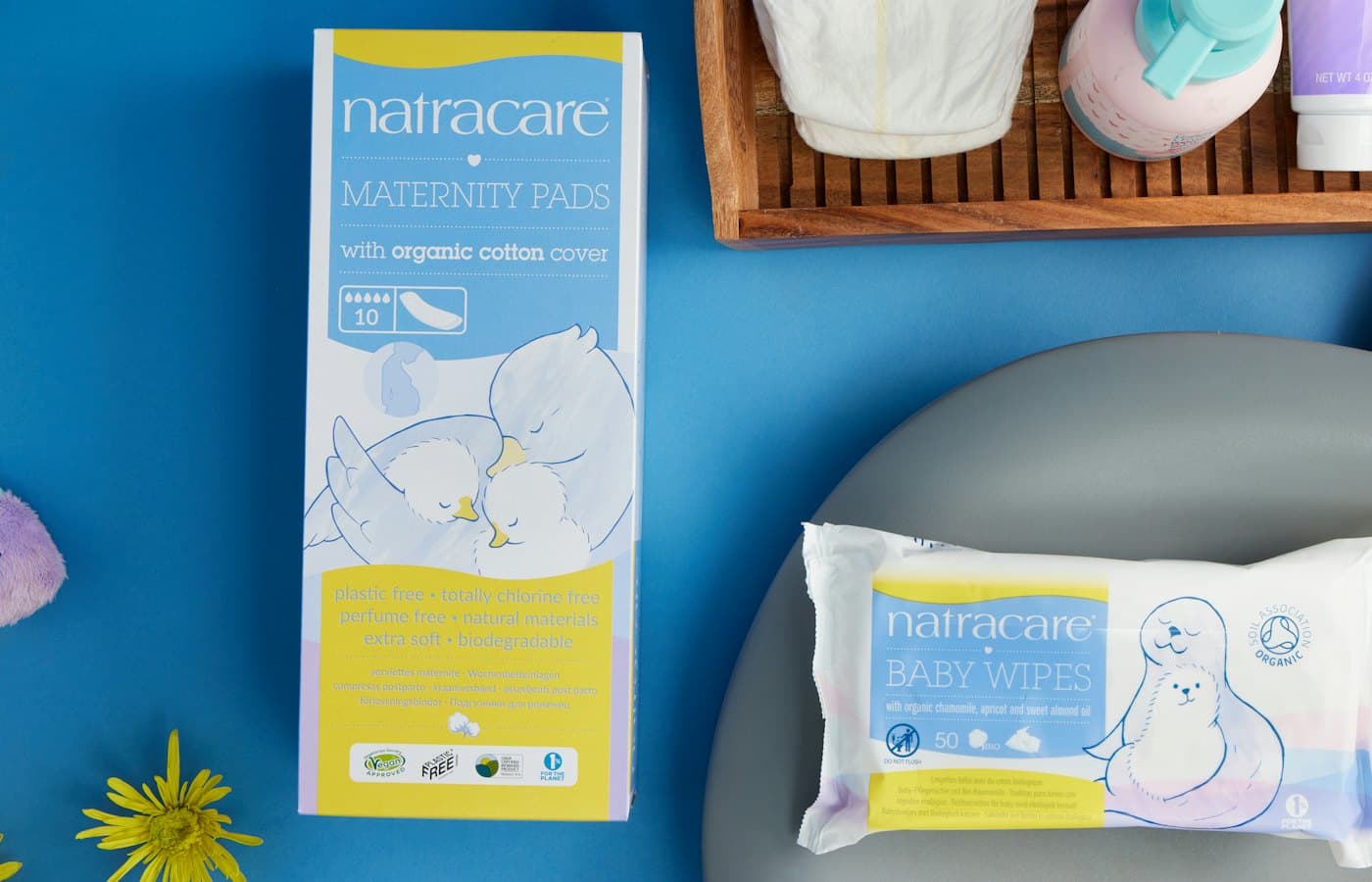
 3 picksOrganic Cloth DiapersGOTS is the organic label for cloth diapers, and few brands hold it. What each pick's claim covers.
 4 picksBaby WipesA wipe is a cloth plus a lotion. See which part a brand's certification covers, and four checked picks.
 4 picksOrganic Diaper CreamUSDA Organic balms and zinc oxide creams are different products. What each label covers, with four picks.
 5 picksOrganic Baby Wash & ShampooFew baby washes carry the USDA Organic seal. What the organic and EWG Verified claims on them cover.
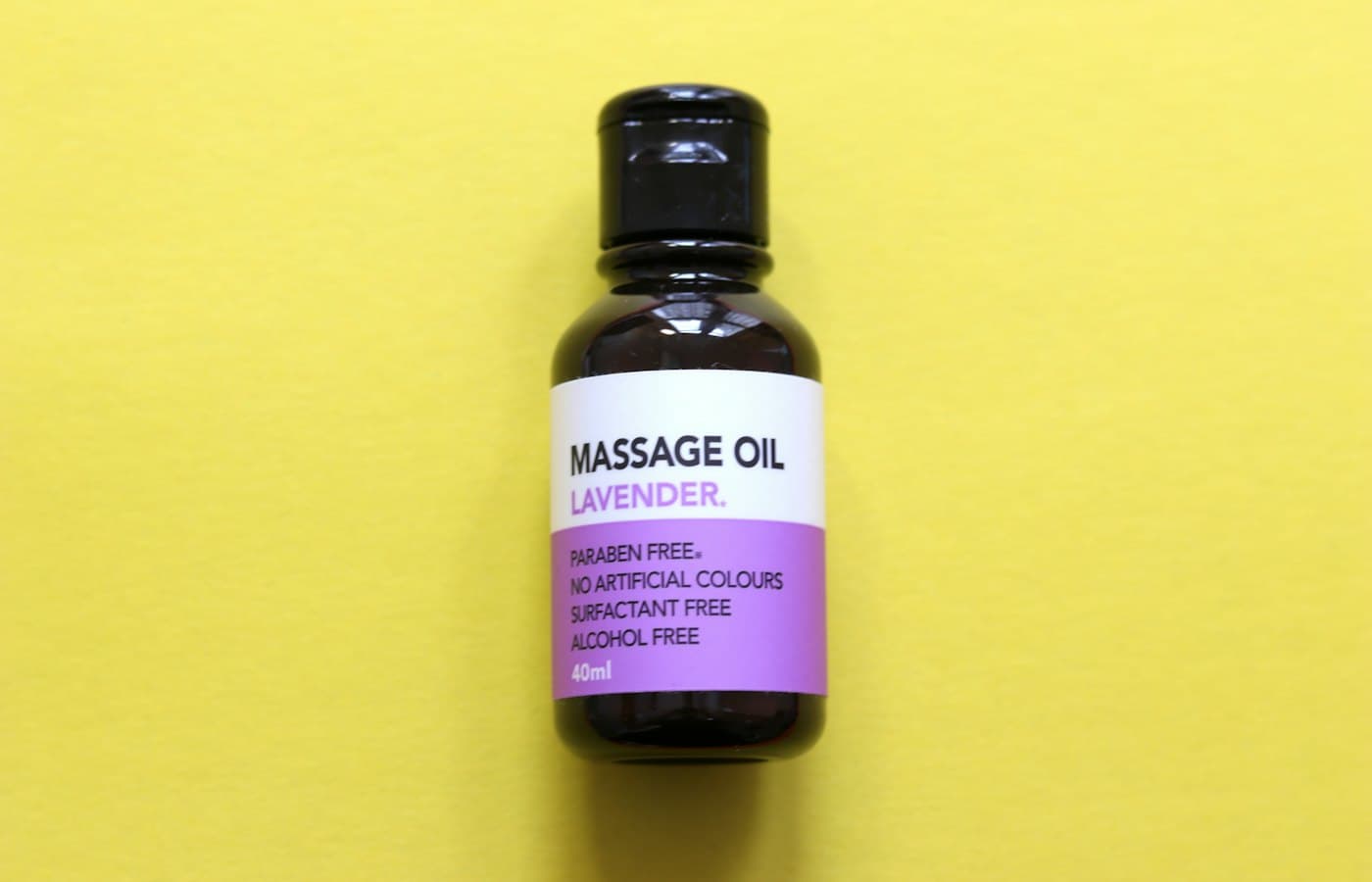 4 picksOrganic Baby Lotion & OilA plain baby oil can be USDA Organic. A lotion is harder to certify. What each seal on the bottle covers.
 3 picksMineral Baby SunscreenUnder 6 months: shade first, and ask your pediatrician. After that, what mineral sunscreen labels mean.
 4 picksBaby Laundry DetergentDetergent is rarely organic. What Safer Choice, EWG Verified and MADE SAFE mean on a baby detergent.
Questions people ask
Can a disposable diaper be certified organic?
Not as a whole product. USDA organic rules apply to agricultural products, and a disposable diaper is mostly wood pulp, absorbent polymer and plastic film. A brand can use an organic cotton layer, pulp from FSC certified forests, or have the finished diaper tested under OEKO-TEX Standard 100. Each of those covers one part or one question. Read which part the brand names.
Is the word organic regulated on baby lotion and wash?
Not by the FDA, which says the term is not defined in the laws it enforces for cosmetics. The USDA regulates organic claims on agricultural products, and a cosmetic made of agricultural ingredients can be certified under those rules. If it is, the label names the certifying agent. A lotion that says organic with no certifier named is making a claim nobody has checked.
What is the difference between USDA Organic and NSF/ANSI 305 on baby skin care?
USDA Organic on a personal care product means it met the same rules as food, with at least 95 percent organic ingredients, not counting water and salt, and it may show the USDA seal. NSF/ANSI 305 is a private standard for personal care products containing organic ingredients. The USDA says private standards like it may be used in the United States but are not regulated by the National Organic Program.
Does a certification mean a product will not irritate my baby's skin?
No. Certifications cover how ingredients were grown, which ingredients are allowed, or what a product was tested for. The FDA notes that an ingredient's source does not determine its safety, and that plants can be allergenic whether or not they are organic. If your baby has a rash, eczema or a known allergy, ask your pediatrician before trying a new product.
Sources
Each page was opened and read on October 11, 2026.
- FDA: "Organic" Cosmetics
- USDA Agricultural Marketing Service: Cosmetics, Body Care, and Personal Care Products
- USDA National Organic Program: Cosmetics, Body Care Products, and Personal Care Products fact sheet (PDF)
- FDA: Should You Put Sunscreen on Infants? Not Usually
- HealthyChildren.org (American Academy of Pediatrics): Laundry Room and Detergent Safety