Diapering & Baby Care
Organic Baby Lotion & Oil
A baby oil made only of plant oils can carry the USDA Organic seal. A lotion is water, oil and something to hold them together, and the certified ones we found use NSF/ANSI 305 or EWG Verified instead. The FDA does not regulate the word "organic" here, so look for a seal and a certifier's name.
What organic means here
This page accepts baby lotions and oils that carry USDA Organic, NSF/ANSI 305 or EWG Verified, as stated by the brand for that product. Because the FDA does not define "organic" on cosmetics, an organic claim with no certifier does not count. Each pick says whether it is fragrance free, since the American Academy of Pediatrics advises that.
Look for
- The USDA Organic seal on an oil, with the certifier named on the label
- "Certified to NSF/ANSI 305" and the certifier's name on a lotion
- "Fragrance free" in those words
- Every oil in the ingredient list, by plant name, if your child has a nut or seed allergy
Be wary of
- "Organic" on the front with no seal and no certifier on the back
- "Hypoallergenic", which has no federal definition
- Nut oils under Latin names: the AAP notes peanut oil can appear as arachis oil
- Essential oils in a product you expected to be scent free
Products that carry the certification
We have not tested these products. Each one was checked against the brand’s own page and the certifier’s records. Product links may be affiliate links: if you buy through one we may earn a commission, at no extra cost to you. How we choose.
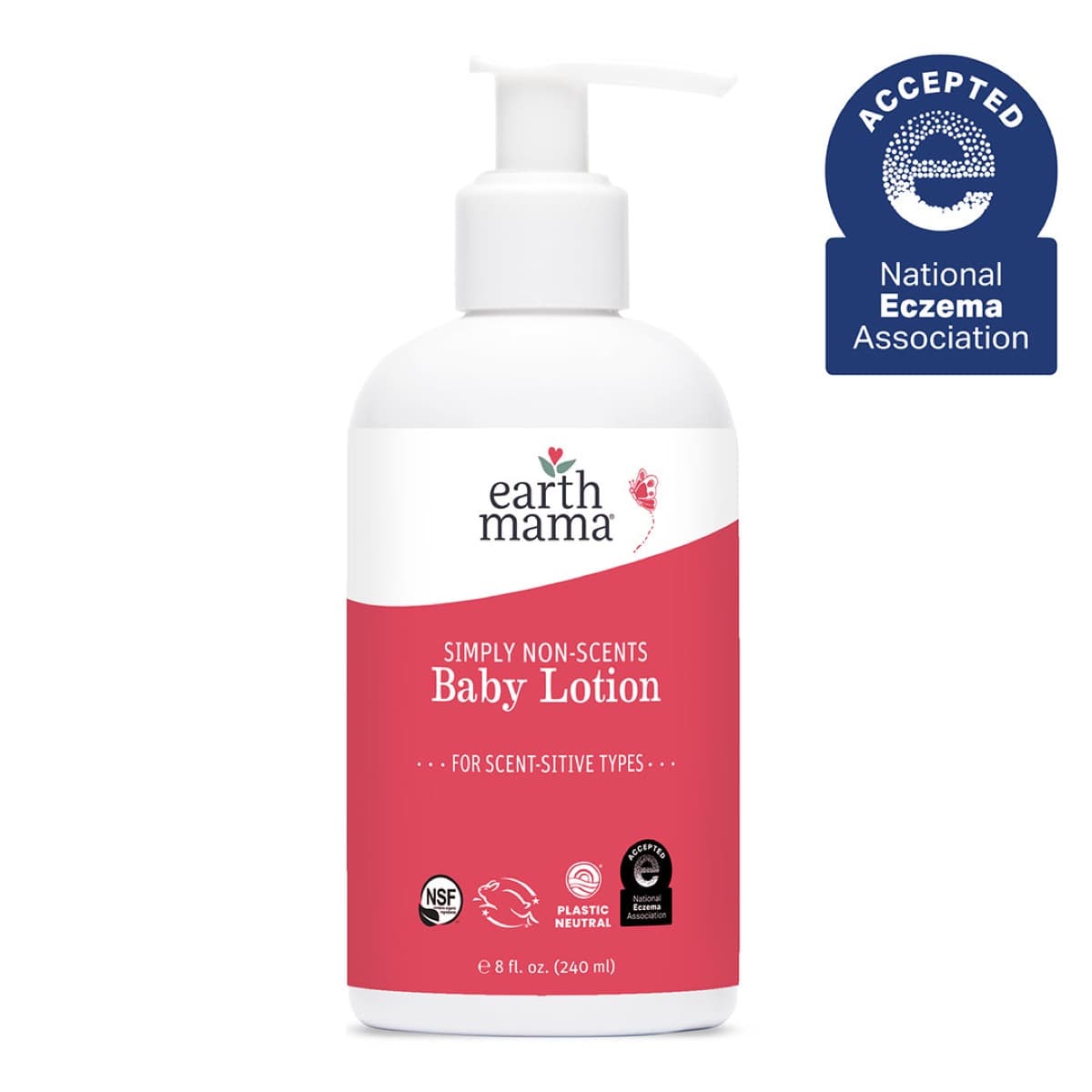
Photo: Earth Mama 1Earth MamaFragrance-free, NSF/ANSI 305Simply Non-Scents Baby Lotion
- NSF/ANSI 305
- Leaping Bunny
This fragrance-free lotion is certified to the NSF/ANSI 305 standard by Oregon Tilth, according to the product page, and is Leaping Bunny certified. It contains organic calendula, rooibos and oils, and the brand lists it as made without petroleum or mineral oil. It has the National Eczema Association Seal of Acceptance.
Good to know: NSF/ANSI 305 is not the USDA Organic seal. It is a private standard for products containing organic ingredients, so not every ingredient is organic.
Checked against: earthmamaorganics.com · earthmamaorganics.com
View at Earth Mamaearthmamaorganics.com
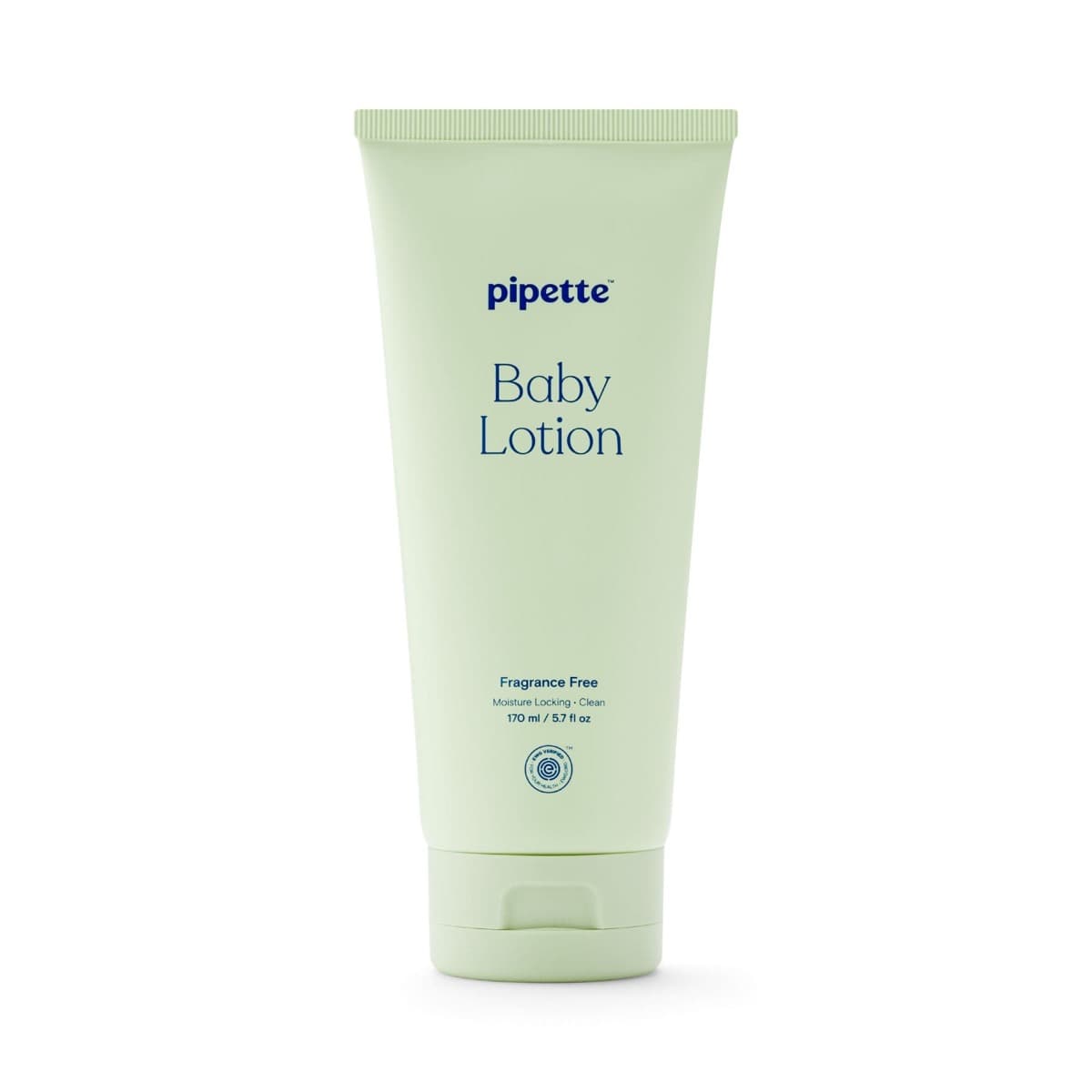
Photo: Pipette 2PipetteLightweight, fragrance-free optionBaby Lotion
Pipette describes this lotion as EWG verified, hypoallergenic, dermatologist tested and accepted by the National Eczema Association, and says it can be used from birth. The brand calls it a lightweight formula. This page refers to the Fragrance Free version.
Good to know: No organic content is claimed. Two scented versions are sold under the same product name, so check which one you are buying.
Checked against: pipettebaby.com
View at Pipettepipettebaby.com
- 3BadgerFour ingredients, glass bottle
Baby Oil
Badger lists four ingredients, all organic: extra virgin olive oil, jojoba oil, calendula flower extract and chamomile oil. The product page describes the oil as 100% USDA Certified Organic, vegan and GMO-free, in a recyclable glass bottle.
Good to know: Not fragrance free: chamomile oil gives it a scent. The USDA certification is stated by the brand, so confirm the seal and certifier on the bottle.
Checked against: badgerbalm.com
View at Badgerbadgerbalm.com
- 4ATTITUDEUnscented, with oat
Baby Body Lotion - Sensitive Skin
ATTITUDE marks this unscented lotion EWG VERIFIED, vegan and dermatologically tested. The brand says the formula is made with plant and mineral-based ingredients, including oat flour, for dry and delicate skin.
Good to know: No organic content is claimed. EWG Verified is not an organic certification.
Checked against: attitudeliving.com
View at ATTITUDEattitudeliving.com
Products with a photo are shown first; otherwise the order says nothing about quality. Certifications can lapse: check the certifier’s database before you buy.
Why oils and lotions end up with different seals
The FDA does not define "organic" for cosmetics. The USDA does for agricultural products, and a body care product made of agricultural ingredients can be certified under the same rules as food. For the USDA Organic seal, at least 95 percent of the ingredients, not counting water and salt, must be organic.
A baby oil can be nothing but plant oils and herbal extracts, all of which can be grown organically. The USDA-certified pick on this page has four ingredients. A lotion also needs something to bind oil and water and something to keep it from spoiling, and those are often not farm ingredients.
The USDA notes that personal care products may also be certified to private standards. NSF/ANSI 305 is one, written for personal care products containing organic ingredients. The lotion here that makes an organic claim is certified to it.
What each seal tells you
| Seal | What it tells you | What it does not |
|---|---|---|
| USDA Organic | At least 95 percent organic ingredients, certified by a USDA-accredited agent | Whether the product is fragrance free |
| NSF/ANSI 305 | Certified to a private standard for products containing organic ingredients | That every ingredient is organic |
| EWG Verified | The product met the Environmental Working Group's own criteria, per the brand | Anything about organic farming |
| Leaping Bunny | A cruelty-free certification, per the brands that carry it | Anything about ingredients |
What the AAP says about moisturizing a baby
The American Academy of Pediatrics suggests patting your baby dry after a bath and applying a small amount of fragrance-free, hypoallergenic moisturizing lotion to help prevent dry skin. It also advises choosing fragrance-free lotions in general, because phthalates are often a component of the fragrance in these products.
The FDA adds two cautions about label words. There is no federal standard for "hypoallergenic". And an ingredient's source does not determine its safety: plants, organic or not, can contain substances that are allergenic. If your baby has eczema or very dry skin, ask your pediatrician what to use.
Nut and seed oils
The AAP notes that some lotions, washes and massage oils contain nut-based oils such as almond oil, and that it is safer to avoid these if your child has a nut or seed allergy. Some appear under names you may not recognize.
Organic baby oils are often blends of several plant oils, so read the full list. The same goes for baby wash, and for products you use on yourself while holding a baby, such as body lotion or belly oil.
How to check an organic claim on a lotion or oil
- 1
Look for a seal
USDA Organic or the NSF mark. The word organic alone, even in the brand name, is not a seal.
- 2
Find the certifier
A USDA certified product must name its certifying agent on the label. Look near the ingredient list for "Certified organic by" and a name.
- 3
Read the asterisks
Most lists mark organic ingredients with an asterisk. Count how many have one and where water sits in the list.
Questions people ask
Is organic baby oil better than baby lotion?
They do different jobs, and we do not rank them. An oil can be simpler: one pick here has four ingredients and is USDA Organic. A lotion contains water as well as oil. The AAP's bathing advice mentions a fragrance-free, hypoallergenic moisturizing lotion. If your baby has eczema or very dry skin, ask your pediatrician which to use.
Can a baby lotion be USDA Organic?
It can if at least 95 percent of its ingredients, not counting water and salt, are organic and a USDA-accredited certifier approves it. We did not confirm a baby lotion with the USDA seal for this page. The lotion here with an organic certification uses NSF/ANSI 305, a private standard for personal care products that contain organic ingredients.
Is the word organic regulated on baby lotion?
Not by the FDA. It says the term is not defined in the laws or regulations it enforces for cosmetics. The USDA regulates organic claims on agricultural products, and a lotion that is certified under those rules must name its certifying agent. A product that does not meet the rules may not state or imply that it is USDA certified organic.
Should baby lotion be fragrance free?
The AAP advises it. It recommends fragrance-free lotions because phthalates are often part of the fragrance in these products, and its bathing guidance calls for a fragrance-free moisturizer after a bath. Essential oils are also a scent. Two picks on this page are sold as fragrance free or unscented only, one comes in scented versions too, and the oil contains chamomile.
What does NSF/ANSI 305 mean on a lotion?
It means the product was certified to a private standard written for personal care products containing organic ingredients. The pick on this page states its certifier, Oregon Tilth, next to the claim. It is not the USDA Organic seal. The USDA says private standards may be used in the United States and that its National Organic Program does not regulate them.
Sources
Each page was opened and read on October 11, 2026.
- FDA: "Organic" Cosmetics
- USDA National Organic Program: Cosmetics, Body Care Products, and Personal Care Products fact sheet (PDF)
- HealthyChildren.org (American Academy of Pediatrics): Bathing Your Baby
- HealthyChildren.org (American Academy of Pediatrics): How to Choose Safer Personal Care Products
- FDA: "Hypoallergenic" Cosmetics
Keep reading
 Diapers & Baby CareOrganic Baby Wash & ShampooFew baby washes carry the USDA Organic seal. What the organic and EWG Verified claims on them cover.
 Diapers & Baby CareOrganic Diaper CreamUSDA Organic balms and zinc oxide creams are different products. What each label covers, with four picks.
 Skincare & BeautyOrganic Body Lotion & OilBody lotions and oils that name their certifier: USDA Organic, NSF/ANSI 305 or MADE SAFE, with the tier stated.